

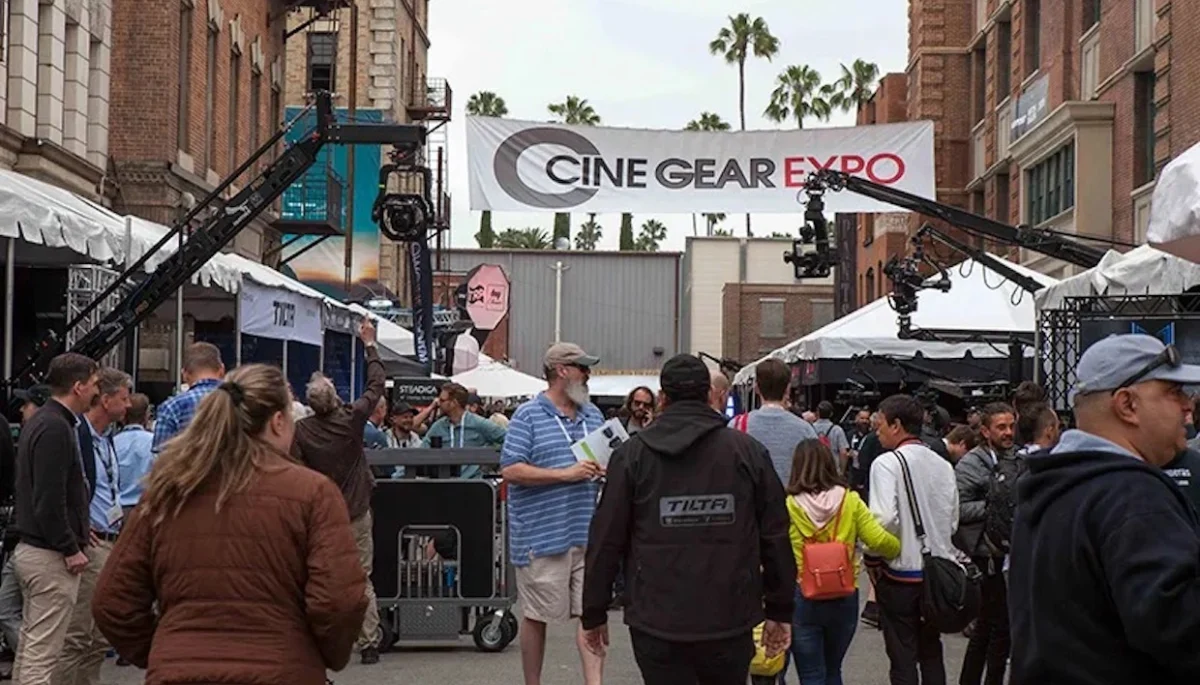
The 2026 iteration of the Cine Gear Expo convened at the Universal Studios Lot in Los Angeles, marking a significant milestone for the premier annual event dedicated to the technology and craft of cinematography. Moving from its previous long-term residency at the Warner Bros. lot, the expo provided a two-day forum for cinematographers, gaffers, and lighting technicians to evaluate the latest advancements in motion picture production. Unlike the broader National Association of Broadcasters (NAB) Show, which encompasses the wide spectrum of broadcast and streaming media, Cine Gear Expo maintains a specialized focus on the artistry of the Hollywood "backlot" culture, emphasizing narrative filmmaking and high-end commercial production.
Historical Context and Evolution of the Expo
Founded in 1996, Cine Gear Expo has evolved from a small gathering of industry professionals into one of the most influential trade shows in the global film industry. The 2026 event highlighted a notable shift in the industry’s demographic and technological priorities. Following the success of viral independent projects such as Obsession and the Backrooms series, the expo saw an influx of younger attendees, including film students and independent creators, alongside veteran union members. This shift reflects a broader democratization of filmmaking tools, where high-end cinematic aesthetics are increasingly sought after by a new generation of digital-native creators.
The transition to the Universal Studios Lot presented both opportunities and logistical challenges. While the setting provided an authentic production environment, the layout required a more rigorous schedule for attendees navigating between the seminar areas and the vendor tents housed in the backlot. Despite the logistical hurdles of shuttling between stages, the event maintained its reputation for fostering a tight-knit community, characterized by the informal exchange of ideas over traditional social gatherings and industry barbecues.
The American Society of Cinematographers (ASC) Dialogue
A cornerstone of the 2026 expo was the annual American Society of Cinematographers (ASC) panel, which featured a distinguished assembly of 15 members. The panel included industry luminaries such as Jeff Cronenweth, ASC (The Girl with the Dragon Tattoo), Rachel Morrison, ASC (Black Panther), Karl Walter Lindenlaub, ASC (Independence Day), and Natasha Braier, ASC (I Love Boosters). The session began with a retrospective montage celebrating over a century of the Society’s contributions to visual storytelling, including iconic frames from John Toll’s Oscar-nominated work on The Thin Red Line.
The discussion focused on the intersection of intuition and technical mastery. Steven Fierberg, ASC, emphasized the concept of "body consciousness" on set, describing the instinctive movement of the cinematographer in relation to the camera and the scene. Natasha Braier offered a psychological perspective, noting how her upbringing in Argentina under a military dictatorship influenced her use of subtext and the unconscious in visual composition. These sound bites underscored a recurring theme of the expo: while technology continues to advance at an exponential rate, the core of cinematography remains rooted in human emotion and subconscious intent.
Advancements in LED Lighting and Control Systems
The lighting sector at Cine Gear 2026 demonstrated the rapid pace of innovation in Light Emitting Diode (LED) technology. Professionals from boutique rental houses, such as Canary Yellow, noted that the industry has moved beyond the slow evolutionary timelines of tungsten and HMI lighting. Current developments focus on refined chipsets and proprietary color engines designed to mimic natural light with unprecedented accuracy.
A significant highlight was the demonstration of Aputure’s Blair CG color engine, which has set a new standard for color fidelity in high-output fixtures. Complementing these hardware advancements were breakthroughs in lighting control software. The Blackout Lighting Console showcased its V3 update, which introduces visual control components to a process historically dominated by numerical values. By allowing gaffers and lighting programmers to manipulate arrays via intuitive iPad interfaces, the software aims to bridge the gap between technical execution and creative spontaneity. This update is expected to redefine lighting workflows on major sets when it enters full release later this year.
The Resurgence of Analog Film and Hybrid Workflows
Perhaps the most unexpected trend at the 2026 expo was the renewed interest in 16mm and 35mm film technology. Cinelux Cinema Tools debuted a prototype of the Cinelux Sixteen, the first new film camera developed in several years. Designed to address the concerns of modern producers regarding dailies and processing times, the Cinelux Sixteen is a hybrid system capable of shooting film and digital footage simultaneously.
Chief engineer Caz Voorhees detailed the technical complexities of the project, specifically the challenges of engineering a film magazine that operates with zero friction in a compact space. The camera utilizes a Sony sensor to record 3.2k digital proxies to an SD card, complete with film-emulation Look-Up Tables (LUTs). This allows directors to maintain the aesthetic of celluloid while providing the immediate feedback required by contemporary production schedules. Furthermore, the project includes an open-source component, allowing users to 3D-print magazines in emergency situations, a move intended to foster a sense of ownership among the filmmaking community.
Vintage Optics and the Art of Lens Rehousing
The lens department at Cine Gear 2026 highlighted a growing demand for "vintage" aesthetics in a high-resolution digital world. Zero Optik, a leader in the rehousing of classic glass, presented their work on Bausch & Lomb Ultra Baltar lenses from the 1930s and 40s. These lenses, which were previously unusable on modern mirror-shutter cameras, have found a second life in digital cinema. Renowned cinematographer Ed Lachman recently utilized these rehoused optics for his work on El Conde and Maria.
Zero Optik also showcased a restoration project commissioned by the ASC involving a set of Todd-AO 65mm prime lenses from the 1950s. These lenses, famously used on classics like The Sound of Music, were restored with the input of cinematographer Greig Fraser, ASC, to ensure consistency across the set for modern large-format sensors. This trend of "upcycling" historical glass reflects a desire among DPs to move away from the clinical sharpness of modern digital sensors toward more characterful, textured imagery.
The Expansion of Anamorphic Accessibility
Atlas Lens Co. continued to dominate the conversation regarding anamorphic optics. Cofounder Dan Kanes, a former lighting technician and DIT, detailed the company’s mission to provide high-quality anamorphic options for various production scales. Since presenting their first prototype in 2017, Atlas lenses have been utilized in major productions such as Dune: Part Three and Babylon.
At the 2026 expo, Atlas showcased the Orion, Mercury, and the newly shipping Kaizen series. The Kaizen series is specifically engineered for large-format sensors, such as the Fujifilm GFX Eterna 55 and the Arri Alexa 265. Kanes explained that while these lenses provide the classic anamorphic "look" associated with the 1970s and 80s, they utilize a parallel field curvature that allows for sharper focus across the frame. This technical adjustment enables filmmakers to maintain focus on multiple subjects in a wide shot, a task that was historically difficult with vintage anamorphic glass.
Educational Outreach and Industry Solidarity
The expo concluded with a series of technical seminars, most notably a session led by M. David Mullen, ASC, and presented by Red Digital Cinema. Mullen, a frequent contributor to professional cinematography forums and a respected educator, provided a granular breakdown of complex tracking shots from The Marvelous Mrs. Maisel. His ability to translate high-level technical concepts into actionable advice for aspiring filmmakers exemplified the educational spirit of the event.
The 2026 Cine Gear Expo culminated in the annual barbecue at the ASC Clubhouse in Hollywood. This gathering served as a vital touchstone for an industry that has faced significant labor and economic shifts over the past few years. The event underscored that despite the proliferation of AI-driven tools and virtual production, the physical community of technicians and artists remains the backbone of the cinematic medium.
Broader Impact and Industry Implications
The innovations displayed at Cine Gear 2026 suggest an industry in a state of "sophisticated nostalgia." There is a clear mandate for tools that offer the convenience of digital workflows without sacrificing the organic imperfections of traditional film. The development of hybrid cameras, the rehousing of century-old lenses, and the refinement of LED color engines all point toward a future where the distinction between "digital" and "film" becomes less about the medium and more about the desired texture of the narrative.
As the industry looks toward 2027, the success of the Universal Studios residency suggests that Cine Gear will continue to be the primary staging ground for these technological shifts. The expo remains an essential barometer for the health of the film industry, proving that even in an era of diminishing theatrical windows and shifting distribution models, the demand for high-quality, craft-oriented filmmaking tools remains robust. The community-focused nature of the event ensures that Los Angeles remains the global epicenter for cinematic innovation, bridging the gap between Hollywood’s storied past and its technologically advanced future.