


Microsoft has officially announced the launch of the "Xbox Backward Compatibility on PC" program, a strategic initiative designed to bring legacy console titles to Windows-based devices and portable gaming handhelds for the first time. Revealed via an official Xbox Wire communication, the program represents a significant pivot in Microsoft’s software ecosystem, extending the reach of its historical catalog beyond the confines of dedicated console hardware. This move comes at a transformative period for the company’s gaming division, as it navigates a broader restructuring of its business model and internal development resources.
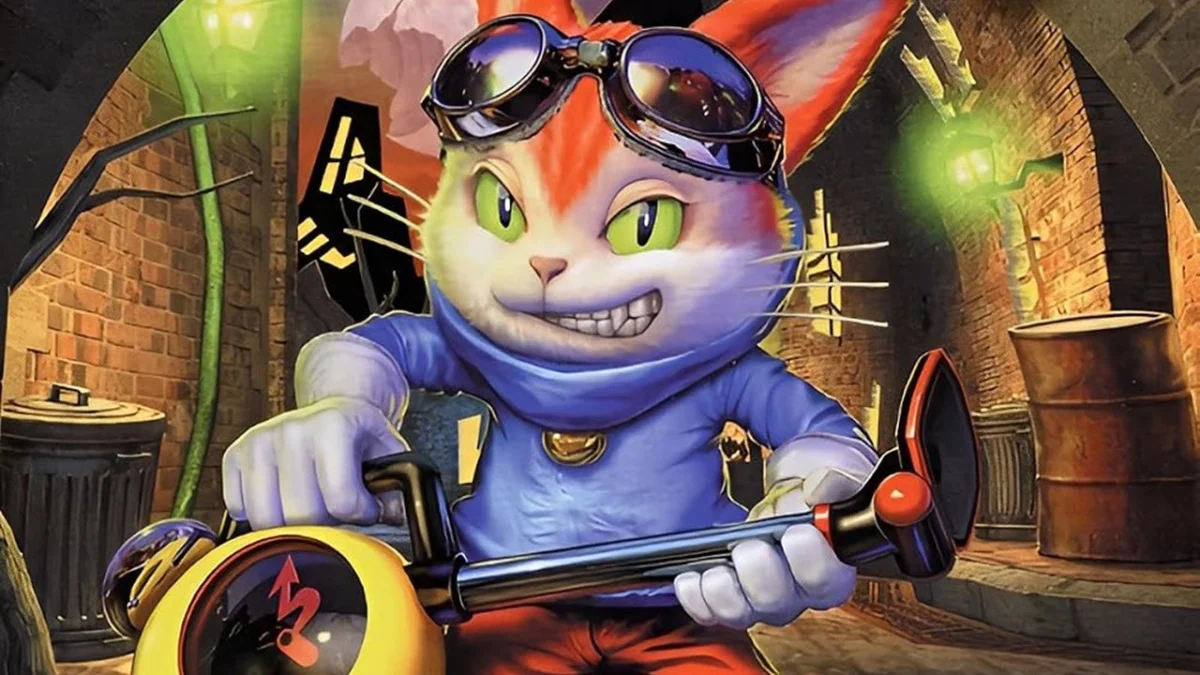
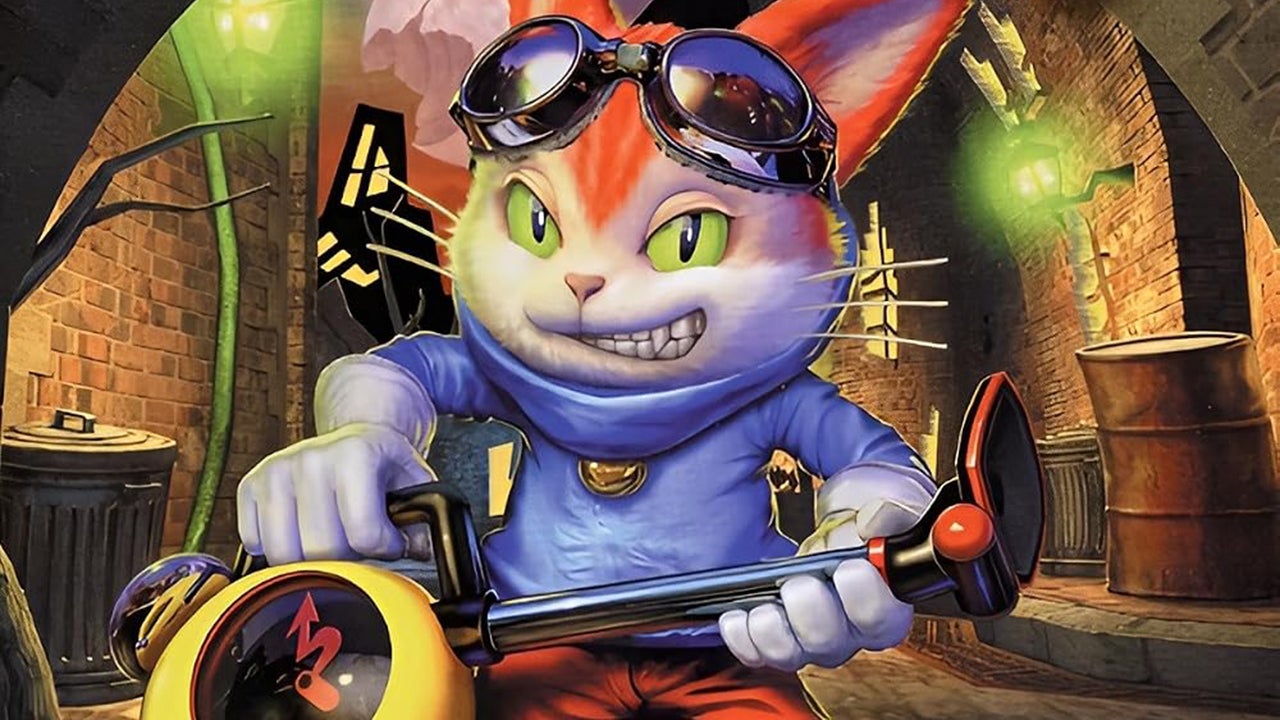
The program’s debut features a curated selection of titles from the original Xbox era, optimized to run on modern PC architectures and specialized handheld devices such as the ASUS ROG Ally and the Lenovo Legion Go. The initial rollout includes four specific titles: Blinx: The Time Sweeper, Conker: Live and Reloaded, Crimson Skies: High Road to Revenge, and Fuzion Frenzy. These titles, while representing different genres and levels of commercial success, serve as the foundation for a technical framework that Microsoft intends to expand in the coming years.
Technical Specifications and Emulation Features
The "Xbox Backward Compatibility on PC" program is not a simple porting effort but rather a sophisticated emulation project led by the team responsible for the highly regarded backward compatibility features on the Xbox One and Xbox Series X|S. Microsoft has confirmed that these games will feature a suite of technical enhancements intended to bridge the gap between early 2000s hardware limitations and modern display standards.
Key technical features integrated into the PC emulation layer include:
- Resolution Upscaling: The emulator supports up to 4x resolution upscaling. For original Xbox titles that typically ran at 480p, this allows for a crisp output reaching 1920p, significantly improving visual clarity on 4K monitors.
- Display Flexibility: Users can toggle between Fullscreen and Windowed display modes, a standard requirement for PC gaming that was absent in original console environments.
- Advanced Post-Processing: The program introduces support for VSync to eliminate screen tearing, anisotropic filtering to improve texture quality at oblique viewing angles, and enhanced anti-aliasing to smooth out jagged edges on character models and environments.
- Input and Cloud Support: The titles feature full integration with modern Xbox controllers and support cloud saves, allowing players to synchronize progress between their PC, handheld, and console versions.
Jason Ronald, Vice President of Next Generation at Xbox, noted that the current feature set is only the beginning. He confirmed that achievements—a staple of the Xbox ecosystem since 2005—will be retroactively added to these first four titles in the coming months, marking the first time original Xbox games will officially support the Gamerscore system on PC.
Economic Model and Digital Ownership Rights
In a move that aligns with Microsoft’s "Play Anywhere" philosophy, the company has established a consumer-friendly licensing model for this program. Each title in the initial wave is priced at $9.99 for individual purchase through the Microsoft Store. Furthermore, all four games have been added to the Xbox Game Pass library, making them accessible to subscribers across all tiers of the service.
Significantly, Microsoft is honoring existing digital ownership. Players who already own a digital license for these titles on Xbox consoles will find the PC versions available in their library at no additional cost. This "cross-buy" functionality ensures that the transition to PC does not require a secondary purchase for long-term supporters of the brand.
The Initial Library: A Historical Overview
The selection of the first four games highlights various facets of the original Xbox’s identity.
- Blinx: The Time Sweeper (2002): Developed by Artoon, this platformer was once positioned as a potential mascot for the Xbox brand. Its core mechanic involved manipulating time—recording actions, slowing down, or rewinding—to solve puzzles. While it received mixed critical reception at launch, it remains a cult classic and a technical showcase of the original Xbox’s hard drive capabilities.
- Conker: Live and Reloaded (2005): A remake of the Nintendo 64 classic Conker’s Bad Fur Day, this Rare-developed title was known for its mature humor and high-fidelity graphics that pushed the original Xbox hardware to its limits. The PC release preserves the single-player campaign and the specialized multiplayer modes.
- Crimson Skies: High Road to Revenge (2003): An arcade-style flight combat game set in an alternate 1930s. It is frequently cited by fans as one of the best titles on the platform due to its engaging world-building and accessible aerial mechanics.
- Fuzion Frenzy (2001): A launch title for the original Xbox, this party game consists of numerous mini-games. It became a staple of the console’s early years, often remembered for its fast-paced "Twisted System" game mode.
Strategic Context and Organizational Restructuring
The announcement of PC backward compatibility arrives during a tumultuous period for Microsoft’s gaming wing. The company recently underwent a massive workforce reduction, cutting approximately 3,200 jobs across its various divisions. This downsizing also resulted in the closure of several high-profile studios, including Tango Gameworks (creators of Hi-Fi Rush) and Arkane Austin (Redfall).
Industry analysts suggest that the revival of the backward compatibility program on PC is part of a broader "Xbox Everywhere" strategy. As hardware sales for the Xbox Series X|S continue to lag behind competitors like the PlayStation 5, Microsoft is increasingly focusing on software accessibility and ecosystem growth. By bringing legacy titles to PC, Microsoft leverages its extensive back catalog to add value to the Game Pass subscription and capture the burgeoning PC handheld market.
The timing of the release has been described by some observers as a "break in case of emergency" maneuver, intended to generate positive sentiment following a series of controversial business decisions. It mirrors the recent, sudden reveal of Bethesda’s future roadmap, which included hints of remasters for Fallout 3 and Fallout: New Vegas.
A Chronology of Xbox Backward Compatibility
Microsoft’s commitment to backward compatibility has evolved through several distinct phases:
- 2005: The Xbox 360 launched with limited support for original Xbox games through software emulation.
- 2015: At E3, Microsoft announced that the Xbox One would support Xbox 360 games, a feature that became a cornerstone of the brand’s marketing.
- 2017: Support for original Xbox games was added to the Xbox One family.
- 2021: Microsoft announced the final addition of games to the console backward compatibility program, citing licensing and legal hurdles as the primary reasons for ending the program.
- 2024: The program is revived and rebranded for the PC ecosystem, signaling a shift from hardware-locked legacy support to platform-agnostic accessibility.
Broader Industry Implications and Game Preservation
The move by Xbox stands in contrast to the current trajectory of its primary competitor, Sony. Recent reports suggest that Sony may be moving toward an all-digital future, with rumors circulating that the PlayStation 6 may forgo a physical disc drive entirely by 2028. This has raised concerns among advocates for game preservation, who argue that the loss of physical media and limited backward compatibility threatens the history of the medium.

Microsoft’s effort to modernize these titles for PC provides a template for how first-party publishers can manage their legacy content. While third-party platforms like GOG (formerly Good Old Games) have long championed the preservation of classic PC titles, first-party support for console-to-PC emulation remains relatively rare.
The technical overhead of bringing original Xbox games to PC is non-trivial. The original console used a custom Intel Pentium III-based architecture and a specialized NVIDIA GPU. Replicating this environment on modern x64 hardware while adding features like 4x upscaling requires significant engineering resources. By investing in this infrastructure, Microsoft is effectively future-proofing its library against the eventual obsolescence of original console hardware.
Future Outlook
While the initial wave of games is small, the infrastructure created for the "Xbox Backward Compatibility on PC" program suggests a long-term commitment. Fans have already begun speculating on future additions, with high demand for titles like Jet Set Radio Future, Panzer Dragoon Orta, and the original Halo titles (despite their presence in the Master Chief Collection).
The success of this initiative will likely be measured by the engagement metrics on Game Pass and the sales figures on the Microsoft Store. If the program proves profitable, it could lead to a more aggressive cadence of releases, potentially encompassing the Xbox 360 library as well.
As the gaming industry moves toward an increasingly digital and subscription-based future, Microsoft’s decision to bridge the gap between its past and its present on the PC platform marks a pivotal moment. It reinforces the idea that games should not be tethered to the generation in which they were born, but rather treated as a persistent library accessible across any device capable of running them. For now, Blinx, Conker, Crimson Skies, and Fuzion Frenzy serve as the vanguard for what could become the most comprehensive legacy gaming initiative in the industry.