



Historical Context and Development Trajectory
S-Game, led by founder Liang Qiwei, has spent years cultivating the Phantom Blade franchise, which began as a smaller-scale project before evolving into this high-fidelity production. The project was initially unveiled with a visually arresting trailer that garnered significant attention for its "kung fu punk" aesthetic—a blend of traditional Chinese wuxia sensibilities with a gritty, modern, and slightly supernatural edge.
The game’s development has been marked by a focus on "fast-paced, rhythmic combat," a departure from the slower, more deliberate pace often associated with the Soulslike subgenre popularized by FromSoftware. By utilizing proprietary animation techniques and prioritizing fluid, uninterrupted motion, S-Game sought to capture the feeling of classic martial arts cinema. The development timeline reached a critical juncture in early 2024, as the studio moved toward its final polishing phases, culminating in a significant 67GB pre-release patch designed to rectify performance bottlenecks and tune encounter difficulty.
The Mechanics of the Wulin
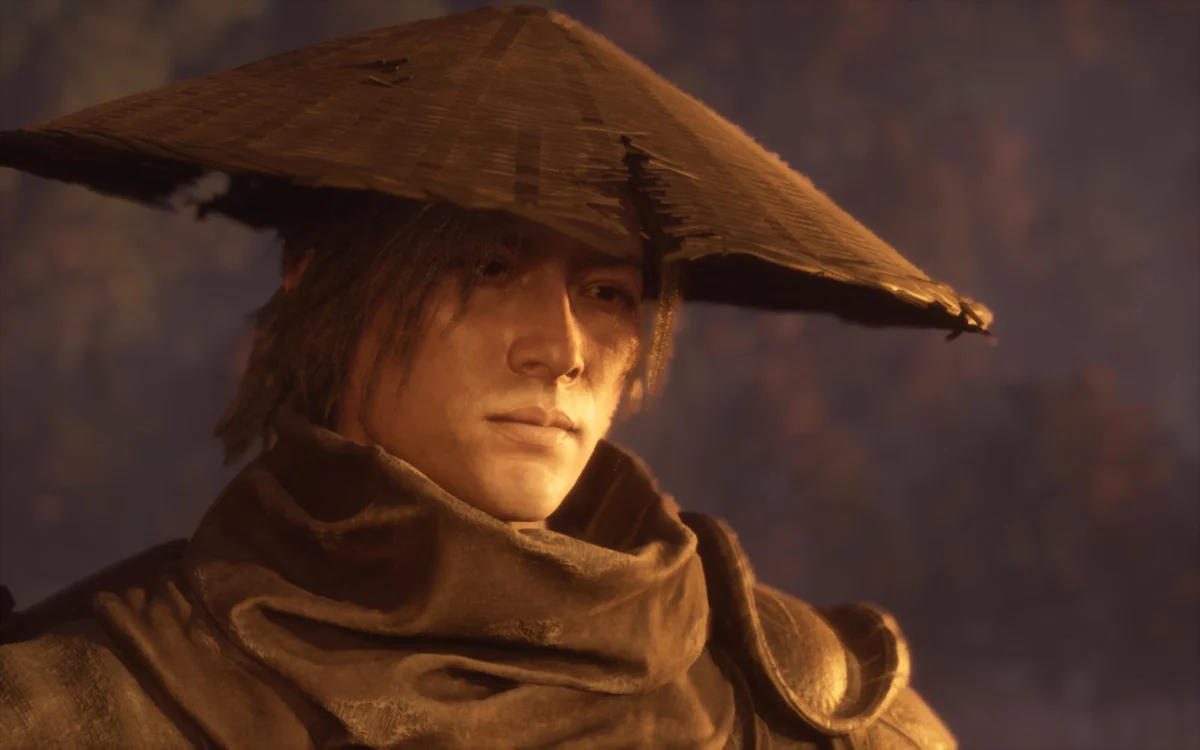
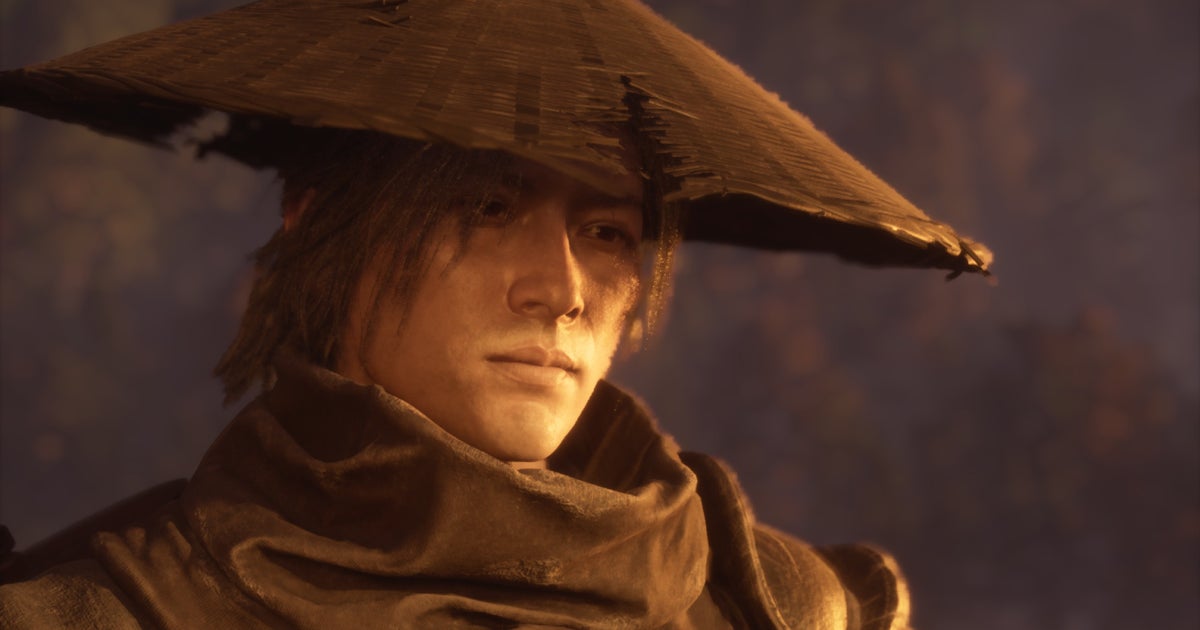
At the core of the experience is the Wulin, a realm defined by competing sects, ancient bloodlines, and a narrative centered on the protagonist, Soul. Soul, an agent of "The Order," navigates a world defined by a 66-day life expectancy, a ticking-clock mechanic that serves as both a narrative anchor and a potential gameplay modifier depending on the chosen difficulty setting.

The combat system eschews the traditional stamina-gated gameplay loop in favor of "sha-chi," a dynamic resource that depletes during blocks, parries, and heavy attacks. This design choice encourages constant movement and aggressive engagement. Players are provided with a dual-weapon system, allowing for instantaneous switching between armaments, each offering unique tactical advantages. The integration of "phantom edges"—secondary tools intended to bypass enemy defenses or manage crowd control—adds a layer of strategic depth that differentiates the game from its contemporaries.
Chronology of Performance and Technical Challenges
The lead-up to the launch was defined by a rapid succession of internal adjustments. The 67GB update released 48 hours prior to the review embargo was a pivotal moment in the game’s lifecycle. According to internal statements from S-Game, the patch was specifically targeted at balancing the "difficulty curve" of boss encounters and rectifying bugs that had been identified during early testing phases.

Despite these efforts, testing indicated that certain foundational issues remained. The "sponginess" of boss health pools—a phenomenon where enemies absorb excessive damage, leading to prolonged and repetitive encounters—persisted in several key areas. Furthermore, the game’s reliance on environmental storytelling, often delivered through text-heavy scrolls, has been noted as a potential barrier to narrative engagement, as players are frequently inundated with dense lore that lacks immediate connection to the core revenge-driven plot.
Comparative Analysis: Combat and Design
The combat design reflects a hybrid philosophy. On one hand, the game offers a high degree of player expression. The execution system, which triggers cinematic finishers, provides a sense of visual reward for aggressive play. On the other hand, the boss encounters often revert to a rigid "defend-then-punish" paradigm that can stifle the fluidity found in standard exploration.

Data collected during play sessions suggests that while the "Pathfinder" difficulty is intended to provide a balanced experience, the transition from standard combat to boss encounters remains jarring. In many instances, the specialized phantom edges—such as water-based tools meant for fire-aligned enemies—did not produce the expected tactical results, leading to player frustration. This discrepancy between player expectation and mechanical feedback is a common hurdle in the development of complex action systems, as it requires precise balancing of damage scaling and enemy resistances.
Implications for the Soulslike Genre
Phantom Blade Zero occupies a unique space in the current gaming landscape. By implementing "Soulslite" mechanics—such as the generous parry windows and the ability to restart boss fights at the second phase—S-Game is clearly attempting to lower the barrier to entry for the genre. However, the game’s struggle with technical stability, including frame rate fluctuations and geometry clipping, underscores the difficulty of maintaining consistent performance in high-fidelity action titles.

The broader implication for the industry is the increasing demand for "cinematic fluidity" in RPGs. Players are no longer satisfied with static combat loops; they demand the visual spectacle of high-budget film choreography coupled with the responsive, high-stakes gameplay of competitive titles. S-Game’s attempt to meet these twin requirements highlights the necessity of iterative post-launch support. The studio’s commitment to addressing player feedback through significant patches suggests that the game’s final state will be a moving target, evolving well beyond its initial launch day.
Evaluating the Final Product
The environmental design remains one of the game’s most praised aspects. The use of traditional ink-wash painting aesthetics to represent the world map is not merely a stylistic choice but a functional one, requiring players to observe the landscape to navigate. The Metroidvania-style gating, where specific phantom edges are required to unlock previously inaccessible areas, encourages backtracking and thorough exploration.

However, the "death by a thousand cuts" phenomenon—a term used to describe the accumulation of minor technical inconveniences—remains the most significant hurdle for the title. Issues such as misplaced quest markers, navigation errors, and the aforementioned boss AI pathing bugs (where enemies occasionally exit their designated arenas) detract from the overall polish. While these are not necessarily game-breaking in isolation, their combined presence at launch impacts the perceived quality of the experience.
Future Outlook and Industry Positioning
As S-Game continues to monitor user data and technical telemetry, the future of Phantom Blade Zero will likely depend on the studio’s ability to refine the combat balancing. The potential for the game is clear: when the systems align, the gameplay delivers a rare sense of kinetic satisfaction. The challenge lies in smoothing out the transition between the high-octane street brawls and the more rigid, punishing boss encounters.

The development of Phantom Blade Zero serves as a case study in the challenges of modern game development, where the drive for visual innovation must be balanced against the rigorous demands of mechanical precision. For players, the game offers an intriguing, if occasionally uneven, journey through a beautifully rendered martial arts world. Whether the title can achieve its full potential will depend on the efficacy of subsequent patches and the developer’s willingness to listen to the player base’s concerns regarding boss scaling and navigation clarity.
In the final analysis, Phantom Blade Zero is a testament to the ambition of its creators. While it currently stands as a flawed gem, its core mechanics and visual presentation set it apart in a crowded market. The path forward for S-Game involves not just fixing the technical bugs, but fundamentally ensuring that the "flow" of the combat is maintained from the first encounter to the final climactic battle. As the game enters its post-launch lifecycle, the focus shifts from the initial vision to the sustained execution of a refined, balanced, and polished action experience.