



A Timeline of the BioWare Shutdown and Mass Effect Cancellation
The events leading to the current public outcry began last week when Electronic Arts, the parent company of the legendary studio BioWare, announced a comprehensive restructuring plan. This plan resulted in the immediate closure of the studio and the abrupt cancellation of the next Mass Effect title, a project that had been in active development and served as a focal point for the future of the series.
The chronology of this development unfolded rapidly:
- Mid-October 2026: Electronic Arts announces a shift in corporate strategy, citing long-term sustainability and portfolio optimization as the primary drivers for a massive restructuring effort.
- Late October 2026: EA confirms the shuttering of BioWare, a move that sent shockwaves through the industry given the studio’s historical significance in RPG development.
- October 24, 2026: The official cancellation of the untitled fifth Mass Effect game is confirmed, ending years of speculation and promotional teases.
- October 25, 2026: The "Save Mass Effect" movement gains significant momentum, with the petition surpassing 100,000 signatures within 24 hours.
- October 26, 2026: The community successfully secures digital advertising space in New York City’s Times Square, signaling a transition from online petitioning to real-world, high-visibility protest.
The Scale of Community Mobilization
The movement is currently being spearheaded by the community group "We Are Mass Effect," in collaboration with prominent content creator Kala Elizabeth. Their efforts have evolved from a simple hashtag campaign into a multi-faceted logistics operation. According to organizer Mer Mora, the strategy involves a series of physical demonstrations designed to maintain public pressure on Electronic Arts.
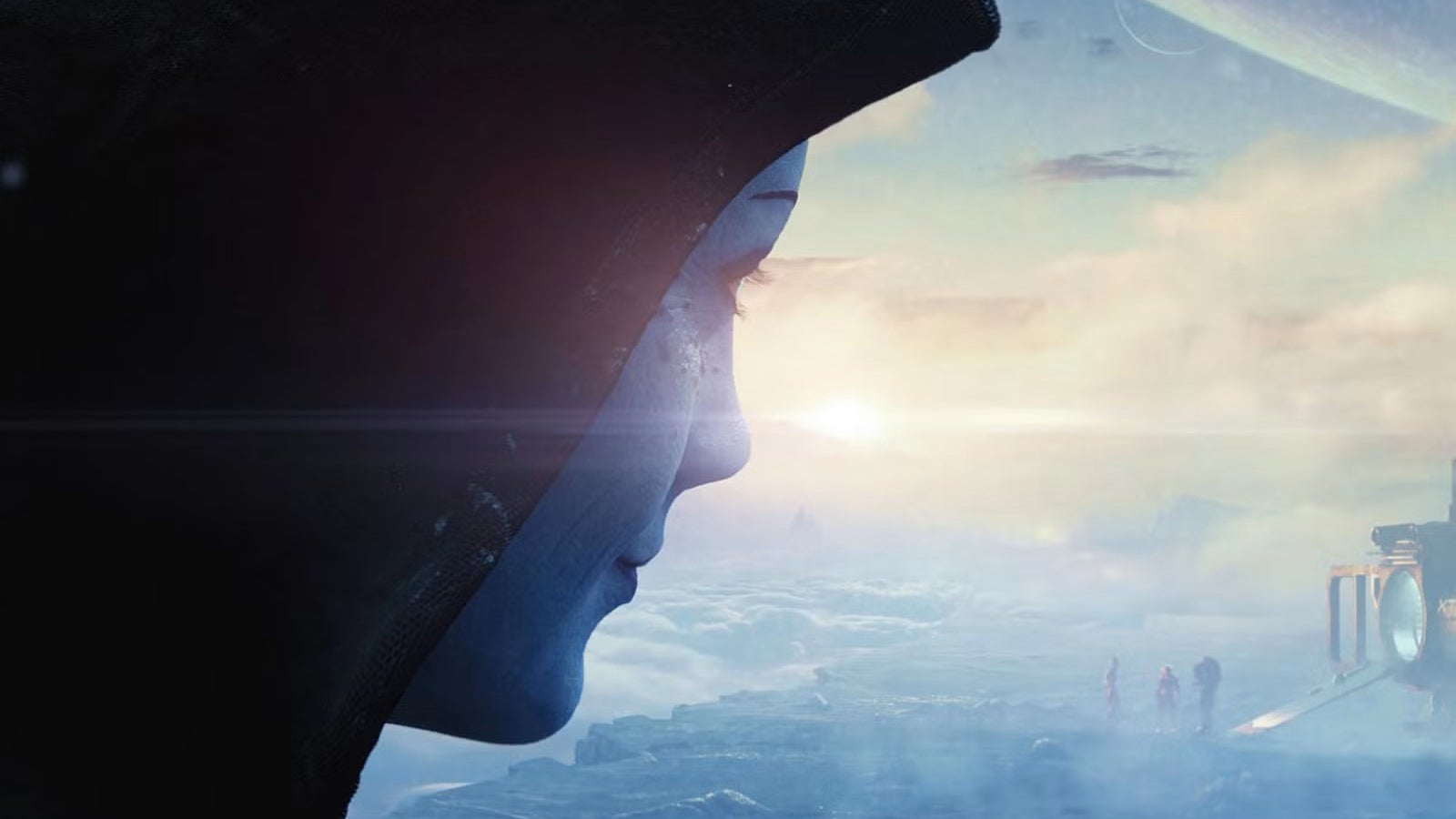
The Times Square billboard, situated at 1560 Broadway, displays the message "Kellah Si’yah"—a phrase rooted in the lore of the Mass Effect series, specifically referencing the ship that carried the remains of various species to the Andromeda system. This cultural touchstone serves as a rallying cry for fans who view the cancellation not just as a business decision, but as the loss of a narrative universe that holds significant cultural value.
Looking ahead, the group has outlined an aggressive schedule of demonstrations:
- Redwood City, California: An advertising truck will be deployed near the Electronic Arts corporate headquarters to bring the campaign directly to the source of the decision.
- Edmonton, Alberta: A similar mobile billboard will circulate through the city, acknowledging the historical home of BioWare’s primary development teams.
- N7 Day (November 7): A coordinated effort involving mobile billboards to coincide with the date traditionally celebrated by the Mass Effect community.
- The Game Awards: A final, high-profile demonstration is planned for Los Angeles, timed to capture the attention of the global gaming media and industry stakeholders during one of the year’s largest events.
Data and Financial Support
The scale of the petition is indicative of the franchise’s enduring popularity. As of the latest reporting, the "SaveMassEffect" petition on Change.org has accumulated over 226,000 signatures. The data suggests a broad, international base of support, with signatures originating from every major continent.
The financial logistics of the campaign are entirely community-funded. The organizers have implemented a crowdfunding model to pay for the high costs of physical advertising in major metropolitan areas. Perhaps most notably, the organizers have committed to a social responsibility clause: any surplus funding beyond the requirements of the advertising campaign will be donated to the Game Workers’ Hardship Fund. This fund, established by the United Videogame Workers union (UVW-CWA), provides direct financial assistance to developers affected by the wave of layoffs currently sweeping the North American gaming industry.
Industry Implications and Corporate Responsibility
The decision to cancel the Mass Effect project and close BioWare raises significant questions regarding the stewardship of long-running intellectual properties (IP). Analysts suggest that the cancellation of a high-profile franchise is rarely about the brand’s popularity, but rather about the financial overhead of maintaining legacy studios versus the potential returns on newer, service-oriented titles.
The "Save Mass Effect" campaign is asking EA to consider two distinct paths: either re-funding the development of the game under a new studio or licensing the rights to an independent third party capable of completing the project. While such a transition is historically rare in the gaming industry—where IP rights are treated as closely guarded assets—the sheer volume of public outcry has forced a conversation about whether companies have a responsibility to their customer base when they choose to abandon a narrative series that has defined a generation of gaming.
The movement also highlights the growing divide between corporate decision-makers and the communities that support their products. In an era where digital engagement is a primary metric of success, the ability of fans to organize and fund high-cost advertising campaigns demonstrates a level of agency that was previously impossible.
Fact-Based Analysis of the Future
From a business standpoint, the outlook for the movement remains uncertain. Electronic Arts has not issued a formal response to the protest, and in many previous instances, similar movements have struggled to alter the strategic direction of major multinational publishers. However, the connection to the Game Workers’ Hardship Fund adds a layer of complexity to the protest. By tying the survival of the franchise to the welfare of the developers who created it, the movement has broadened its scope beyond consumer entitlement, positioning itself as a defender of industry labor stability.
The upcoming "N7 Day" will be a critical juncture for the campaign. As the date approaches, observers expect to see whether the momentum can be sustained or if the movement will lose steam in the absence of a response from Electronic Arts. Regardless of the outcome, the campaign has already established itself as a landmark moment in the history of fan-driven advocacy. It represents a shift where consumers are not only demanding better products but are actively participating in the economics of the industry to support the creators whose work they admire.
As the industry continues to consolidate and studios face increasing pressure to provide short-term returns, the case of Mass Effect will likely serve as a case study for both developers and fans. It poses the question of who truly owns the narrative of a beloved franchise: the corporation that holds the legal rights, or the community that has invested time, passion, and, in this case, direct funding into keeping its legacy alive. For now, the message remains clear: the fans are holding the line, and they are doing so with a level of organization and commitment that few in the industry anticipated.