
Few anime titles of the last decade have left such a profound global impact as Attack on Titan. Adapted from Hajime Isayama’s best-selling manga, the series debuted in 2013 and quickly established itself as one of the most influential works in contemporary animation. Combining elements of horror, fantasy, war drama, and political allegory, it evolved from a relatively straightforward survival narrative into one of the most ambitious and debated anime epics ever produced. Initially animated by Wit Studio and later continued by MAPPA, with directors such as Tetsuro Araki, Masashi Koizuka, and eventually Yuichiro Hayashi, the series represents a rare case of sustained excellence, even as it underwent significant stylistic and narrative transformations. This extensive journey, spanning over a decade and multiple production studios, has solidified its place in the pantheon of global entertainment phenomena.
Genesis and Initial Impact
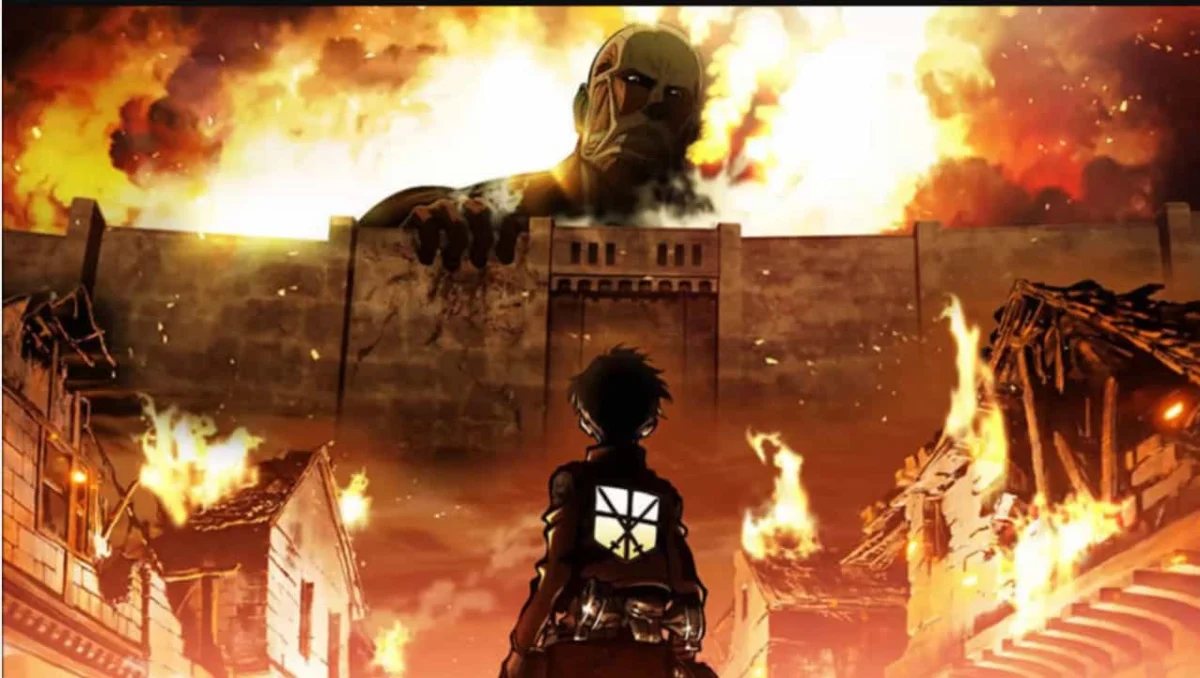
The genesis of Attack on Titan lies in Hajime Isayama’s vision, which first appeared as a manga in Kodansha’s Bessatsu Shonen Magazine in September 2009. The premise was immediately arresting: humanity confined behind colossal walls, perpetually under threat from monstrous, man-eating Titans. This stark, survival-driven narrative resonated deeply, propelling the manga to become a commercial success. Its transition to animation in 2013, spearheaded by Wit Studio, amplified its reach exponentially. The first season, in particular, was lauded for its visceral depiction of violence, its relentless pacing, and its ability to craft a world steeped in mystery and dread. The striking visual design of the Titans, coupled with the dynamic, gravity-defying action sequences enabled by the Omni-Directional Mobility (ODM) gear, captured the imagination of audiences worldwide, transcending the typical anime viewership.
A Narrative Evolution: From Survival to Sociopolitical Commentary
The narrative of Attack on Titan began with a deceptively simple yet compelling premise. Humanity’s remnants were forced to live within three concentric walls—Maria, Rose, and Sina—to protect themselves from the Titans, gargantuan humanoids with an insatiable appetite for human flesh and no discernible motive. The story centers on Eren Yeager, a young boy whose life is irrevocably shattered when a Colossal Titan breaches Wall Maria, leading to the brutal death of his mother and the destruction of his hometown. Fueled by an unyielding desire for vengeance and a fervent wish to eradicate every last Titan, Eren enlists in the military alongside his childhood companions, the stoic Mikasa Ackerman and the intelligent but physically frail Armin Arlert.
The initial arcs of the series masterfully establish its grim tone. The training sequences within the military introduce the core trio and their fellow cadets, highlighting their determination and the harsh realities of their world. The series unflinchingly portrays the brutal nature of Titan attacks, where characters are introduced, developed, and often dispatched with shocking speed, creating a pervasive sense of unpredictability and high stakes. This potent blend of thriller, horror, mystery, fantasy, and drama provides a rich tapestry for the unfolding narrative, with each revelation serving to deepen the world’s mysteries while simultaneously posing new and more complex questions.
As the story progressed, the scope of Attack on Titan broadened considerably. The second season began to unravel the secrets embedded within the walls themselves, suggesting that not all was as it seemed. The introduction of the Beast Titan and the earth-shattering revelations concerning Reiner Braun and Bertholdt Hoover marked a pivotal turning point. The narrative shifted from a straightforward battle for survival to a profound and often harrowing exploration of identity, betrayal, and the cyclical nature of conflict. The introduction of complex relationships, such as that between Ymir and Historia Reiss, added significant emotional depth, while the continuous loss of key characters profoundly impacted the psychological development of the survivors, forging a narrative that was as emotionally taxing as it was thrilling.
The Political Awakening and Shifting Perspectives
The third season of Attack on Titan represented a significant turning point, delving deeply into political intrigue and the darker aspects of human society. Divided into two distinct parts, this season illuminated the intricate power structures within the human world, exposing corruption, manipulation, and long-held secrets. The internal conflicts within the military, the clandestine machinations of the royal family, and the dramatic coup d’état orchestrated by Erwin Smith transformed the series into a compelling political thriller. This shift allowed for a more nuanced examination of characters like Levi Ackerman and Historia Reiss, exploring their motivations and their roles in the unfolding power struggles. Furthermore, this season delivered some of the most iconic and intense action sequences, most notably the monumental confrontation between Levi and the Beast Titan, a battle that pushed the boundaries of animation and storytelling.
The latter half of the third season returned to large-scale conflict with the climactic battle to retake Wall Maria. This arc masterfully blended raw emotional intensity with spectacular animation. Moments such as Armin Arlert’s pivotal sacrifice and the agonizing moral dilemma faced by the protagonists in choosing between saving Armin or Erwin highlighted the series’ unparalleled ability to intertwine personal drama with epic storytelling. These sequences not only showcased the technical prowess of the animation but also reinforced Attack on Titan’s status as a landmark achievement in the anime medium, a series that consistently challenged its audience with profound ethical questions.
A radical shift in perspective occurred with the advent of the final season, which introduced the nation of Marley and a vastly expanded geopolitical landscape. Set four years after the events of the previous season, this new era presented a world where humanity’s dominance was increasingly challenged by technological advancements and a complex web of inter-state relations. The narrative delved into profound themes of racism, colonialism, propaganda, and the devastating consequences of inherited hatred. Crucially, it began to explore the perspectives of characters previously depicted as antagonists, offering a more multifaceted and morally ambiguous portrayal of the conflict. This expanded scope was instrumental in deepening the narrative, revealing the motivations behind the actions of all parties involved. The depiction of refugees, systemic oppression, and the perpetuation of violence across generations transformed Attack on Titan into a complex sociopolitical drama. However, this increased complexity also introduced challenges, as the burgeoning number of plot threads and characters sometimes made the narrative feel dense and occasionally difficult to follow.
The Climax and Controversial Conclusions
The ultimate culmination of the story, particularly in "The Final Chapters" and "The Final Chapters Special 2" (collectively referred to as "The Last Attack" in some contexts), brought these multifaceted elements together in an apocalyptic confrontation. The Rumbling, an act of immense destructive power orchestrated by Eren Yeager, aimed to annihilate all humanity beyond Paradis Island. Colossal Titans, awakened from within the walls, marched across the globe, reducing entire civilizations to rubble. This cataclysmic scenario provided a dramatic backdrop for the final act, forcing former enemies to unite in a desperate bid to halt Eren’s genocidal plan.
At this juncture, the narrative became undeniably convoluted, and for many viewers, it strayed from the impactful trajectory established in earlier seasons. The attempt to portray Eren as a morally ambiguous figure, despite his genocidal actions, was a point of contention, with the narrative’s efforts to justify his motivations proving unconvincing for a segment of the audience. However, the inclusion of the parental figures of some protagonists, and their profound regret for setting their children on a path of revenge, added a compelling emotional layer. The series’ ultimately realistic portrayal of the cyclical nature of war and the enduring struggle for peace offered a form of closure, even if it did not entirely satisfy all expectations. This nuanced ending, while debated, underscored the series’ commitment to exploring the complex and often tragic realities of conflict.
Technical Prowess and Artistic Evolution
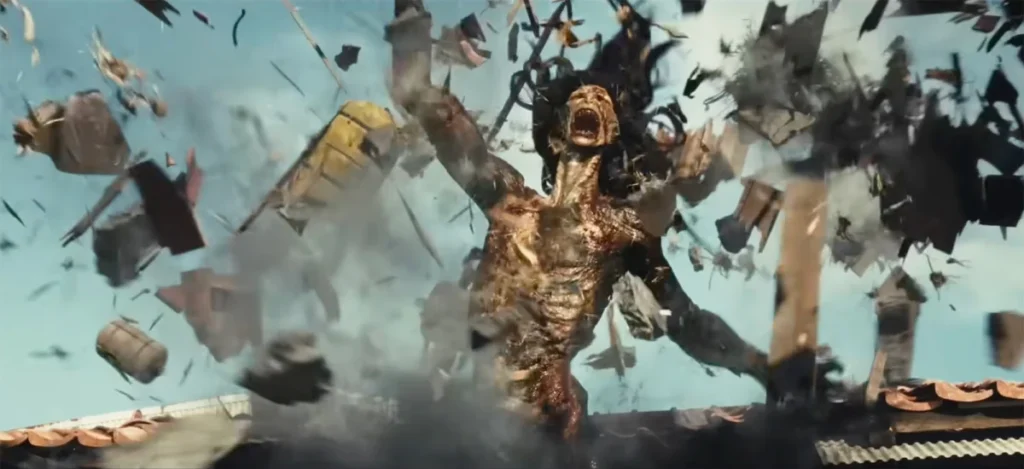
From a technical standpoint, Attack on Titan has consistently maintained an exceptional standard throughout its run. The early animation by Wit Studio was groundbreaking, particularly in its depiction of fluid, dynamic movement. The innovative use of the Omni-Directional Mobility (ODM) gear allowed for breathtaking sequences where characters appeared to soar through the air, creating some of the most exhilarating action scenes ever witnessed in anime. The brutality of the Titan attacks was rendered with striking detail, effectively combining grotesque imagery with seamless animation.
The transition to MAPPA for the final season brought a noticeable shift in the visual style. The animation studio adopted a darker color palette and a more grounded approach to character movement, reflecting the increasing seriousness and thematic weight of the narrative. While the integration of CGI in certain Titan sequences drew some criticism from fans, the overall quality remained remarkably high, especially in the depiction of large-scale battles. The animation consistently thrived on conveying the speed and intensity of combat, ensuring that both heroes and villains moved in a manner that emphasized chaos and visceral impact.
Character design also stands out as a significant strength. The early work by Kyoji Asano established a distinctive visual identity, particularly in the unsettling design of the Titans, whose human-like features were distorted into monstrous forms. Later, Tomohiro Kishi introduced sharper lines and more detailed character expressions, effectively conveying the aging of the characters and the darkening tone of the series. Although some designs in the final season led to minor criticisms regarding character differentiation, the overall level of detail and consistency remained impressive, particularly in distinguishing between major and minor figures.
The meticulously crafted backgrounds and environmental design further enriched the series’ immersive quality. The early medieval aesthetic, characterized by towering walls and rugged rural landscapes, gradually evolved into more industrialized and modern settings, particularly in the depiction of Marley. The widespread destruction wrought by the Rumbling was presented on an unprecedented scale, with entire cities reduced to ruins, powerfully reinforcing the narrative’s apocalyptic tone. The environmental artistry, both in terms of drawing and coloring, frequently reached its zenith in the aftermath of devastating battles, adding a profound visual resonance to the story.
The sound design and musical score played an indispensable role in shaping the viewer’s experience. The soundtrack, expertly composed by Hiroyuki Sawano and Kohta Yamamoto, masterfully blended orchestral grandeur with electronic influences, creating a powerful and unforgettable auditory landscape. The strategic use of silence in pivotal moments amplified tension, while the iconic opening and ending themes contributed significantly to the series’ unique identity and lasting appeal.
Enduring Legacy and Critical Reception
Despite its numerous strengths, Attack on Titan is not without its criticisms. The escalating complexity of the narrative in the later seasons, with its intricate plot twists and multifaceted character arcs, proved overwhelming for some viewers, with certain threads not always feeling fully developed. The pacing, particularly in the final arcs, could occasionally feel uneven, alternating between intense action and extended exposition. Furthermore, the decision to divide the final season into multiple parts, while perhaps a practical necessity, was criticized by some for disrupting the narrative flow and prolonging the conclusion.
Nevertheless, the emotional impact of the series remains undeniably potent. The pervasive theme of sacrifice, the agonizing moral dilemmas faced by the protagonists, and the profound exploration of universal themes such as freedom, revenge, and the inescapable cycle of violence ensured that Attack on Titan resonated on multiple levels with a vast global audience. Even when the narrative faced challenges, the enduring strength of its characters and the sheer intensity of its pivotal moments sustained audience engagement.
Attack on Titan stands as a monumental achievement in anime, a series that redefined the potential of the medium in terms of complex storytelling and thematic depth. Its journey, from a brutal survival narrative to an intricate examination of war, humanity, and the consequences of hatred, is both inspiring and, at times, profoundly unsettling. While the concluding chapters may not have satisfied every viewer’s specific expectations, they do not diminish the overall significance of this groundbreaking work. Ultimately, Attack on Titan is a title that can be appreciated for its ambition and its enduring legacy, even if its profound complexities are not always fully understood. Its commercial success is a testament to this, with the series achieving massive global popularity that extended far beyond traditional anime audiences, evidenced by extensive discourse surrounding its themes and continued commercial viability, such as the theatrical release of "Attack on Titan: The Last Attack," a compilation feature re-editing the final episodes. The series’ cultural penetration is undeniable, cementing its place as a defining work of 21st-century animation.