


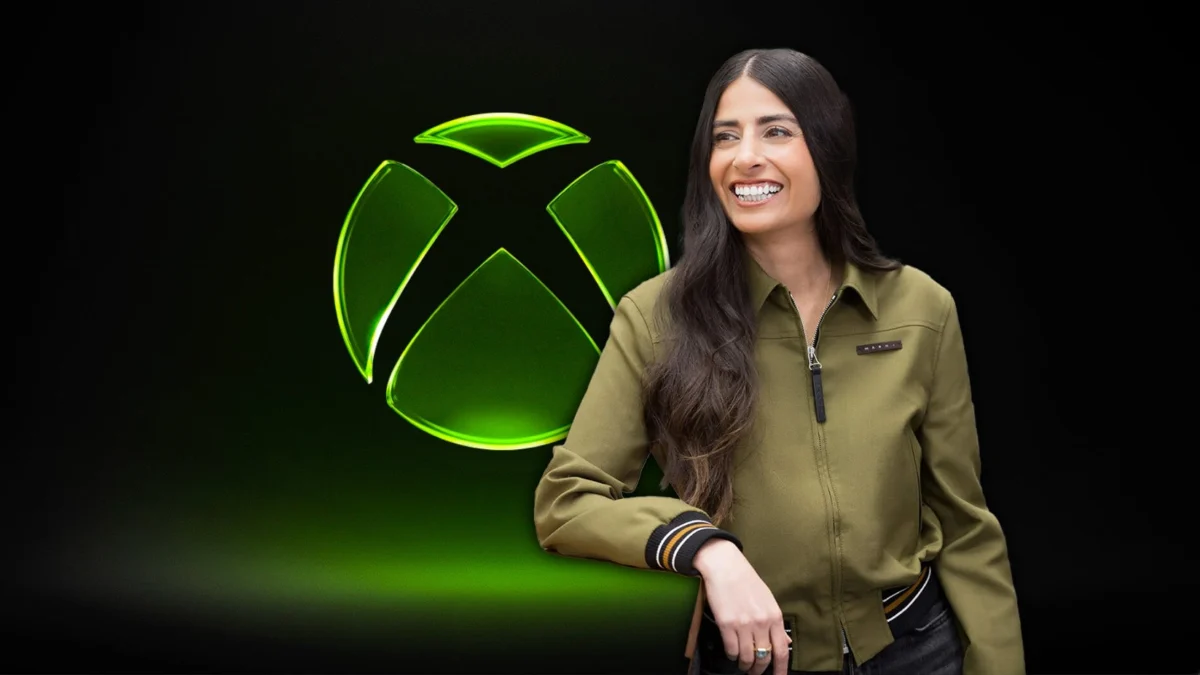
The leadership at Microsoft’s gaming division is currently navigating one of the most turbulent periods in the history of the Xbox brand. Following a series of aggressive corporate maneuvers, widespread workforce reductions, and the wholesale reassignment of legendary development houses, CEO Asha Sharma has officially addressed persistent industry speculation regarding the company’s future. Despite intense market chatter suggesting that Microsoft might be preparing to divest its gaming arm, Sharma has explicitly stated that Xbox is not for sale, reaffirming the division’s commitment to its long-term strategic partnership with its parent corporation.
A Period of Unprecedented Transformation
The current "reset" at Xbox represents a radical departure from the company’s previous strategy of massive studio acquisition and expansive portfolio growth. Under the current mandate, the organization is undergoing a structural overhaul intended to streamline operations and enhance profitability. By the summer of next year, the company is projected to have cut approximately 3,200 positions across its global workforce. This reduction in headcount is not merely a downsizing exercise; it is part of a larger business pivot that has seen the status of several high-profile studios fundamentally altered.
The scale of this transition is evident in the recent separation of several key developers. Studios that were once central pillars of the Xbox Game Studios ecosystem—including Double Fine, Compulsion Games, and Undead Labs—have transitioned into independent entities. This move has left the industry questioning the stability of remaining long-term projects and the internal security of legacy studios such as Ninja Theory and Arkane, both of which have faced uncertainty regarding their ongoing operational mandates.
The New Organizational Map: A Chronology of Consolidation
To understand the current state of Xbox, one must look at the seismic shift that occurred earlier this month. In a maneuver that consolidated power within the Activision-Blizzard wing of the organization, Microsoft transferred the stewardship of the flagship Halo series to Activision. This decision signals a departure from the traditional internal development model, effectively placing one of the most valuable intellectual properties in gaming under the oversight of the company responsible for the Call of Duty franchise.
The realignment did not stop there. World’s Edge and the legendary developer Rare have also been shifted under the Activision banner. Simultaneously, Obsidian Entertainment—known for its critical successes in the RPG genre—has been integrated into the Bethesda Softworks structure. These moves effectively hollow out the traditional "Xbox Game Studios" roster, leaving it as a leaner, more focused entity. Currently, the remaining primary internal studios include The Coalition, tasked with the Gears of War franchise; Playground Games, responsible for Forza and Fable; Mojang, the home of Minecraft; InXile Entertainment; and the newly reorganized Halo Studios.
Addressing the Speculation of a Buyout
For market analysts and industry observers, the rapid consolidation of assets into a few highly valuable hubs suggested that Microsoft might be "dressing up" the business for a potential sale. The logic, from a purely financial perspective, is that a smaller, more efficiently managed collection of studios—anchored by massive revenue-drivers like Call of Duty—is significantly easier to divest or spin off than a sprawling, disorganized conglomerate.
In an exclusive interview with The New York Times, CEO Asha Sharma sought to quell this narrative. "Xbox is not for sale," Sharma stated, putting an end to months of industry rumors. She framed the current restructuring not as a preparation for exit, but as a necessary evolution to ensure the division’s future viability. "We will do whatever it takes to set the company up for success, and we will look at the right partnerships, the right operating model, and everything needed to achieve that," she added.
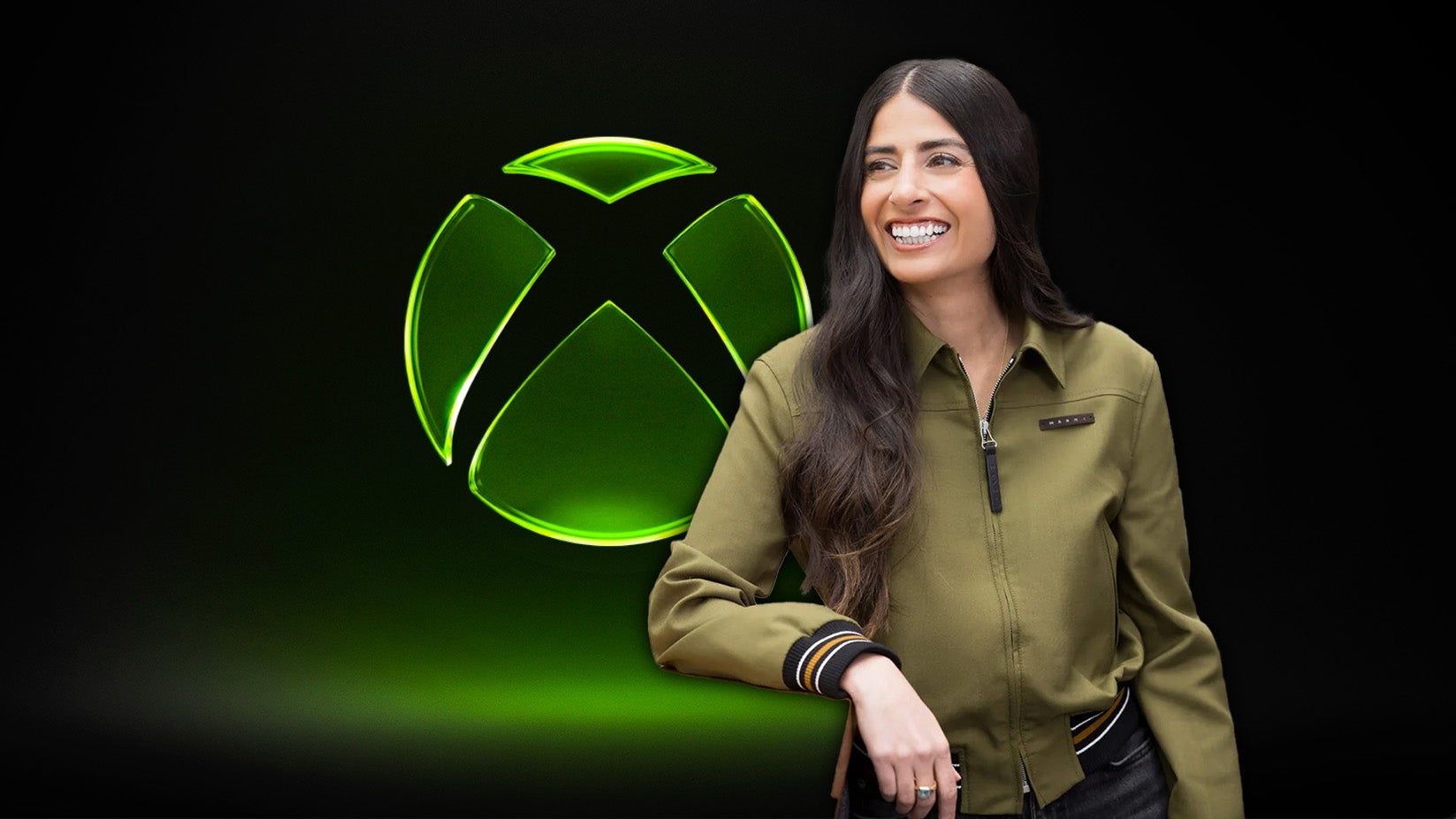
While this declaration offers a definitive "no" regarding a full buyout, it leaves the door open for alternative operational models. Analysts have noted that Sharma’s language does not preclude a scenario where Xbox could be spun off into a separate, publicly traded entity that maintains a deep, symbiotic relationship with Microsoft. However, as of now, there is no public indication that such a split is in the immediate pipeline. "We’ve got a long way to go with Microsoft," Sharma remarked, signaling a continued, albeit reformed, alignment.
Data-Driven Reality: The Cost of the Reset
The economic pressure behind these decisions is significant. Xbox has faced years of scrutiny over the return on investment (ROI) for its massive multi-billion dollar acquisitions, including the purchase of ZeniMax Media and the subsequent acquisition of Activision Blizzard. As the gaming market matures and the growth of subscription-based models like Game Pass hits a plateau, the pressure to demonstrate fiscal discipline has become paramount for Microsoft’s leadership.
The 3,200 job cuts represent a significant portion of the total workforce, impacting not only development teams but administrative, marketing, and support staff. When viewed alongside the loss of independence for studios like Compulsion and Double Fine, the total reduction in the company’s internal headcount is one of the largest in the history of the interactive entertainment industry. These numbers underscore the severity of the "reset" and the company’s focus on output efficiency over sheer volume.
Strategic Outlook: What Lies Ahead
Despite the internal turmoil, the company is attempting to maintain a positive public-facing trajectory. The coming months are critical for the brand’s reputation. The upcoming launch of Gears of War: E-Day and the highly anticipated Clockwork Revolution are seen as vital "proof of concept" titles that must succeed to maintain consumer confidence in the platform.
Furthermore, Sharma is looking toward external partnerships to fill the gaps created by internal studio divestments. The recent signing of a deal with Kojima Productions to develop Physint—an action-stealth title that was previously under threat after losing its funding from PlayStation—is a clear signal that Xbox intends to remain a major player in the high-budget, "AAA" publishing space. By securing such partnerships, Xbox hopes to leverage external creative talent to maintain its console-exclusive pipeline without the overhead costs of managing a massive internal studio network.
Broader Implications for the Industry
The implications of this restructuring reach far beyond Microsoft. The shift toward a leaner, more centralized gaming division reflects a broader trend in the tech industry, where companies are moving away from the "growth at any cost" mindset that defined the pandemic era.
If the strategy succeeds, it could serve as a template for other conglomerates looking to balance the high costs of game development with the realities of a fluctuating global economy. If it fails, it risks damaging the brand equity of some of the most storied franchises in gaming history. For now, the message from the top is clear: Xbox is staying the course under the Microsoft banner, and the current, painful transformation is viewed as the only path toward long-term sustainability.
As stakeholders watch the impact of these changes, the focus remains on whether these reorganized studios can deliver the high-quality experiences expected of the Xbox brand. With a revised structure, a new focus on strategic partnerships, and a firm denial of exit rumors, Asha Sharma has positioned herself as the architect of a new, leaner era for one of gaming’s most influential brands. Whether this "long-term view" translates into renewed dominance or a diminished presence in the living room remains to be seen.