


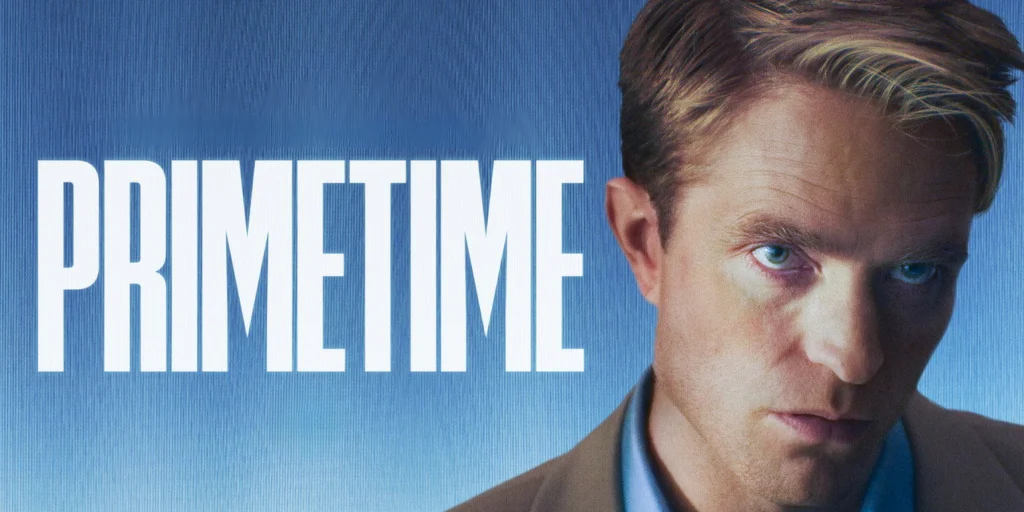
The release of Lance Oppenheim’s narrative feature debut, Primetime, marks a significant transition for the documentarian known for his stylized examinations of American life. The film, which recently held its world premiere at the 81st Venice International Film Festival, offers a dramatized exploration of the true-crime phenomenon that dominated television in the mid-2000s. Anchored by a transformative performance from Robert Pattinson as Chris Hansen, the film dissects the mechanics and the moral complexities surrounding the production of the NBC series To Catch a Predator. Joining the conversation regarding the film’s artistic merits and narrative structure are critics Ema Sasic, Dan Bayer, Megan Lachinski, Larry Fried, and Lauren LaMagna, who examine how Oppenheim adapts the source material—Luke Dittrich’s 2007 Esquire article, "Tonight on Dateline This Man Will Die"—into a feature-length cinematic experience.
The Evolution of a Cultural Phenomenon: From Esquire to Screen
The narrative of Primetime finds its roots in the investigative journalism of Luke Dittrich, whose 2007 piece for Esquire provided an unflinching look at the inner workings of To Catch a Predator. The television program, which aired between 2004 and 2007, was a cornerstone of NBC’s Dateline, utilizing sting operations to expose individuals attempting to solicit minors online. At its height, the show drew millions of viewers, sparking a national dialogue regarding the ethics of vigilantism, the role of media in law enforcement, and the legal implications of entrapment.
Oppenheim’s adaptation, written by Ajon Singh, shifts the focus from a purely journalistic recount to a character-driven psychological study. By centering the story on the production process of the reality series, the film interrogates the performative nature of justice. Robert Pattinson, tasked with portraying the recognizable persona of Chris Hansen, anchors a cast that includes Merritt Wever, Skyler Gisondo, and musician-turned-actress Phoebe Bridgers. The film’s reception in Venice has been marked by critical praise for its bold visual language and the depth of its central performances, suggesting that Oppenheim has successfully translated his documentary sensibilities into the realm of narrative fiction.
Chronology of Production and Development
The trajectory of Primetime began with the acquisition of the rights to the Dittrich article, a project that aimed to capitalize on the enduring cultural footprint of the original television series. Development proceeded through several stages, with the script by Ajon Singh aiming to balance the high-stakes tension of the sting operations with the personal toll taken on the production staff and the targets involved.
Following its debut at the Venice International Film Festival, the film has become a focal point of industry discussion regarding the ethical boundaries of biographical storytelling. The timeline of the production coincides with an era where the public interest in true-crime media has reached a saturation point. By revisiting a decade that predated the modern ubiquity of social media surveillance, the film offers a comparative look at how investigative television has shifted over the last twenty years. The technical crew, including the film’s cinematographers and editors, were tasked with recreating the distinct, grainy aesthetic of mid-2000s news broadcasting while maintaining a cinematic standard expected of a contemporary theatrical feature.
Analytical Perspectives: Performance and Direction
Critics have noted that Robert Pattinson’s performance in Primetime is a departure from his recent work in high-concept blockbusters. His portrayal of Chris Hansen is reportedly nuanced, focusing on the internal conflict of a man who becomes the face of a moral crusade. The supporting cast, particularly Merritt Wever and Skyler Gisondo, provides the necessary human stakes to ground the film’s procedural elements.

From an analytical standpoint, the collaboration between Oppenheim and cinematographer captures the claustrophobic nature of the sting houses. The editing process is crucial to the film’s success, as it must weave together the frenetic energy of the television production with the quiet, devastating consequences faced by those caught in the web of the show. The narrative does not shy away from the darker implications of To Catch a Predator, highlighting how the line between public service and exploitative entertainment often blurred during the show’s tenure on NBC.
The Broader Impact of True Crime Adaptation
The cinematic adaptation of real-world events inherently carries the burden of historical accuracy and ethical representation. In the case of Primetime, the film serves as a mirror to the societal obsession with punishing those who violate social taboos. The legacy of To Catch a Predator remains complex; while it was lauded by some as a deterrent to criminal behavior, it was simultaneously criticized by legal experts for potentially interfering with legitimate police investigations and relying on dubious entrapment tactics.
By dramatizing this history, Oppenheim invites the audience to reconsider the ethics of the media landscape in the 2000s. The film arrives at a time when the ethics of "victim-centered" programming are under increased scrutiny. The implication of the film is clear: the spectacle of justice can often overshadow the process of justice itself. Furthermore, the casting of prominent figures like Phoebe Bridgers suggests a desire to bridge the gap between traditional cinema and modern cultural relevance, ensuring that the film reaches a demographic that may not have been active viewers of the original broadcast.
Institutional Support and Public Discourse
The production and distribution of such a film rely heavily on the support of networks and critical discourse. The Next Best Picture podcast, which recently dedicated a full, spoiler-filled episode to the analysis of Primetime, serves as an example of the ongoing critical engagement with the project. The panel—comprised of journalists and film critics—highlights the importance of these deep-dive discussions in shaping the film’s legacy within the awards season circuit.
The podcast’s involvement underscores the trend of specialized media platforms contributing to the longevity of film discussions. By offering an in-depth breakdown of the writing, cinematography, and editorial decisions, these platforms provide context that enhances the viewer’s appreciation of the filmmaking process. For a debut feature like Primetime, this level of critical attention is vital for positioning the film within the broader narrative of the year’s most significant cinematic contributions.
Conclusion: A Significant Debut
Primetime stands as a testament to the versatility of Lance Oppenheim as a director. By transitioning from the documentary format to a narrative feature, he has retained his keen eye for the strange and the specific while embracing the tools of traditional storytelling. The film is not merely a retelling of a television show; it is an examination of the era that birthed such programs and the long-term effects on those who participated in them.
As the film moves into wider distribution, its impact will likely be measured by its ability to spark uncomfortable but necessary conversations about the intersection of media and justice. With strong performances and a script that dares to look behind the curtain of one of the most controversial series in television history, Primetime is a notable addition to the 2024 film landscape. Whether it will be remembered as a definitive statement on the subject remains to be seen, but the film has undeniably succeeded in reigniting interest in the complex, often dark, history of the mid-2000s reality television boom. The ongoing analysis from critical voices ensures that the dialogue surrounding the film’s narrative choices will continue long after the initial buzz of its Venice premiere fades, cementing its place as a significant, albeit challenging, piece of modern cinema.