


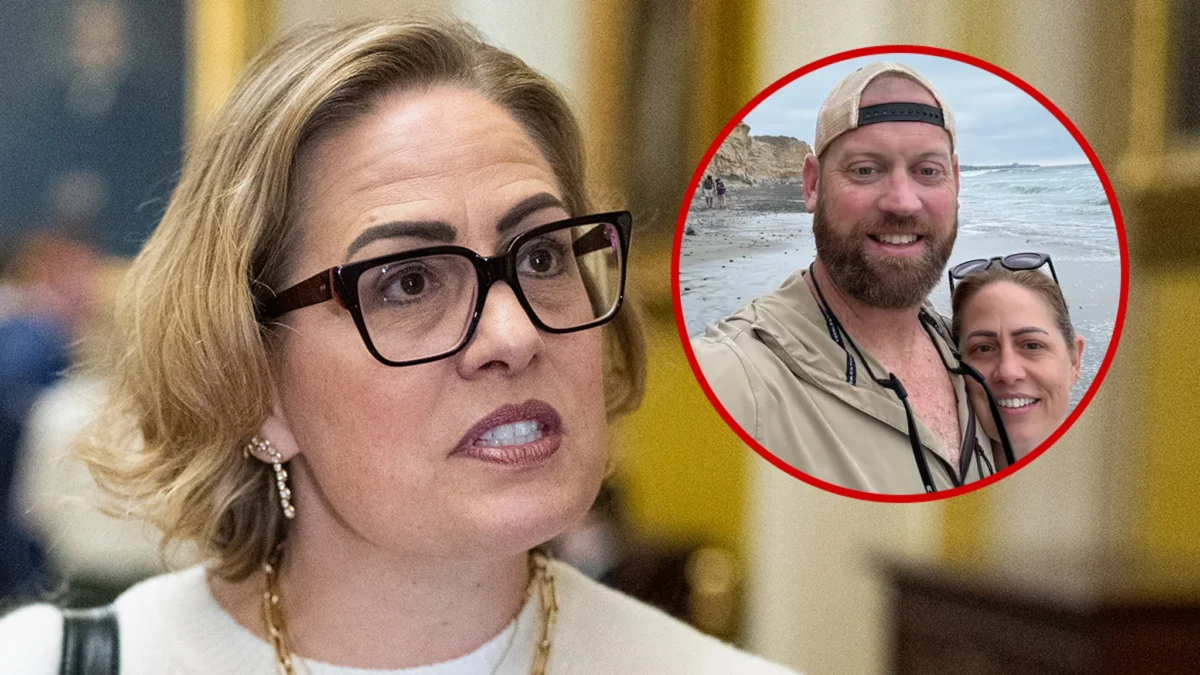
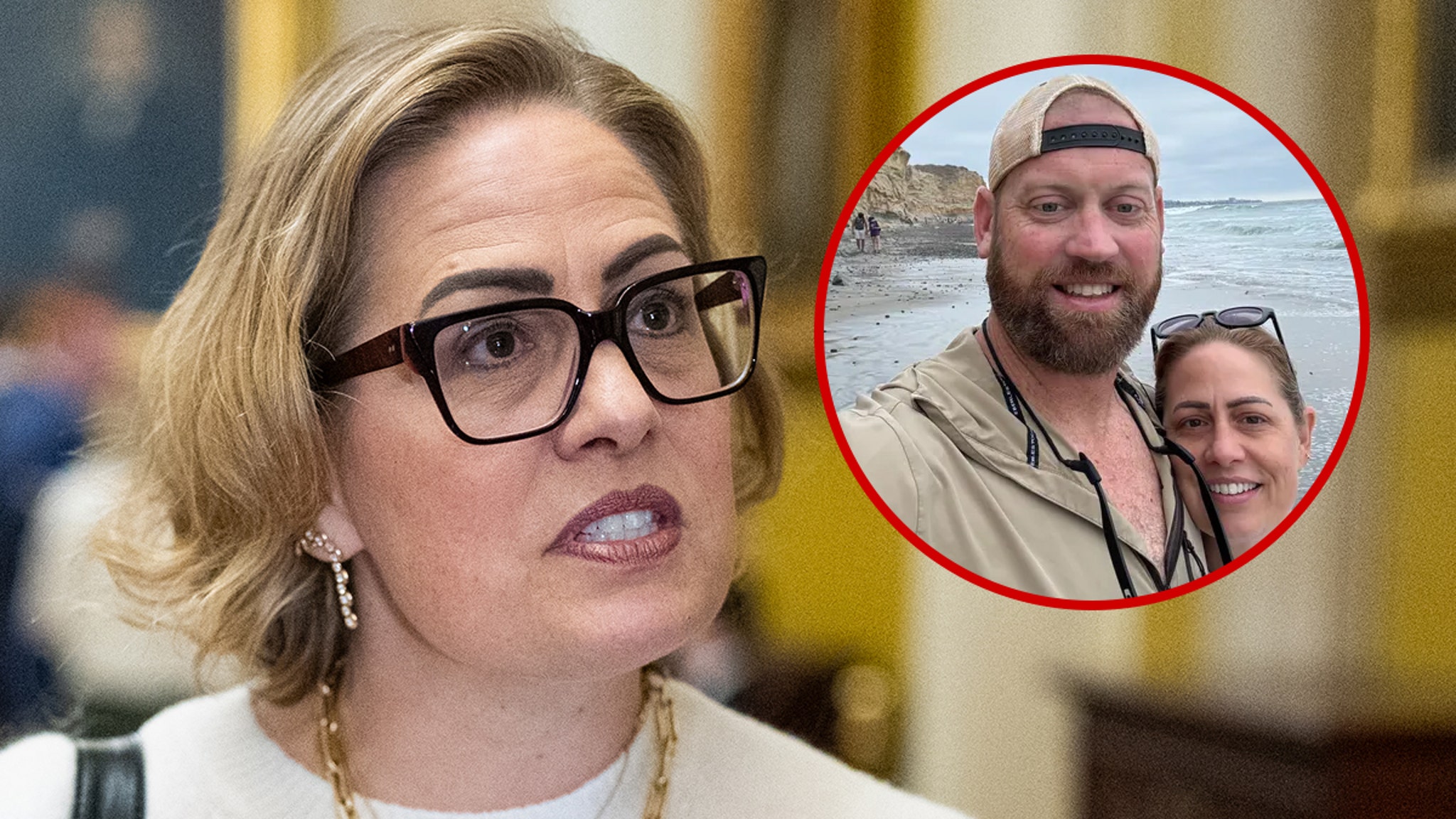
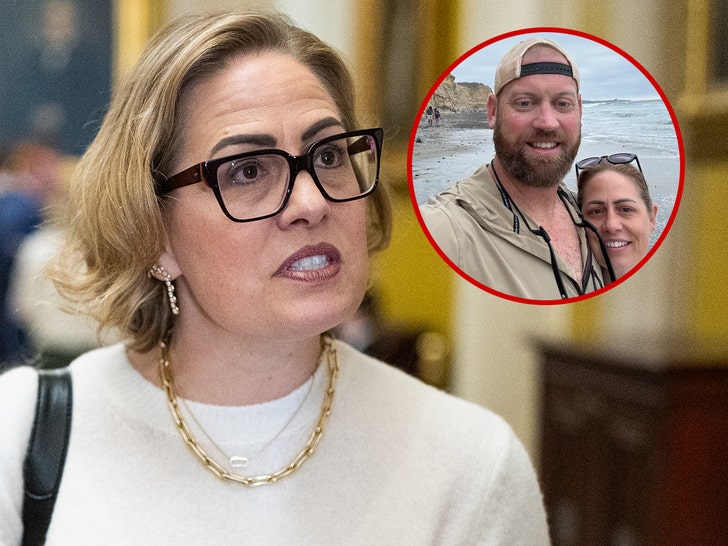
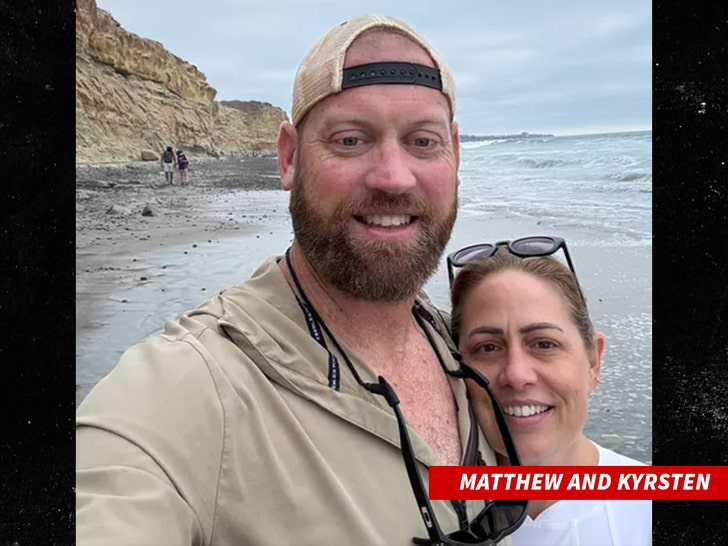
The tumultuous personal life of former United States Senator Kyrsten Sinema has spilled over into a high-stakes criminal and political controversy following the arrest and subsequent public statements of her ex-boyfriend, Matthew Ammel. In a candid and volatile interview, Ammel detailed the sequence of events that led to a destructive, alcohol-fueled outburst at the former lawmaker’s Cave Creek, Arizona, property. The incident, which resulted in the destruction of dozens of valuable artworks and thousands of dollars in property damage, has drawn intense public scrutiny, blending high-profile political connections, military trauma, global geopolitical anxieties, and a burgeoning legal battle.
According to law enforcement and judicial filings, the domestic dispute culminated in Ammel tossing 22 of Sinema’s paintings directly into her swimming pool. The total financial toll of the vandalism is staggering, with authorities estimating the value of the ruined artwork alone at $123,015. Factoring in additional damage inflicted across the residential property, the overall cost of the destruction has been pegged at approximately $200,000. As a direct consequence of his actions, Ammel has been formally charged with felony aggravated criminal damage, setting the stage for a contentious courtroom showdown.
A Breakdown of the Incident and Ammel’s Motivations
The confrontation unfolded while Sinema was away in Phoenix, leaving Ammel residing at her Cave Creek home. Ammel, who previously worked as a bodyguard before entering into a relationship with the independent politician, admitted to consuming alcohol on the night of the incident—a habit he claims is entirely out of character.
Speaking with regional journalists at AZ Central, Ammel attempted to contextualize his explosive behavior, attributing the rampage to a deep-seated frustration with the American political apparatus, foreign policy decisions, and the rapid, unregulated integration of artificial intelligence into government and corporate sectors.
"I was pissed at the system, and I took it out on her art," Ammel stated during the interview. "The American people have no idea how fucked up our government is and, like, what our politicians spend their time doing."
Investigators and close associates indicate that the immediate catalyst for the argument and subsequent destruction was a digital dispute. Ammel reportedly sought to pressure Sinema into using her formidable political network and public platform to amplify a controversial video. The footage in question allegedly depicted U.S. soldiers treating a wounded individual in Iraq—a conflict zone central to Ammel’s personal background and perspective. When Sinema allegedly refused to share or post the video, and as tensions mounted regarding his desire for her to leverage her influence for advocacy rather than personal financial gain, the argument escalated.
"I was trying to get her to come back home, or to do something, or to use her connections for good instead of to make money," Ammel explained. "I was just going through it, and I don’t usually drink, and I got drunk, and I destroyed some of her paintings." In addition to the ruined canvases, expensive bottles of liquor were reportedly hurled into the pool during the rampage. Despite the severity of his actions and the looming felony charges, Ammel defended his mental state, asserting to reporters, "I’m not a bad guy. I’m not crazy. I’m just really smart, and I’ve seen behind the curtains."
Broader Context: Geopolitics, Artificial Intelligence, and Political Entanglements
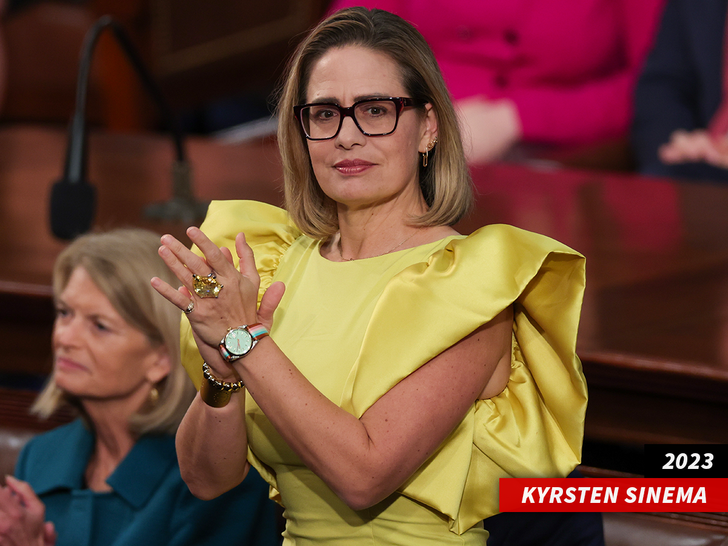
The bizarre episode brings renewed attention to Kyrsten Sinema’s post-senatorial endeavors, particularly her high-profile involvement with artificial intelligence technology. During and after her tenure in Congress, Sinema has been a vocal proponent of technological innovation, prominently touting the capabilities of artificial intelligence and helping establish a dedicated AI center at Arizona State University.
To critics and activists—and, as evidenced by his statements, to Ammel himself—the intersection of political figures, defense industry ties, and emerging technologies like artificial intelligence represents a troubling nexus of power and profit. Ammel’s reference to the war in Gaza and American foreign policy points to a broader disillusionment felt by individuals intimately familiar with military and political circles, though law enforcement and legal experts emphasize that ideological grievances do not shield an individual from criminal liability for property destruction.
Compounding the political and personal fallout, Sinema’s relationship with Ammel has drawn additional legal complications. The former senator is currently named in a "homewrecker" lawsuit filed by Ammel’s ex-wife. While legal proceedings unfold regarding that civil matter, public records and statements indicate that while Sinema was aware Ammel was married, she maintained that she had no knowledge that he was still actively cohabitating with his wife when their romantic relationship initially commenced.
Chronology of Events
- Initial Relationship and Integration: Kyrsten Sinema and Matthew Ammel, a former bodyguard, enter into a romantic relationship, which later becomes entangled in civil litigation involving Ammel’s divorce proceedings.
- Post-Senate Ventures: Sinema focuses on public speaking, private ventures, and technology advocacy, notably helping to pioneer an artificial intelligence center at Arizona State University.
- The Escalation: While Sinema is in Phoenix, Ammel stays at her Cave Creek property. A dispute arises over a video depicting U.S. military operations in Iraq, which Ammel demands Sinema post online to leverage her political influence.
- The Vandalism: Amid mounting frustration over government policies, the war in Gaza, and political corruption, a heavily intoxicated Ammel throws 22 of Sinema’s paintings and expensive liquor bottles into the swimming pool.
- Law Enforcement Intervention: Authorities assess the property damage, calculating the ruined artwork at $123,015 and overall property damage at approximately $200,000. Ammel is subsequently arrested and charged with felony aggravated criminal damage.
- Public Statements and Legal Proceedings: Ammel speaks openly to media outlets regarding his motivations and frustrations with the political system, while ongoing legal and civil battles continue to envelop all parties involved.
Fact-Based Analysis of Implications
The case of State v. Ammel serves as a high-profile intersection of private domestic turmoil and public-sector scrutiny. From a legal standpoint, the destruction of property valued in the hundreds of thousands of dollars guarantees serious judicial consequences, far exceeding the threshold for felony-level property crimes in Arizona. Felony aggravated criminal damage carries significant prison exposure, and the public nature of the victims and perpetrators ensures continuous media coverage as the case proceeds toward trial or plea negotiations.
Politically, the incident provides fresh fodder for critics of Washington insiders and politicians transitioning into lucrative post-political careers involving emerging tech sectors like AI. While Sinema has largely stepped back from the electoral spotlight following her decision not to seek re-election, her personal life remains a fixture of public fascination. The juxtaposition of sophisticated technological advocacy with chaotic domestic destruction highlights the unpredictable human elements operating behind the scenes of high-level American governance.
As the legal system processes Matthew Ammel for his self-admitted role in the destruction of the Cave Creek art collection, the broader questions raised by the incident—regarding political accountability, military trauma, and the personal cost of proximity to power—will continue to resonate across both local Arizona news and national headlines.