
The highly anticipated orchestral performance featuring the music of the critically acclaimed Hades series, titled Ballads of the Underworld, has been released in its entirety for global viewing. This concert, which celebrates the unique sonic identity of the Supergiant Games franchise, serves as a significant milestone in the intersection of independent game development and live musical performance. The release allows fans who were unable to attend the live show in London to experience the full production, which highlights the collaborative efforts between game composers and professional orchestral musicians.
A Masterclass in Game Music Orchestration
The performance features the London Mozart Players, a world-renowned ensemble that provided the symphonic foundation for the evening. Under the expert baton of conductor and co-composer Austin Wintory, the orchestra brought the intricate, adrenaline-fueled, and often melancholic compositions of Darren Korb to life. Wintory, a veteran in the video game music industry known for his work on titles such as Journey and Banner Saga, provided the necessary arrangements to elevate Korb’s original electronic-folk fusion into a grand, sweeping orchestral format.
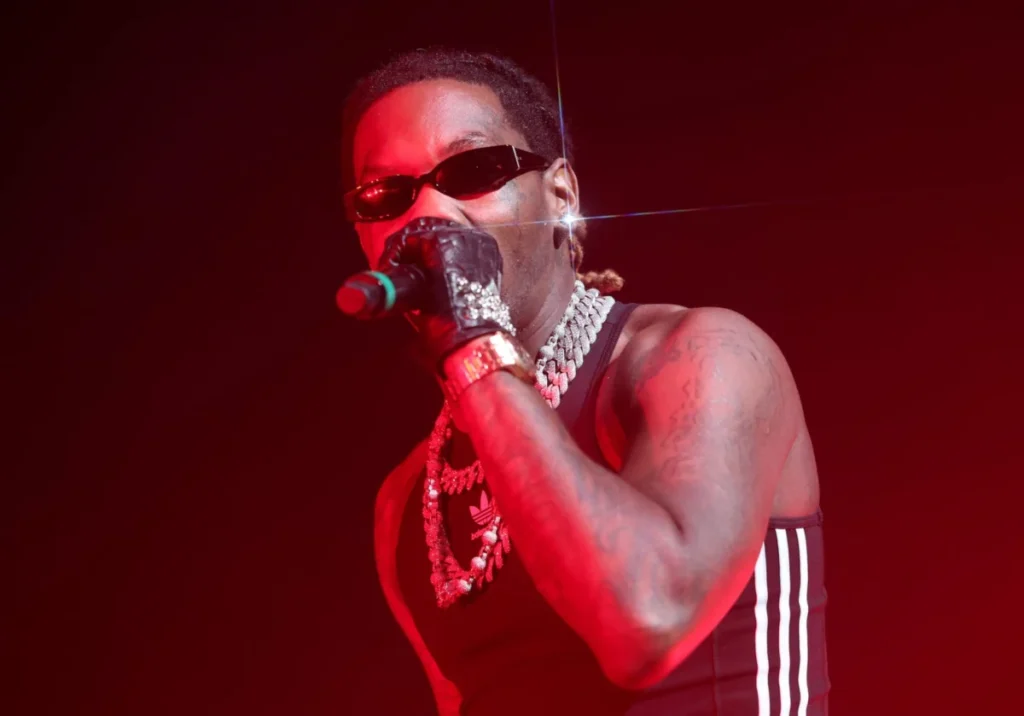
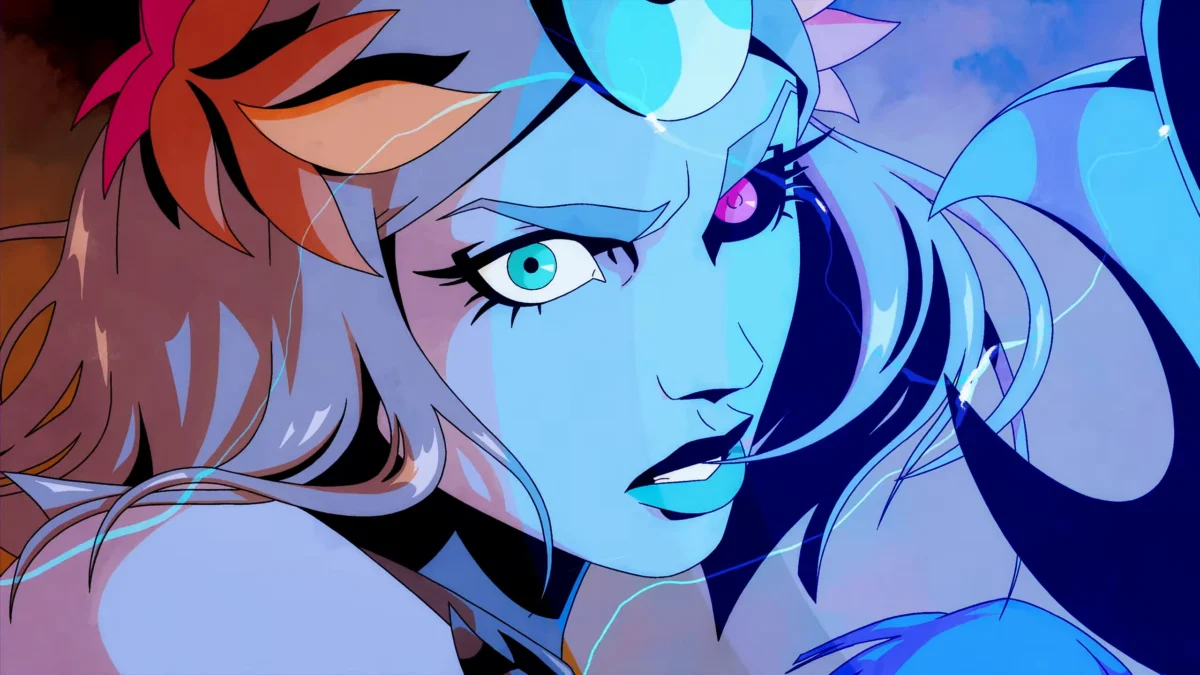
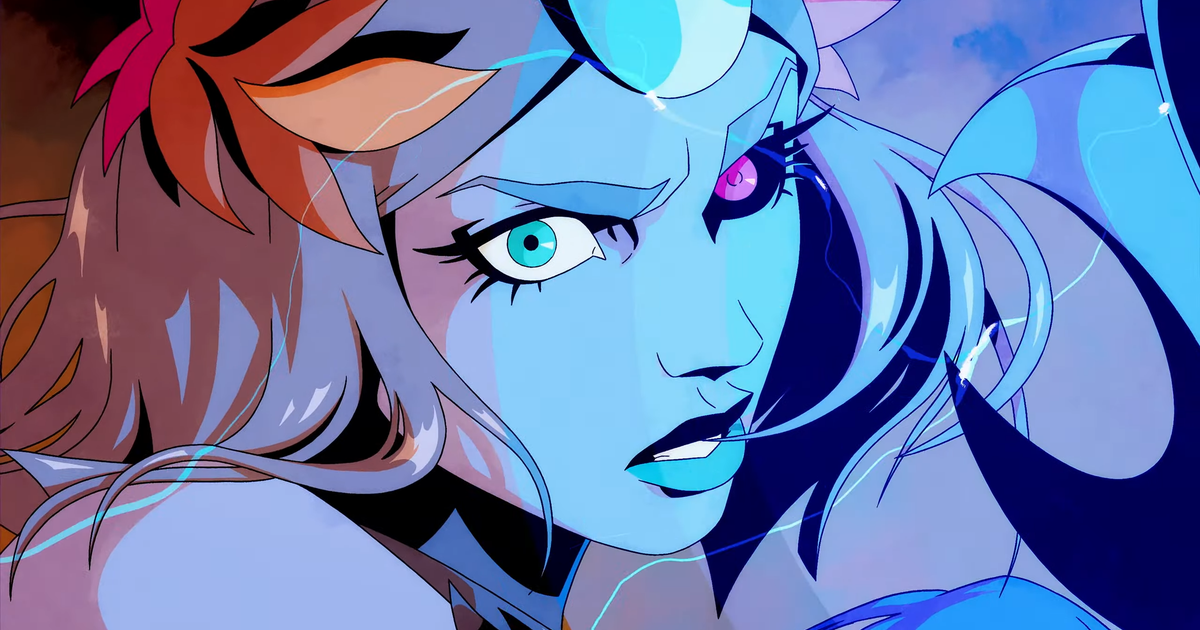
The production was not merely an instrumental affair; it featured a robust lineup of vocalists who have become synonymous with the characters of the Underworld. Judy Alice Lee, the voice of Melinoë, took to the stage to deliver haunting renditions of the game’s core themes. She was joined by Erin Yvette, known for her portrayal of Scylla, and Colin Ryan, who provided the voice for Apollo. Darren Korb, the lead composer for Supergiant Games, and vocalist Ashley Barrett also performed, offering fans a rare opportunity to hear the architects of the Hades soundscape perform their work in a live, unamplified setting.
The Evolution of the Hades Sound
To understand the significance of this concert, one must look at the trajectory of the Hades series. Since the initial release of the first title in early access in 2018, the music has been cited as a primary pillar of the game’s success. Korb’s signature style—characterized by Mediterranean instrumentation, heavy percussion, and driving electric guitars—created a distinct aesthetic that helped differentiate the series in a crowded roguelike market.
The transition from the digital compositions found in the game to a live orchestral performance is a complex undertaking. In a typical studio environment, Korb layers tracks to create a dense, textured sound. Translating these layers for a live orchestra required a delicate balance of maintaining the raw energy of the original tracks while ensuring the acoustic instruments could capture the emotional nuance of the character-driven songs. The success of this transition is evidenced by the setlist, which spans the most iconic tracks from both Hades and its successor, Hades II.
Chronology of the Production
The journey of Ballads of the Underworld began as a celebration of the series’ cultural impact. Following the release of Hades II into early access, Supergiant Games sought a way to commemorate the music that defined the franchise. The live performance in London served as a focal point for this initiative, drawing in fans and industry professionals alike.
- 2018-2020: Development of the original Hades soundtrack, establishing the "Mediterranean-inspired" soundscape.
- 2023: Initial discussions regarding an orchestral tribute to the music of the Underworld.
- 2024: Production planning, including the coordination with the London Mozart Players and the scheduling of vocalists.
- 2025: The live performance took place, followed by an extensive post-production phase to ensure high-fidelity audio and video quality for the online release.
- September 2025: The official full-length recording of the concert was made available for free via YouTube.
Technical Analysis and Musical Highlights
The concert is divided into a series of movements, each meticulously curated to reflect the narrative arc of the Hades universe. Highlights include the opening piece, "Moonlight Guide Us," which sets the tone for the evening’s themes of fate and struggle. The inclusion of "I am Gonna Claw (Out Your Eyes Then Drown You to Death)" provides a stark contrast to the more somber tracks, showcasing the versatility of the ensemble.
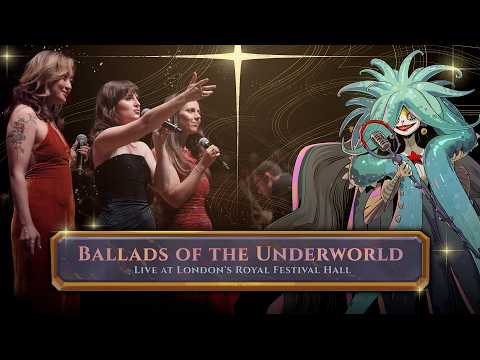
From a production standpoint, the recording captures the dynamic range of the orchestra, moving from the delicate, intimate passages of the soloists to the thunderous crescendos of the full ensemble. The vocal performances, particularly Colin Ryan’s rendition of "Fated Glory," demonstrate the technical demand placed on the singers, who must navigate complex melodies while maintaining the character voices established in the source material.
Broader Impact: The Rise of Game Music
The availability of such high-quality recordings signals a broader shift in how game music is perceived by the public. Historically relegated to the background of interactive experiences, game scores are increasingly being treated as independent works of art. Performances like Ballads of the Underworld help legitimize the genre in the eyes of traditional music critics and concert-goers.
Data from the industry suggests that interest in video game music concerts has surged over the past five years. Orchestral tours featuring music from franchises like Final Fantasy, The Legend of Zelda, and now Hades, consistently sell out venues globally. This trend has encouraged developers to invest more heavily in their sound design, recognizing that high-quality, memorable music is a primary driver of player retention and brand loyalty.
Noclip and the Development of Hades II
Beyond the musical celebration, the spotlight on Supergiant Games has intensified with the release of a new documentary series by Noclip. This series provides an in-depth look at the development of Hades II, offering viewers a transparent look at the challenges of creating a sequel to a genre-defining title.

The documentary covers the team’s iterative design process, the implementation of new gameplay mechanics, and the creative pressures of living up to the critical acclaim of the original game. As Supergiant Games continues to refine Hades II during its early access period, the studio has remained relatively quiet regarding long-term future projects. The release of the documentary and the concert footage provides fans with a steady stream of content, maintaining momentum for the studio as it navigates the final stages of the sequel’s development cycle.
Future Implications for Supergiant Games
As Supergiant Games shifts focus toward the post-launch lifecycle of Hades II, the studio faces the challenge of maintaining the high standards set by its previous output. The reception of the orchestral concert and the ongoing interest in the development documentary indicate that the company has cultivated a highly engaged audience that values the artistic process as much as the final product.
While no new projects have been formally announced, the studio’s track record—consistently producing high-quality, narrative-driven titles—suggests that their next venture will be met with significant industry anticipation. For now, the release of the concert video stands as a testament to the studio’s commitment to its craft, proving that even after a game has been released, its influence continues to resonate through community-focused initiatives and artistic celebrations.
The full concert is currently available for viewing on the official Supergiant Games YouTube channel, providing a comprehensive look at one of the most ambitious musical projects in recent gaming history.