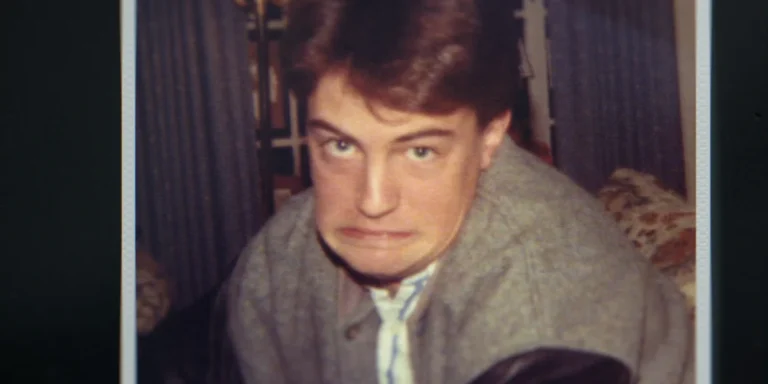



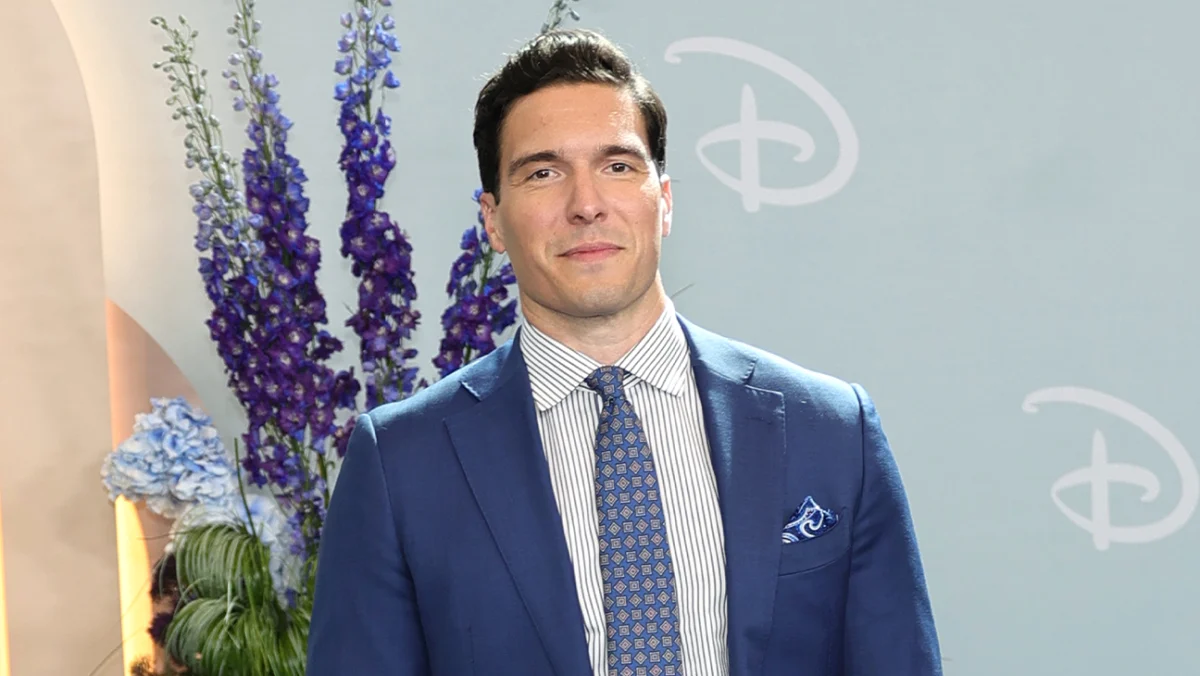
Will Reeve, a prominent correspondent and anchor for ABC’s Good Morning America and the son of the late legendary actor Christopher Reeve, has publicly disclosed his diagnosis and subsequent treatment for testicular cancer. His revelation, shared in an exclusive interview, serves not only as a personal health update but as a broader call to action regarding the importance of early detection and proactive medical vigilance. As of his most recent clinical evaluation on September 8, Reeve has been declared cancer-free, marking the conclusion of a rigorous medical journey that began earlier this spring.
The Chronology of a Medical Challenge
The timeline of Reeve’s diagnosis began in April, when he discovered a physical abnormality—a tender lump on one of his testicles—during a routine shower. Initially inclined to dismiss the finding as a minor, transient issue, Reeve was prompted to seek professional medical advice following the encouragement of his wife, Amanda Dubin Reeve. Her insistence on a clinical examination led to an ultrasound, which confirmed the presence of malignancy.
Following the initial diagnosis, the medical team moved with urgency. In May, Reeve underwent an orchiectomy, a standard surgical intervention for testicular cancer that involves the removal of the affected testicle. While the procedure was successful in addressing the primary site, subsequent staging and diagnostic testing revealed that the malignancy had metastasized to the lymph nodes within his abdomen.
This development necessitated a more invasive course of action. In June, Reeve underwent a complex, six-hour surgical procedure to excise the affected lymph nodes. This was followed by two cycles of chemotherapy, a grueling regimen that concluded at the end of July. Throughout this period, Reeve balanced his professional commitments with the physical and psychological toll of cancer treatment, ultimately receiving a clean bill of health following his follow-up scans in early September.
Contextualizing the Legacy of Resilience
For many, the Reeve family name is inextricably linked to narratives of extraordinary resilience in the face of medical adversity. Will Reeve’s father, Christopher Reeve, became a global symbol of hope and disability advocacy after a 1995 horse-riding accident left him paralyzed from the neck down. Christopher Reeve died in 2004 at the age of 52. Just two years later, in 2006, Will’s mother, Dana Reeve, passed away at the age of 44 following a battle with lung cancer.
Reflecting on his upbringing, Will Reeve noted the profound influence his parents had on his perspective toward adversity. Watching them repurpose their personal struggles into public advocacy provided him with a template for handling his own health crisis. He acknowledged the historical weight of the situation, particularly the irony of receiving treatment at Memorial Sloan Kettering—the same facility where his mother was treated two decades prior.
"I was raised to share one’s struggles if, in doing so, that might help others," Reeve explained. This philosophy guided his decision to disclose his diagnosis. He observed that while he has witnessed significant tragedy throughout his life, this was the first time he was forced to navigate such a serious health event as an individual patient, rather than a family member observing from the sidelines.
Understanding Testicular Cancer: Data and Clinical Standards
Testicular cancer remains one of the most treatable forms of malignancy, provided it is detected in its early stages. According to the American Cancer Society, the average age of diagnosis for testicular cancer is approximately 33, making it a condition that predominantly affects younger men.
The survival rate for testicular cancer is among the highest of all cancer types; when the cancer is localized, the five-year relative survival rate is approximately 99%. Even in cases where the cancer has spread to regional lymph nodes, the prognosis remains highly favorable with appropriate surgical and pharmacological interventions. However, these statistics underscore the importance of the "watchful waiting" approach versus early screening.
Medical professionals generally advise that men perform regular self-examinations to monitor for lumps, swelling, or changes in the texture of the testicles. The case of Will Reeve serves as a clinical example of the "gold standard" path of care: detection through self-examination, confirmation via ultrasound, surgical excision (orchiectomy), and, if necessary, chemotherapy or radiation for metastatic involvement.
The Role of Support Systems and Healthcare Advocacy
A significant component of Reeve’s recovery, as he has emphasized, was the presence of a robust support system. He highlighted the pivotal role played by his wife, Amanda, whose role as a caregiver echoed the dedication his mother provided to his father years ago. Furthermore, Reeve credited his professional environment at ABC News for providing the stability and support necessary to manage his responsibilities while undergoing treatment.
In the medical community, the involvement of family members in the treatment process is often cited as a critical factor in patient outcomes. Caregivers, such as spouses, not only assist with the logistics of appointments and symptom management but also provide essential emotional support that can mitigate the anxiety associated with a cancer diagnosis. Reeve’s public acknowledgement of this support underscores the necessity of a community-based approach to chronic and acute health battles.
Implications for Public Health Awareness
The disclosure by a high-profile figure like Will Reeve has broader implications for public health communication. Historically, testicular cancer has been subject to a certain degree of social stigma, which can sometimes lead to delays in seeking medical attention. By speaking openly about his experience, Reeve contributes to the normalization of the conversation around male reproductive health.
Public health experts suggest that celebrity health disclosures—often referred to as the "Angelina Jolie effect" or similar phenomena—can lead to measurable spikes in medical screenings and doctor visits. By sharing the details of his "flaming hoops"—the surgery, the chemotherapy, and the mental strain—Reeve is effectively demystifying the patient experience. His message that the outcome "could have been much worse had I ignored it or delayed going to the doctor" serves as a direct, actionable piece of advice for the public.
Future Outlook and Monitoring
Although Reeve has been declared cancer-free, his medical journey is far from over in terms of clinical oversight. Standard protocol for patients who have been treated for testicular cancer involves a rigorous follow-up schedule. For the foreseeable future, Reeve will undergo periodic blood work and imaging scans—typically three to four times a year—to ensure there is no recurrence.
This surveillance period is standard practice in oncology, designed to catch any potential resurgence of the disease at the earliest possible moment. It represents a shift from active treatment to "survivorship," a phase in the medical journey that focuses on long-term health maintenance and the management of any potential late effects of treatment.
Reeve’s transition back to his professional duties at Good Morning America serves as a testament to his recovery. His return to the public eye, now with the added dimension of being a cancer survivor, allows him to continue his career while serving as a spokesperson for the necessity of regular health screenings. As he moves forward, his narrative remains one of cautious optimism, grounded in the reality of the medical hurdles he has overcome and the importance of being an active participant in one’s own health management.
By choosing to be transparent about his diagnosis, surgery, and chemotherapy, Will Reeve has transformed a private ordeal into a public health lesson. His story reaffirms the efficacy of modern medical science while underscoring the timeless importance of vigilance, early detection, and the support of a loving network.