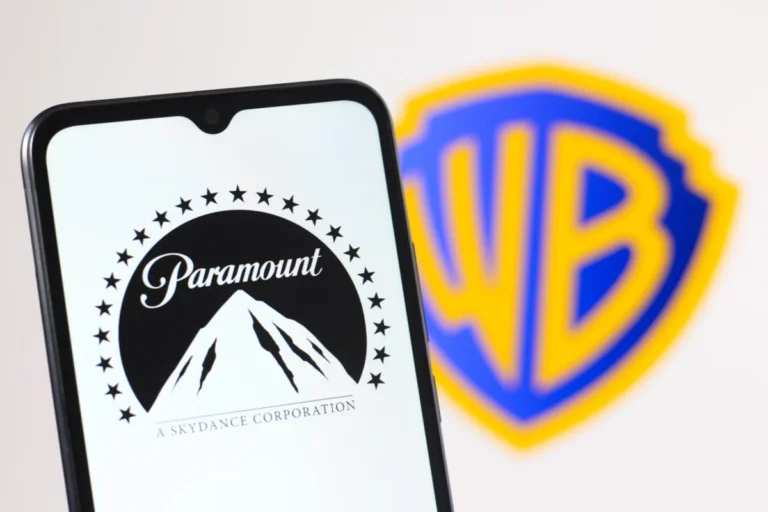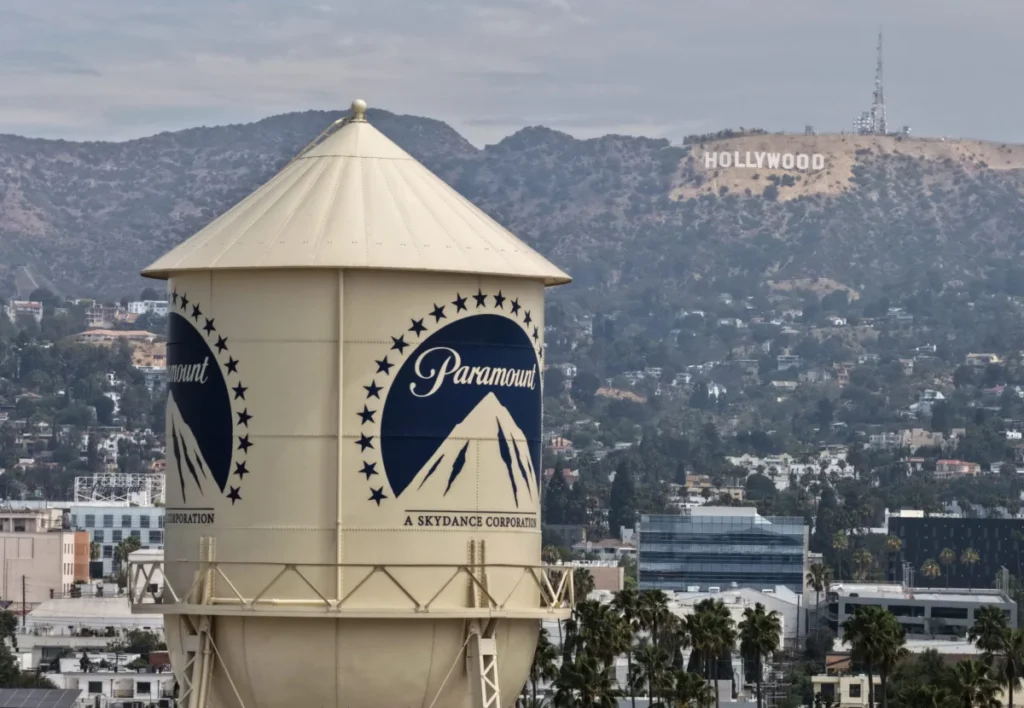
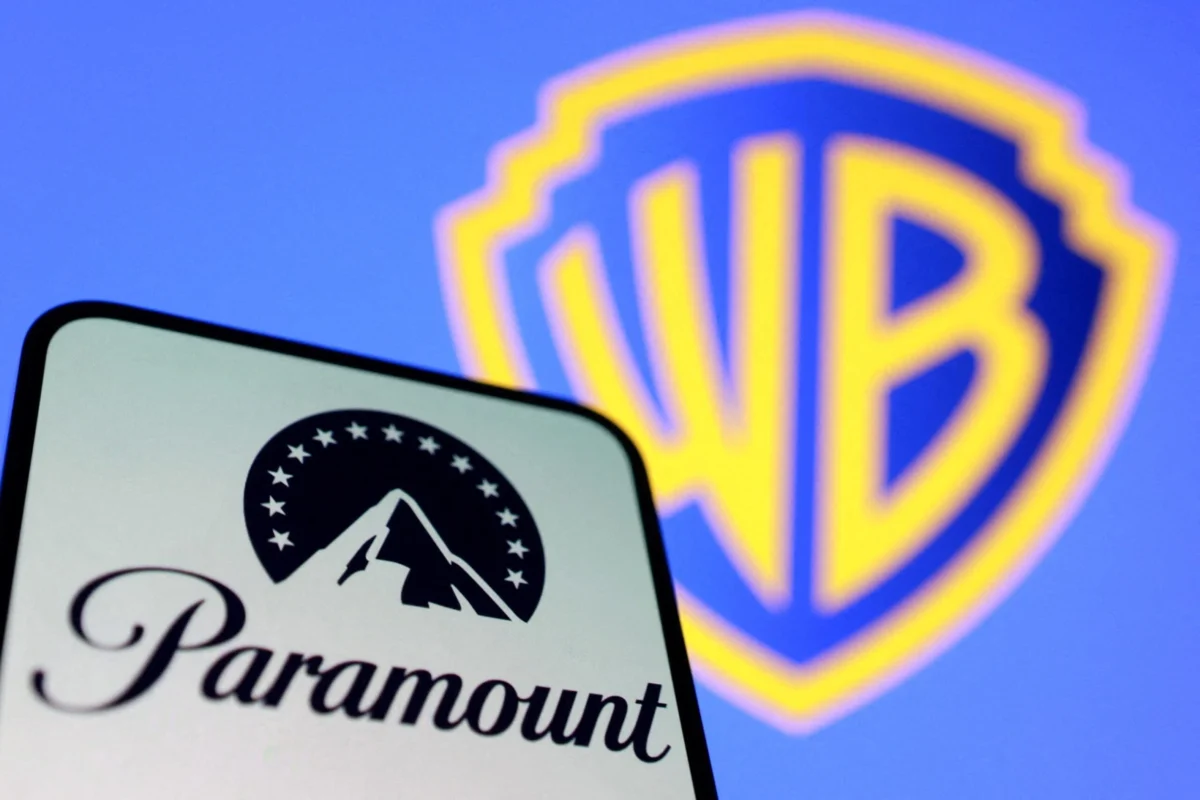
Representatives from Paramount Skydance are scheduled to meet with the California Attorney General’s office this Monday to initiate a critical dialogue aimed at potentially settling the antitrust litigation currently threatening to dismantle the proposed acquisition of Warner Bros. Discovery. This pivotal encounter, as reported by The New York Times, represents a significant shift in strategy for a deal that has faced mounting regulatory scrutiny and legal gridlock since its inception.
The potential merger, a monumental $110 billion consolidation of two pillars of the American entertainment industry, has become the focal point of a broader national debate over corporate concentration in media. While the transaction has already secured clearance from federal authorities in the United States and the European Commission, a coalition of 12 state attorneys general, led by California, remains the primary hurdle to completion.
The Landscape of Legal Opposition
The legal challenge, which was formally initiated in July, rests on the assertion that the union of Paramount and Warner Bros. Discovery would create an anticompetitive behemoth. The complaint argues that the merger would combine major film studios and dominant streaming platforms—Paramount+ and HBO Max—effectively centralizing control over a vast share of U.S. television networks.
California Attorney General Rob Bonta has been particularly vocal regarding the implications of the deal. In his public remarks, Bonta has framed the litigation as a necessary defense against market monopolization that could lead to higher subscription prices, reduced quality of content, and a chilling effect on competition within the film and television production sectors. According to Bonta, the current structure of the deal poses risks not only to consumers on their couches but also to movie theater operators and cable distributors who rely on a diverse marketplace to thrive.
Growing Pressure for Resolution
The urgency behind Monday’s meeting is fueled by a confluence of political and industry pressure. In recent weeks, high-profile figures, including California Governor Gavin Newsom and Los Angeles Mayor Karen Bass, have publicly advocated for a settlement. The Directors’ Guild of America has also added its voice to the chorus, expressing concerns over the long-term viability of the industry if such a massive consolidation proceeds without adequate protections for labor and creative competition.
Despite the high-level endorsements for a settlement, participants involved in the process remain cautious. Sources familiar with the matter have emphasized that there is no guarantee these talks will result in a breakthrough. Attorney General Bonta has been explicit in his requirements: any productive negotiation must include "robust structural remedies." He has criticized Paramount’s past attempts at communication, characterizing them as evasive. According to Bonta, prior discussions were marred by Paramount’s focus on tangential issues—such as the foreign regulatory landscape or the specific status of CNN—rather than addressing the three core markets identified in the state’s antitrust complaint.
A Chronology of the Mega-Merger
The path to this moment has been marked by significant milestones and delays:
- Initial Announcement: The $110 billion merger was proposed to combine the historic assets of Paramount and Warner Bros. Discovery, aiming to create a dominant player in the streaming and linear TV landscape.
- June 2026: The U.S. Department of Justice’s antitrust division cleared the deal, signaling that the federal government found the consolidation permissible under current antitrust frameworks.
- July 2026: European regulators granted their approval, further isolating the remaining domestic opposition.
- July 2026: A coalition of 12 state attorneys general, spearheaded by California, filed a lawsuit to block the deal, citing concerns over market dominance.
- Late July 2026: Paramount agreed to delay the acquisition, effectively pushing the timeline for completion into 2027 to accommodate the looming trial date scheduled for March.
Financial Stakes and Ticking Fees
The economic implications of the delay are substantial for all parties involved. Paramount faces significant financial penalties should the deal remain in limbo or fall apart. Under the terms of the merger agreement, if the transaction is not finalized by September 30, Paramount is obligated to pay a "ticking fee" to Warner Bros. Discovery shareholders. This fee is estimated at approximately $650 million per quarter, a cost that places immense pressure on Paramount’s leadership to reach a settlement quickly. Furthermore, should the entire acquisition be terminated due to regulatory failure, a $7 billion breakup fee would be triggered, creating a massive liability for Paramount.
The Impact on the Entertainment Ecosystem
The skepticism surrounding the merger is not limited to state regulators. Labor unions, including the Writers Guild of America, have voiced significant concerns regarding the potential for widespread job losses. The concentration of assets, they argue, inevitably leads to the streamlining of operations, which often results in the cutting of creative and administrative staff.
Analysts observing the media sector point out that the Paramount-WBD merger is a litmus test for the "Streaming Era." As traditional media companies struggle to pivot from linear cable revenue to profitable streaming models, they have increasingly looked to mergers as a survival mechanism. However, this strategy is now colliding with a more aggressive antitrust environment that prioritizes consumer choice and labor stability over corporate synergy.
Structural Remedies: The Path Forward?
For a settlement to be viable, legal experts suggest that Paramount and Warner Bros. Discovery may need to offer significant concessions. These could include:
- Divestiture of Assets: Selling off certain cable networks or production arms to maintain market competition in specific regions or genres.
- Streaming Access Guarantees: Implementing agreements to ensure that the merged entity does not engage in "bundling" that effectively forces consumers into high-cost packages while excluding smaller competitors.
- Employment Commitments: Providing legally binding guarantees regarding workforce retention for a set period post-merger to mitigate the concerns raised by the Writers Guild and other labor organizations.
Attorney General Bonta’s insistence on addressing the specific markets mentioned in the complaint suggests that he is looking for more than just a public relations gesture. He has explicitly stated that he prefers to resolve disputes in the boardroom, provided that the opposing party is willing to negotiate in good faith. Whether Paramount is prepared to offer the structural changes required to satisfy these demands remains the primary question as the two sides prepare to meet.
The Future of the Trial
The court date in March 2027 looms as a hard deadline. If a settlement is not reached, the case will proceed to trial, where the burden of proof will shift toward the legal arguments of the state coalition. A protracted courtroom battle carries the risk of further depressing shareholder value and complicating the long-term operational strategy of both companies.
As the industry watches, the meeting on Monday serves as a critical juncture. The outcome will likely determine whether the largest media merger in recent history proceeds in a modified form, collapses under the weight of its own legal challenges, or sets a new, difficult precedent for future industry consolidation. For now, the stakeholders remain in a tense standoff, balancing the prospect of a transformative business deal against the rising tide of regulatory intervention.