


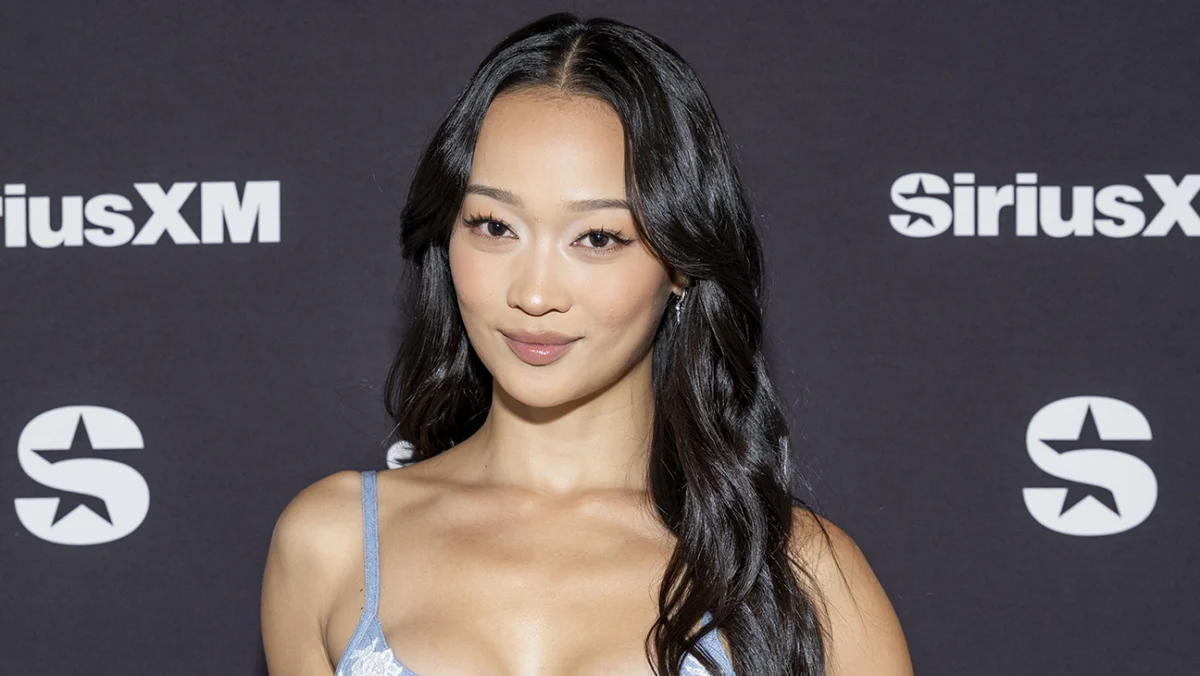
The cinematic adaptation of the legendary Capcom franchise Street Fighter has officially arrived in theaters, bringing with it a highly publicized performance from rising star Callina Liang. Cast as the franchise’s most recognizable female character, Chun-Li, Liang faced immediate scrutiny from a fan base protective of the character’s legacy. The transition from indie darling—known for her nuanced work in Steven Soderbergh’s Presence and J.C. Lee’s Bad Genius—to a global action lead required more than just acting acumen; it demanded a physical metamorphosis that has since become a central talking point of the production.
The casting of Liang initially sparked debate among long-time fans who questioned whether her frame matched the powerful, kick-centric design of the Interpol agent. Rather than distancing herself from the discourse, Liang embraced the feedback as a catalyst for her preparation. "A lot of the comments I read online motivated me even more to prove them wrong," Liang stated during a recent press engagement. "I agree that, physically, where I started wasn’t where I would ideally want Chun-Li to be. There’s always room for growth."

The Anatomy of a Transformation
Liang’s preparation for the role involved a two-month intensive regimen designed to match the character’s formidable athletic profile. The transformation was not merely aesthetic; it required the functional strength necessary to perform high-level martial arts choreography. Her routine included daily stunt training, consistent weightlifting sessions, and a hyper-caloric diet that saw her consuming 12 eggs per day to support muscle growth.
The result was a reported increase of nearly three inches in the circumference of her thighs, a physical change so pronounced that the production’s wardrobe and stunt teams had to adjust accordingly. Her stunt double was required to wear specialized padding to maintain visual continuity with Liang’s evolving physique throughout the filming schedule. This level of dedication highlights the shift in modern action filmmaking, where physical authenticity is prioritized to satisfy the demands of legacy-franchise audiences.
Creative Hurdles and Studio Oversight
The production process for Street Fighter was defined by a complex dialogue between director Kitao Sakurai and the intellectual property holders at Capcom. A significant point of contention involved a scripted scene in which Chun-Li was intended to prove her loyalty to the antagonist M. Bison by sacrificing a finger. The concept, intended to demonstrate the high stakes of her undercover infiltration of the Shadaloo organization, was ultimately rejected by the studio.

Industry analysts note that this hesitation mirrors the challenges faced by the creative team behind the John Wick franchise. In John Wick: Chapter 3 – Parabellum, Keanu Reeves’ character performed a similar act of fealty, which necessitated years of complex post-production work to account for the missing digit in every subsequent film. Capcom’s decision to replace the amputation with a ritualistic hand-branding served as a compromise that maintained the narrative tension without creating long-term continuity issues for potential sequels or spin-offs. "If she had no pinky for the rest of the potential series, it would be deforming the character in a way," Liang observed.
Behind the Scenes: A Chaotic Production Environment
The set of Street Fighter was noted for its unconventional composition, featuring a diverse ensemble that included professional wrestlers Roman Reigns and Cody Rhodes, country musician Orville Peck, and actor David Dastmalchian as M. Bison. This eclectic mix of talent contributed to a high-energy, albeit occasionally chaotic, work environment.
Liang described the experience as a "rambunctious carnival," where the blending of different professional backgrounds—from the comedic timing of Eric André to the physical presence of WWE superstars—created a unique production dynamic. Despite the chaotic atmosphere, the professional stakes remained high. The film’s narrative follows Chun-Li’s infiltration of Shadaloo to avenge her father, while simultaneously tracking the tournament machinations of Ryu and Ken Masters.

Deleted Moments and Narrative Choices
The film’s final cut does not include every scene captured during principal photography. One notable omission was a confrontation between Chun-Li and Ken Masters (Noah Centineo), which originally featured a physical slap. During chemistry reads and subsequent filming, Liang and Centineo opted for a raw, un-simulated interaction to heighten the tension of the scene. While the moment was deemed effective during testing, it did not make the final edit.
Furthermore, the film features a notable homage to the 1994 Street Fighter adaptation—the "Tuesday" line delivered by Raul Julia—which David Dastmalchian reprised with significant impact. This acknowledgment of the franchise’s history, alongside an Easter egg referencing the iconic shower scene from the 1994 animated film, serves to anchor the current production within the broader Street Fighter cultural timeline.
Strategic Implications and Future Outlook
The decision to focus the narrative primarily on Chun-Li’s mission to infiltrate Shadaloo rather than concluding the conflict with M. Bison suggests a long-term strategic plan by Legendary Pictures and Paramount. By leaving the primary antagonist undefeated, the production team has established a narrative thread that necessitates a sequel.

The broader impact of this film on the video-game-to-film pipeline cannot be understated. As studios continue to invest heavily in established gaming properties, the success of Street Fighter will likely be measured by its ability to balance fan expectations with creative freedom. The positive critical response to Liang’s performance, coupled with the film’s adherence to the source material’s aesthetic, positions it as a viable entry point for a multi-film franchise.
The Evolution of the Character Arc
Reflecting on the emotional weight of her character, Liang noted that Chun-Li’s development is inextricably linked to her vendetta. The question of who the character becomes after the mission is completed remains a central theme for future development. "Whenever I went into my scenes with Bison in this film, I had to tap into this weird mental state of hating him so much, but finding comfort in knowing exactly what Chun-Li needed to do," Liang explained.
As the film moves into its theatrical run, the focus shifts from the production challenges to the audience response. With a solid foundation established through the character’s physical transformation and the careful navigation of source material, the Street Fighter franchise appears poised for a sustained presence in the current landscape of action cinema. The combination of high-stakes choreography, deep-cut references to the series’ history, and a commitment to character-driven storytelling provides a template for future adaptations in an increasingly crowded genre.

In the final assessment, the film serves as both an introduction to a new iteration of these characters and a bridge to the complex, multifaceted world that Capcom has cultivated over decades. For Liang, the experience has been a masterclass in the demands of modern blockbuster filmmaking, setting a high standard for her future projects and cementing her place as a versatile talent capable of navigating the rigors of high-profile action roles.