

In a move that signals a seismic shift in the global entertainment landscape, shareholders of Warner Bros. Discovery (WBD) have formally issued their preliminary approval for a merger with Paramount Skydance. The vote, conducted on Thursday, represents a critical milestone in a high-stakes acquisition process that has captivated Wall Street and Hollywood for months. The deal, valued at $31 per share, positions Paramount Skydance to take control of a massive media portfolio that includes iconic cable networks such as CNN, TNT, and Discovery Channel, alongside the storied Warner Bros. film studio and the HBO Max streaming platform. This approval brings the industry one step closer to the formation of a consolidated media titan designed to compete more effectively against dominant tech-led streaming giants.
The path to this shareholder vote was defined by a volatile bidding war and complex negotiations that began in late 2024. Paramount’s successful bid emerged from a competitive field that initially included heavyweights such as Netflix and Comcast. By late February, the valuation of Warner Bros. Discovery reached a tipping point when Paramount increased its offer to the $31-per-share mark. This aggressive pricing ultimately forced Netflix to withdraw its interest in WBD’s studio and streaming assets, as the cost of acquisition exceeded the strategic threshold for the streaming leader. The transaction is now slated for a final close in the third quarter of the year, pending the necessary approvals from federal regulators who will scrutinize the deal for potential antitrust implications.
A Chronology of the Bidding War and Transaction Milestones
The merger did not materialize overnight but was the culmination of a multi-stage auction process that underscored the increasing value of legacy content libraries in the streaming era. The timeline of the acquisition reveals a narrative of strategic maneuvering:
- September: Initial reports surfaced indicating that Warner Bros. Discovery was exploring strategic alternatives, including a potential sale or merger of its core assets. Early interest was signaled by several media conglomerates looking to bolster their content depth.
- Late Autumn: Comcast and Netflix entered the fray, with Netflix specifically eyeing the Warner Bros. film library and the HBO Max subscriber base to solidify its market lead.
- January: Paramount Skydance emerged as a frontrunner, leveraging a combination of equity and debt syndication to back its multi-billion-dollar proposal.
- February 26: Paramount increased its offer to $31 per share. This "superior proposal" led Netflix to officially walk away from the table, citing the prohibitive cost of outbidding the Paramount-Skydance consortium.
- Thursday: WBD shareholders met to cast their preliminary votes. While the merger itself received overwhelming support, the meeting also highlighted significant internal friction regarding executive compensation.
To secure the deal, Paramount Skydance agreed to substantial financial safeguards. The agreement includes a $7 billion breakup fee, a sum intended to compensate WBD should the merger fail to pass regulatory muster. Furthermore, Paramount assumed the responsibility of paying a $2.8 billion termination fee that WBD owed to Netflix following the collapse of their prior tentative agreements. These figures reflect the high level of confidence Paramount has in the eventual approval of the merger.
Financial Architecture and Asset Integration
The financial structure of the deal is as complex as the assets it covers. At $31 per share, the acquisition represents a significant premium over the company’s recent trading price, a factor that proxy advisory firms cited when recommending the deal to investors. Institutional Shareholder Services (ISS), a leading voice in corporate governance, noted that the cash consideration provides immediate liquidity and certainty of value in an otherwise volatile media market.
The combined entity will possess an unparalleled collection of intellectual property and distribution channels. The integration plan focuses on three primary pillars:
- Linear Television and News: The merger brings CNN, the global news leader, and TNT, a powerhouse for live sports—including NBA and NHL rights—under the same umbrella as Paramount’s existing broadcast and cable assets.
- The Studio Engine: Warner Bros. Pictures, a century-old studio with franchises like DC Comics, Harry Potter, and Dune, will be paired with Skydance’s modern production capabilities, which have recently produced hits like Top Gun: Maverick.
- The Streaming Evolution: The primary goal of the merger is to achieve scale in the "streaming wars." By combining the libraries of HBO Max and Paramount’s digital offerings, the new company aims to reduce churn and increase the average revenue per user (ARPU) through a more diverse content catalog that appeals to a broader demographic.
The Executive Compensation Controversy and the Golden Parachute
Despite the broad support for the merger’s strategic merits, the shareholder meeting was marked by a notable dissent regarding executive payouts. Shareholders voted against the proposed "golden parachute" compensation packages for WBD’s top brass, most notably CEO David Zaslav. Zaslav’s exit package, valued at more than $800 million, has become a lightning rod for criticism amid a broader industry trend of cost-cutting and layoffs.
The package includes approximately $500 million in stock awards and a controversial $335 million "excise tax gross-up." This gross-up is a provision where the company pays the taxes owed by the executive on their severance, effectively ensuring the executive receives the full net value of the payout. This specific tax rule, rooted in 1980s legislation intended to curb excessive CEO pay, has paradoxically led many corporations to cover those very taxes for their outgoing leaders.
While the shareholder vote on compensation is non-binding, it serves as a powerful symbolic rebuke. ISS had previously advised against the payouts, citing the disconnect between the massive executive rewards and the actual performance of the company’s stock over the past several years. Nevertheless, because the vote does not carry legal weight to block the contracts, the payments to Zaslav and other executives are expected to proceed as planned upon the closing of the deal.
Official Reactions and Strategic Vision
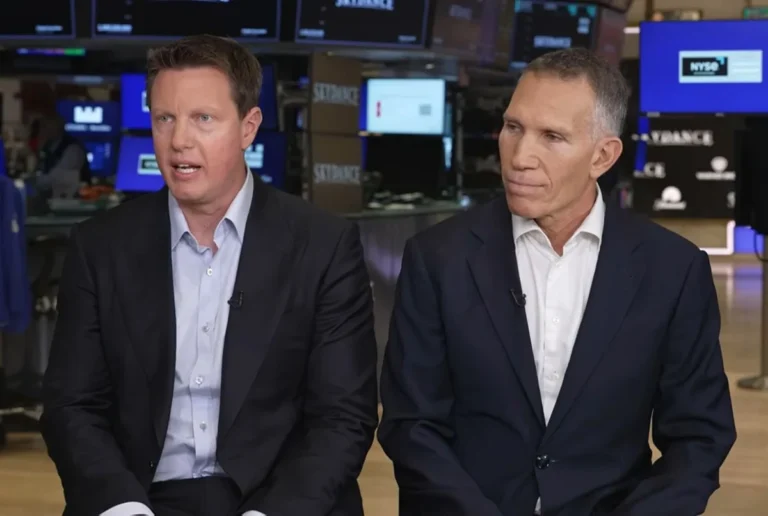
Leadership from both organizations expressed optimism following the vote, framing the merger as a necessary evolution for survival in a tech-dominated era. David Zaslav, who has overseen a period of aggressive debt reduction and restructuring at WBD, characterized the vote as a validation of the company’s transformation.
"Over the past four years, our teams have transformed Warner Bros. Discovery and returned the company to industry leadership," Zaslav stated. "Today’s stockholder approval is another key milestone toward completing this historic transaction that will deliver exceptional value to our stockholders."
Paramount issued a matching sentiment, emphasizing the creation of a "next-generation media and entertainment company." The company highlighted that its successful equity and debt syndications are already in place, suggesting that the financial foundation of the new entity is secure. The statement also noted that the merger would "better serve both the creative community and consumers," likely a nod to concerns from Hollywood guilds about further consolidation reducing the number of buyers for original content.
Broader Implications for the Media Industry
The WBD-Paramount Skydance merger is expected to trigger a fresh wave of consolidation across the media sector. Analysts suggest that as the "Big Three"—Disney, Netflix, and now the WBD-Paramount entity—solidify their hold on the market, smaller players may be forced to seek their own alliances or face obsolescence.
The deal also highlights the precarious state of linear television. By bundling declining cable networks with high-growth streaming assets, the new company is attempting to use the cash flow from traditional TV to fund the expensive transition to digital. However, the $7 billion breakup fee underscores the significant regulatory risk involved. The current federal administration has shown a heightened willingness to challenge large-scale mergers that could limit consumer choice or lead to higher subscription prices.
As the third-quarter closing date approaches, the industry will be watching closely for any signals from the Department of Justice or the Federal Trade Commission. If the deal is finalized, it will represent one of the largest media unions in history, forever altering the trajectory of some of the world’s most recognizable brands. For now, the shareholder approval stands as the most significant hurdle cleared to date, setting the stage for a final transformation of the Warner Bros. and Paramount legacies into a single, unified force in global entertainment.