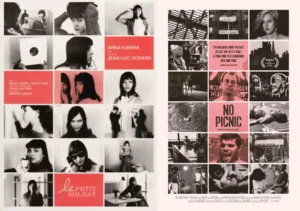

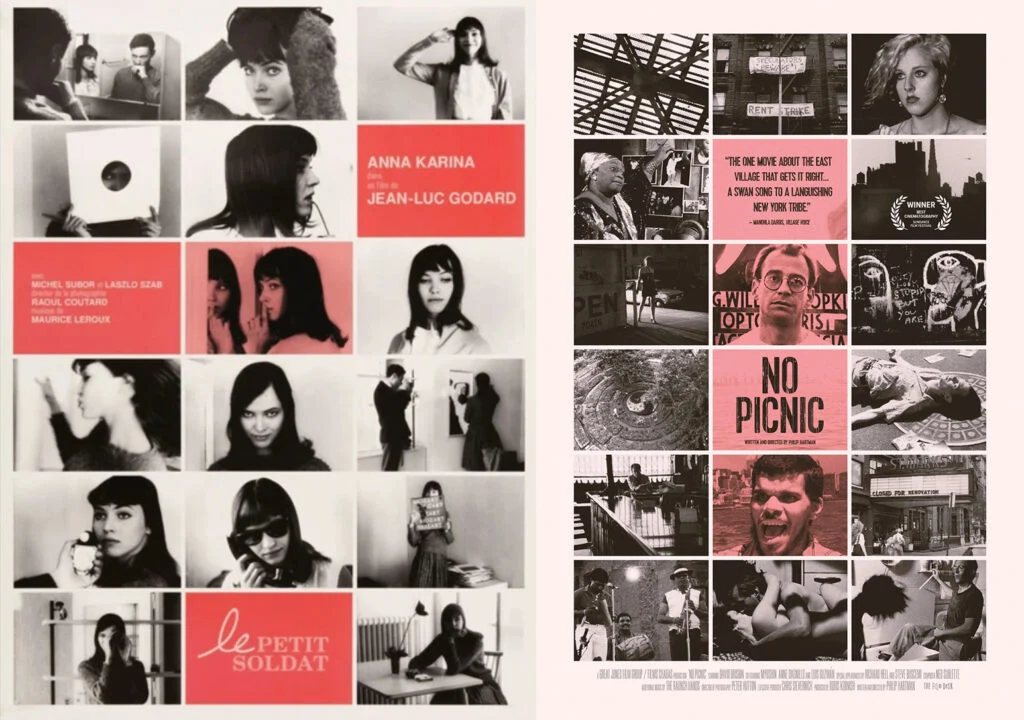
Phil Hartman never intended to launch a forty-year cinematic mystery when he directed his debut feature film, No Picnic, in the mid-1980s. Funded by the proceeds of his cofounded downtown New York dining establishments—most notably the Cajun-inspired NoHo fixture Great Jones Cafe and later Two Boots Pizza—Hartman’s lone completed feature film stands as a shimmering, black-and-white time capsule of an era now long vanished from the island of Manhattan. Photographed on luminous 16mm stock by acclaimed experimental cinematographer Peter Hutton, the film is a noir-inflected, episodic ramble through the grimy, pre-gentrification landscape of the Lower East Side and the East Village.
Yet, for nearly four decades following its initial theatrical splash in the summer of 1990, No Picnic existed primarily as an underground artifact, an elusive title traded on worn VHS tapes and relegated to the dusty shelves of the Two Boots Video Store. That narrative shifted dramatically when a fortuitous chain of archival connections and a surprise theatrical run at Manhattan’s Film Forum transformed the forgotten indie into a historic box office success. Pulling in over $123,000 during a twelve-week engagement, the film outperformed legendary repertory staples by Fellini and Kurosawa, proving that the raw, gritty terroir of a bygone New York still holds a powerful, universal allure for modern audiences.
Main Facts and the Genesis of an Underground Classic
The production history of No Picnic is deeply intertwined with the bohemian culinary and artistic ecosystem of downtown New York in the 1980s. Hartman, a downtown cinephile and entrepreneur, utilized capital from his thriving hospitality ventures to finance the project. Production began in 1985, aided by financing from Wim Wenders’s New York-based production outfit, Gray City Films, and bolstered further by funds from Hartman’s expanding Two Boots pizza empire.
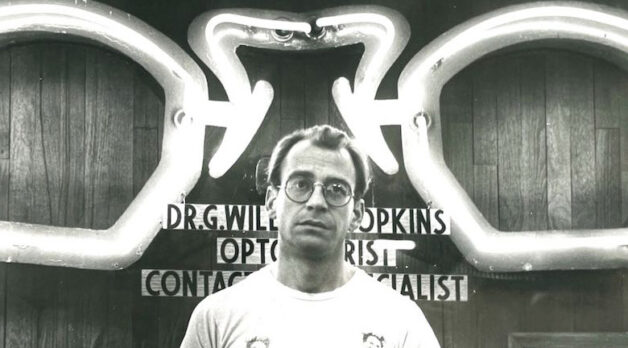
Behind the camera, Peter Hutton’s cinematography elevated the modest production into a work of ethnographic art. The film captures an urban environment on the brink of total erasure. Hartman and his crew raced against time to document landmarks, community gardens, and local characters—such as Adam Purple’s legendary garden, Bleecker Bob’s Records, and the Atlas Barber Shop—knowing instinctively that these staples of the neighborhood would not survive the coming tide of real estate development.
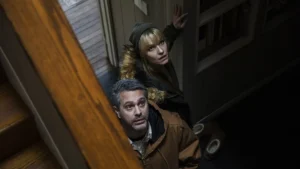
The narrative centers on Mac, played with warm, wistful self-awareness by David Brisbin. Mac is a thirty-something former musician who ekes out a living by servicing jukeboxes and cigarette machines across the city. His daily grind involves navigating a maze of romantic distractions, including an unrequited street-side crush and an upstairs Canadian neighbor desperate for a green-card marriage. Along the way, Mac encounters a colorful cross-section of urban survivalists, featuring early-career performances and cameos by notable figures such as Luis Guzmán, Steve Buscemi, filmmaker Lewis Klahr, and musician Richard Hell as an irate neighbor.
Chronology of a Cultural Artifact
The trajectory of No Picnic spans nearly forty years of independent film history, marked by near-misses, critical acclaim, and a long dormancy before its recent theatrical triumph.
- 1985–1987: Phil Hartman directs No Picnic in downtown Manhattan using financing from his restaurant ventures and Wenders’s Gray City Films. Peter Hutton shoots the feature on 16mm black-and-white stock.
- 1988: The film premieres at the Sundance Film Festival, where it captures the prestigious Cinematography Award. Plans by Gray City Films to purchase the floundering St. Mark’s Cinema and house the premiere fall through when the production company collapses.
- 1990: Following a rave review by critic Manohla Dargis in The Village Voice, Jonas Mekas steps in to host the film at Anthology Film Archives. No Picnic enjoys a record-setting, six-week theatrical run.
- 1990–2025: The film vanishes from active distribution. Hartman becomes consumed by the expansion of Two Boots Pizza and the operation of the Pioneer Theater. No Picnic is kept alive solely via physical media on shelves at Two Boots Video.
- 2025: Archivist Mary Engel introduces Hartman to Jake Perlin of The Film Desk, a distribution company specializing in neglected classics. Perlin oversees a meticulous photochemical and digital restoration of the film.
- January 2026: The restored version premieres at the Museum of Modern Art (MoMA) as part of the "To Save and Project" series, drawing a packed house despite a severe snowstorm.
- April–July 2026: Buoyed by strong word-of-mouth, dynamic marketing by The Film Desk, and Hartman’s personal Q&As featuring free pizza, No Picnic opens at Film Forum. It grossing over $123,000 across a landmark twelve-week run.
Supporting Data and Box Office Performance
The commercial performance of No Picnic during its 2026 theatrical run at Film Forum confounded traditional expectations for unknown archival revivals. Initially booked for modest, off-peak showtimes during a crowded weekend that also featured the Bronx-set indie Mad Bills to Pay, the film immediately overindexed.
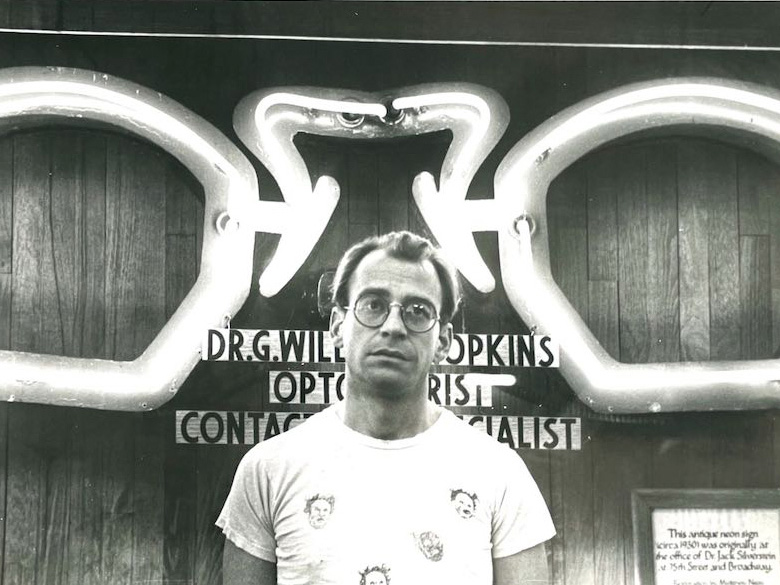
During its opening week, the film sold out nearly all screenings and generated over $28,000, capturing the title of the theater’s top-grossing film. It sustained its momentum into the second week, adding another $16,000, and rapidly crossed the $50,000 milestone. By the end of its twelve-week engagement, No Picnic accumulated a total gross of $123,000.
This financial return placed the film in rare company within Film Forum’s repertory history, outperforming major international classics such as Federico Fellini’s 8½ ($120,000) and Akira Kurosawa’s The Seven Samurai ($103,000), while nearly matching Satyajit Ray’s Days and Nights in the Forest ($127,000).
Statements and Reactions from Related Parties
The unexpected resurgence of the film prompted reflection from its creators, early participants, and contemporary observers, all of whom highlighted the thematic durability of Hartman’s vision.
Reflecting on the film’s unexpected second life, Phil Hartman remarked on the accidental genius of its distribution strategy: "It had time to ferment. It’s marketing genius to create something and then keep it a secret for 40 years." Discussing the physical reality captured on screen, Hartman added, "You talk about terroir for a wine… I feel like there’s a terroir to No Picnic. Like you can feel the earthiness of the East Village and the rubble, the empty lots, the abandoned buildings. I think there’s something really appealing about that."
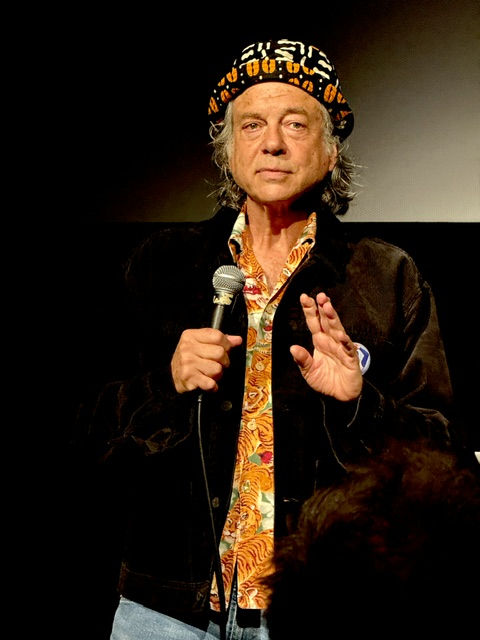
Manohla Dargis, whose 1990 review helped launch the film’s first notable run, observed that the underlying anxieties captured in the script have only grown more acute over time. "The film speaks to the familiar, relatable (evergreen!) issue of affordability," Dargis noted, pointing out that the economic pressures facing creative individuals in urban centers remain entirely unchanged.
Producer Christine Vachon, who worked as an uncredited assistant sound editor on the production in exchange for meals at Great Jones Cafe, emphasized the film’s unique status as a historical bridge. "I think it has this mix of being relevant to today because it’s about being able to afford a place, but it also is a world that’s sort of past," Vachon stated. "It just manages to be sort of a perfect time capsule that in a funny way has folded back onto this time."
Lead actor David Brisbin offered a sociological perspective on the demographics driving the film’s recent ticket sales. "Young people in the East Village now have a sense they missed something and want to know what that time was like," Brisbin noted. "Old folks like me like to remember their youth… Phil and Peter showed us the end of an era, but not in a nostalgic or dystopian way. Things change, but some things stay the same."
Broader Impact and Implications
The commercial success of No Picnic points to a shifting paradigm in film exhibition and repertory curation. In an era dominated by algorithmic streaming platforms and content saturation, the triumph of a digitally restored, 1980s 16mm micro-budget indie demonstrates that physical, localized theatrical spaces remain vital cultural hubs.
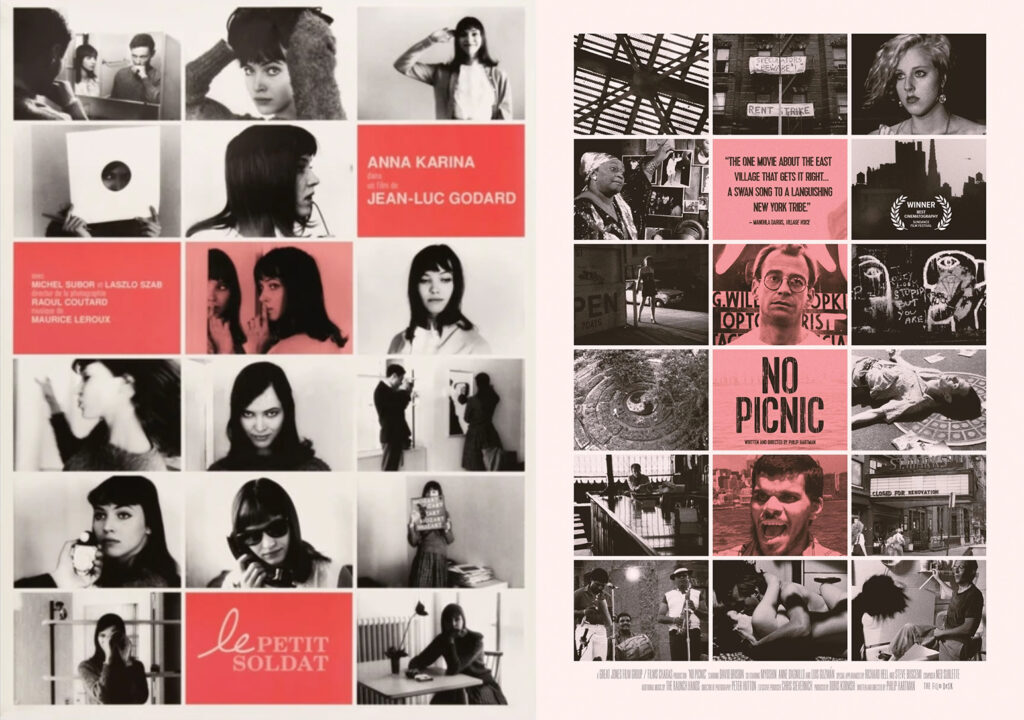
Furthermore, the film’s resonance with younger demographics—particularly Gen Z and millennial cinephiles residing in rapidly gentrifying outer-borough enclaves like Ridgewood and Bushwick—highlights a deep-seated cultural hunger for historical context. For a generation navigating contemporary housing crises and hyper-gentrification, No Picnic serves not merely as entertainment, but as an educational document mapping the lineage of the very urban struggles they face today. By bridging the gap between historical preservation and contemporary relevance, the film has established a new benchmark for how forgotten American indies can find new life decades after their initial creation.