


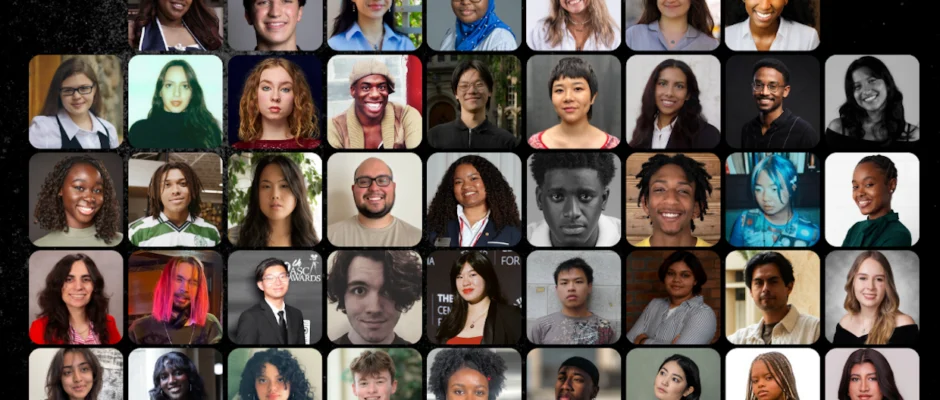
The evolving landscape of the entertainment industry demands a new generation of versatile, highly trained, and digitally fluent creators. Addressing this critical need, The Gotham Film and Media Institute—the publisher of Filmmaker magazine—has officially announced the 43 college students selected for the eighth annual edition of The Gotham EDU Film and Media Career Development Program. Spanning an intensive eight-week virtual curriculum from June 15 through August 6, 2026, the program offers an immersive bridge between academic theory and the rigorous realities of professional filmmaking, media entrepreneurship, and executive leadership.
Since its modest inception in 2020 with a cohort of just 22 students, the initiative has expanded steadily, solidifying its reputation as one of the premier talent incubators in the United States. This year’s participants hail from 31 distinct colleges and universities nationwide, representing an eclectic mix of geographic backgrounds, artistic viewpoints, and career aspirations. By offering full tuition coverage for all selected scholars, The Gotham and its network of philanthropic and corporate partners continue to dismantle systemic barriers to entry in the entertainment sector, ensuring that socioeconomic status does not preclude talented youth from accessing top-tier industry pathways.
Comprehensive Curriculum and Specialized Tracks
Designed to mirror the multifaceted nature of modern media, the 2026 program is structured around six distinct tracks tailored to specific disciplines. Participants choose their focus area based on their professional ambitions, ensuring that the guidance they receive is directly applicable to their chosen career trajectory.
The Executive Leadership and Ambassador Track prepares students for high-level administrative, developmental, and organizational roles within entertainment companies. Notably, participants in this specific track gain exclusive shadowing opportunities with prominent production entities such as Storm City Films, granting them firsthand observation of executive decision-making and project management.
For those inclined toward visual storytelling, the Narrative Filmmaker Track and the Documentary Filmmaker Track offer deep dives into the creative, technical, and logistical demands of bringing compelling stories to the screen. Concurrently, the Television/Episodic Creator Track addresses the unique pacing, writer’s room dynamics, and serialized structuring required in contemporary television and streaming platforms.
Recognizing the industry’s shift toward multi-hyphenate talent—creators who write, direct, produce, and perform—the Sidney Poitier Initiative (SPI) Track for Multi-Hyphenates provides specialized mentorship and career mapping for diverse artists seeking to build sustainable, independent careers across multiple mediums. Finally, the Entrepreneurship in Media Track equips business-minded students with the acumen necessary to navigate the financial, legal, and developmental frameworks that sustain independent media companies in a hyper-competitive marketplace.
A Chronology of Growth: From 2020 to 2026
The trajectory of The Gotham EDU program mirrors the rapid transformation of the entertainment industry itself over the past half-decade. Launched in the unprecedented landscape of 2020—a time when remote learning and virtual collaboration became mandatory—the program recognized early on that a digital format could democratize access. By operating virtually, the initiative successfully bridged geographic divides, allowing students studying in remote or regional universities to connect directly with power players based in Los Angeles, New York, and global media hubs.
Over the last eight years, the curriculum has evolved from general seminars into highly specialized, track-based mentorship modules. This evolution has been guided by feedback from alumni, industry partners, and academic advisors. The inclusion of pitch feedback sessions, curated masterclasses, and one-on-one mentorship meetings has transformed the program from an observational workshop into an active career launcher.
Furthermore, the program’s structural timeline extends beyond the summer months. While the core curriculum concludes in August, standout participants are frequently integrated into broader industry events. Select students from the 2026 cohort will receive invitations to attend the prestigious Gotham Week—scheduled this year from September 27 through October 3—where they can network directly with established producers, financiers, and distributors.
Institutional Backing and Financial Accessibility
The viability and tuition-free model of The Gotham EDU program rely heavily on a robust coalition of philanthropic foundations, academic institutions, and corporate sponsors. The 2026 edition is generously supported by recurring and new backers, including the Burke Family Foundation, NBCUniversal, Colgate University, and Yale University.
Specific tracks also benefit from targeted endowments. The Sidney Poitier Initiative directly underwrites the SPI Track for Multi-Hyphenates, carrying forward the legendary actor’s legacy of excellence and barrier-breaking representation. Similarly, the Entrepreneurship in Media track receives direct support from supporters Joe and Christie Marchese. This multi-layered funding structure ensures that the program remains entirely free of charge for participants, a critical factor in maintaining economic diversity within the cohort.
Leadership Perspectives on Industry Readiness
Industry leaders have long emphasized the necessity of bridging the gap between film school theory and studio practice. Kia Brooks, The Gotham’s Managing Director, highlighted the intentional design of this year’s offerings in an official press release.
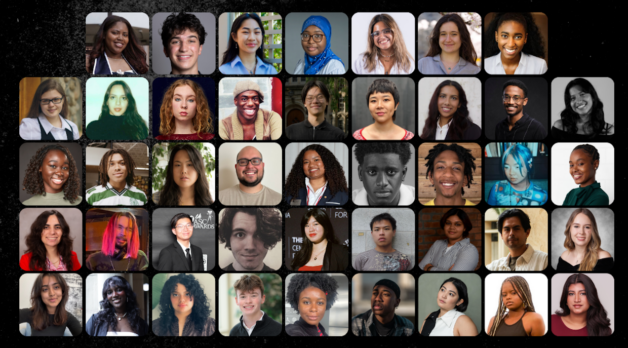
"Watching students arrive with a vision then leave with a real roadmap is what Gotham EDU is about," Brooks stated. "For our eighth cohort, one of the most diverse and driven we’ve seen, we’ve built tracks that reflect where the industry is actually heading. We can’t wait to see this group learn, connect, and elevate their careers."
Echoing this sentiment, Jeffrey Sharp, The Gotham’s Executive Director, underscored the value of transparency in preparing young professionals for the realities of the entertainment business.
"What keeps this program vital is the honesty and practicality of these resources—students get unfiltered access to professionals who tell them what the work really looks like," Sharp noted. "We’re proud of the incredible growth of the Gotham EDU Film and Media Career Development Program and the impact it continues to make on future leaders of the entertainment industry."
Historically, the program has drawn guest speakers and mentors from an elite roster of entertainment companies and independent institutions. Past cohorts have engaged with professionals from Netflix, MGM, MACRO, United Talent Agency (UTA), ColorCreative, NBCUniversal, Blumhouse, NEON, SFFILM, Kinema, and WILLA, alongside seasoned independent producers, showrunners, and auteur directors.
Broader Implications for the Entertainment Ecosystem
The long-term implications of pipeline initiatives like Gotham EDU extend far beyond individual career placements. As the media landscape undergoes continuous disruption—marked by shifts in streaming business models, technological innovations such as virtual production and artificial intelligence, and a persistent demand for authentic, diverse storytelling—the industry requires leaders who are both adaptable and culturally astute.
By fostering talent early and embedding students within professional networks before they graduate, programs of this scale help mitigate the insular nature of Hollywood hiring practices. Alumni of previous cohorts have gone on to secure employment in studio development offices, launch independent production companies, and premiere their own short and feature-length projects at major international film festivals.
As the 2026 cohort prepares to embark on their eight-week journey this June, the wider independent film community watches with anticipation, recognizing that these 43 students represent the creative and executive leadership of tomorrow.
Complete Roster of the 2026 Gotham EDU Cohort
Executive Ambassador Track
- Ayana Ahuja (Brown University)
- Layla Santana (St. John’s University)
- Sierra Bleu Bivins (Emerson College)
Executive Leadership Track
- Ashley Dunbar (Colgate University)
- Ava Maire Mc Dermott (Pace University)
- Avantika Matele (Princeton University)
- Gabriela Acensio (Oglethorpe University)
- Nil Mira Celik (American University)
Narrative Filmmaker Track
- Chenjun Gao (Yale University)
- Eduardo Diaz Sandoval (New Mexico State University)
- Kai Tomizawa (New York University)
- Lynn Nguyen (Brown University)
- Nicholas Diodato (Rutgers University)
- Tramaine Raphael Gray (CalArts)
- Will Beere (Colgate University)
SPI Track for Multi-Hyphenates
- Amber Dhall (New York University)
- Brian Wade (Feirstein Graduate School of Cinema)
- Chiamaka Okafor (University of Connecticut)
- Ganiah Lucinda Bracy (Washington & Jefferson College)
- Grant Fortune (Howard University)
- Isabella Maaliki (New York University)
- Mareme Fall (Vassar College)
Entrepreneurship in Media Track
- Aric Julian Lopez (University of Southern California)
- Dominique de Castro (Columbia University)
- Kyara Gandara (San Diego State University)
- Mary Moussa (Hunter College)
- Saifeddine Lahmar (Northwestern University)
- Xavier Peng (Chapman University)
Television/Episodic Creator Track
- Amy B. Tiong (Northwestern University)
- Essence Jackson (Howard University)
- Haley Sakamoto (Stony Brook University)
- Kahley Burwell (Loyola Marymount University)
- Nathaniel Kron (Colgate University)
- Nicole Viloria (Yale University)
- Trish Owyang (Columbia College Chicago)
Documentary Filmmaker Track
- Alexus Anderson (Georgia State University)
- Alice Adriana Estrada (Tufts University)
- Christian Lee (UCLA)
- Edward Nguyen (Yale University)
- Joshua Jones (Colgate University)
- Kg Giroux (New York University)
- Logan R. St Hilaire (The Ohio State University)
- Toby Nicholson (Colgate University)