

The transition of independent comedy web series to major television networks and streaming platforms has historically served as a critical barometer for the health of the digital creator economy. During the 2010s, series such as Abbi Jacobson and Ilana Glazer’s Broad City and Issa Rae’s Insecure successfully navigated the migration from low-budget internet shorts to cable and premium network staples. However, the current streaming landscape, characterized by market consolidation and a more risk-averse approach to original programming, has made such leaps increasingly rare. In this climate, the arrival of Minimum Wage on Netflix—a workplace comedy produced by American High that originated as a series of viral sketches on TikTok and YouTube—represents a significant, if uneven, milestone for indie creators attempting to break into the streaming monolith.
The Provenance of the Project
The development of Minimum Wage follows a trajectory common to modern content creation. The series, spearheaded by showrunners Jeremy Garelick and Will Phelps, began as a collection of short-form, rapid-fire vignettes focusing on the mundane, often chaotic operations of a struggling pizza chain outlet in upstate New York. By leveraging a high-volume output strategy on platforms like TikTok and YouTube, the creators amassed a digital audience numbering in the millions before securing a production deal with American High, a company specializing in young-adult-oriented narratives.
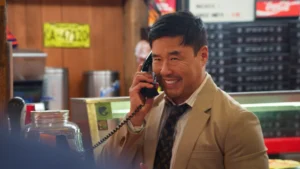
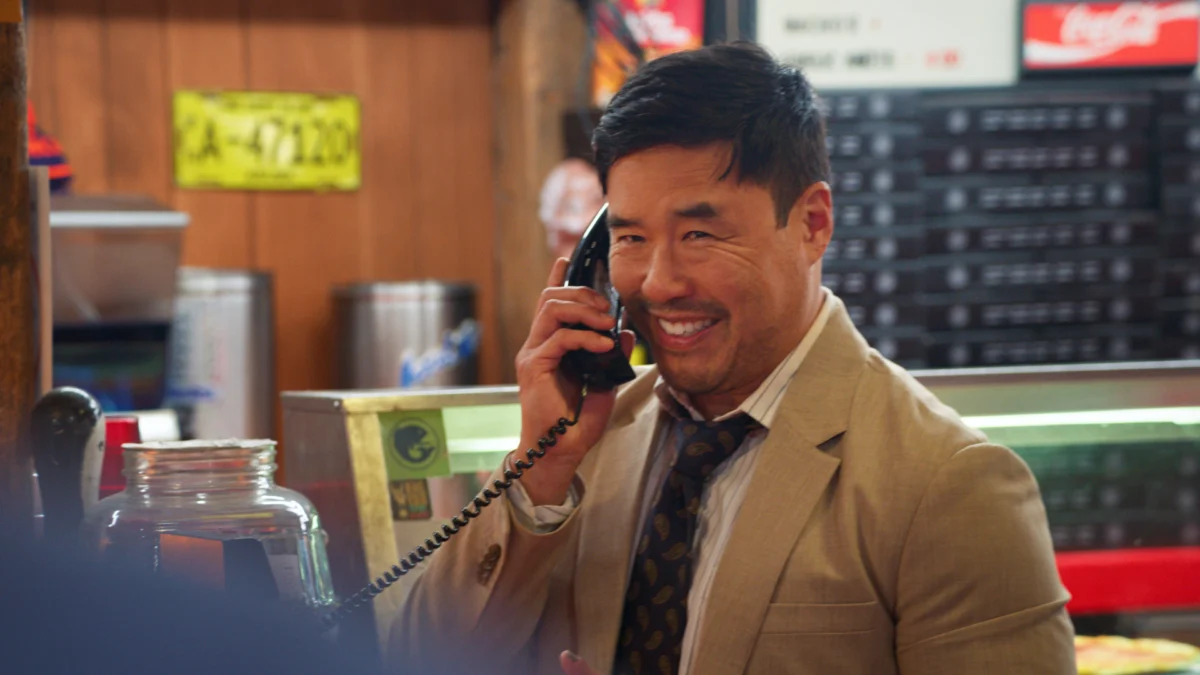
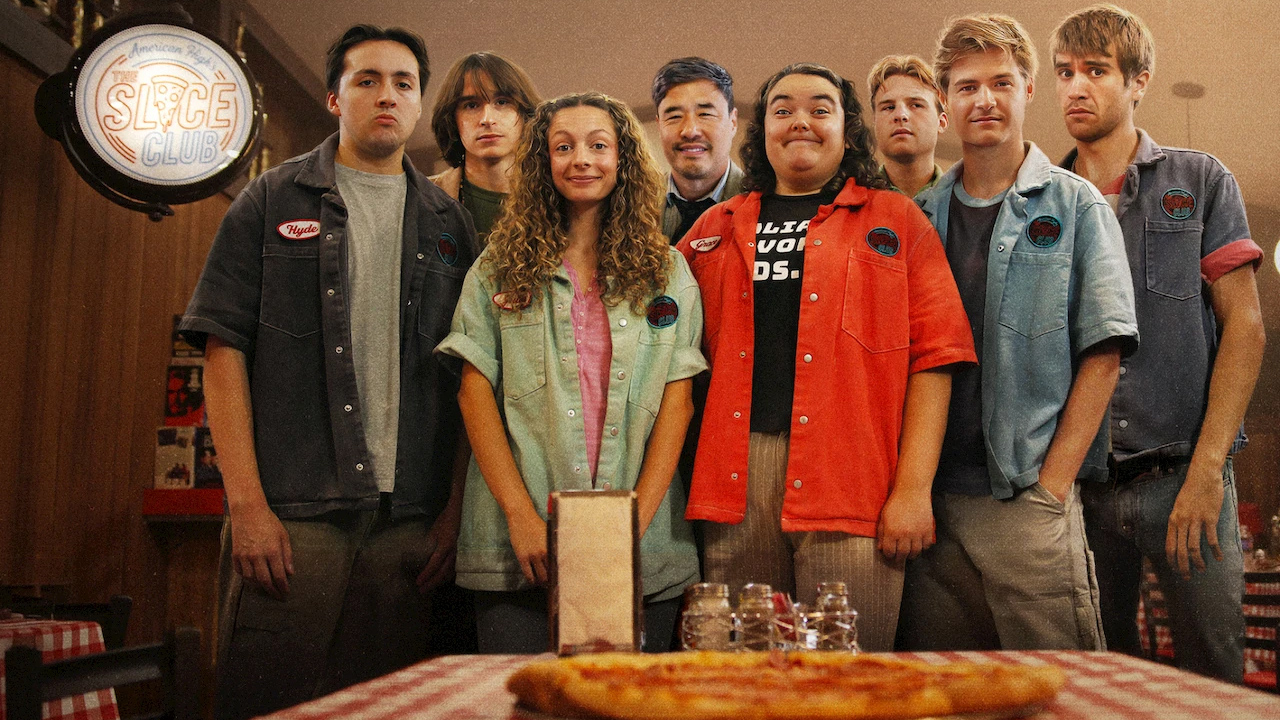
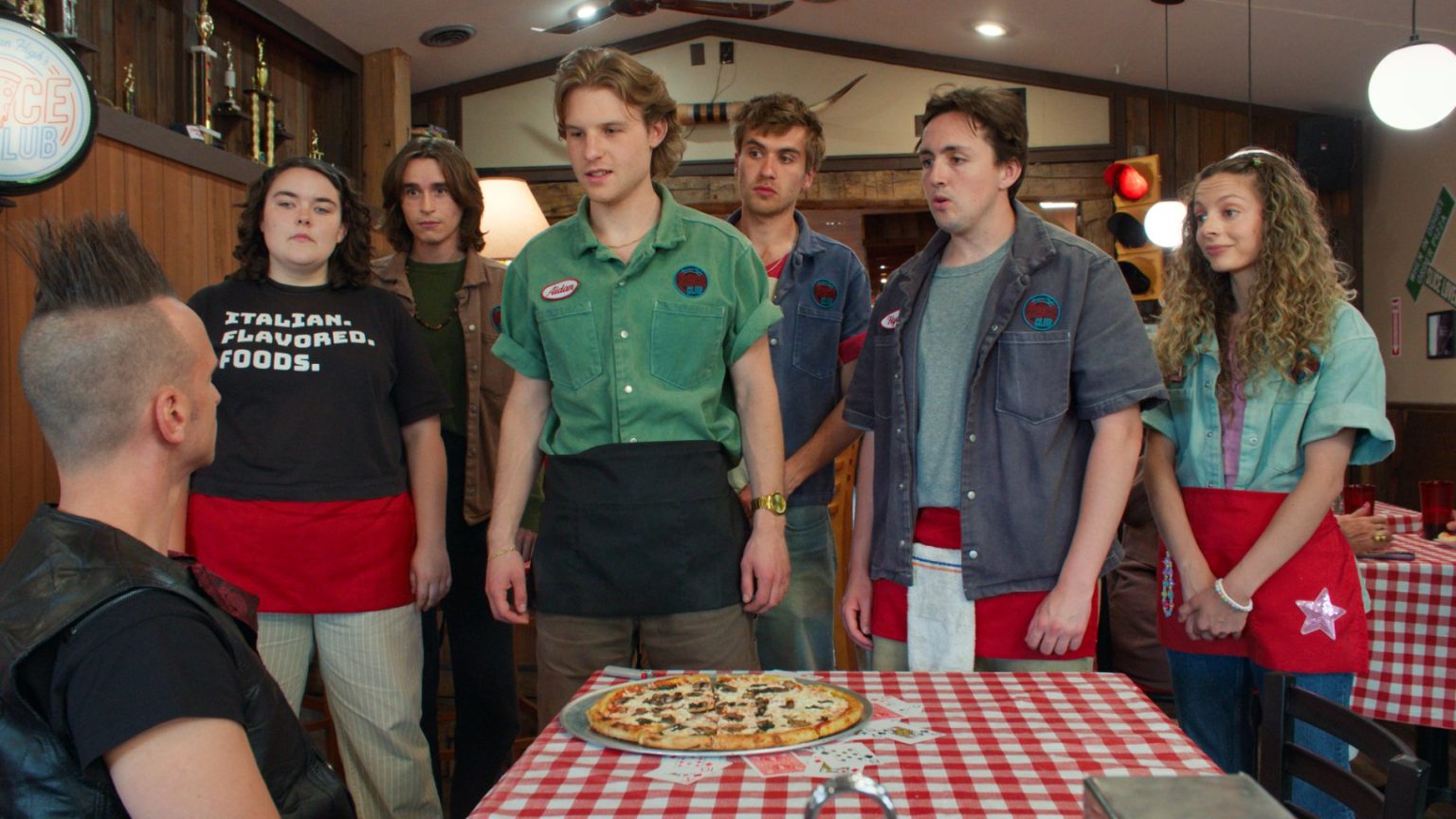
The show stars a young ensemble cast, including Aidan Micho, Hyde Healy, Julia Dicesare, Luke Burke, Ryan Micho, and Tommy Armstrong, alongside Saturday Night Live featured player Grace Reiter. The series centers on the employees of "Slice Club," a franchise store suffering from chronic mismanagement. The narrative premise is established through the intervention of the franchise founder, Terry Sylvester, played by Randall Park. In a move that mirrors traditional sitcom tropes, the character of Sylvester faces a personal and professional crisis—a divorce that results in the liquidation of most of his assets—leaving him to manage the chain’s least profitable location.
Structural Analysis and Creative Execution
Minimum Wage adopts the mockumentary format, a stylistic choice that has defined workplace comedies since the early 2000s. The show attempts to synthesize the observational humor of The Office with the niche, small-town idiosyncrasies found in series like Welcome to Flatch and the service-industry cynicism of Party Down.
Despite the pedigree of these inspirations, the production faces significant hurdles in its execution. The series consists of 14 episodes, each approximately 16 minutes in length. This duration creates a rapid, somewhat disjointed pacing that prioritizes episodic gags over long-form character development. Critics and industry observers have noted that while the show’s individual comedic beats often land, the overarching character arcs remain underdeveloped. The ensemble, while displaying clear chemistry, frequently falls into archetypal traps. Character traits are often inconsistent, with some members of the cast appearing almost interchangeable in their functions within the narrative, leading to a lack of emotional stakes for the audience.
The Mechanics of the Mockumentary
A recurring critique of the production involves its application of the mockumentary style. In industry-standard productions of this genre, the camera is often treated as an active, albeit invisible, participant—a tool used to underscore irony or capture reactions that the characters would otherwise suppress. In Minimum Wage, the camerawork often lacks this intentionality. Transitions between scenes frequently utilize slapstick or physical comedy cues that do not align with the established pacing of the documentary-style filming.
Furthermore, the show lacks an in-universe justification for the presence of the cameras. In established series, the "documentary" aspect is usually addressed through internal logic, such as a fictional production team filming the subjects. By omitting this context, Minimum Wage adopts the visual language of the workplace comedy without fully integrating its narrative benefits, resulting in a stylistic dissonance that occasionally disrupts the viewer’s immersion.
Demographic Representation and Industry Context
The casting of Minimum Wage has also drawn scrutiny regarding the lack of diversity within the ensemble. The core cast consists of five white men and two white women. While the creators have pointed toward the geographic setting of upstate New York as a rationale for this casting, critics argue that such an homogeneous lineup feels antiquated in the contemporary media landscape. The presence of token characters, such as the partner of the character Tommy (played by Kalissa Persaud), serves to highlight the lack of integration rather than mitigate it.
This demographic imbalance is particularly notable given the show’s target audience. As a series aimed at Gen-Z and Gen-Alpha viewers, the lack of diverse representation potentially limits the show’s resonance. In an era where streaming platforms are increasingly prioritizing inclusive storytelling to capture global markets, the reliance on a narrow, homogenous ensemble may hinder the show’s long-term growth and cultural footprint.
Comparative Performance and Future Projections
When comparing Minimum Wage to other recent debuts in the comedy space, it is useful to look at the "sophomore slump" or "sophomore success" pattern observed in shows like Adults. In the first season of Adults, creators faced similar criticisms regarding character depth and inconsistent pacing. However, the show was able to refine its identity in its second season, successfully balancing its comedic rhythm with more meaningful character development.
For Minimum Wage, the potential for such a refinement exists. The cast’s improvisational skills and genuine chemistry are evident in several key scenes, particularly those involving the interactions between the characters Ryan and Luke. These moments of organic humor suggest that if the writing team shifts its focus from isolated gags to cohesive character arcs, the series could mature significantly.
The current challenge for the production team lies in the high stakes of the streaming environment. Netflix, like many other major platforms, relies heavily on data-driven metrics to determine the viability of future seasons. Shows with shorter runtimes and lower budgets must achieve high completion rates and consistent audience engagement to avoid cancellation. The fact that the series is currently releasing its first batch of episodes means the window for establishing a loyal, recurring audience is tight.
Implications for Independent Creators
The move of Minimum Wage from TikTok to a major platform like Netflix underscores the ongoing shift in how talent is scouted and developed. Major studios are increasingly outsourcing the "pilot" phase of development to social media platforms, effectively letting the algorithm dictate which concepts merit a full-scale production. While this lowers the barrier to entry for independent creators, it also places immense pressure on them to maintain the "viral energy" of their short-form content while learning the complexities of long-form television production.
The struggle of Minimum Wage to reconcile its digital-native roots with traditional television standards serves as a cautionary tale for the industry. The "baby deer" phase—as some critics have described the show’s attempt to walk on its own—is a common rite of passage for creators transitioning from short-form content. However, in a market as crowded as the current streaming landscape, the luxury of time is rarely granted.
Conclusion
Ultimately, Minimum Wage occupies a precarious position. It functions as a bridge between the high-octane, low-stakes world of viral comedy and the more rigorous requirements of professional sitcom production. It possesses undeniable charm and moments of genuine hilarity, yet it is currently hampered by a lack of character consistency and a failure to fully utilize the mockumentary format.
Whether the series will evolve into a polished, definitive comedy for its demographic or remain a well-intentioned but undercooked experiment depends on its ability to deepen its ensemble and sharpen its narrative focus. For now, it serves as a reminder that while a viral following can open the door to a major streaming deal, it is the fundamental tenets of storytelling—character, pacing, and consistency—that will decide whether a show survives the brutal cycle of the streaming era. The audience for such content remains hungry for fresh, relevant perspectives; the question remains whether Minimum Wage can provide the substance to complement its stylistic ambition.