The landscape of television has always been defined by its cyclical anxieties, shifting rapidly from the advent of reality television and the proliferation of prestige streaming platforms to the modern, looming existential threat of generative artificial intelligence. Few television properties have captured these tectonic shifts quite like HBO’s The Comeback and Hacks, two critically acclaimed series that use showbiz satire to examine the precarious nature of female stardom, corporate consolidation, and technological disruption. As both shows capture the cultural zeitgeist, they reflect a broader, industry-wide reckoning regarding the value of human labor in an increasingly automated entertainment ecosystem.
Two Decades of Industry Satire: The Evolution of The Comeback
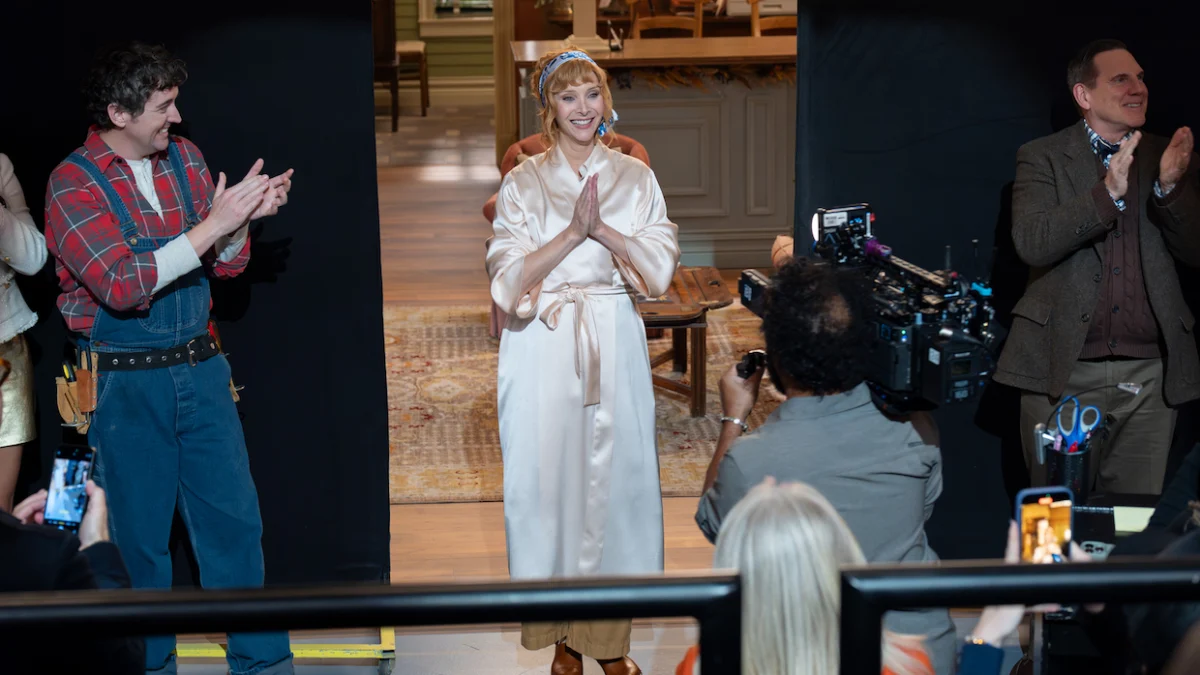
Created by Michael Patrick King and Lisa Kudrow, The Comeback has consistently aligned its return seasons with major inflection points in the television industry. When the mockumentary series debuted on HBO in 2005, it offered a biting critique of reality television—a genre that was rapidly transforming the medium through low production costs and tabloid-driven drama. Kudrow starred as Valerie Cherish, a former sitcom star desperate for a return to the spotlight, whose humiliating pursuit of fame served as a vehicle to dissect the commodification of personal dignity.
Although the show initially enjoyed only a limited run, it cultivated a devoted cult following. This prompted a surprise revival in 2014, just as the industry stood on the precipice of the streaming wars. At that time, traditional television was grappling with an explosion of so-called "prestige" content, which threatened to dilute the artistic value of the medium.
Twelve years later, following a global pandemic, dual labor strikes by the Writers Guild of America (WGA) and SAG-AFTRA, and widespread corporate contraction across major studios, Kudrow reprised her role for a third and final season. In this installment, Valerie confronts the ultimate technological disruptor: artificial intelligence. Having booked the lead role in the first-ever sitcom written entirely by AI, Valerie finds herself entangled in a profound ethical dilemma.
While production work in Hollywood dries up, leaving the entire cast and crew dependent on the show for their livelihoods, the AI-driven joke-writing software systematically plagiarizes material from previous decades of television. The software outputs stale, recycled lines that Valerie’s fellow sitcom veterans immediately recognize, laying bare the threat automation poses to working writers and the foundational integrity of the medium.
Parallels in Prestige: The Trajectory of Hacks
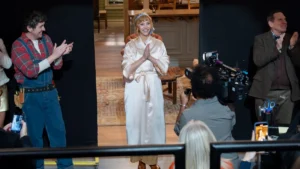
This thematic preoccupation with the fragility of artistic survival is mirrored in HBO Max’s Hacks, created by Lucia Aniello, Paul W. Downs, and Jen Statsky. The Emmy-winning comedy series explores the complex, evolving dynamic between Deborah Vance, an aging legendary stand-up comic played by Jean Smart, and Ava Daniels, her cynical Gen-Z comedy writer played by Hannah Einbinder.
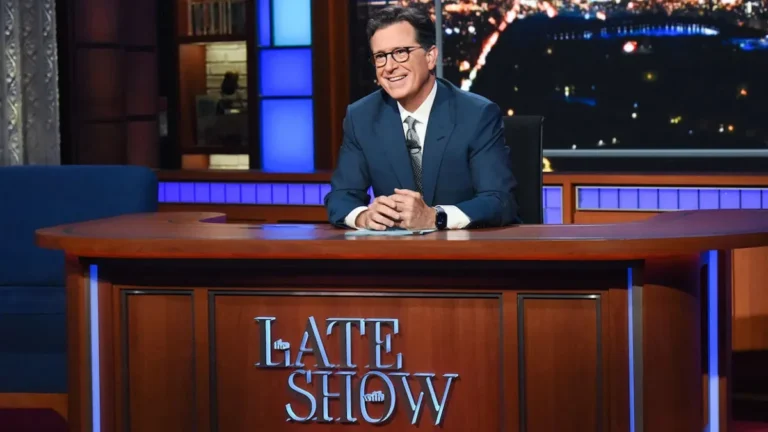
Throughout its multi-season run, Hacks has charted Deborah’s relentless pursuit of the ultimate glass ceiling for female entertainers: hosting a late-night talk show. In the penultimate season, Deborah finally achieves her goal, only to have her career upended when she refuses to fire Ava to appease network executives demanding editorial control. The fifth and final season depicts Deborah attempting to reclaim her voice and stardom after being silenced by a non-compete clause in her network contract—a narrative parallel that gained striking real-world resonance when it aired shortly before network realignments and late-night cancellations dominated industry headlines.
Like The Comeback, Hacks incorporates the threat of artificial intelligence into its narrative framework. In a striking sequence, Deborah meets with a venture capitalist while attempting to secure financing for a comeback performance at Madison Square Garden. The investor proposes licensing her likeness and performance history—as well as Ava’s creative work—to feed a large language model named QuikScribbl. The storyline underscores the indignity and artistic bankruptcy of attempting to reduce decades of lived comedic experience to algorithmic data points.
The Human Element: Why Algorithms Fail Creative Writing
Industry veterans and creative teams behind both series argue that artificial intelligence fundamentally misunderstands the mechanism of comedy. In The Comeback, Valerie’s engagement with the Big Tech-funded network NuNet and its proprietary AI writing tool, Allassist, yields predictable, lackluster results. During a pivotal moment in the third season, legendary television director James Burrows—appearing as himself—critiques the automated scripts after shooting a pilot.
"I saw every one of those jokes coming, and so did you," Burrows tells Valerie. "Surprising only comes from a group of writers huddled in a corner, beating themselves up to beat out a better joke."
This sentiment is echoed in the real-world concerns of the Writers Guild of America, which fought for stringent protections against the use of generative AI in writers’ rooms during the historic 2023 strikes. While studios look to AI as a cost-cutting measure, creators maintain that the software lacks the subjective emotional depth, cultural context, and unpredictable human friction required to generate genuine artistic resonance.
Furthermore, both The Comeback and Hacks pivot away from pure cynicism to grant their protagonists unexpected agency. Breaking from its traditional mockumentary format, the final season of The Comeback adopts a more propulsive narrative pace, positioning Valerie not merely as the butt of the joke, but as an active participant fighting to protect the writers who have historically served as her antagonists in Hollywood. Similarly, Deborah Vance’s refusal to compromise her creative integrity highlights a shared ethos: that the survival of television depends on the preservation of distinct, human voices.
Awards Season Implications and Industry Outlook
The parallel trajectories of these two series culminate in a fascinating competitive landscape during the television awards season. Hacks has established itself as an awards powerhouse, securing 12 Emmy wins, including Best Comedy Series for its third season, four consecutive Best Actress victories for Jean Smart, and a Best Supporting Actress win for Hannah Einbinder. Meanwhile, The Comeback has historically lived on the fringes of major academy recognition, though Kudrow earned critical acclaim and lead actress nominations during its initial runs.
Following industry trends that favor sharp, self-referential industry satires—such as recent comedic sweeps highlighting Hollywood mechanics—observers note that Hacks maintains a strong competitive edge. However, the thematic convergence of both shows signals a definitive cultural moment. Valerie Cherish and Deborah Vance represent an endangered breed of television icons: women who have navigated the highs and devastating lows of the entertainment industry, outliving corporate mergers, shifting audience demographics, and technological disruptions.
As both series prepare to close their final chapters, they offer more than just nostalgia or biting insider humor. They serve as a comedy-fueled form of resistance against industry homogenization, reminding audiences that while corporations and algorithms may attempt to streamline content creation, the heart of television remains stubbornly, beautifully human.