
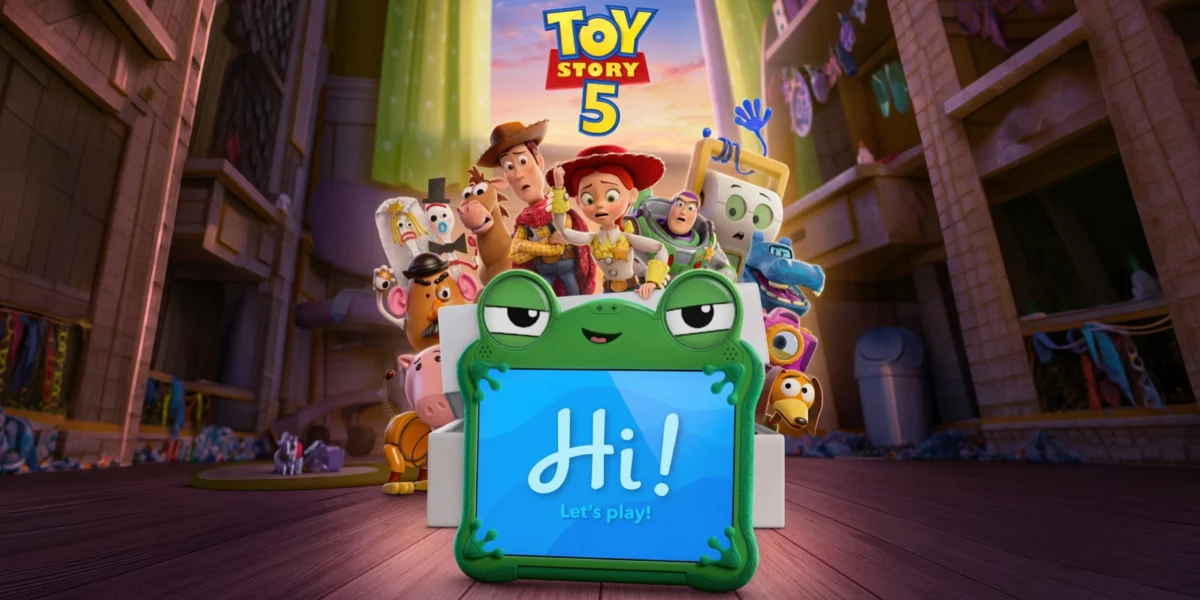
The highly anticipated fifth installment of Disney Pixar’s groundbreaking "Toy Story" franchise, titled "Toy Story 5," has officially arrived, prompting a wave of critical analysis and audience discussion. The film, which sees veteran Pixar director Andrew Stanton at the helm, ventures back into the world of beloved animated toys, exploring themes of technological advancement and its impact on childhood play. This latest chapter faces the considerable weight of expectation, particularly following the critically acclaimed "Toy Story 3," which many considered a definitive conclusion to the series.
The podcast review, hosted by [Host’s Name – if known, otherwise omit or generalize] and featuring a panel of esteemed critics including Megan Lachinski, Josh Parham, Dan Bayer, Cody Dericks, and Daniel Howat, delves deep into the film’s narrative, thematic resonance, and technical achievements. The discussion promises a comprehensive, spoiler-filled examination of the screenplay, voice performances, animation quality, musical score, and the potential for awards season recognition, including commentary on Taylor Swift’s original song contribution.
A Legacy Re-examined: The Enduring Appeal of Toy Story
Since its inception in 1995, the "Toy Story" franchise has been a cornerstone of animated filmmaking, revolutionizing the industry with its pioneering use of computer-generated imagery. The original film, directed by John Lasseter, introduced audiences to Woody, a pull-string cowboy doll, and Buzz Lightyear, a high-tech space ranger action figure. Their unlikely friendship and adventures captured the hearts of millions, setting a new standard for storytelling in animation and paving the way for Pixar’s unparalleled success.
The franchise has since expanded to include three more feature films, a series of shorts, and various television specials, each building upon the rich tapestry of characters and emotional depth established in the first installment. "Toy Story 2" (1999) explored themes of identity and belonging, while "Toy Story 3" (2010) delivered a poignant and emotionally charged narrative about growing up and letting go. "Toy Story 4" (2019), directed by Josh Cooley, introduced new characters and continued the journey of Woody and his friends, focusing on finding purpose and belonging in a changing world.
The decision to produce a fifth film, nearly a decade after "Toy Story 3" was widely perceived as a perfect trilogy-capper, naturally raises questions about creative necessity and the potential for franchise fatigue. The initial premise of "Toy Story 5" centers on the evolving landscape of technology and its influence on the toys’ relationship with their young owner, Bonnie. This thematic focus suggests an attempt to address contemporary societal shifts and their impact on childhood experiences, a hallmark of the "Toy Story" series’ ability to resonate with audiences across generations.
The Creative Team Behind Toy Story 5
Andrew Stanton, a guiding force behind some of Pixar’s most celebrated films, including "Finding Nemo" (2003) and "WALL-E" (2008), takes the directorial reins for "Toy Story 5." Stanton’s return to the franchise, having co-written and co-directed "Toy Story 3," signals a deep understanding of the characters and their established universe. His previous work is characterized by its thematic complexity, emotional intelligence, and visually stunning artistry, qualities that will undoubtedly be put to the test in this latest chapter.
The film boasts an impressive ensemble cast, reprising their iconic roles and introducing new voices. Tom Hanks returns as the loyal and earnest Woody, while Tim Allen lends his voice once again to the optimistic and adventurous Buzz Lightyear. The supporting cast includes Joan Cusack as Jessie, Tony Hale as Forky, John Ratzenberger as Hamm, Wallace Shawn as Rex, Blake Clark as Slinky Dog, Annie Potts as Bo Peep, Bonnie Hunt as Dolly, Melissa Villaseñor as Gaby Gaby, Kristen Schaal as Trixie, Keanu Reeves as Duke Caboom, Ally Maki as Gi, Greta Lee as Gabby, Conan O’Brien as Mel, Craig Robinson as B.O.B., Shelby Rabara as Susan, Scarlett Spears as Gabby’s Voice, Mykal-Michelle Harris as Bonnie, Matty Matheson as the voice of a new character, Jeff Bergman as Slinky Dog’s voice, Anna Vocino as a new character, John Hopkins as a new character, Bad Bunny as a new character, Ernie Hudson as a new character, and Alan Cumming as a new character. The inclusion of a diverse and star-studded voice cast underscores the continued cultural significance of the "Toy Story" universe.
Critical Reception and Audience Anticipation
The release of "Toy Story 5" arrives at a time when the entertainment industry is grappling with the proliferation of sequels and reboots. While some franchises struggle to recapture past glories, others manage to innovate and connect with new audiences while honoring their legacy. The critical reception for "Toy Story 5" is expected to be particularly scrutinized, given the high bar set by its predecessors.
The podcast review panel’s detailed analysis will offer valuable insights into whether the film successfully navigates these challenges. Their discussion of the screenplay’s ability to introduce new narrative threads while respecting established character arcs will be crucial. Furthermore, their assessment of the voice performances, particularly how returning actors embody their characters and how new additions integrate into the ensemble, will provide a key indicator of the film’s overall success.
The animation, a hallmark of Pixar’s output, is also a significant point of interest. Audiences will be keen to see if "Toy Story 5" pushes the boundaries of computer-generated imagery, as the original film did. The integration of new technologies and stylistic approaches could offer a fresh visual experience while maintaining the distinct aesthetic that has defined the franchise.
Awards Season Prospects and Cultural Impact
The "Toy Story" franchise has a strong history at the Academy Awards, with "Toy Story 3" winning Best Animated Feature. The critical and commercial success of "Toy Story 5" could position it as a contender for similar accolades in the upcoming awards season. The inclusion of an original song by Taylor Swift adds another layer of potential awards buzz, given her prolific songwriting career and previous Oscar nominations.
Beyond awards, the broader cultural impact of "Toy Story 5" will be measured by its ability to engage a new generation of viewers while satisfying long-time fans. The franchise has consistently explored universal themes of friendship, loyalty, and the anxieties of growing up, making it a touchstone for many. The success of this installment will depend on its capacity to offer fresh perspectives on these enduring themes, resonating with contemporary audiences and reinforcing the franchise’s legacy.
The podcast review, available for listeners to engage with, serves as a focal point for these discussions. By dissecting the film’s various components, the critics aim to provide a nuanced understanding of its artistic merit and its place within the broader landscape of animated cinema. The conversation surrounding "Toy Story 5" is not just about a new movie; it’s a continuation of a cultural dialogue about storytelling, innovation, and the enduring power of beloved characters.
The Next Best Picture Podcast, produced as part of the Evergreen Podcasts Network, offers a platform for such in-depth critical analysis. Listeners can subscribe to the podcast on various platforms, and engagement through reviews on Apple Podcasts and support via Patreon further underscore the active community surrounding film criticism and discussion. The active social media presence of the podcast hosts, including on X (formerly Twitter), facilitates ongoing dialogue and interaction with the audience, fostering a vibrant ecosystem of film enthusiasts.
The journey of "Toy Story 5" from its inception to its release represents a significant moment for Pixar and for fans of the franchise worldwide. The critical discourse surrounding the film will undoubtedly shape its reception and its lasting legacy, as audiences decide whether this return to the world of Woody and Buzz lives up to the unparalleled standards set by its predecessors. The thematic exploration of technology’s role in play, coupled with the directorial vision of Andrew Stanton and the star-studded cast, promises a chapter that is both familiar and potentially groundbreaking, ensuring that the conversation about "Toy Story 5" will continue long after the credits roll.