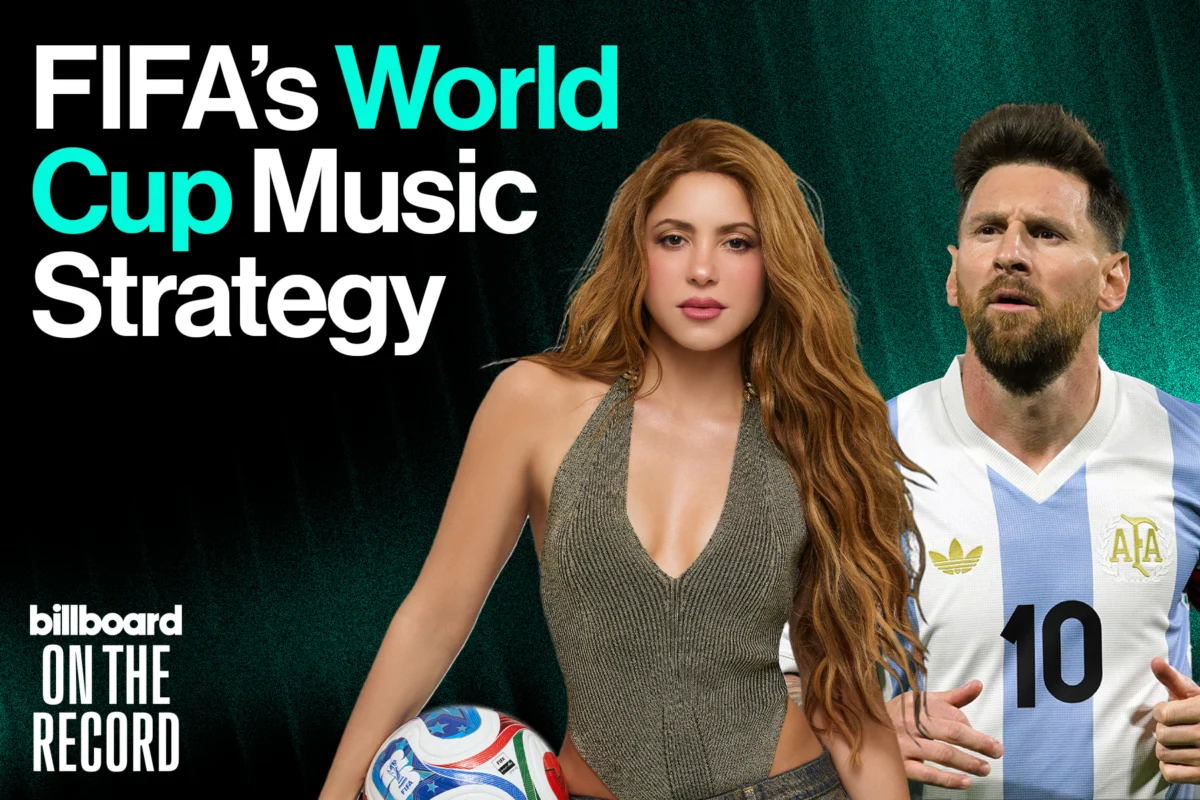
The roar of the crowd, the electrifying energy, the unforgettable moments – these are the hallmarks of the world’s most prestigious sporting events. But beneath the surface of athletic prowess and fan fervor lies another crucial element, often felt more than heard: the music. This week on Billboard On The Record, sports DJ and music curator Grayson Repp pulls back the curtain on his extraordinary career, revealing the intricate process behind curating the anthems that define colossal events for organizations like FIFA, the NBA, and the NFL, as well as the Olympic Games. Repp’s journey from local club performances to commanding stadiums filled with tens of thousands of spectators is a testament to his unique ability to blend the visceral thrill of sports with the universal language of music. He shared his insights into the nuanced art of crafting the perfect setlist, acknowledging that each match, every roaring crowd, and every host city demands a distinct sonic approach, particularly when global leaders are in attendance. His experiences, from preparing for the high-stakes World Cup to navigating the diverse musical tastes of international audiences, offer a fascinating glimpse into a career forged at the vibrant intersection of athletics and artistry.
From Nightclubs to the World Stage: The Genesis of a Sports DJ
Grayson Repp’s ascent to becoming a globally recognized sports DJ wasn’t a direct path but rather a series of serendipitous opportunities that capitalized on his innate passion. "The World Cup, and it kind of just, like, launched me into this position of being one of the world’s biggest sports DJs," Repp explained on Billboard On The Record. His pivotal moment came during the FIFA Arab Cup in Qatar in 2021, an event that served as a precursor and a proving ground for the subsequent World Cup. "I just played it like I was at a nightclub," Repp recounted, highlighting his instinctual approach to engaging the crowd. This energetic and unconventional style caught the attention of FIFA officials. "After the tournament, FIFA was like, ‘Hey, we really enjoyed that. Would you like to be this guy that curates the music for us in stadiums?’" This pivotal invitation marked a significant turning point, transforming his role from a performer to a strategic music architect for one of the planet’s most watched sporting tournaments.
Kristin Robinson, the host of Billboard On The Record, noted, "It sounds like that was your first major sporting event." Repp confirmed this, but emphasized the immediate synergy and existing professional network that facilitated his subsequent global endeavors. "Yes. A lot of the same colleagues that I have for FIFA are actually the same people that I work with all around the world doing the Olympics, NFL, NBA." This suggests a highly specialized and interconnected industry where talent and trust are paramount. The success at the Arab Cup not only opened doors to FIFA but also validated his adaptable approach, proving transferable to other major sporting leagues and international events. This cross-pollination of experience underscores the universal principles of effective music curation in high-energy environments, regardless of the specific sport or league.
The Art of the World Cup Playlist: A Six-Month Symphony of Research and Sensitivity
The meticulous preparation for a major international event like the World Cup is a testament to the complexity of Repp’s role. "Walk me through preparing for a World Cup game," Robinson prompted. Repp revealed the extensive lead time required: "I started working on the music playlists about six months in advance." This extended timeline is crucial, particularly for an event as culturally diverse and politically charged as the World Cup. Repp elaborated on the critical importance of cultural understanding: "Since it’s very regional and can be, uh, sensitive, you really do have to do your research." This involves delving into the musical preferences, cultural norms, and historical context of all participating nations, as well as the host country. The goal is to create an atmosphere that is both universally celebratory and deeply respectful of diverse backgrounds.
The potential for missteps in music selection at such a global stage is significant. A song that might be a chart-topper in one region could be perceived as inappropriate or offensive in another. Repp’s emphasis on research highlights the diplomatic aspect of his work. It’s not just about selecting popular tracks; it’s about curating a sonic narrative that unifies the global audience while acknowledging and honoring individual identities. This research likely involves understanding local music scenes, historical anthems, popular contemporary artists from participating nations, and avoiding any music that could be politically charged or culturally insensitive. The six-month lead time allows for this deep dive, consultations with local experts, and iterative refinement of playlists to ensure broad appeal and avoid potential controversy.
Navigating High-Stakes Audiences: The Pressure of Performing for World Leaders
The sheer scale and significance of events like the World Cup mean that Repp’s audience extends far beyond the average fan. Dignitaries, heads of state, and global leaders are often present, adding another layer of pressure to his performance. When asked if he ever experiences stage fright knowing that powerful world leaders are watching him DJ, Repp offered a surprisingly candid response: "I would think I was more nervous to do this podcast." This statement, while perhaps delivered with a touch of humor, reveals a profound confidence in his ability to command the stadium environment. For Repp, the stadium is his domain, a space where he has honed his craft. The podcast studio, conversely, represents a different kind of public performance, perhaps one that feels less familiar or more exposed in its conversational nature.
This anecdote underscores Repp’s professionalism and his ability to thrive under immense pressure. His focus is on delivering an exceptional experience for the entire stadium, and the presence of VIPs, while acknowledged, does not detract from his core objective. The World Cup, with its unparalleled global viewership estimated to reach billions, presents a unique platform. For instance, the 2022 FIFA World Cup in Qatar alone was projected to have a cumulative audience of over 5 billion viewers across its duration, with individual matches drawing hundreds of millions. The music played in the stadium directly contributes to the broadcast experience for this massive global audience, amplifying the impact of Repp’s curatorial choices.
A Legacy of Anthems: The Evolving Role of Music in the World Cup
The World Cup has a rich history of incorporating music as an integral part of its identity, dating back decades. "The World Cup is back, this time spanning all of North America, including games in Canada, the U.S., and Mexico. And for decades now, music has played a pivotal role in defining this event," the article notes. Since 1990, FIFA has consistently commissioned official anthems from top global stars, cementing music’s place in the tournament’s narrative. These anthems become inextricably linked to the memories of the event, serving as sonic touchstones for fans worldwide.
The article highlights iconic examples: "From Shakira’s iconic ‘Waka Waka (This Time for Africa)’ to this year’s track, ‘Lighter,’ by Jelly Roll and Carín León." Shakira’s 2010 anthem, "Waka Waka (This Time for Africa)," became a global phenomenon, topping charts in numerous countries and becoming one of the best-selling singles of all time. Its infectious rhythm and empowering lyrics resonated deeply with audiences, embodying the spirit of unity and celebration associated with the tournament. The selection of "Lighter," a collaboration between American country artist Jelly Roll and Mexican regional star Carín León for the 2026 World Cup, reflects a contemporary trend towards cross-genre and cross-cultural collaborations, aiming to capture the diverse spirit of the host nations. This strategic selection of artists and songs demonstrates FIFA’s ongoing commitment to leveraging music to amplify the global reach and emotional impact of the World Cup.
Repp’s role extends beyond simply playing these anthems; he is responsible for the entire sonic tapestry of the event. This includes pre-game warm-ups, in-stadium entertainment between matches, and celebratory music post-game. His work ensures that the energy levels remain high and that the audience is constantly engaged, creating a seamless and immersive experience. The 2026 World Cup, co-hosted by Canada, the United States, and Mexico, presents an even greater challenge and opportunity, given the vast geographic spread and the diverse cultural landscapes of the host nations. Repp’s expertise in navigating regional sensitivities and curating playlists that appeal to a broad spectrum of fans will be crucial for the success of this monumental event.
The Broader Impact: More Than Just Background Noise
Grayson Repp’s career exemplifies the evolving role of music in professional sports. It’s no longer merely a backdrop; it’s a carefully orchestrated component designed to enhance the fan experience, build brand identity, and even influence the emotional tenor of a competition. For sports leagues like the NBA and NFL, music is an intrinsic part of their entertainment product. The NBA, for instance, has long been recognized for its sophisticated use of music in arenas, often featuring a mix of contemporary hits, classic anthems, and genre-specific tracks tailored to the home team’s identity and the demographic of its fanbase. Similarly, the NFL has embraced music to create high-octane pre-game shows and electrifying halftime performances, turning each game into a spectacle.
Repp’s ability to adapt his approach for each of these entities – FIFA, the Olympics, the NBA, and the NFL – speaks to his versatility and deep understanding of what resonates with different fan bases. The Olympics, with its emphasis on global unity and athletic achievement, requires a different sonic palette than the high-energy, often hip-hop-infused atmosphere of an NBA game. The NFL, with its strong ties to American culture, often incorporates rock, pop, and country music into its stadium soundscapes. Repp’s success lies in his capacity to discern these nuances and translate them into compelling musical programming.
The financial implications of this curated soundscape are also substantial. Music licensing, artist partnerships, and the production of custom soundtracks contribute significantly to the overall revenue streams of major sporting organizations. The global reach of these events means that the music played can introduce artists to new audiences and solidify their international presence. For example, the success of Shakira’s "Waka Waka" undeniably boosted her global profile. Repp’s work, therefore, is not just about setting a mood; it’s about contributing to the economic and cultural impact of these colossal sporting enterprises. His role as a music curator is integral to the modern sports entertainment industry, shaping the emotional narrative and amplifying the unforgettable moments that define these global spectacles.
The Future of Sports Sound: Innovation and Connection
As technology continues to advance, the possibilities for sports music curation are ever-expanding. Repp’s ability to stay ahead of trends, understand evolving audience preferences, and leverage data to inform his selections will be critical. The integration of interactive elements, personalized playlists for different fan zones within a stadium, and the use of augmented reality to enhance the sonic experience are all potential avenues for innovation. Repp’s ongoing presence and influence in this field suggest a future where the soundtrack to sports is as meticulously crafted and impactful as the athletic performances themselves. His journey, from the intimate setting of a nightclub to the grand stages of global sporting events, underscores the power of music to connect, energize, and define the most exhilarating moments in human endeavor.
Listeners interested in further exploring Grayson Repp’s insights and the world of sports music curation are encouraged to follow Billboard On The Record on Instagram, TikTok, Apple Podcasts, Spotify, and YouTube. The podcast, a collaboration with SickBird Productions, offers a regular deep dive into the music industry’s most compelling stories and personalities.