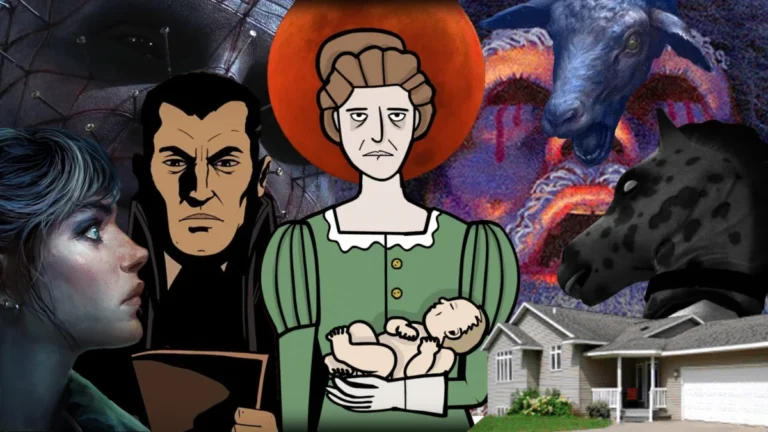



The recent PlayStation State of Play showcase provided a comprehensive look at Marvel’s Wolverine, the highly anticipated action title from Insomniac Games, while simultaneously resetting fan expectations regarding the presence of the iconic X-Men team. During a detailed gameplay reveal, creative director Marcus Smith and game director Mike Daly confirmed that while the game features legendary mutants such as Jean Grey, Sabretooth, and Mystique, the formal X-Men organization does not exist within this specific narrative continuity. This creative decision marks a significant departure from traditional Marvel media, positioning Logan not as a veteran hero of a global peacekeeping force, but as a operative within a much darker, more clandestine environment known as Team X.
The narrative framework of Marvel’s Wolverine is designed to explore the character’s origins and his place in a world where the "mutant problem" is a burgeoning, whispered-about phenomenon rather than a public reality. According to Marcus Smith, the developer’s primary objective was to build a world from the ground up that prioritizes Wolverine’s individual journey. In this setting, mutants are largely unknown to the general public, though they have already become the targets of specialized groups seeking to exploit or eradicate them. This grounded, isolationist approach allows Insomniac to delve into the "Weapon X" era of Logan’s history, providing a fresh perspective on his relationships with other mutants before they were unified under Professor Charles Xavier’s dream of peaceful coexistence.
The Foundation of Team X and the Mutant Status Quo
In the lore established for this title, Logan begins the story as a member of Team X, a black-ops unit that includes his long-time rival, Sabretooth. The gameplay footage showcased during the State of Play highlighted the friction between these two characters, suggesting that their alliance is one of necessity and professional obligation rather than mutual respect. This inclusion of Team X serves as a narrative bridge to Logan’s traumatic past, potentially touching upon the clandestine experiments that bonded adamantium to his skeleton. By focusing on this era, Insomniac is able to showcase a version of Wolverine that is more feral and less restrained by the moral compass typically provided by the X-Men.
The absence of the X-Men as a formal entity also shifts the stakes for the mutant characters involved. Without a school or a sanctuary to retreat to, characters like Jean Grey and Mystique are depicted as survivors navigating a hostile landscape. Smith noted that while the X-Men are absent, the "Marvel DNA" remains intact through the inclusion of a wide cast of characters. The presence of Mystique, who appeared in earlier teasers, and the more recent reveal of Jean Grey, indicates that the story will weave together various threads of mutant history into a singular, cohesive Logan-centric plot.
Advanced Combat Mechanics and the Buddy System
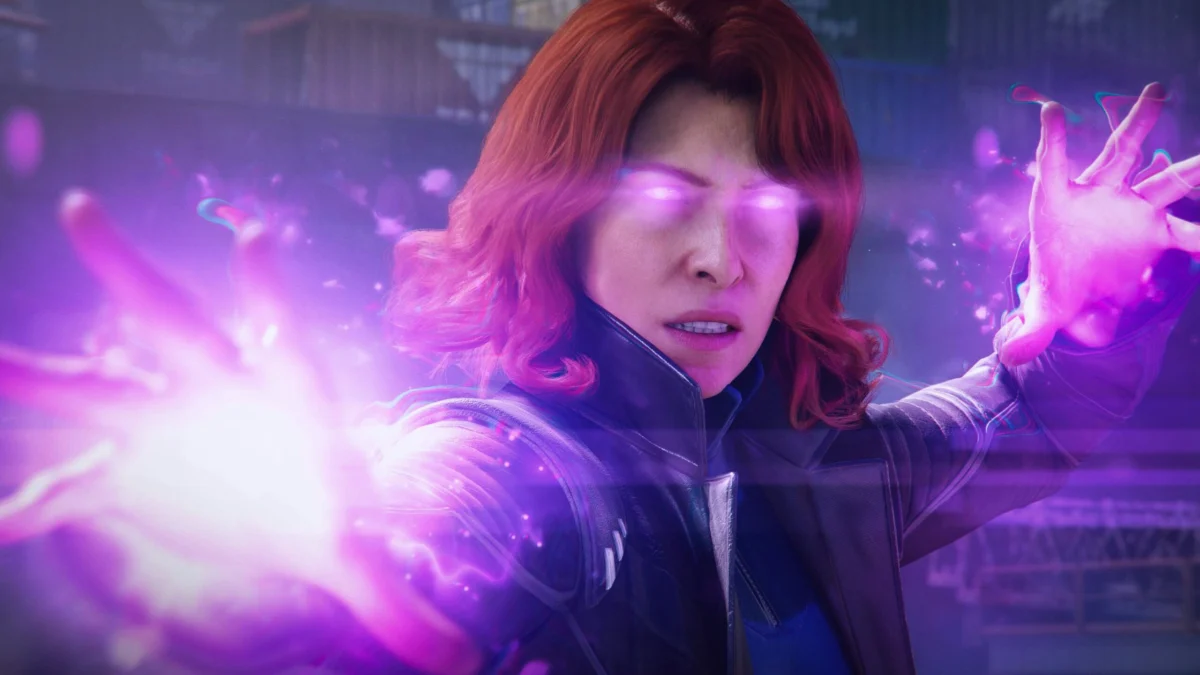
One of the most significant revelations from the gameplay footage was the implementation of a sophisticated "buddy system" that allows Logan to coordinate with AI-controlled allies. Unlike the solo-focused gameplay of the Spider-Man series, Marvel’s Wolverine emphasizes the tactical advantages of mutant synergy. Mike Daly explained that Jean Grey acts as a pivotal combat supplement, using her telekinetic and telepathic abilities to manipulate the battlefield. In practice, this allows players to engage in high-impact takedowns; for instance, Jean can suspend an enemy in mid-air, leaving them vulnerable to a lunging strike from Wolverine’s claws.
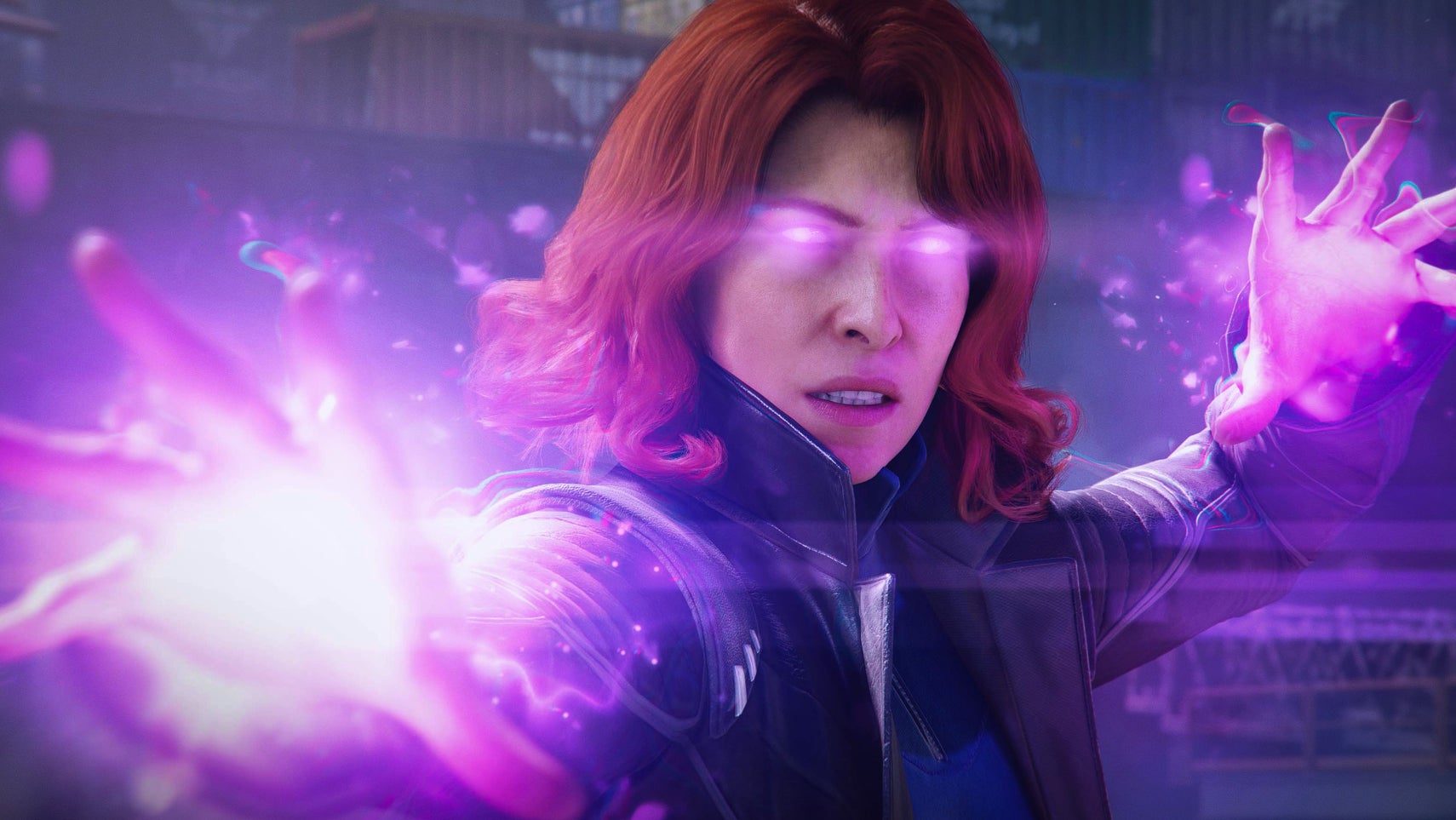
This cooperative system extends beyond simple combat maneuvers. Daly highlighted that Jean Grey is a "capable combatant" in her own right, able to defend herself and eliminate threats independently. Furthermore, the game incorporates stealth mechanics that utilize Jean’s telepathy to influence enemy behavior or provide Logan with tactical intel. This level of coordination is designed to make the player feel like part of a specialized unit, emphasizing the "Team X" aspect of the gameplay.
The dynamic changes significantly when Logan is paired with Sabretooth. While Jean Grey provides support and tactical openings, Sabretooth’s involvement is characterized by competition. Daly noted that the banter and combat interactions between Logan and Sabretooth reflect their contentious relationship. In gameplay terms, this means Sabretooth might "steal" a kill from the player at the last second, a mechanical representation of their rivalry. This variety in buddy dynamics suggests that the gameplay will remain fresh as different allies rotate through the narrative.
A Shift Toward Mature Content and Graphic Violence
Following the gameplay reveal, much of the public discourse has centered on the game’s explicit tone. Unlike the T-rated Spider-Man titles, Marvel’s Wolverine embraces an M-rating (Mature), featuring visceral combat, significant gore, and brutal finishing moves. Insomniac has defended this stylistic choice as a necessity for the character. Wolverine’s primary weapons are three-pronged metal claws designed for piercing and slashing; a sanitized version of his combat would, in the developers’ view, be a disservice to the source material.
The violence in Marvel’s Wolverine is not merely for shock value but is integrated into the "flow" of combat. Players can expect to see dismemberment, blood-splattered environments, and environmental kills that reflect Logan’s berserker rage. This tonal shift aligns the game more closely with the 2017 film Logan or the classic Uncanny X-Men comics of the 1980s, which often depicted the character in high-stakes, lethal confrontations. The developers emphasized that the gore is a natural extension of the game’s "hard-hitting" physics engine, which aims to give every claw strike a sense of weight and consequence.
Technical Specifications and PlayStation 5 Integration
As a PlayStation 5 exclusive, Marvel’s Wolverine is being built to leverage the console’s unique hardware capabilities. While specific technical benchmarks such as resolution and frame rate targets were not finalized in the reveal, the gameplay demonstrated high-fidelity character models and complex particle effects associated with Logan’s healing factor and Jean Grey’s psionic powers.
The game is expected to utilize the PS5’s ultra-high-speed SSD to eliminate loading screens during fast-paced traversal and transition sequences. Furthermore, Insomniac is reportedly integrating the DualSense wireless controller’s haptic feedback and adaptive triggers to simulate the resistance of Logan’s claws unsheathing and the impact of his strikes. The audio design is also a priority, with 3D Spatial Audio intended to help players track enemies in the dense, often chaotic environments Logan will inhabit.

Chronology of Development and Release Timeline
The journey of Marvel’s Wolverine began with its surprise announcement at the PlayStation Showcase in September 2021. At that time, only a brief teaser was shown, featuring Logan sitting at a bar following a brawl, his knuckles bloodied as his claws slowly emerged. For several years, Insomniac remained quiet regarding the project as they focused on the release of Marvel’s Spider-Man 2 in 2023.
The June 2026 State of Play served as the "re-reveal" of the project, providing the first look at actual gameplay and confirming the narrative direction. This timeline places the game’s development cycle at approximately five years, a standard duration for a high-budget, triple-A first-party title. Sony has officially set the release date for September 15, positioning it as the flagship title for the 2026 holiday season.
Broader Implications for the Insomniac Marvel Universe
The confirmation that Wolverine and Spider-Man share the same universe, yet will not feature a crossover in this title, has significant implications for the "Insomniac Marvel Universe" (IMU). Marcus Smith clarified that while "Easter-eggy sort of overlap" will exist, the two properties are being kept narratively distinct to allow each character’s tone to flourish. This suggests that Sony and Insomniac are taking a measured approach to world-building, avoiding the "crossover fatigue" that has occasionally plagued cinematic universes.
By establishing a world where the X-Men do not yet exist, Insomniac has left the door open for future installments to depict the formation of the team. This "prequel" approach to the mutant mythos provides a rich landscape for sequels, potentially focusing on the transition from Team X to the X-Men. For now, however, the focus remains squarely on Logan.
The industry’s reaction to the reveal has been largely positive, with analysts noting that Marvel’s Wolverine fills a specific niche in Sony’s portfolio for more mature, character-driven action games. As the September 15 release date approaches, further details regarding the full roster of "Team X" and the extent of the game’s semi-open world environments are expected to be disclosed. For fans of the character, this iteration promises to be the most faithful and uncompromising digital representation of Wolverine to date.