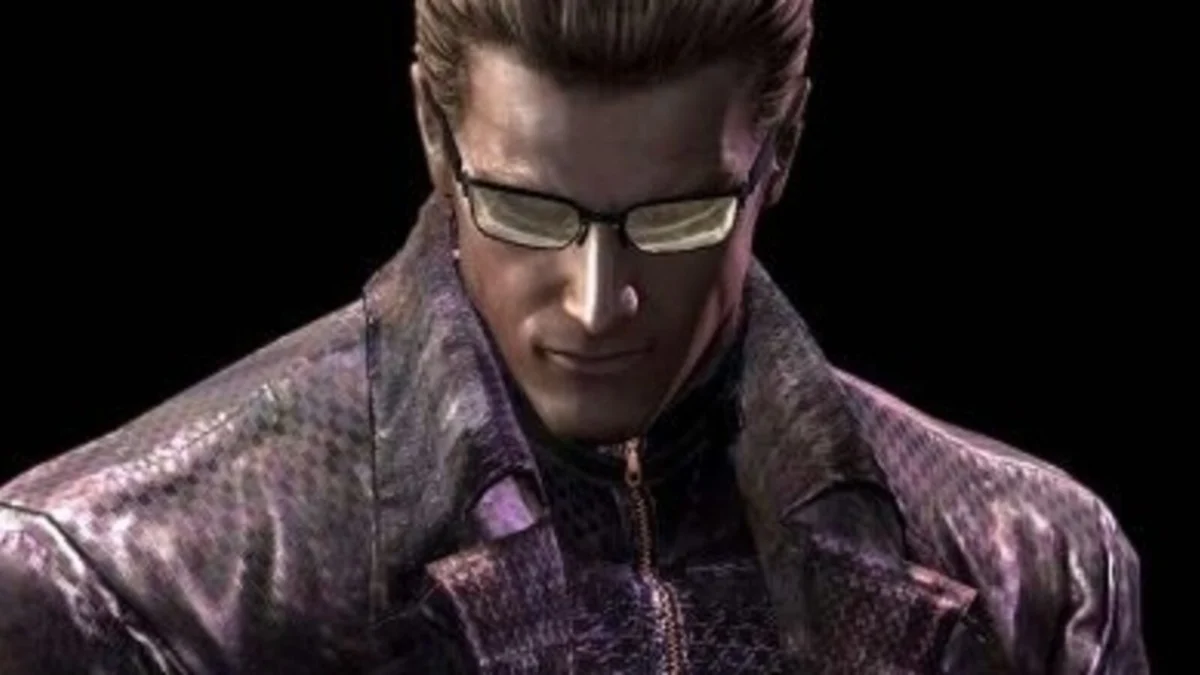
In an era where high-budget video games strive for hyper-realistic world-building, the intersection between digital environments and the real-world internet often leads to unexpected consequences. Following the blockbuster release of Capcom’s latest title, Pragmata, a vigilant player has successfully claimed an in-game web domain that the developers neglected to register in the physical world. The domain, which appears on a billboard within the game’s meticulously rendered depiction of New York City, has been transformed from a background texture into a viral hub for community-driven humor centered on Capcom’s iconic Resident Evil antagonist, Albert Wesker.
The discovery was made shortly after the game’s launch, as players began scouring the environment for hidden details and Easter eggs. While navigating the neon-lit streets of Pragmata’s futuristic Manhattan, one player noticed a specific URL displayed prominently on an in-game advertisement: "aweskerproduction.com." Recognizing the potential for a "ghost domain"—a fictional URL used in media that exists without a real-world owner—the player, Alexander Trisvyatsky, discovered that the address was available for purchase. Moving quickly to capitalize on the oversight, Trisvyatsky secured the domain and populated it with a collection of memes that pay homage to Capcom’s storied history.
The Discovery in Digital New York
Pragmata, which has been lauded for its atmospheric world-building and technical fidelity, features a dense urban environment filled with hundreds of fictional brands and advertisements designed to ground the player in its sci-fi setting. The inclusion of "aweskerproduction.com" was likely intended as a subtle nod to Albert Wesker, the primary antagonist of the Resident Evil series, serving as a "meta" reference for longtime Capcom fans. However, the failure to secure the domain before the game’s commercial release opened a window for fan intervention.
Alexander Trisvyatsky, a Russian player and dedicated fan of Capcom’s various franchises, realized that the billboard was more than just a piece of scenery. Upon confirming that the domain was unclaimed, he purchased the rights and set up a simple but effective landing page. The site serves as a satirical archive of Resident Evil culture, specifically focusing on the "campy" and over-the-top nature of the series’ older entries.
A Gallery of Biohazard Satire
Visitors to the now-active website are greeted with a scrolling collage of visual gags and internet memes that have circulated within the Resident Evil community for years. The primary focus is Albert Wesker, depicted in various humorous contexts that contrast sharply with his persona as a cold, calculating bioweapon mastermind. Among the most popular images on the site is a GIF of Wesker removing his signature sunglasses, only to reveal another identical pair of sunglasses underneath—a reference to the character’s unwavering commitment to his aesthetic, even in the middle of a global viral outbreak.
The site also features other series stalwarts. Chris Redfield is depicted in a looped animation of his infamous "boulder-punching" scene from Resident Evil 5, a moment often cited by fans as the peak of the series’ action-oriented absurdity. Leon S. Kennedy also makes several appearances, frequently shown with distorted facial expressions or placed in surreal crossovers, such as Albert Wesker standing alongside the Sanrio character Hello Kitty.
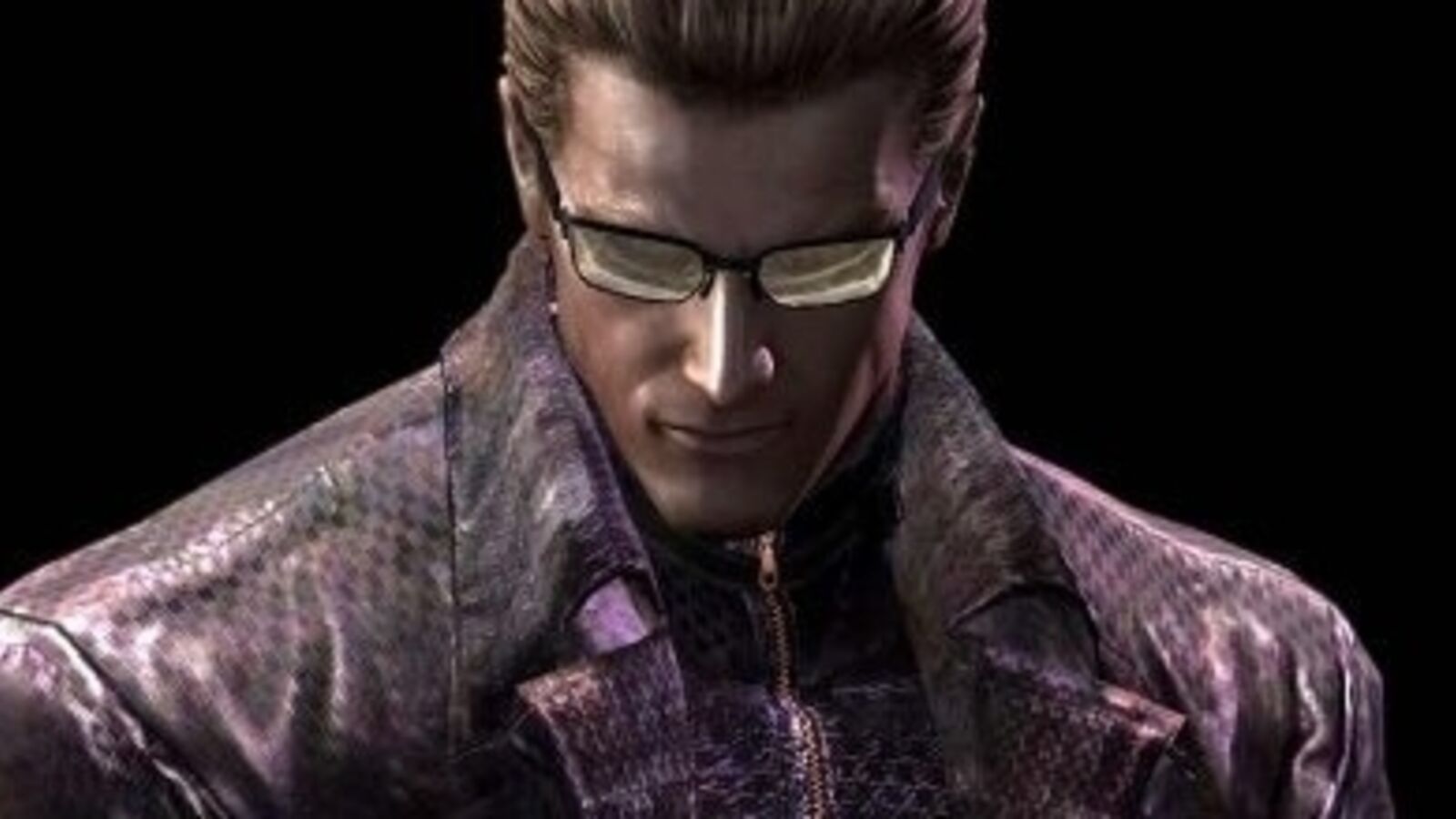
According to Trisvyatsky, the creation of the site was a rapid process. Speaking to industry outlets, he noted that the project was assembled in a matter of minutes once the domain was secured. Despite the low technical barrier to entry, the site has tapped into a deep well of nostalgia and community humor, garnering significant traffic within its first 48 hours of operation.
Behind the Domain: Alexander Trisvyatsky’s Motivation
While domain squatting is often associated with predatory practices or attempts to extort corporations for high buy-back prices, Trisvyatsky has been vocal about his intentions. He describes the project as a "one-time" fan tribute rather than a commercial venture. He has explicitly stated that the website features no advertisements, does not track user data, and does not solicit donations.
"I have no plans for the domain," Trisvyatsky told reporters. "I want to emphasize that I am just a regular fan, not a scammer. I just wanted to have some fun, and it seems it worked."
Furthermore, Trisvyatsky expressed a high level of respect for Capcom, particularly regarding their commitment to international audiences. He highlighted Capcom’s efforts to provide full Russian localization, including voice acting, for their major titles. This level of support is highly valued by the Russian-speaking gaming community, and Trisvyatsky indicated that his project was born out of affection for the developer’s work. He has also offered to transfer the domain to Capcom immediately and without charge should the company request it.
The Phenomenal Commercial Success of Pragmata
The "aweskerproduction" incident comes at a time when Pragmata is dominating industry headlines for its commercial performance. Despite a lengthy development cycle and several delays that led to high levels of anticipation, the game has proven to be a massive hit for Capcom. Official data indicates that Pragmata surpassed one million copies sold within just 48 hours of its global launch.
The game is currently available on PlayStation 5, Xbox Series X/S, and PC, with a rumored version for the "Nintendo Switch 2" also generating significant buzz. Critics have praised the title for its innovative use of the RE Engine, delivering a visual experience that pushes the boundaries of current-generation hardware. The "digital New York" where the domain was found has been a particular point of praise, with reviewers noting that the level of detail encourages the kind of exploration that led to Trisvyatsky’s discovery.
Corporate Oversight and the Risk of Ghost Domains
The failure to register "aweskerproduction.com" highlights a recurring challenge for large-scale media productions. In the film and television industry, it has become standard practice for legal departments to register any URL that appears on screen to prevent "cyber-squatting" or the redirection of viewers to inappropriate content. Famous examples include the various websites mentioned in Breaking Bad or the satirical sites featured in the Grand Theft Auto series, most of which are owned and managed by the respective production companies.

In the gaming industry, however, the sheer scale of modern open worlds makes this a logistical hurdle. A game like Pragmata may contain hundreds of textures featuring text, and ensuring every fictional URL is accounted for requires rigorous cross-departmental communication between art teams and legal teams. When a company misses a domain, they risk the site being used for malicious purposes, such as phishing or hosting malware. In this instance, Capcom appears to have been fortunate that the domain was claimed by a benevolent fan rather than a malicious actor.
Capcom’s Relationship with the Community
As of this morning, Trisvyatsky reported that the website had reached over 45,000 unique views. This surge in traffic demonstrates the power of "emergent gameplay"—the ways in which players interact with a game’s world beyond the intended mechanics. By bridging the gap between the game’s environment and the real-world web, Trisvyatsky has created a secondary layer of engagement for the Pragmata community.
Capcom has historically maintained a complex but generally positive relationship with its modding and fan communities. While the company has occasionally taken a hard line on intellectual property protection—particularly regarding unofficial remakes—it has also embraced fan creativity in the form of community contests and social media engagement. Given Trisvyatsky’s public offer to hand over the domain, industry analysts expect Capcom to either ignore the site as a harmless joke or quietly accept the transfer to ensure the URL remains under their control for future use.
Future Outlook and IP Management
The success of Pragmata and the subsequent viral nature of the "aweskerproduction" site suggest that Capcom’s brand synergy is stronger than ever. The fact that a reference to a character from a different franchise (Resident Evil) could spark such interest within a new IP like Pragmata speaks to the interconnected nature of Capcom’s "universe" in the minds of players.
Moving forward, this incident may serve as a case study for other developers. As in-game environments become more interactive and detailed, the boundary between the virtual and the physical continues to blur. For Capcom, the 45,000 views on a fan-made meme site are a testament to the passion of their audience, but they also serve as a reminder that in the digital age, no detail is too small to be overlooked.
For now, the site remains live, offering a humorous reprieve for players who have finished their initial journey through Pragmata’s dystopian streets. Whether it remains a fan-run gallery of Wesker memes or eventually becomes an official Capcom landing page, the "aweskerproduction" saga has already carved out a unique place in the history of the game’s launch, proving that sometimes, the most memorable parts of a game are the ones the developers never intended for the players to actually find.