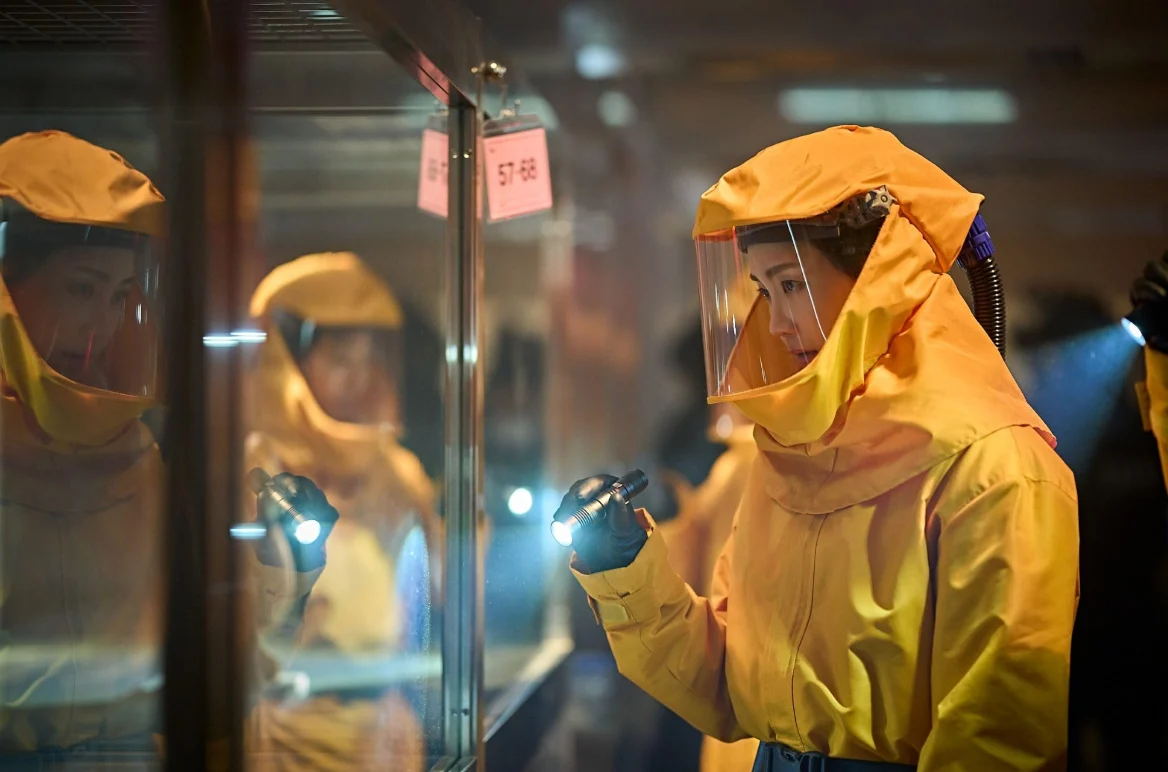
The highly anticipated South Korean action-horror film "Colony," also known by its alternative title "The Hive," is set to make its international debut at the prestigious Cannes Film Festival in the Midnight Screenings section. The film, which centers on a terrifying outbreak of a rapidly mutating virus, will then receive its theatrical release on May 21st. This narrative plunges audiences into a desperate struggle for survival within a sealed facility, where a renowned professor and a handful of survivors confront the horrifying transformations of the infected.
A Biotech Nightmare Unleashed
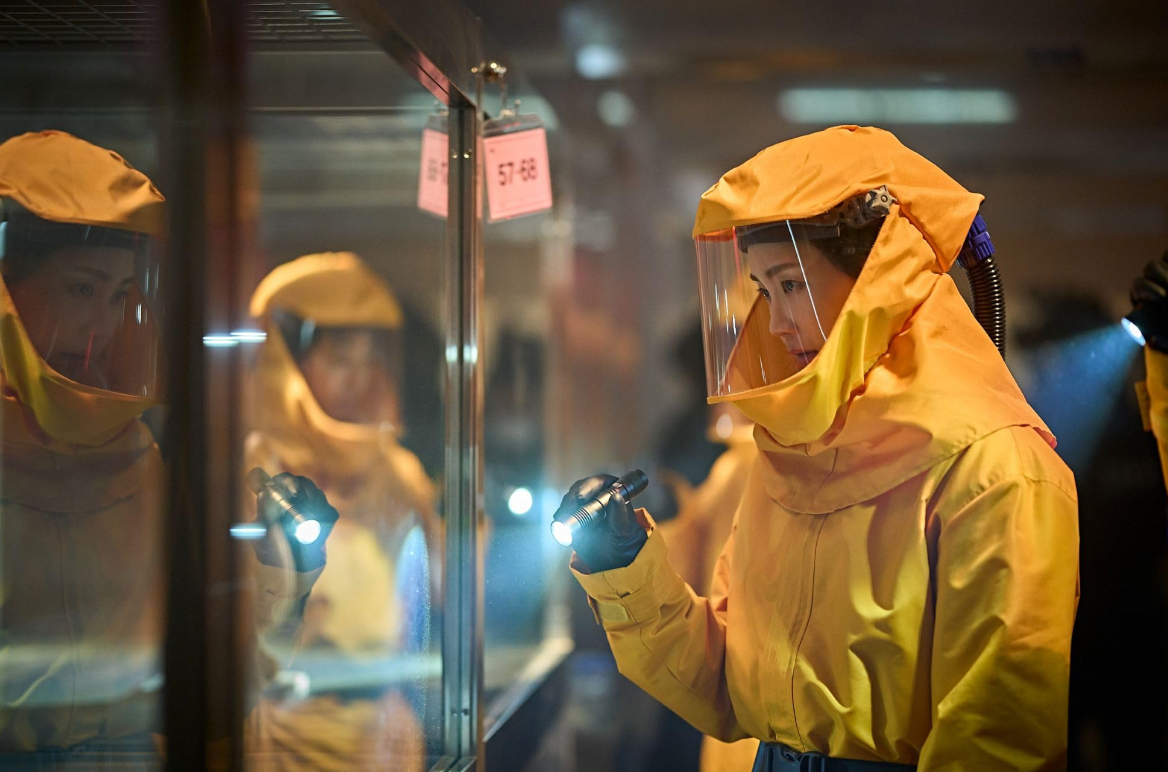
"Colony" unfolds against the backdrop of a high-stakes biotech conference, an event that tragically becomes the epicenter of a biological catastrophe. Professor Se-jeong, portrayed by the acclaimed Jun Ji-hyun, finds herself at the heart of this unfolding nightmare. As a virulent and rapidly mutating virus is released, the facility is immediately placed under a strict lockdown, trapping everyone inside with no apparent means of escape. The film promises to be a visceral exploration of human resilience and the primal instinct to survive when confronted with an unimaginable threat.
The narrative thrusts Se-jeong and a small band of survivors into a desperate battle against time and an escalating biological hazard. The infected are not merely passive victims; the film emphasizes their horrific transformations, suggesting a grotesque and aggressive evolution that poses a significant danger to those still unaffected. This element of body horror and relentless threat is a hallmark of the action-horror genre, and "Colony" appears poised to deliver a potent dose of both.
Cannes Premiere: A Prestigious Launchpad
The selection of "Colony" for the Midnight Screenings section at the Cannes Film Festival is a significant indicator of its potential appeal to international audiences and critics. Midnight Screenings are reserved for films that often push boundaries, explore darker themes, or deliver intense genre experiences. This slot is a celebrated platform for horror, thriller, and cult films, providing them with a global spotlight and an opportunity to generate buzz within the film industry.
The Cannes Film Festival, held annually in Cannes, France, is widely regarded as one of the most prestigious film festivals in the world. Its inception dates back to 1946, and it has since become a crucial event for filmmakers, distributors, and industry professionals to showcase new works, forge collaborations, and gauge the pulse of global cinema. For a South Korean production to be featured in such a prominent international festival underscores the growing influence of Korean cinema on the world stage.
Theological Roots and Cinematic Evolution: A Broader Context
While the provided synopsis focuses on the immediate plot of "Colony," it’s worth noting that the concept of a "hive" or a collective, often menacing, entity has deep roots in human mythology and psychology. From ancient tales of swarms and monstrous colonies to modern interpretations in science fiction and horror, the idea of a unified, overwhelming threat often taps into primal fears of loss of individuality and an inescapable, encroaching danger. The title "The Hive" itself evokes this sense of an organized, relentless, and perhaps instinct-driven adversary.
South Korean cinema has a rich history of producing critically acclaimed and commercially successful films across various genres, including horror and thrillers. In recent years, films like Bong Joon-ho’s "Parasite" (which won the Palme d’Or at Cannes and the Academy Award for Best Picture) and Yeon Sang-ho’s "Train to Busan" (a global zombie apocalypse hit) have demonstrated the genre filmmaking prowess of South Korea. "Colony" appears to be building upon this legacy, aiming to deliver a compelling and terrifying cinematic experience. The genre’s increasing popularity worldwide suggests a strong audience appetite for well-crafted horror narratives that can also offer social commentary or explore complex human emotions under duress.
Chronology of Events: From Release to Theatrical Debut
The narrative of "Colony" is intrinsically tied to a specific chronological sequence of events that escalates the crisis:
- The Biotech Conference: The film’s inciting incident occurs during a biotechnology conference. This setting implies a gathering of scientific minds, potentially with advanced, but perhaps unstable, research being presented or discussed. The choice of a conference venue suggests a controlled environment that is violently disrupted.
- Virus Release: A rapidly mutating virus is released within the facility. The "rapidly mutating" aspect is crucial, indicating that the threat is not static and may evolve in unpredictable and increasingly dangerous ways. This characteristic often heightens the sense of urgency and helplessness in survival narratives.
- Facility Lockdown: In response to the outbreak, authorities implement an immediate and total lockdown of the facility. This action, while intended to contain the spread, effectively traps the protagonists, turning their place of work or attendance into a de facto prison. The lack of escape routes is a key element of the film’s premise, amplifying the claustrophobic tension.
- The Struggle for Survival: Professor Se-jeong and a small group of survivors are left to contend with the escalating crisis. This period is characterized by their fight to stay alive against the infected, who are undergoing "horrific transformations." The nature of these transformations is a central mystery and likely a source of considerable horror.
- Cannes Film Festival Premiere: The film is selected for the Midnight Screenings section of the Cannes Film Festival, marking its international debut and providing a platform for critical reception and industry exposure. This event serves as the first public unveiling of the film to a global audience.
- Theatrical Release: Following its festival premiere, "Colony" is scheduled for its theatrical release on May 21st, making it accessible to the general public in cinemas. This date signifies the culmination of the film’s festival run and its entry into wider distribution.
Supporting Data and Genre Trends
The action-horror genre has seen consistent global appeal, with films often achieving significant box office success and generating substantial revenue. For example, the "Resident Evil" franchise, which shares thematic similarities with contained biological threats and mutated adversaries, has grossed over $1.2 billion worldwide. Similarly, the zombie subgenre, exemplified by "Train to Busan" ($87.5 million worldwide) and its sequel, demonstrates a strong audience engagement with survival-horror narratives.
The rise of South Korean cinema in the global market, particularly within genre filmmaking, is a significant trend. The critical and commercial success of films like "Parasite" has opened doors for other Korean productions. Furthermore, the increasing availability of streaming platforms has facilitated the global distribution and consumption of international films, allowing audiences to discover and embrace diverse cinematic offerings. The investment in high-concept, visually striking genre films from South Korea is a testament to their recognized quality and marketability. The global box office for horror films alone is estimated to be in the billions of dollars annually, indicating a robust and enduring audience.
Official Responses and Industry Buzz (Inferred)
While specific official statements regarding "Colony" from the filmmakers or distributors have not been detailed in the initial information, the selection for Cannes implies a positive reception from festival programmers. Industry buzz is likely to build following the Midnight Screenings premiere, with critics and distributors assessing the film’s commercial viability and artistic merit.
Filmmakers and producers in the South Korean film industry often express pride in their work being recognized on international stages like Cannes. Such selections are seen not only as a validation of their creative efforts but also as an opportunity to promote Korean culture and cinema globally. Distributors typically look for films that can resonate with diverse audiences and offer unique selling points, which "Colony" appears to possess with its blend of action and horror elements. The anticipation for a film that features a prominent South Korean star like Jun Ji-hyun is also expected to contribute to the industry buzz.
Broader Impact and Implications
The success of "Colony" could have several implications for South Korean cinema and the international genre film market.
- Further International Exposure for South Korean Talent: A strong performance at Cannes and subsequent box office success could further elevate the international profiles of the cast and crew, potentially leading to more opportunities in global productions. Jun Ji-hyun, already a renowned actress, could see her international appeal solidified.
- Market Viability of Korean Action-Horror: A positive reception would reinforce the marketability of South Korean action-horror films for international distribution, encouraging further investment in similar projects. This could lead to an increased presence of Korean genre films in global theatrical releases and on streaming platforms.
- Contribution to the Global Horror Landscape: The film’s unique take on virus outbreaks and monstrous transformations could contribute fresh perspectives and innovative elements to the broader horror genre, potentially influencing future productions. The emphasis on "rapidly mutating" and "horrific transformations" suggests a potential for novel creature design and plot developments.
- Cultural Diplomacy: Successful South Korean films often serve as ambassadors for the nation’s culture. "Colony," by showcasing Korean storytelling and filmmaking capabilities, contributes to this ongoing cultural exchange. The global fascination with Korean popular culture, from K-pop to K-dramas, provides a fertile ground for films to gain traction.
In conclusion, "Colony" arrives with significant anticipation, poised to deliver a high-octane and terrifying cinematic experience. Its premiere at Cannes and subsequent theatrical release mark a pivotal moment for this South Korean production, with the potential to captivate audiences worldwide and further solidify the global reputation of Korean genre filmmaking. The film’s narrative promises to tap into universal fears of contagion and the unknown, set against a backdrop of desperate survival, all within the confines of a sealed and terrifying environment.