


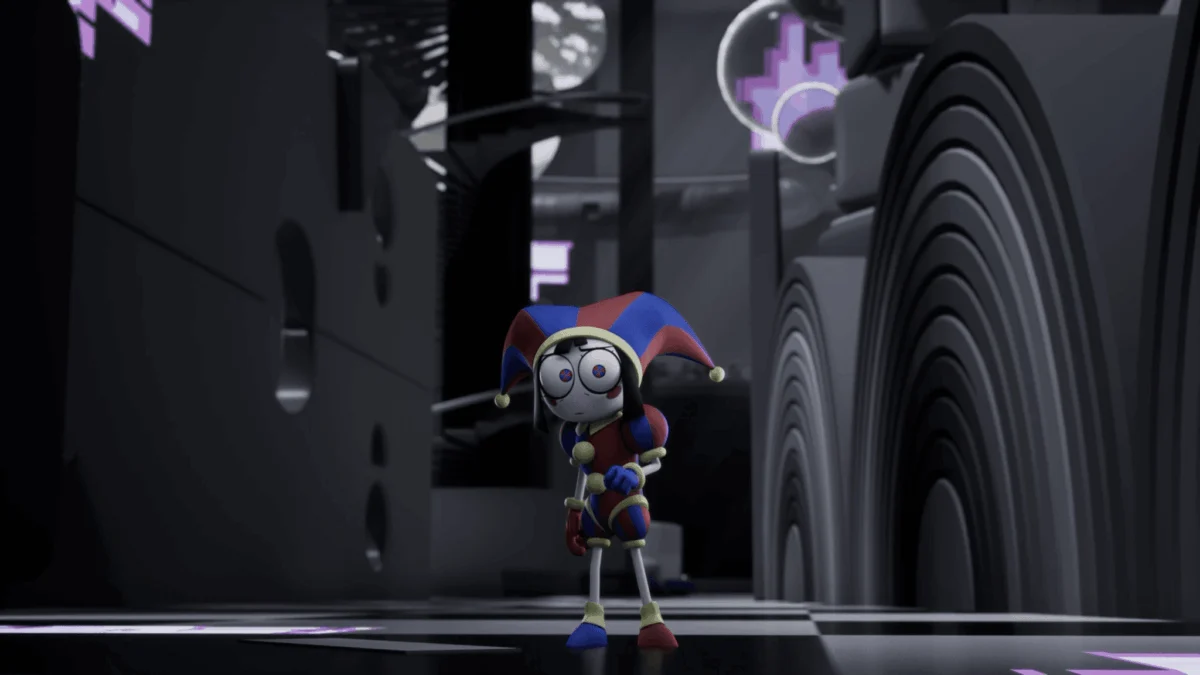
The fandom of The Amazing Digital Circus has experienced a transformative and often tumultuous few weeks as the boundary between internet subculture and mainstream cinematic distribution continues to blur. Since Glitch Productions, the independent Australian animation studio responsible for the global phenomenon, announced in early April that the series finale would debut in theaters rather than its native platform of YouTube, the digital landscape has been a hive of intense speculation and protective moderation. Fans have found themselves in a dual state of anticipation and defensive isolation, navigating a sea of potential spoilers while avoiding unverified leaks regarding the final chapter of a story that has captured the imagination of over a billion viewers.
On the popular subreddit r/tadc, the tension is palpable. Pinned posts from moderators seek additional help to manage the influx of sensitive information, while community updates address the surge in controversies and unofficial leaks. Beneath the administrative headers lies a vast ecosystem of fan art, memes, and restless discussion, all centering on a show that has redefined the potential of independent web-based content.
The Genesis of a Digital Phenomenon
The Amazing Digital Circus began its ascent in late 2023 when Glitch Productions uploaded its pilot episode. The premise—an absurdist animated series following six humans trapped in a virtual world governed by an AI ringmaster with a god complex—struck an immediate chord. The characters, rendered as cartoonish avatars who have lost the memories of their real-world identities, navigate a surreal landscape that balances wry humor with existential dread. At its core, the series explores themes of isolation, the fragility of human connection in a technologically mediated world, and the search for identity within an artificial construct.
These themes have resonated profoundly with a demographic of younger viewers who have come of age in an era defined by social media, artificial intelligence, and digital saturation. To date, the series has amassed more than 1.3 billion views on YouTube, a metric that rivals the reach of major television networks and traditional streaming platforms. The announcement of the theatrical finale, titled The Amazing Digital Circus: The Last Act, represents a pivotal moment where a digital-first community transitions into a physical, real-world experience.
A Strategic Leap to the Big Screen
The decision to transition the finale to a theatrical format was spearheaded by Kevin Lerdwichagul, the cofounder and CEO of Glitch Productions. Observing the enthusiasm of fans at live conventions, Lerdwichagul identified a significant desire for communal experiences among a generation often characterized as being perpetually online. "People, especially my generation and younger, are craving human connection," Lerdwichagul noted, highlighting the paradox of digital fame leading to a demand for physical gatherings.
When Kevin and his brother Luke Lerdwichagul, the studio’s chief content officer, initially discussed the theatrical model several years ago, the industry was mired in concerns about the decline of the traditional movie-going experience. Critics argued that younger audiences were abandoning theaters in favor of short-form mobile content. The Lerdwichaguls sought to challenge this narrative by partnering with Fathom Events, a distributor specializing in event-based screenings across the United States.
The market response was immediate and overwhelming. Within days of tickets going on sale on April 10, theaters began reaching capacity. The film recorded $5 million in ticket sales during its first weekend alone, prompting a rapid expansion of the release. Ray Nutt, the CEO of Fathom Events, reported that the presale period generated more website traffic in a single day than the company typically sees in an entire month.
Unprecedented Scale and Global Demand
The scale of the release quickly outpaced initial projections. Originally, Glitch Productions had aimed for a run on approximately 900 screens. However, due to intense fan demand and proactive outreach to local theaters by the community, that number surged to over 2,000 screens in the United States. Including international markets, The Last Act is scheduled to play at more than 4,000 theaters across dozens of countries starting June 4. What was originally intended to be a four-day limited engagement has been extended to a two-week run, concluding just as the episode becomes available for free on YouTube.
This trajectory is unprecedented for an independent production company that has remained steadfastly autonomous. Unlike many successful web creators who leverage YouTube views to secure deals with major studios like Disney or Warner Bros., Glitch Productions has maintained its independence to preserve creative control. This autonomy allowed them to produce a show that subverts traditional family-friendly animation tropes, opting instead for a narrative that explores trauma and existentialism within a vibrant, albeit torturous, virtual environment.
The Context of the Creator-to-Cinema Pipeline
The success of The Amazing Digital Circus is part of a broader trend where content creators are revitalizing the box office. In early 2024, the sci-fi horror film Iron Lung, directed by and starring the YouTuber Markiplier, demonstrated the power of a dedicated online following, grossing nearly $18 million domestically. Similarly, the documentary Kaizen, following French YouTuber Inoxtag, sold 350,000 tickets in a single day across 1,000 screenings.
Other notable successes include Curry Barker’s psychological horror film Obsession, which earned nearly $150 million worldwide, and Kane Parsons’ Backrooms, a film based on a viral YouTube creepypasta series that brought in $118 million during its opening weekend. These figures suggest that the "influencer" label is evolving into a "content creator" powerhouse capable of driving significant theatrical revenue.
Charlotte Jones, a media and entertainment analyst at Omdia, suggests that the rise of creators in cinemas marks a new era for the film industry. "It highlights the powerful role of avid fan bases in shaping demand for diverse content on the big screen," Jones stated, noting that event-driven experiences are becoming a cornerstone of modern theatrical strategy.
Disrupting the Traditional Distribution Window
One of the most significant aspects of the Glitch Productions model is the disruption of the "theatrical window"—the period of time a film remains exclusively in theaters before becoming available for home viewing. Traditionally, this window spanned 90 days, though it shortened to approximately 45 days following the Covid-19 pandemic. Glitch’s decision to implement a mere 14-day window is a radical departure from industry norms.
Christofer Hamilton, an industry insights manager at Parrot Analytics, notes that traditional windows are designed to maximize casual box office revenue and justify massive marketing budgets. However, Glitch does not require a Hollywood-scale marketing campaign because they possess a direct, frictionless relationship with their audience. Data from Parrot Analytics indicated that following a recent episode release in March, demand for The Amazing Digital Circus was 76 times higher than the average for other online series.
The shorter window was a strategic choice by Kevin Lerdwichagul to balance the studio’s financial goals with the needs of the fandom. He recognized that forcing fans to wait months for a YouTube release would lead to frustration and a high likelihood of the finale being spoiled by those who attended the early screenings.
Navigating Fandom Friction and Industry Evolution
Despite the record-breaking success, the move to theaters was not without internal community friction. Some fans expressed concerns that a paid theatrical release created a divide within the fan base, separating those who could afford or access a theater from those who could not. In response to the discourse, Glitch Productions issued a statement emphasizing that the theatrical run was a means to prove the viability of independent animation to the broader industry.
Lerdwichagul’s vision extends beyond the success of a single show. He views this theatrical experiment as a catalyst for systemic change. "The goal is to completely change the system—or really not change it, evolve it," he stated. By proving that an independent studio can command a global theatrical audience without the backing of a major conglomerate, Glitch is opening doors for a new generation of animators and storytellers who wish to remain outside the traditional studio system.
Analytical Implications for the Future of Animation
The success of The Amazing Digital Circus serves as a critique of the current state of mainstream animation. In recent years, major studios have largely pivoted toward "safe" bets, such as established franchises like Despicable Me or the Super Mario Bros. movie. Even critically acclaimed works like KPop Demon Hunters struggled to secure theatrical releases until they achieved massive popularity on streaming platforms like Netflix.
Glitch Productions has demonstrated that there is a massive, underserved market for subversive, original, and high-concept animation. Their ability to monetize through merchandise, direct-to-fan sales, and now theatrical ticket revenue provides a blueprint for financial sustainability that does not rely on selling intellectual property to the highest bidder.
As June 4 approaches, the industry will be watching closely to see if the momentum of the presales translates into a sustained theatrical event. If The Last Act continues its current trajectory, it will not only solidify Glitch Productions’ place in the annals of animation history but also mark the beginning of a new chapter where the internet does not just supplement the cinema—it saves it.