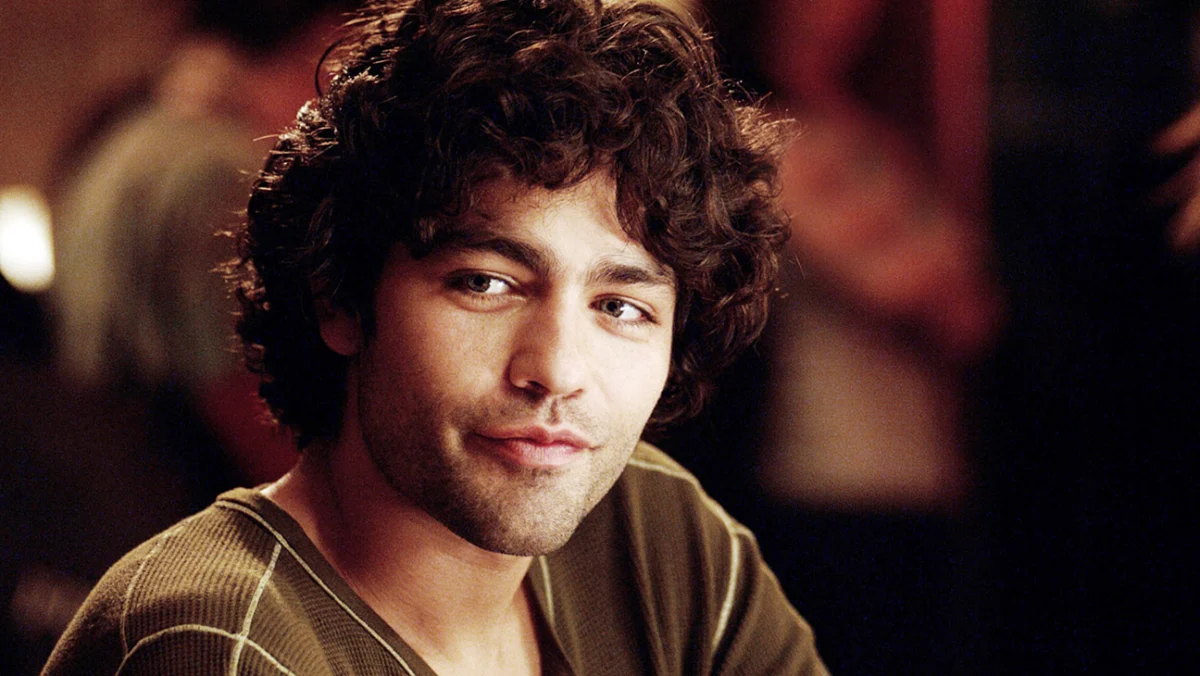
The highly anticipated sequel to the beloved 2006 cinematic phenomenon, The Devil Wears Prada, is poised to captivate audiences once again, bringing back its formidable core cast. Anne Hathaway, Meryl Streep, Stanley Tucci, and Emily Blunt are all reprising their iconic roles, signaling a triumphant return for the fashion-forward narrative. However, a notable absence from the star-studded ensemble is Adrian Grenier, who portrayed Nate, the boyfriend of Hathaway’s character, Andy Sachs, in the original film. David Frankel, who directed both the original and the upcoming follow-up, has recently shed light on the circumstances surrounding Grenier’s exclusion, attributing it primarily to insurmountable production timeline constraints. This explanation comes after months of public speculation and Grenier’s own expressions of disappointment, which he linked to a perceived negative public sentiment towards his character.
The Enduring Legacy of The Devil Wears Prada
Released in 2006, The Devil Wears Prada quickly transcended its genre to become a cultural touchstone, celebrated for its sharp wit, captivating performances, and incisive look into the cutthroat world of high fashion journalism. Based on Lauren Weisberger’s best-selling novel, the film chronicled the journey of aspiring journalist Andrea "Andy" Sachs (Anne Hathaway) as she navigates the demanding and often ruthless environment as the assistant to Miranda Priestly (Meryl Streep), the formidable editor-in-chief of the fictional Runway magazine. The film was a critical and commercial success, grossing over $326 million worldwide against a budget of $41 million. Meryl Streep earned an Academy Award nomination for Best Actress for her portrayal of Miranda Priestly, a performance that cemented the character’s status as one of cinema’s most iconic antagonists.
Beyond its financial success and critical acclaim, The Devil Wears Prada resonated deeply with audiences for its exploration of ambition, sacrifice, and the often-conflicting demands of career versus personal life. Andy’s transformation from an unassuming recent graduate to a polished fashion insider, while maintaining her integrity, captivated viewers. Central to Andy’s initial grounding and later conflict was her relationship with Nate, her long-term boyfriend, portrayed by Adrian Grenier. Nate represented Andy’s "real world" life, a stark contrast to the glamorous yet superficial universe of Runway. His character was initially presented as a supportive, if somewhat bewildered, partner. However, over the years, particularly with the advent of social media and online fan communities, a significant re-evaluation of Nate’s character occurred, leading to widespread discussions and what Grenier himself has acknowledged as "backlash."
The Road to the Sequel and Early Speculation
Whispers of a potential sequel to The Devil Wears Prada have circulated for years, fueled by the original film’s enduring popularity and the consistent enthusiasm from its cast members. Anne Hathaway, Meryl Streep, and Emily Blunt have all, at various times, expressed openness to revisiting their characters. The formal announcement of a sequel was met with widespread excitement, sparking immediate speculation among fans about which characters would return and what new narrative arcs would unfold. Given his central role in Andy’s personal life in the original film, Adrian Grenier’s potential involvement was a natural point of discussion. Many wondered if Andy and Nate’s relationship, which ended ambiguously in the first film, would be revisited, or if Nate would make an appearance in a different capacity, perhaps as a reminder of Andy’s past.
The confirmation that Hathaway, Streep, Tucci, and Blunt would all return solidified the sequel’s status as a major event. These actors, whose performances were integral to the original film’s charm and success, represent the core dynamic that audiences have come to love. Streep’s Miranda Priestly remains a benchmark for powerful, complex female characters, while Hathaway’s Andy Sachs embodies the everywoman thrust into an extraordinary world. Tucci’s Nigel provides comic relief and mentorship, and Blunt’s Emily Charlton delivers sharp-tongued wit and a relatable journey of professional ambition. The return of these key players set high expectations for a narrative that would build upon their established relationships and individual trajectories.
Director David Frankel’s Explanation: A Matter of Time
The definitive explanation for Adrian Grenier’s absence came recently from director David Frankel in an interview with Entertainment Weekly. Frankel, who helmed the original film and returns for the sequel, clarified that the decision was not a creative slight but rather a logistical hurdle. He revealed that he did, in fact, consider integrating Grenier into the sequel, albeit in a limited capacity. "I had an idea about sneaking him into a cameo," Frankel told the publication, indicating that there was an initial intent to acknowledge Nate’s place in Andy’s history.
However, the realities of film production, particularly for a high-profile sequel involving an ensemble of A-list actors, proved prohibitive. Frankel elaborated on the extremely tight production schedule that ultimately thwarted his plans for Grenier’s cameo. "In the end, it was just too late in our production schedule to make it happen," he stated, further noting the intense pace by revealing that "the film completed filming less than a month before its slated release date, so there wasn’t time." This candid admission underscores the immense pressure and rapid turnaround often associated with major studio releases, where even minor additions to the cast, especially for a cameo that requires scheduling, script integration, and filming, can become logistically impossible when time is of the essence.
Film production timelines are notoriously complex, involving the coordination of multiple schedules for actors, crew, locations, and post-production elements. Adding a cameo, even for a brief appearance, necessitates specific filming days, travel arrangements, and contractual agreements, all of which must align perfectly within an already compressed schedule. For a film that wrapped principal photography just weeks before its theatrical debut, the margin for any last-minute additions would have been virtually nonexistent. Frankel’s explanation provides a clear, practical reason for Grenier’s omission, shifting the narrative from a perceived creative snub to a genuine logistical challenge.
Adrian Grenier’s Disappointment and the "Nate Backlash"
Prior to Frankel’s recent clarification, the news of Grenier’s non-return had been circulating for several months. The Hollywood Reporter initially confirmed in July that Grenier would not be part of the sequel. It was some time after this confirmation that Grenier himself publicly addressed his absence, expressing a sense of disappointment. In an interview with Page Six, the actor shared his feelings, stating, "We’re all fans of the movie, whether or not we were in it. Obviously, it was a disappointment that I didn’t get the call to be in the sequel."
Crucially, Grenier also offered his own hypothesis regarding the reasons behind his exclusion, linking it to the evolving public perception of his character. "But I also understand there was some backlash with Nate, the character, so that might have something to do with it," he speculated. This statement brought to the forefront a phenomenon that had gained significant traction online over the years: the re-evaluation of Nate’s character by The Devil Wears Prada fandom.
When the film first premiered, Nate was largely seen as the sympathetic, grounded boyfriend who was losing his girlfriend to the allure and demands of a high-pressure career. He represented the "normal" life Andy was leaving behind. However, with subsequent viewings and the rise of online film analysis and discussion, a different perspective emerged. Many viewers, particularly younger generations and those in demanding career paths, began to view Nate as unsupportive, selfish, and even manipulative. His complaints about Andy’s long hours, her changing priorities, and her inability to attend his birthday dinner (a scene often cited) were reinterpreted as him being an obstacle to Andy’s professional growth and happiness rather than a victim of her ambition. The infamous "cheese sandwich" incident, where Nate complains about Andy not making him a gourmet meal, became a symbol of his perceived entitlement and lack of understanding for Andy’s burgeoning career. This "Nate backlash" became a pervasive theme in fan discussions, transforming him from a relatable boyfriend into a controversial figure.
Grenier’s acknowledgment of this backlash suggests he was well aware of the shift in public opinion. While his initial disappointment was palpable, his subsequent reasoning indicated an understanding of how character perceptions can evolve and influence creative decisions in a sequel. Whether this fan sentiment directly influenced the creative team’s original plans (prior to the logistical issues) or merely provided Grenier with a plausible explanation for his absence remains speculative, but it highlights the significant impact of audience engagement in contemporary media.
A Humorous Acknowledgment: The Starbucks Ad
In a testament to his good humor and self-awareness, Adrian Grenier recently poked fun at his exclusion from the sequel in a widely publicized Starbucks advertisement. The commercial, which quickly went viral, saw Grenier playfully addressing the situation directly. "You might have seen the headlines — I wasn’t asked to be part of a certain sequel. But I’m good. Really. It’s all good energy," he quipped in the ad. He then proceeded to offer a mock toast to his former character: "So a toast to Nate. He made a mean sandwich. He loved his girlfriend, to a point. He wasn’t perfect. So let’s leave Nate in 2006 and keep this good energy going."
This ingenious marketing move not only showcased Grenier’s ability to laugh at himself but also cleverly capitalized on the ongoing public discourse surrounding his character and the sequel. It allowed him to engage with the "Nate backlash" in a lighthearted manner, effectively turning a potentially awkward situation into a moment of relatable comedy. The ad resonated positively with both fans and critics, demonstrating a graceful acceptance of the situation while subtly acknowledging the character’s divisive legacy.
Director David Frankel, when asked by Entertainment Weekly about what Nate might have done in the sequel, refrained from revealing any potential storylines, stating, "No, I probably shouldn’t say." However, he expressed his admiration for Grenier’s Starbucks commercial, saying, "But, I think I’m thrilled that he did a Starbucks commercial, which was really funny and so self-effacing. I love the humility and the comedy of it!" This endorsement from the director further solidifies the perception that Grenier’s absence is not rooted in any animosity or creative dispute, but rather a combination of practical constraints and perhaps an unspoken understanding of the character’s shifting place in the cultural zeitgeist.
The Enduring Appeal of the Core Cast and Future Narratives
With the primary cast members — Anne Hathaway as Andy Sachs, Meryl Streep as Miranda Priestly, Stanley Tucci as Nigel, and Emily Blunt as Emily Charlton — all returning, The Devil Wears Prada 2 is expected to delve deeper into the professional and personal lives of these beloved characters. The original film ended with Andy leaving Runway to pursue her journalistic dreams, having gained invaluable experience and a clearer understanding of her own values. Miranda, despite her formidable exterior, showed a glimmer of humanity in her subtle nod of approval to Andy. Nigel found himself betrayed by Miranda, while Emily continued her ambitious climb.
The sequel offers fertile ground for exploring how these characters have evolved over the past nearly two decades. Has Andy achieved her journalistic aspirations? What new challenges does Miranda face in a rapidly changing media landscape? How has Nigel’s career progressed, and what new adventures await Emily? The absence of Nate frees the narrative to potentially explore new romantic interests for Andy or to focus more intensely on her professional journey and her relationships with the women who shaped her. This could allow for a more streamlined plot, centered squarely on Andy’s continued growth and her interactions within the high-stakes fashion world, unburdened by the domestic conflicts that defined her original relationship with Nate.
Broader Implications and Fan Reception
The discourse surrounding Adrian Grenier’s absence from The Devil Wears Prada 2 highlights several broader implications for contemporary filmmaking and fan culture. Firstly, it underscores the intricate logistical challenges of reuniting a high-profile cast for a sequel, particularly when original cast members have gone on to achieve significant success in their own right. Scheduling conflicts and tight production windows are common pitfalls that can alter creative intentions.
Secondly, it exemplifies the powerful and evolving role of fan perception in shaping the narrative and future of beloved franchises. The "Nate backlash" is a clear example of how audiences actively engage with characters, re-evaluating their motivations and actions through a modern lens. While filmmakers ultimately make creative decisions, the awareness of fan sentiment can subtly influence choices, especially regarding characters that have become polarizing.
Finally, Grenier’s gracious handling of the situation, particularly through the humorous Starbucks ad, provides a model for actors navigating similar situations. It demonstrates that professional disappointment can be met with wit and self-effacement, transforming a potentially negative news story into a positive engagement with the audience.
As The Devil Wears Prada 2 prepares for its theatrical release on May 1, the anticipation remains high. The recent New York City premiere, attended by the returning cast, has further fueled excitement for a film that promises to reignite the magic of the original. While Adrian Grenier’s Nate may not be part of this new chapter, his character’s legacy, and the discussions surrounding his absence, will undoubtedly remain a fascinating footnote in the enduring story of The Devil Wears Prada. The sequel, now unencumbered by the domestic dilemmas of Andy’s past relationship, is poised to deliver a fresh perspective on ambition, fashion, and female empowerment in the modern age.