

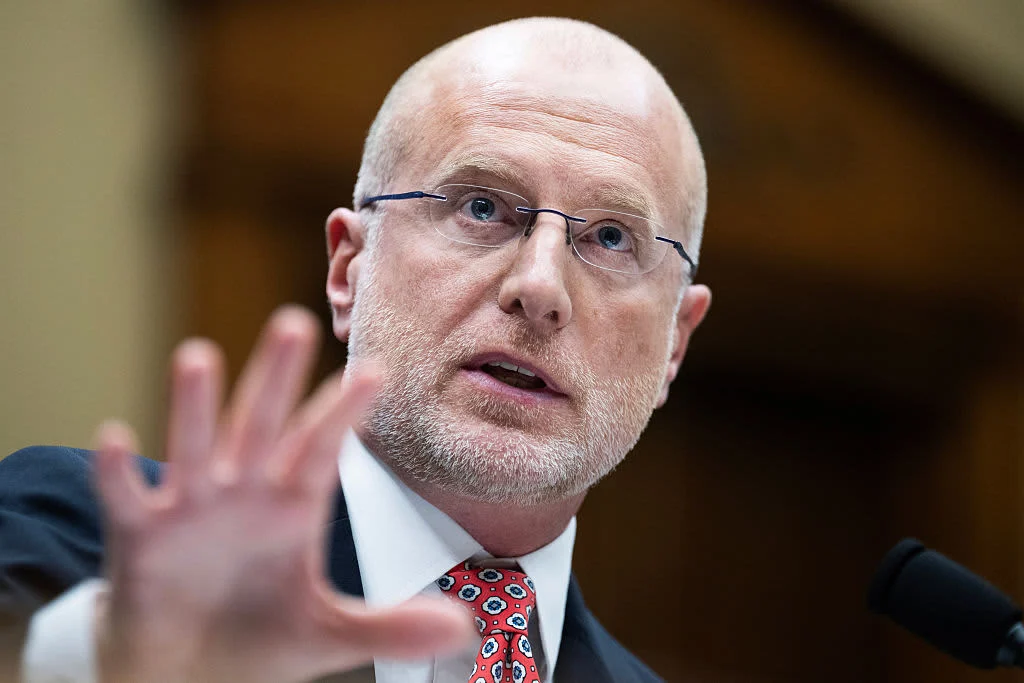
Federal Communications Commission (FCC) Chairman Brendan Carr has signaled a favorable regulatory outlook for Paramount’s ambitious bid to acquire Warner Bros. Discovery (WBD), describing the proposed merger as "cleaner" and more consumer-friendly than a previous, now-defunct proposal from streaming giant Netflix. Speaking on the sidelines of the Mobile World Congress in Barcelona, Spain, Carr suggested that the Paramount-Skydance offer avoids many of the significant antitrust hurdles that would have likely derailed a Netflix acquisition.
The endorsement from the nation’s top communications regulator provides a significant tailwind for the Paramount-WBD deal, which has rapidly evolved into one of the most consequential media consolidations of the decade. Carr’s comments reflect a growing consensus among some regulatory circles that while any large-scale media merger requires scrutiny, the integration of two traditional media powerhouses presents fewer "competition concerns" than the expansion of a dominant streaming platform like Netflix into the realm of legacy studio assets.
The Shift from Netflix to Paramount: A Tactical Pivot
The path to the current Paramount-WBD agreement has been marked by intense corporate maneuvering and shifting valuations. Initially, Netflix had emerged as a primary suitor for Warner Bros. Discovery’s prestigious studio and streaming divisions, offering $27.75 per share. However, that proposal faced immediate skepticism from both industry analysts and government officials.
"There’s a lot of concerns when Netflix was the potential buyer there," Carr told CNBC’s Arjun Kharpal during a wide-ranging discussion at the industry summit. "That particular combination raised a lot of competition concerns." Carr further elaborated that Netflix "would have a very difficult path" getting regulatory approval, contrasting it with the Paramount bid, which he characterized as not raising "at all the same types of concerns."
Last week, Paramount Skydance submitted a revised, superior offer to purchase the entirety of Warner Bros. Discovery at $31 per share, an increase from its initial $30 per share bid. The WBD board subsequently deemed the Paramount offer superior to the Netflix proposal. Netflix, in turn, withdrew its bid, stating that the transaction was "no longer financially attractive" in light of the premium offered by Paramount. As part of the transition, Paramount has already paid a $2.8 billion breakup fee that WBD owed to Netflix for the cancellation of their preliminary agreement.
Financial Architecture and Deal Structure
The Paramount-WBD merger is a massive undertaking, valued significantly higher than previous estimates. The deal is bolstered by roughly $24 billion in funding from Gulf state sovereign wealth funds, a detail that may attract its own level of scrutiny regarding foreign investment. To demonstrate its commitment and mitigate risk for WBD shareholders, Paramount has offered a $7 billion breakup fee should the deal fail to secure the necessary regulatory clearances.
Unlike the Netflix proposal, which focused narrowly on WBD’s library and streaming infrastructure, the Paramount bid is a comprehensive acquisition. It encompasses WBD’s entire portfolio, including its troubled but still influential pay-TV networks such as CNN, TBS, and TNT. This "all-in" approach is what analysts refer to as horizontal consolidation, bringing together two of the most storied names in Hollywood and broadcasting.
Regulatory Perspectives and the FCC’s Role
While the Department of Justice (DOJ) typically takes the lead on antitrust reviews for media mergers, the FCC maintains jurisdiction over deals involving broadcast licenses. Because Paramount owns CBS, one of the major national broadcast networks, the FCC will have a seat at the table. However, Carr suggested that the commission’s involvement might be limited.
"If there’s any FCC role at all, it’ll be a pretty minimal role," Carr stated. "And I think this is a good deal, and I think it should get through pretty quickly."
Carr’s optimism is rooted in the perceived "consumer benefits" of the deal. Paramount executives have already outlined a strategy to release at least 30 films annually—15 per studio—addressing fears that consolidation would lead to a "smaller film slate" in Hollywood. Furthermore, the company plans to merge Paramount+ and HBO Max into a single, more robust streaming service, potentially offering consumers a more streamlined and cost-effective alternative to the current fragmented market.

Political Opposition and Antitrust Concerns
Despite Chairman Carr’s positive outlook, the merger is far from a guaranteed success. It faces a polarized political landscape in Washington. U.S. President Donald Trump previously voiced concerns regarding the market share a Netflix-WBD deal would create, though he later clarified that the DOJ would be the sole arbiter of the deal’s legality.
On the other side of the aisle, Democratic Senator Elizabeth Warren of Massachusetts has emerged as a vocal critic. In a scathing statement, Warren labeled the Paramount-WBD merger "an antitrust disaster," warning that it threatens "higher prices and fewer choices for American families."
The "horizontal consolidation" aspect of the deal—merging two major players in the same industry—is a primary point of contention for experts like Paren Knadjian, a partner at advisory firm EisnerAmper. Knadjian noted that the concentration of intellectual property under one roof could give the new entity unprecedented power to raise prices for distributors and consumers alike.
"The regulatory pressure, the political pressure, those are the things that will certainly delay the deal and will make it more complicated," Knadjian told CNBC. "I think there’s going to have to be significant concessions for it to go through."
Impact on the Theatrical and Streaming Ecosystems
The Hollywood creative community has also expressed anxiety over the deal. Earlier this year, filmmaker James Cameron sent a scathing letter to antitrust lawmakers, expressing concern that the consolidation of major studios would stifle creative diversity and harm the U.S. theatrical industry. The fear is that a combined Paramount-WBD might prioritize streaming content over traditional cinema releases to maximize profits, despite the 30-film annual pledge.
The streaming landscape, however, is where the most immediate changes would be felt. By combining HBO Max’s premium prestige content with Paramount’s deep library of procedural dramas, sports (including the NFL), and children’s programming (Nickelodeon), the new entity would become a formidable challenger to Disney+ and Netflix. Analysts from Raymond James noted that this combination is "meaningfully easier" to justify than a Netflix acquisition because it preserves a multi-platform approach—spanning theatrical, linear, and streaming—rather than funneling everything into a single dominant streaming "black hole."
The CFIUS Factor: Foreign Investment Scrutiny
One of the largest wildcards in the approval process is the Committee on Foreign Investment in the United States (CFIUS). Because the Paramount bid relies heavily on $24 billion from Gulf state sovereign wealth funds, the committee will likely conduct a rigorous review to ensure that the ownership structure does not pose a national security risk, particularly given WBD’s ownership of CNN, a primary source of international news.
While sovereign wealth fund involvement is common in global finance, the scale of this investment in a cornerstone of American media and journalism is likely to trigger a deep dive into the governance and editorial independence of the resulting company.
A New Era for Media Consolidation
The Paramount-WBD deal represents a pivotal moment in the "streaming wars" era. After years of aggressive spending and expansion, the industry is entering a phase of consolidation driven by the need for scale and profitability. The endorsement by FCC Chairman Brendan Carr suggests that, from a regulatory standpoint, the government may prefer "traditional" media companies merging to survive rather than allowing "Big Tech" or pure-play streaming giants to absorb the nation’s cultural infrastructure.
As the review process begins, the focus will shift from the boardroom to the halls of the DOJ and the FCC. While the path for Paramount appears "cleaner" than the one Netflix faced, the journey toward a final signature will involve navigating a complex web of political dissent, creative anxiety, and international financial scrutiny. If successful, the merger will reshape Hollywood, creating a media titan with the scale to compete in an increasingly digital world while attempting to preserve the legacy of the silver screen.