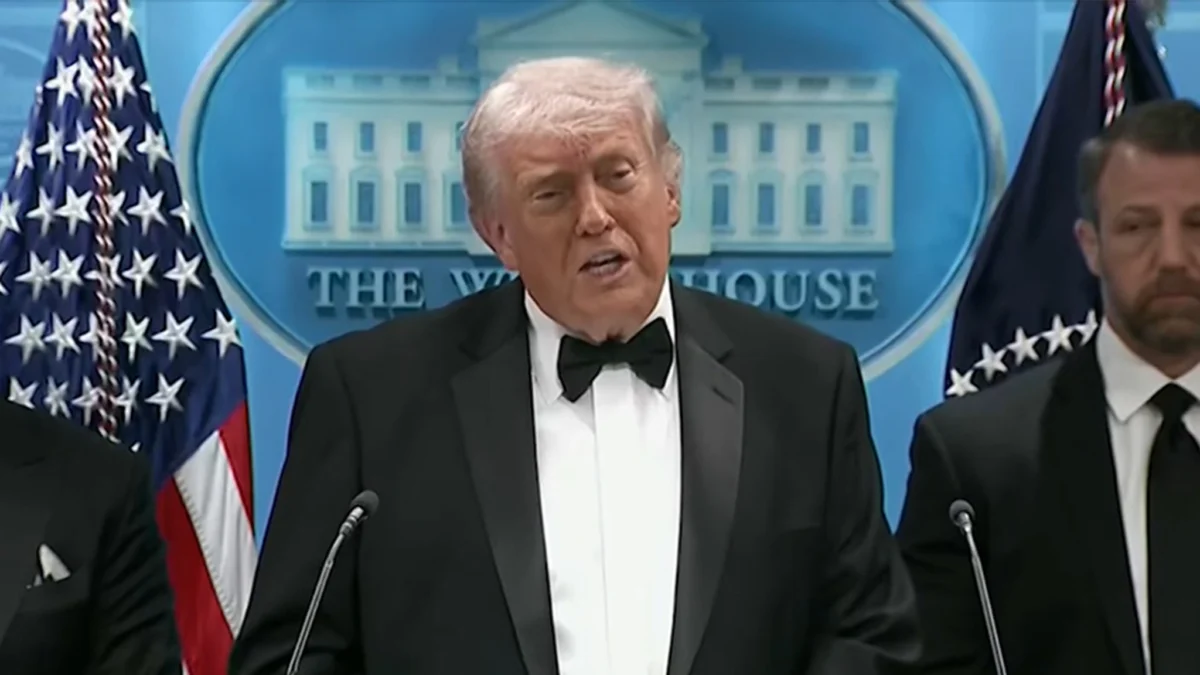
WASHINGTON D.C. – A night traditionally dedicated to collegiality and humor between the U.S. President and the press corps was violently interrupted Saturday evening when a gunman opened fire near the ballroom of the Washington Hilton, the venue for the White House Correspondents’ Dinner. President Donald J. Trump, swiftly evacuated from the scene, later addressed the nation via a livestream from the White House, condemning the attack and praising the swift action of the Secret Service.
The incident, which unfolded just as the high-profile event was reaching its peak, sent shockwaves through the nation’s capital and beyond, prompting immediate questions about security protocols for major public gatherings and the escalating tensions in American political discourse. Authorities have identified the assailant as a 30-year-old male from Los Angeles, though his identity and motive remain under wraps pending ongoing investigations by a multi-agency task force.
Immediate Aftermath and Presidential Response
The tranquility of the White House Correspondents’ Dinner, an annual gathering that brings together journalists, politicians, and celebrities, shattered around 7:00 PM PDT (10:00 PM EDT) on April 25, 2026. Reports indicate that at least six shots were fired in a lobby area adjacent to the main ballroom of the Washington Hilton. Eyewitness accounts describe immediate pandemonium as Secret Service agents, acting with lightning speed, physically shielded President Trump and rushed him from the venue.
One attendee, a veteran White House correspondent who requested anonymity due, described the scene: "One moment, we were laughing at a joke, the next, there was an unmistakable crack of gunfire. Before I could even process it, the President was being shoved to the ground and then whisked away. It was pure chaos, a scene of terror unfolding in what’s usually one of the most secure social events in D.C."
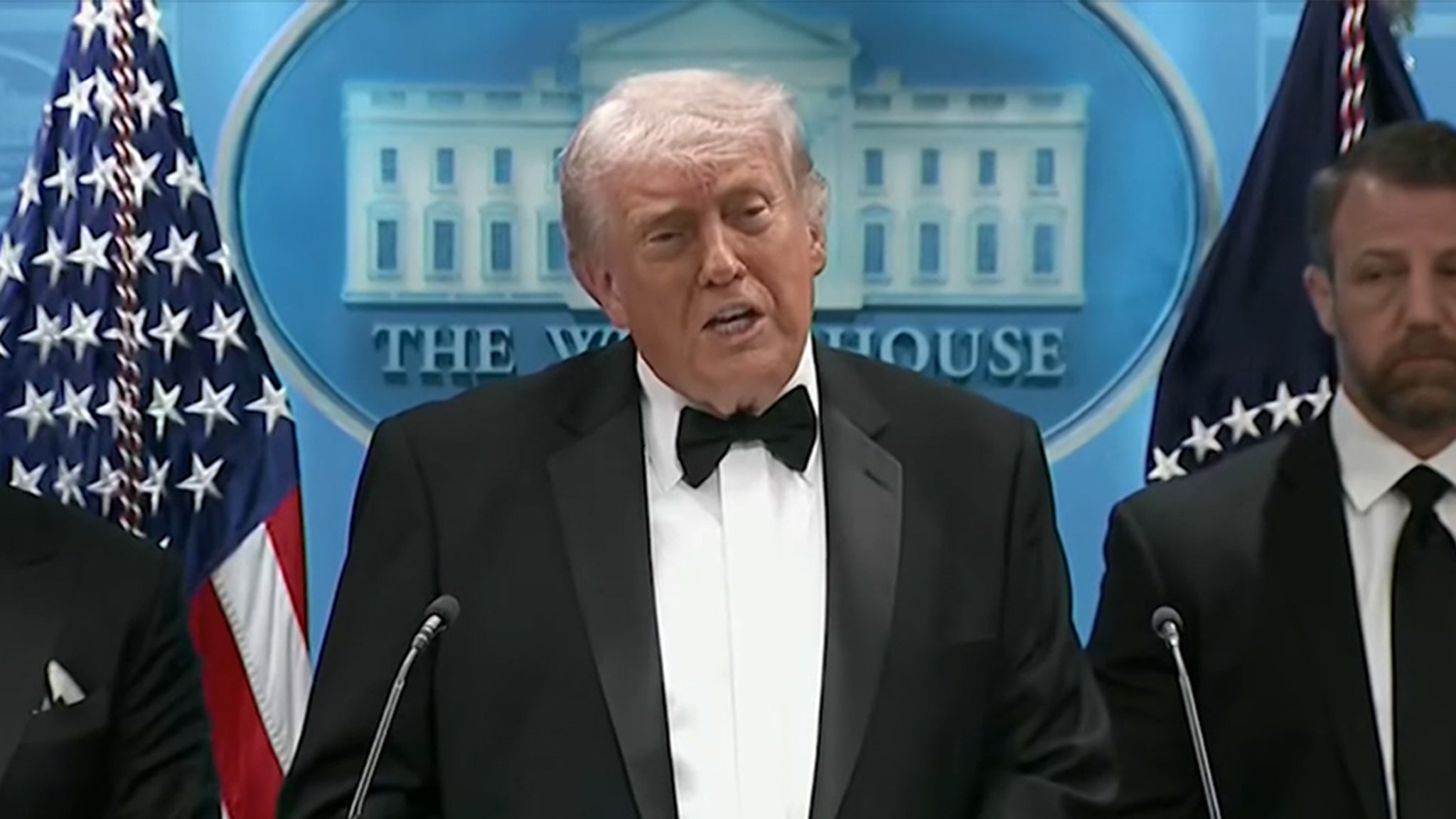
President Trump, along with First Lady Melania Trump, Senator J.D. Vance, and members of his Cabinet, were safely transported back to the White House. From the Oval Office, President Trump quickly took to his social media platform, Truth Social, to confirm his safety and that of his entourage. This initial digital communication was followed by a more comprehensive live address, broadcast from the White House, where he provided preliminary details of the harrowing event.
Chronology of the Attack
The sequence of events leading up to and immediately following the shooting paints a picture of a calculated attack thwarted by rapid response.
- Pre-Incident Atmosphere: The Washington Hilton was abuzz with activity, with hundreds of high-profile guests networking and preparing for the evening’s program. Security was visibly heightened, as is customary for such events, with multiple layers of Secret Service, local police, and private security personnel.
- 7:00 PM PDT (10:00 PM EDT) – Shots Fired: The first shots rang out from a lobby area proximate to the main ballroom. Initial reports suggest the assailant bypassed an outer layer of security, gaining access to a less fortified, but still restricted, zone. The specific entry point and how the individual managed to carry "multiple weapons" into the vicinity of such a high-security event are central to the ongoing investigation.
- 7:01 PM PDT – Secret Service Intervention: Within seconds of the initial gunfire, Secret Service agents assigned to presidential protection detail executed their training. President Trump was forcefully pushed to the ground and covered by agents, a standard protocol to shield the protectee from direct fire. Simultaneously, other agents converged on the source of the gunfire.
- 7:02 PM PDT – Officer Down (Vest Save): During the exchange, one Secret Service officer was shot at "very close" range with a "very powerful" gun. Miraculously, the officer’s bulletproof vest absorbed the impact, preventing a fatal injury. This officer, whose name has not been released, is reported to be in stable condition, a testament to the efficacy of modern protective gear and swift medical response.
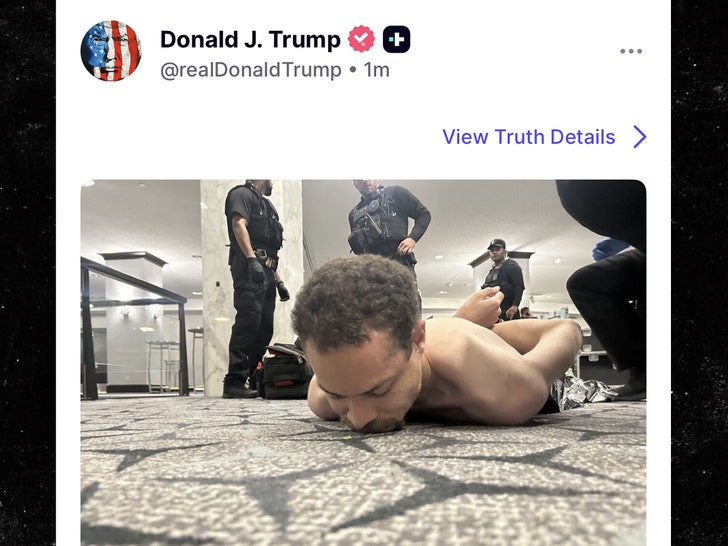
- 7:03 PM PDT – Assailant Apprehended: Brave Secret Service members, supported by Metropolitan Police Department officers, quickly neutralized and apprehended the suspect. A photograph shared by President Trump on Truth Social later depicted the assailant being taken into custody, surrounded by law enforcement.
- 7:05 PM PDT – Presidential Evacuation: President Trump and his protected party were swiftly moved from the hotel and secured in presidential motorcade vehicles, heading directly back to the White House.
- 7:15 PM PDT – Initial Presidential Statement: From the White House, President Trump posted his first update on Truth Social, confirming his safety and the apprehension of the gunman.
- 7:45 PM PDT – Live Address Commences: President Trump initiated a live broadcast from the White House, providing further details and his initial reactions to the attack.
The Suspect and Ongoing Investigation
The gunman has been identified only as a 30-year-old male from Los Angeles. Authorities have not yet released his name, citing the ongoing nature of the investigation and the need to secure all evidence. President Trump described the suspect as a "very sick" person, armed with "multiple weapons."
Acting United States Attorney General Todd Blanche, who briefly spoke during President Trump’s livestream, confirmed that charges would be filed swiftly and justice would be served. He also stated that search warrants were being obtained as he spoke, indicating a rapid and extensive investigation into the suspect’s background, motives, and any potential connections or accomplices.
Multiple law enforcement agencies have converged on the investigation, underscoring the gravity of the incident. The Federal Bureau of Investigation (FBI) is leading the federal inquiry, focusing on potential domestic terrorism angles and interstate implications. The U.S. Secret Service is conducting its internal review of security procedures and contributing to the criminal investigation, particularly regarding the assault on their officer and the breach of security. The Metropolitan Police Department (MPD) is also heavily involved, securing the crime scene at the Washington Hilton and assisting with local aspects of the investigation. Forensic teams are meticulously processing the scene for ballistics, fingerprints, and any other evidence that could shed light on the perpetrator’s planning and intent.
President Trump’s Address and Public Statements
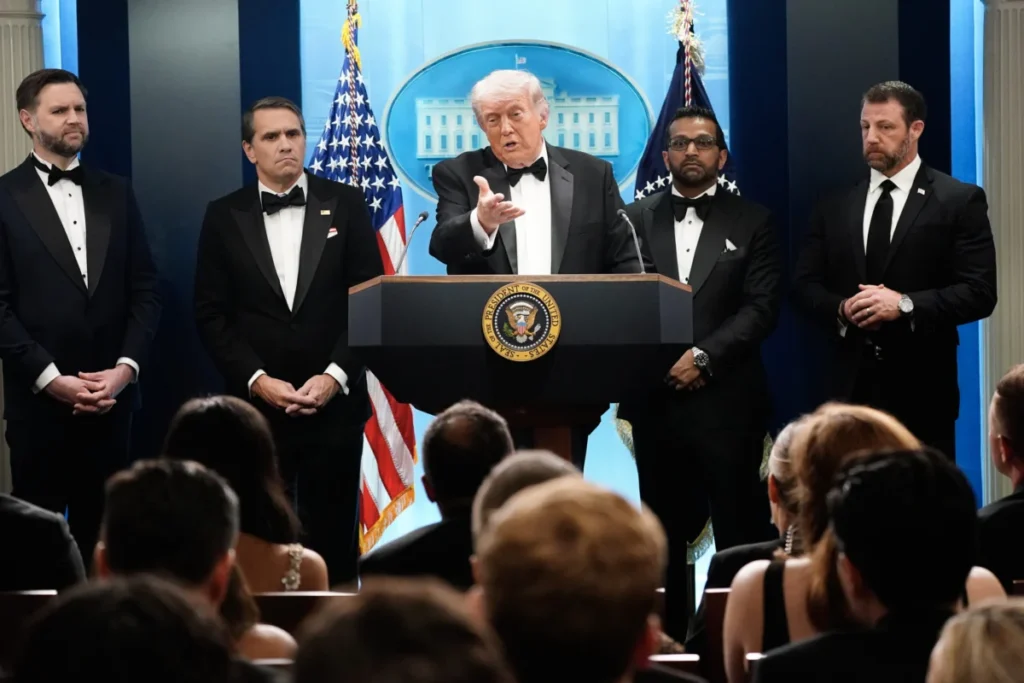
President Trump’s live address from the White House was marked by a mix of condemnation, praise for law enforcement, and a characteristic defiance. He recounted his initial confusion, mistaking the gunshots for a passing train, before his wife, Melania Trump, immediately recognized the sound for what it was. This detail highlighted the suddenness and unexpected nature of the attack even for those accustomed to high-stakes environments.
He reiterated his strong belief that the suspect acted alone, though acknowledged that "more questions [would be] answered tomorrow." This statement hinted at the ongoing intelligence gathering and the desire to provide the public with a clearer picture once confirmed facts emerged.
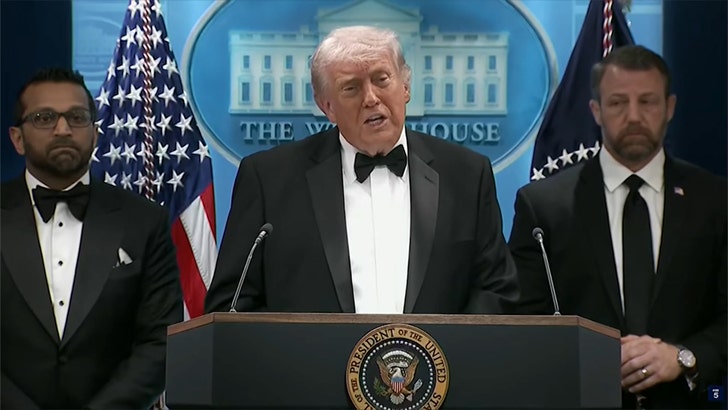
A significant portion of his address focused on the "brave" Secret Service members, crediting them with saving lives and preventing a potentially far worse tragedy. The incident, he argued, underscored the necessity of robust security measures, including his previously proposed "White House State Ballroom," designed to be highly secure against such threats. This plan, which has faced budgetary and architectural scrutiny, gained renewed urgency in the wake of the attack.
Responding to a question about why individuals might seek to harm him, President Trump stated that while he didn’t feel "honored" by threats, he recognized that "people don’t go after those who sit around and do nothing." He asserted that America, under his leadership, was a "strong country" and "no longer the ‘laughing stock’ of the world," linking the attack to perceived enemies of a strong America. This framing sought to transform the vulnerability of the attack into a reaffirmation of national strength and resolve.
He also referenced historical precedents, noting that this was "not the first time Republicans were attacked by a would-be assassin who was out for blood in the last few years." While he did not specify particular incidents, this allusion served to place the event within a broader narrative of political animosity and violence, urging all Americans to "resolve their differences peacefully." He concluded this thought by emphasizing the "tremendous amount of love and coming together" that had been evident at the Correspondents’ Dinner prior to the attack, an appeal to unity amidst division.
Security Implications and Future Measures
The shooting at the White House Correspondents’ Dinner immediately ignited a national debate on security protocols for high-profile public events. The Washington Hilton, like many venues hosting such gatherings, employs extensive security measures, including metal detectors, bag checks, and a heavy law enforcement presence. The ability of an armed individual to penetrate these layers raises critical questions that the Secret Service and other agencies will undoubtedly address through thorough reviews.
Experts in security and counter-terrorism are already weighing in. Dr. Evelyn Reed, a former Department of Homeland Security official, stated, "This incident will force a re-evaluation of how we secure public spaces, especially when the President is present. We need to look at everything from perimeter defense to guest screening technologies, and how intelligence is shared to identify potential threats before they materialize."
President Trump’s renewed push for a "highly secured" White House State Ballroom highlights a desire for a dedicated, impenetrable space for official functions. While such a facility could offer unparalleled security, its construction would entail significant cost and logistical challenges, and its necessity will likely be debated in Congress. However, the recent attack provides a potent argument for proponents of enhanced presidential security infrastructure.
Reactions and Broader Political Context
The attack drew swift and widespread condemnation from across the political spectrum. Leaders from both Republican and Democratic parties issued statements expressing shock, relief that the President and others were unharmed, and solidarity with the Secret Service.
House Speaker Nancy Pelosi (D-CA) stated, "An attack on our institutions, on our President, and on the free press, is an attack on democracy itself. We must stand united against violence and ensure the safety of all public servants." Senate Majority Leader Mitch McConnell (R-KY) echoed similar sentiments, "This despicable act of violence has no place in our society. We commend the brave actions of the Secret Service and pray for the speedy recovery of the injured officer."
The incident also reignited discussions about the tone of political rhetoric in America. Many commentators, while condemning the violence unequivocally, pointed to the increasing polarization and heated discourse as a potential breeding ground for radicalized individuals. President Trump’s call for peaceful resolution of differences resonated with many who fear the erosion of civility in public life.
Historically, political violence in the U.S. has seen peaks during periods of intense social and political upheaval. From the assassinations of presidents and civil rights leaders in the 20th century to more recent attacks on members of Congress, the nation has grappled with the dark undercurrents of extremism. This incident serves as a stark reminder of the persistent threat posed by individuals driven by radical ideologies or personal grievances.
The White House Correspondents’ Dinner: A Tradition Interrupted
The White House Correspondents’ Dinner is a century-old tradition designed to foster goodwill between the President and the journalists who cover the Executive Branch. It is a unique event where the President, typically, delivers a humorous roast, often targeting himself, the press, and political opponents, followed by a comedic performance by a celebrity. It symbolizes the delicate balance of an adversarial yet respectful relationship between the government and the fourth estate.
The interruption of this event by gunfire is unprecedented in its modern history. It transformed a night of lighthearted banter into a grim reminder of the dangers inherent in public service and the vulnerabilities even at the highest levels of security. The customary celebration of the First Amendment and the role of a free press was overshadowed by an act designed to sow fear and discord.
Looking Ahead: Rescheduling and Resolution
Despite the traumatic events, President Trump reiterated his commitment to the tradition, stating several times throughout the night his plan to reschedule the Correspondents’ Dinner within the next 30 days. This decision signals a determination not to allow violence to dictate the norms of American democracy and public life.
As the nation processes the events of April 25, 2026, the focus will remain on the ongoing investigation, the recovery of the injured Secret Service officer, and the broader implications for national security and political discourse. The incident at the Washington Hilton serves as a somber inflection point, forcing a renewed examination of the challenges confronting a divided nation and the enduring vigilance required to protect its institutions and its leaders. The pursuit of justice for the perpetrator, combined with a collective commitment to peace, will be paramount in the weeks and months to come.