


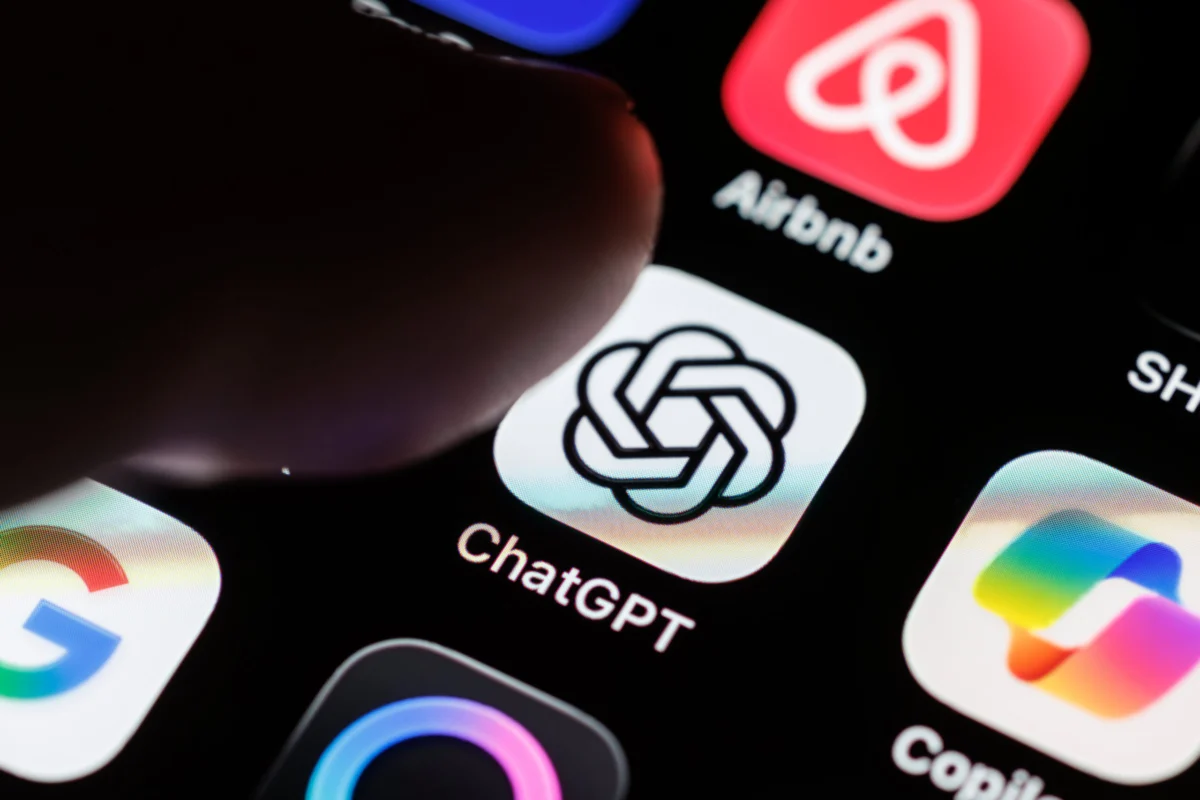
The highly anticipated entry of OpenAI into the digital advertising market has encountered significant friction as major Madison Avenue agencies express growing dissatisfaction with the pace and execution of the ChatGPT ad pilot program. When OpenAI first signaled its intention to monetize its ubiquitous conversational interface through sponsored content, the announcement was met with a mixture of urgency and excitement from the world’s largest marketing conglomerates. Brands and agencies, eager to establish a first-mover advantage in the burgeoning field of generative artificial intelligence, viewed the platform as the next frontier in consumer engagement. However, several months into the initiative, the reality of the rollout has struggled to keep pace with the initial fervor, leading to concerns over capital allocation and the depth of available performance insights.
The program, which counts industry titans such as WPP, Omnicom, and Dentsu among its primary testing partners, was positioned as a landmark shift in how brands interact with users during the "discovery" phase of the consumer journey. Unlike traditional search engines that rely on static keyword matching, ChatGPT promised a more fluid, conversational integration of brand messaging. Yet, according to multiple industry sources familiar with the matter, the rollout has been characterized by a degree of caution that some participants describe as excessive. This conservative approach has resulted in a disconnect between the high financial stakes required to participate and the actual volume of data generated for the participating brands.
The Financial High Stakes of the Alpha Test
In the world of digital advertising, "alpha" or "beta" tests for new formats typically involve modest financial commitments as both the platform and the advertiser work to calibrate the technology. However, OpenAI’s entry into the market broke this convention. Sources indicate that the ad commitments required to secure a spot in the ChatGPT testing program were unusually steep, with some brands dedicating between $200,000 and $250,000 to the trial. This figure represents roughly double the standard commitment for an experimental ad format in its infancy.
The high cost of entry has created a unique set of logistical challenges for media planners. In many instances, these funds were diverted from established budgets originally earmarked for search engine marketing (SEM) or social media advertising—channels with proven returns on investment. Other agencies utilized "innovation funds," which are specifically designated for testing emerging technologies. Regardless of the source, the slow pace of the rollout means that many brands are unlikely to spend their full budget commitments by the end of the first quarter. While OpenAI has indicated that unspent funds will be returned to the advertisers, the "trapped" nature of this capital prevents it from being redeployed to other high-performing channels during the current fiscal period.
Furthermore, the lack of scale has limited the "learning" aspect of the pilot. Advertisers participate in these early-stage programs primarily to gather data on user behavior, conversion rates, and the effectiveness of conversational prompts. Without a sufficient volume of impressions, the insights gathered remain statistically insignificant, making it difficult for agencies to justify continued high-level investment to their clients.
Chronology of OpenAI’s Advertising Evolution
The path toward a monetized ChatGPT has been a calculated, if occasionally turbulent, journey. The timeline of this rollout reflects OpenAI’s transition from a research-oriented lab to a commercial powerhouse competing directly with established tech giants.

- Early 2024 – Initial Explorations: OpenAI began internal discussions regarding the sustainability of its massive compute costs. While subscription models provided a steady revenue stream, the potential for a high-margin advertising business became increasingly apparent.
- Mid-2025 – Strategic Partnerships: OpenAI initiated quiet dialogues with major holding companies like WPP and Omnicom to discuss the integration of brand safety tools and the technical requirements for conversational ads.
- January 2026 – The Public Announcement: OpenAI officially announced the rollout of ads on ChatGPT in the United States. The announcement was unusually public for an alpha test, signaling the company’s intent to challenge Google’s dominance in the search market.
- February 2026 – Integration with "Agentic Shopping": OpenAI expanded the scope of its commercial utility by announcing partnerships with Etsy, Shopify, Walmart, and Amazon. This "agentic" approach aimed to allow ChatGPT to not only recommend products but facilitate the entire purchasing process.
- March 2026 – The Pilot Bottleneck: As the pilot program entered its critical phase, the discrepancy between the number of participating brands and the number of ads actually served to users became a point of contention.
Data Analysis: The Scaling Challenge
Despite the frustrations voiced by some partners, recent data suggests that OpenAI is beginning to accelerate its delivery. According to research from Sensor Tower, a firm that tracks digital market intelligence, the number of ads served through the ChatGPT mobile interface saw a dramatic 600% increase during the first two weeks of March. This spike indicates that OpenAI’s engineering team is finally "opening the taps," transitioning from a highly restricted test to a broader audience.
However, the reach remains limited in the context of ChatGPT’s massive global user base. Sensor Tower estimates that as of mid-March, ads have been rolled out to approximately 5% of ChatGPT mobile users. While this is a significant jump from the 1% reach observed at the beginning of the month, it highlights the vast amount of inventory that remains untapped. For an advertiser who has committed a quarter of a million dollars, a 5% reach across the user base may still fall short of the "critical mass" required to move the needle on brand awareness or sales volume.
The slow scaling is likely a deliberate move to protect the user experience. OpenAI has long prided itself on a clean, utility-focused interface. Introducing intrusive or irrelevant ads too quickly risks alienating the core user base and driving them toward ad-free competitors.
Official Responses and Strategic Defenses
OpenAI’s leadership has maintained a consistent stance regarding the pace of the rollout. In statements to the press, the company emphasized that the primary goal of the current phase is refinement rather than immediate revenue maximization. "The goal right now is to learn and refine the experience for consumers before expanding it more broadly," the company stated, noting that they are encouraged by the "early signals" from both users and brands.
This cautious sentiment is echoed by some within the agency world who view the slow pace as a sign of institutional maturity. Dentsu, the Japanese advertising giant, has taken a more measured public position compared to its anonymous counterparts. Meredith Spitz, Dentsu’s EVP and Head of Paid Search, noted that the firm set "realistic expectations" for its clients from the outset. Spitz highlighted that ad delivery is gaining momentum week-over-week and emphasized the importance of "aligning ad relevance with user intent."
According to Dentsu’s analysis, the true value of ChatGPT ads lies in their ability to answer specific, complex queries where traditional search results might fail. When a user intent is precise—such as asking for a specific type of sustainable outdoor gear for a high-altitude climate—brands with tailored messaging can deliver immense value.
The Competitive Landscape: A Divergence of Philosophies
The move into advertising has placed OpenAI at the center of a philosophical debate within the AI industry. While OpenAI is following a path toward a hybridized revenue model (subscriptions plus ads), its primary competitors are taking drastically different approaches.

Anthropic, the creator of the Claude LLM, has positioned itself as the "ethical" alternative to OpenAI. In a high-profile Super Bowl commercial earlier this year, Anthropic explicitly criticized the move toward AI-driven advertising, proclaiming that its platform would remain ad-free to ensure unbiased and user-centric responses. This stance appeals to a segment of the market that fears advertising will "pollute" the objectivity of AI responses.
Similarly, Perplexity, which had experimented with ads in late 2024, recently moved to remove them, focusing instead on a premium subscription model and B2B enterprise solutions. This leaves OpenAI in a direct confrontation with Google. Google already commands the lion’s share of the global search market, with an estimated $252 billion in search ad revenue projected for 2026. While Google has been slow to fully integrate ads directly into its Gemini AI interface, it has already begun surrounding its "AI Overviews" with traditional search ads, leveraging its existing, massive infrastructure.
The question for the industry is whether OpenAI’s slow and deliberate rollout will allow Google to further entrench its position, or if OpenAI’s focus on user experience will eventually yield a superior, more premium advertising product that commands higher rates.
Broader Impact and the 2030 Outlook
Despite the immediate frustrations of the pilot program, financial analysts remain overwhelmingly bullish on the long-term prospects of AI-powered advertising. A recent note from Truist analysts identified 2026 as an "inflection year" for the industry. The firm predicts that large language model (LLM) powered ad channels will eventually become a pillar of the digital economy, standing alongside search, social media, and retail media.
Truist’s projections for OpenAI are particularly aggressive. While the company is expected to generate less than $1 billion in ad revenue in 2026—a fraction of the total digital ad market—that figure is forecasted to grow to over $30 billion by 2030. This growth trajectory assumes that OpenAI will successfully navigate the current "teething" problems of its pilot program and effectively integrate its "Agentic Shopping" features, turning ChatGPT into a comprehensive commerce engine.
For the advertising industry, the implications of this shift are profound. The move from "keyword intent" to "conversational context" requires a complete overhaul of creative strategies and data analytics. Agencies that are currently frustrated by the slow rollout are, in effect, fighting for the chance to build the playbooks that will define the next decade of marketing.
In conclusion, while the current friction between OpenAI and Madison Avenue highlights the difficulties of scaling a new medium, it also underscores the immense value placed on the platform. The frustration stems not from a lack of faith in the product, but from an eagerness to unlock its potential. As OpenAI continues to "open the taps" and move toward a 100% rollout, the digital advertising landscape appears poised for its most significant transformation since the rise of social media. The success of this transition will depend on OpenAI’s ability to balance the demands of high-paying advertisers with the delicate expectations of its global user base.