
The Return of the Wayans Family and the 2026 Reunion
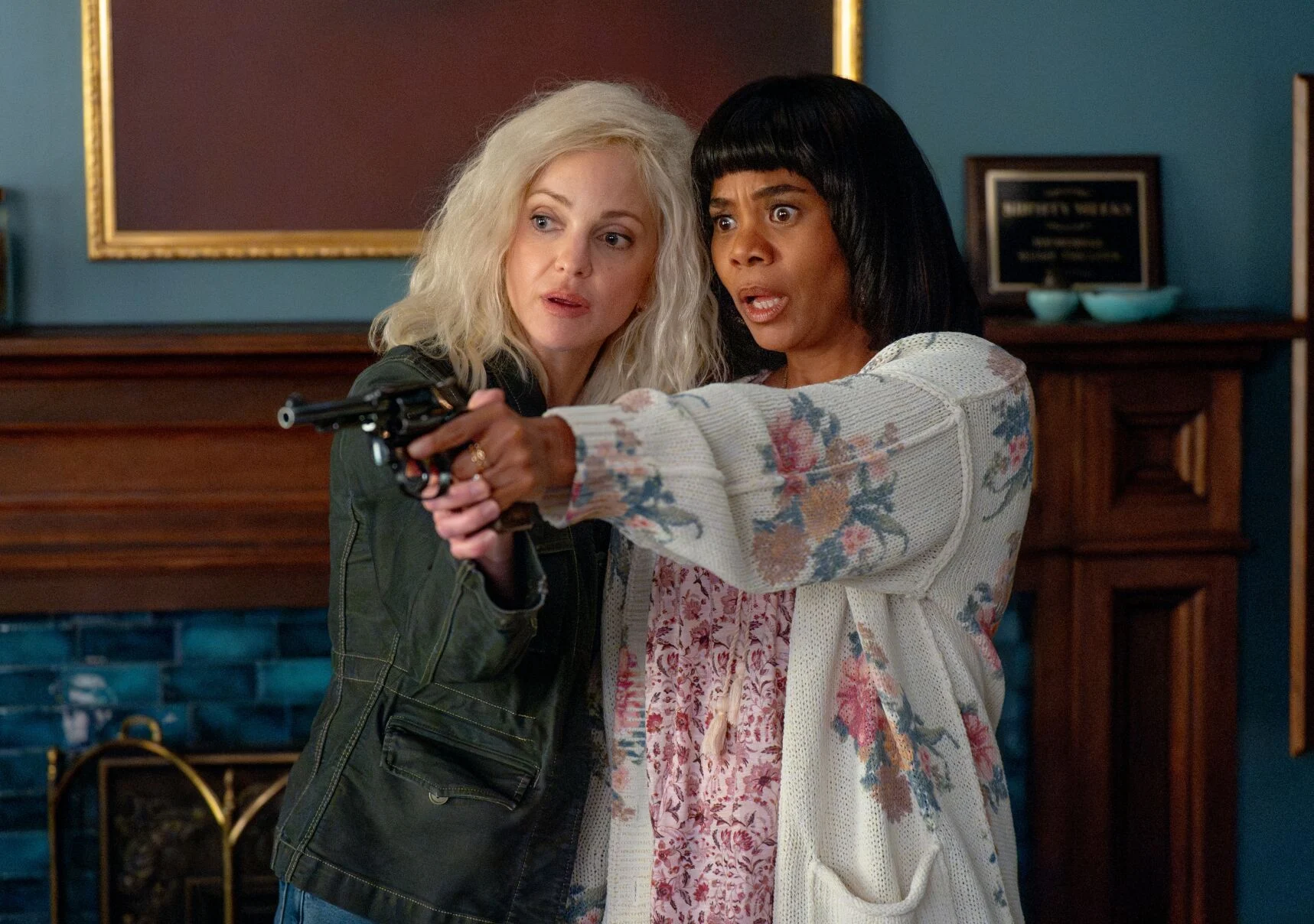
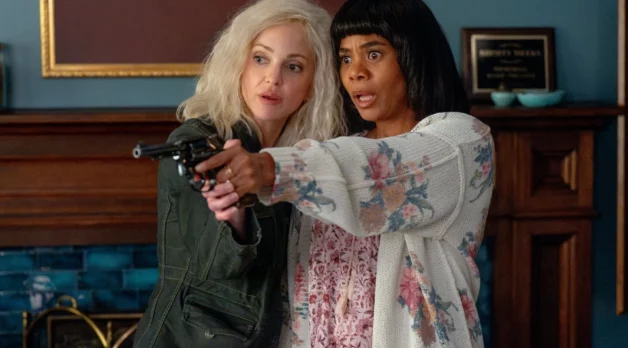
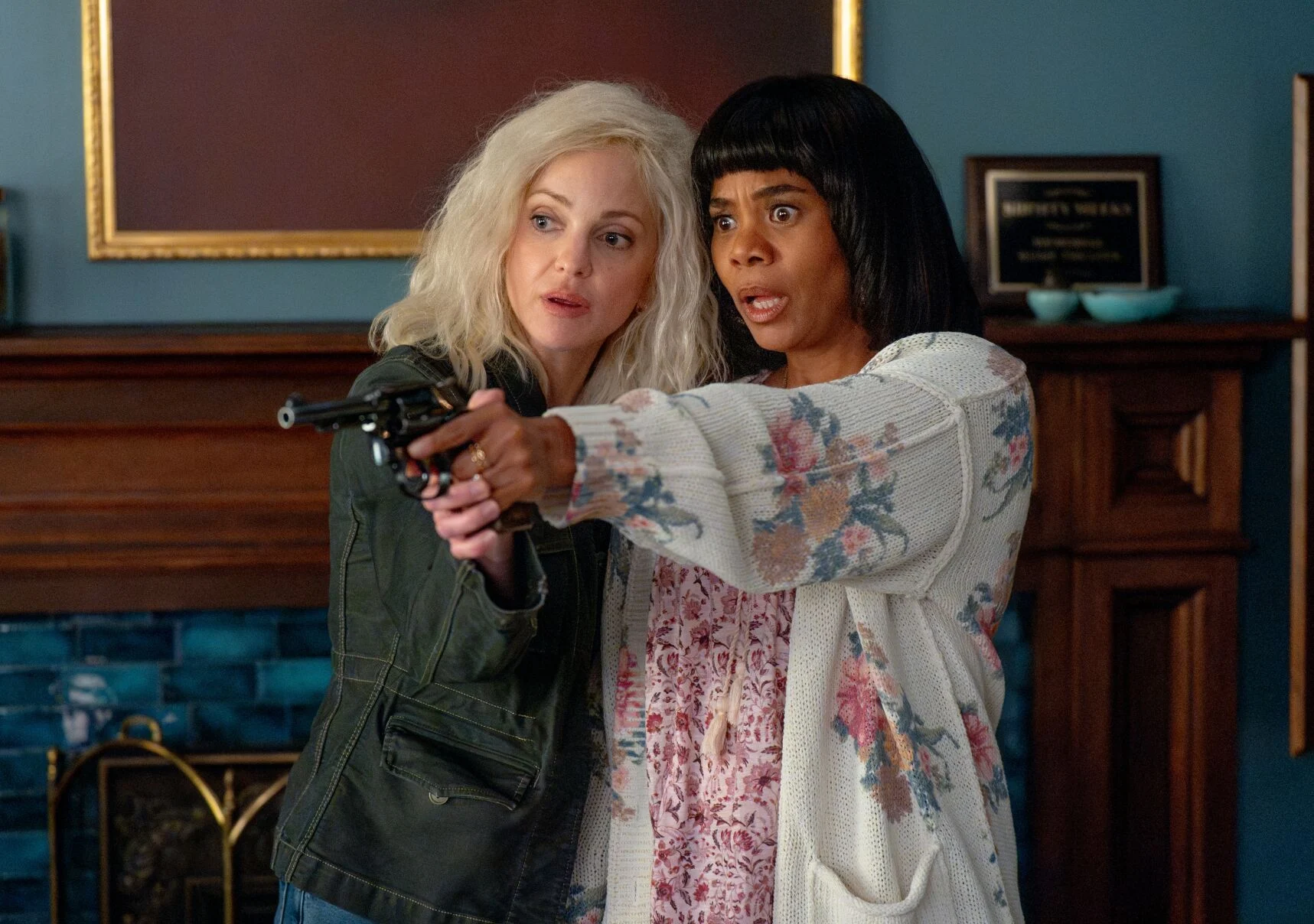
The 2026 iteration of Scary Movie is designed as a "legacy sequel," a term used to describe films that return to the original continuity of a franchise while introducing contemporary themes. The production has successfully reunited nearly the entire original cast, including Marlon Wayans, Shawn Wayans, and Regina Hall. The film’s narrative structure serves a dual purpose: it parodies the current landscape of "elevated horror" and "requels," while simultaneously offering a biting critique of the entertainment industry’s labor practices and the historical marginalization of Black creators.
Early box office data suggests that the Wayans’ brand of humor remains a potent draw for global audiences. In its first two weeks of wide release, the film earned $172 million worldwide, a figure that nearly triples its estimated $60 million production budget. This performance reinforces the commercial viability of the R-rated spoof, a genre that many critics had declared dead following the diminishing returns of the mid-2010s. The film retains the franchise’s signature reliance on "gross-out" humor and slapstick, yet it introduces a layer of emotional resonance as the veteran actors portray characters who are themselves navigating the complexities of aging and professional legacy.
A Chronology of the Wayans’ Spoof Legacy
To understand the significance of the 2026 revival, it is necessary to examine the lineage of the Wayans’ creative output and their influence on the satirical form. The family’s approach to comedy was forged in the 1980s, a period defined by the transition from sketch comedy to high-concept film parodies.
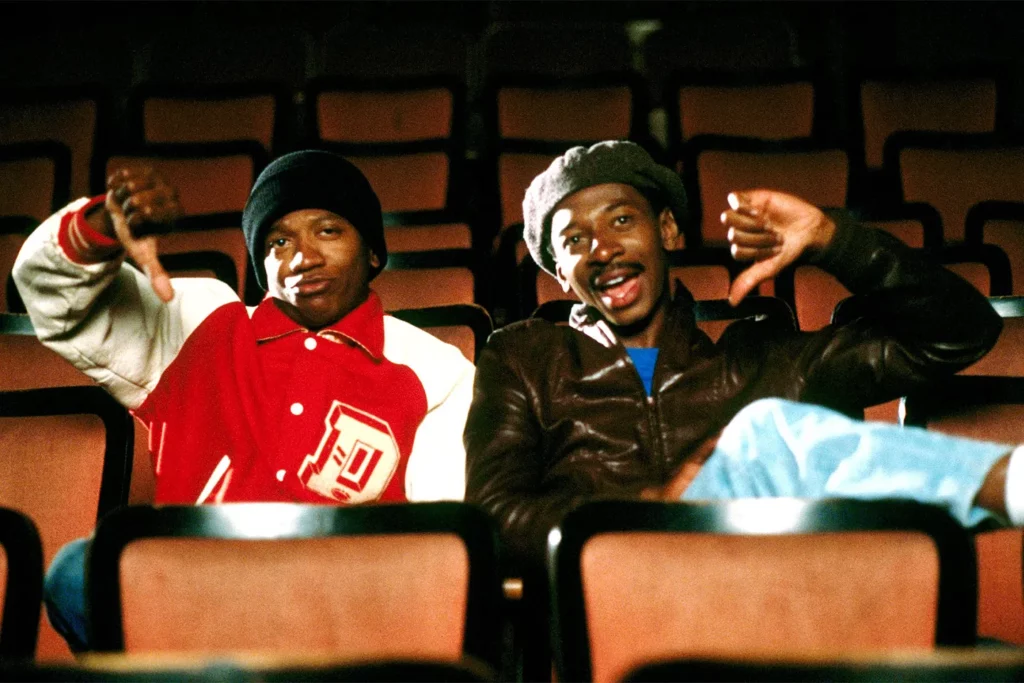
- Hollywood Shuffle (1987): Directed by Robert Townsend and co-written by Keenen Ivory Wayans, this film laid the groundwork for the family’s satirical voice. Produced on a shoe-string budget—partially funded by Townsend’s personal credit cards—the film used a series of vignettes to lampoon the limited roles available to Black actors in Hollywood.
- I’m Gonna Git You Sucka (1988): Keenen Ivory Wayans’ directorial debut served as a parody of the 1970s Blaxploitation era. It demonstrated the family’s ability to turn cinematic tropes into a broader commentary on cultural identity.
- In Living Color (1990–1994): This revolutionary sketch show served as a "finishing school" for the younger Wayans siblings. It challenged the television establishment by providing a Black-centric perspective on pop culture, politics, and the media.
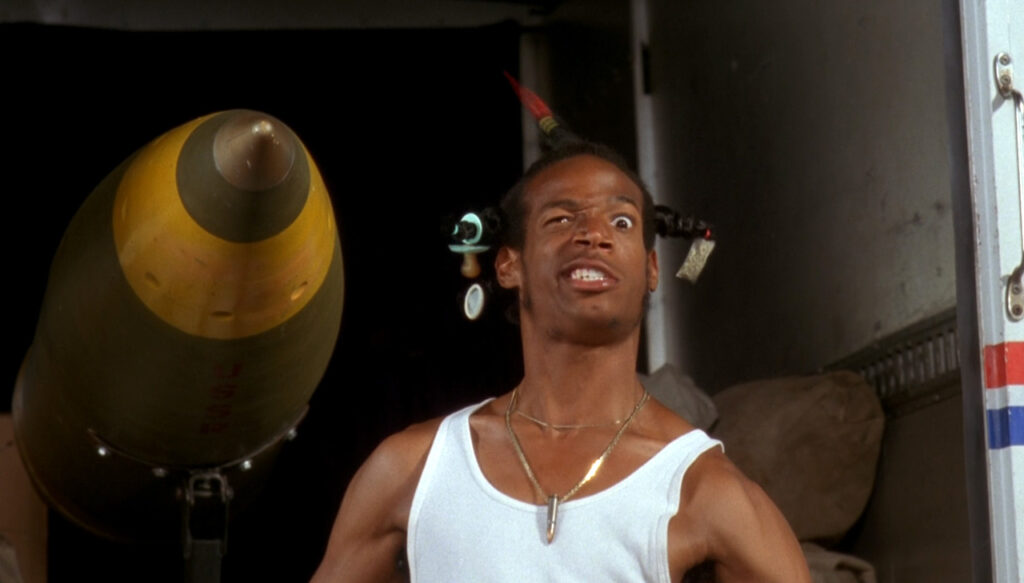
- Don’t Be a Menace to South Central While Drinking Your Juice in the Hood (1996): This film targeted the "hood flick" phenomenon of the early 1990s. By satirizing films like Boyz n the Hood and Menace II Society, the Wayans critiqued the studio system’s tendency to exploit urban trauma for mainstream entertainment.
- Scary Movie (2000): The original film became a global phenomenon, grossing $278 million on a $19 million budget. It redefined the parody genre for the 21st century, blending teen slasher tropes with meta-commentary.
The 2001 Dispute and the "Lost" Sequels
The fracture between the Wayans family and the franchise occurred shortly after the release of Scary Movie 2 in 2001. Despite the massive financial success of the first two films, negotiations for the third installment broke down over issues of compensation and creative autonomy. The Wayans family has frequently stated that the franchise was "stolen" from them by the studio executives at Dimension Films.
In their absence, the studio turned to David Zucker, one of the founders of the ZAZ (Zucker, Abrahams, Zucker) comedy team responsible for Airplane! (1980). While Scary Movie 3 and 4 were commercially successful, critics and fans noted a shift in tone. The sharp cultural criticism and Black perspective that defined the first two films were replaced by a more generalized, slapstick-heavy approach. Marlon Wayans famously likened watching the sequels made without the family to "watching your child become a crackhead," a sentiment that underscored the deep personal and professional hurt caused by the rift.
Structural Enrichment: The Influence of ZAZ and Racial Satire
The 2026 film acknowledges its debt to the pioneers of the spoof genre while asserting its own unique identity. Robert Townsend, a long-time collaborator of the family, notes that their sensibilities were shaped by the dense, joke-a-minute style of Kentucky Fried Movie (1977) and the antiauthoritarian humor of the Marx Brothers. However, the Wayans family added a layer of racial satire that was absent from the ZAZ formula.
While the ZAZ films often ignored politics in favor of "elevating stupidity to an art form," the Wayans used the spoof to address serious issues of representation. In Scary Movie (2026), this is manifested through jokes that address the "Black characters die first" trope in horror, a subject that has been a point of contention among Black filmgoers for decades. By placing Regina Hall and the Wayans brothers at the center of a horror narrative—rather than in the periphery—the film subverts the very conventions it parodies.
Industry Implications and the "Sinners" Effect
The success of the 2026 revival is being viewed by industry experts as part of a larger trend toward reclaiming Black narratives in genre cinema. Analysts point to the success of other recent Black-led horror projects, such as Ryan Coogler’s Sinners, which earned critical acclaim and significant Oscar nominations for its exploration of artistic freedom and exploitation.
The Scary Movie reunion suggests that there is a significant market for content that combines nostalgia with modern social awareness. The film’s ability to draw $172 million in its opening fortnight indicates that the "Wayans formula"—anarchic humor paired with incisive industry critique—has a cross-generational appeal. Furthermore, the return of the original cast has sparked discussions about the importance of intellectual property rights for creators of color.
Official Reactions and Future Outlook
While representatives for the now-defunct Dimension Films have not commented on the new film’s critiques, the Wayans family has been vocal about the restorative nature of the project. In press junkets, Keenen Ivory Wayans emphasized that the 2026 film was about "taking back what we built." The genuine warmth displayed by the cast in behind-the-scenes footage and promotional materials has been cited by fans as a key element of the film’s charm.
The broader impact of Scary Movie (2026) may lie in its proof of concept: that a franchise can be revived with its original soul intact if the creators are given the power to say "no" to traditional studio demands. Drawing inspiration from legends like Sidney Poitier, who famously maintained his dignity by refusing roles that compromised his values, the Wayans have used the 2026 revival to assert their position as titans of the comedy genre.
As the film continues its theatrical run, it stands as a testament to the enduring power of satire. By "pissing and farting on genre conventions," as one critic noted, the Wayans have managed to create a film that is both a vulgar comedy and a sophisticated piece of cultural history. With the global box office projected to exceed $300 million by the end of its run, the future of the Scary Movie franchise—now firmly back in the hands of its creators—appears secure. Whether this marks the beginning of a new trilogy or a singular victory for the family, the 2026 film has already succeeded in rewriting the narrative of one of Hollywood’s most contentious creative journeys.