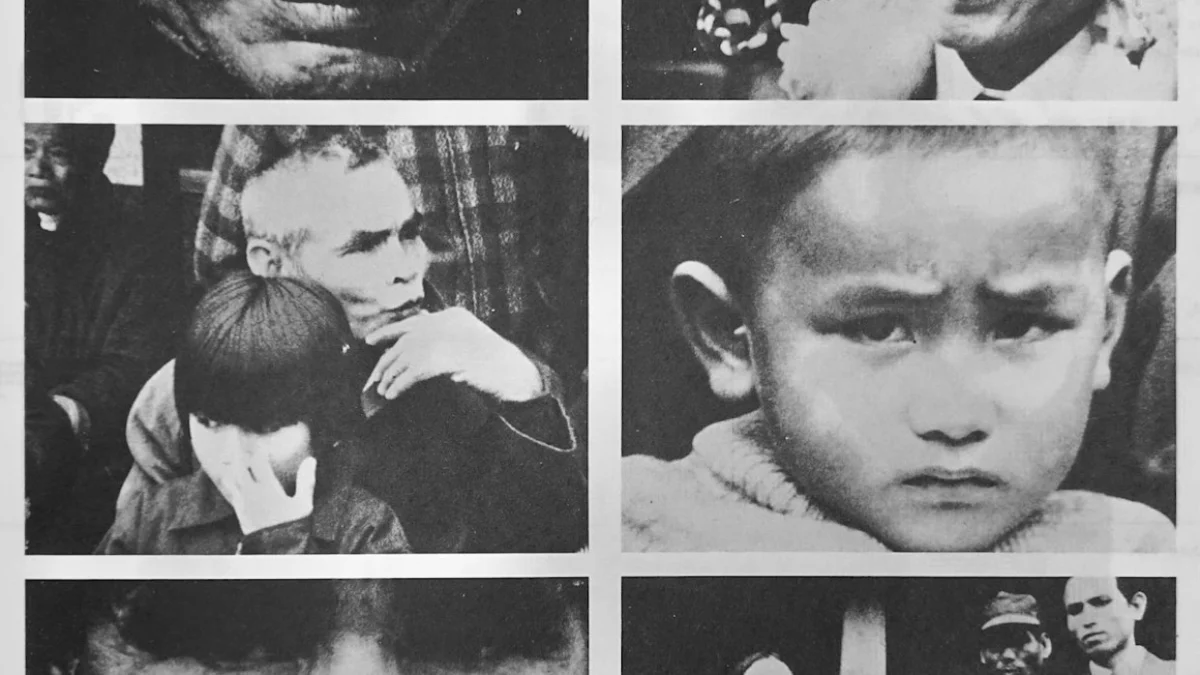
The 15th edition of the Taiwan International Documentary Festival (TIDF), held in May 2024, served as a critical nexus for the examination of Asian political nonfiction, blending contemporary premieres with significant archival restorations. Established in 1998, just over a decade after the lifting of martial law in Taiwan, the TIDF has evolved from a nascent platform for independent video activism into one of the premier institutions for documentary cinema in the Asia-Pacific region. This year’s programming underscored the festival’s historical commitment to "Asian Visions" and "Taiwan Competition" strands, providing a space for regional narratives that are frequently sidelined by the Western festival circuit. By juxtaposing newly unearthed footage from the 1970s with modern reflections on post-pandemic life and urban displacement, the 15th TIDF offered a comprehensive look at the shifting identities and contested histories of the East Asian archipelago.
The Resurrection of the Archive: The Case of Li Guang-hui
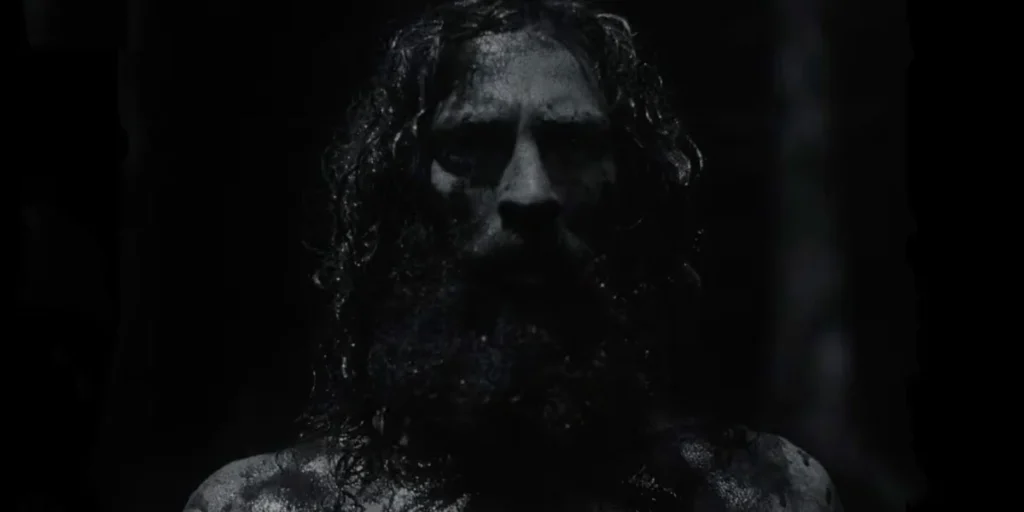
A centerpiece of the festival’s retrospective programming was the screening of Archive: Li Guang-hui (1979/2024), a 30-minute documentary meticulously compiled from television newsreel outtakes. The film is the work of the late Chang Chao-tang, a seminal figure in Taiwanese photography and experimental film who passed away in early 2024. The footage, captured between 1975 and 1979 while Chang was a photojournalist for the China Television Company (CTV), documents the return of a man whose life became a symbol of the complex colonial history of Taiwan.
The subject, an Indigenous Amis man known variously as Suniuo, Teruo Nakamura (his Japanese name), and Li Guang-hui (his assigned Mandarin name), was a soldier drafted into the Japanese Imperial Army during World War II. Dispatched to the Indonesian island of Morotai, Suniuo remained in the jungle for 30 years, unaware that the war had ended in 1945. His discovery in 1974 and his subsequent return to Taiwan in 1975 were immediately co-opted by the Kuomintang (KMT) government. The nationalist narrative framed him as a "national hero" who had resisted the Japanese, despite historical nuances suggesting he may have simply been a deserter or a victim of the chaotic end of the Pacific War.
Chang Chao-tang’s film eschews the triumphalist tone of the original news broadcasts. Instead, through a chronological assembly of press interviews and public ceremonies, the film highlights the profound alienation of the returnee. In a particularly poignant sequence, the legendary folk singer Chen Da performs a ballad for Suniuo, framing his return as a Ulyssean epic. However, Chang’s camera lingers on Suniuo’s face, capturing a look of total incomprehension. To an Indigenous Amis man who spoke Japanese and his native tongue, the Mandarin folk songs and the KMT’s nationalist rhetoric were entirely alien. This restoration, donated to the Taiwan Film and Audiovisual Institute (TFAI) by Chang’s son, challenges the traditional historiography that suggests Taiwanese documentary only began to flourish after the end of martial law in 1987.
Historical Context and the Evolution of TIDF
To understand the significance of the 15th TIDF, one must look at the trajectory of Taiwanese media since the late 20th century. The festival was founded during a period of intense democratization. In 1988, a year after the lifting of martial law, the "Green Team" and other independent media collectives began using handheld video cameras to document social movements that were previously censored by state-run media.
The inaugural TIDF in 1998 was modeled in part after the Yamagata International Documentary Film Festival in Japan (founded in 1989), which was then the only major Asian festival dedicated to politically engaged nonfiction. Over the last 26 years, TIDF has expanded its scope to include the "Reel Taiwan" program, which focuses on social movements, and the "War Memories, Shifting Identities" strand, which interrogates the experiences of conscripted Taiwanese soldiers during the Japanese colonial era. These programs highlight the hybridity of Taiwanese identity—a product of successive colonial administrations (Dutch, Qing, Japanese, and KMT) and the ongoing struggle for self-determination.
Regional Perspectives: Urbanization and Social Change
Beyond the archival focus, the 15th TIDF featured contemporary works that examine the human cost of rapid development in mainland China and Southeast Asia. Hu Sanshou’s Xiangzidian Village: The Stage (2026) offers a 150-minute meditation on the destruction of rural life. Filmed over six years, the documentary tracks the transformation of a village into a highway project.
Hu Sanshou, who previously gained acclaim for Resurrection (2025), adopts a distanced, storyteller-like approach in this latest work. Rather than focusing on the mechanics of protest, the film observes the villagers as they are dwarfed by massive earth-moving machinery. Hu’s use of wide shots emphasizes the fragility of the individual against the "new gods" of industrial progress. The film’s emotional weight is anchored in the filmmaker’s personal connection to the subjects; he records the deaths of several elders during the production process, turning the film into a moving archive of a community on the brink of disappearance. This patient, observational style stands in contrast to the more sensationalist "cinéma vérité" often favored by international festivals when depicting the Chinese working class.
Political Trauma and the Narrative Framework
The festival also addressed the complexities of representing political violence. Thai filmmaker Anocha Suwichakornpong’s Narrative (2026) explores the legacy of the 2010 Bangkok massacre, where pro-democracy "Red Shirt" protesters were killed by military forces. Suwichakornpong utilizes a theatrical workshop format, involving the family members of the victims in three structured acts: memory, legal mediation, and gratitude.
Narrative functions as a critique of how stories of trauma are packaged for public consumption. By showing how the legal system disaggregates collective tragedies into isolated criminal cases, the film argues that individual healing is impossible without broader systemic restitution. The inclusion of a score by Eiko Ishibashi, which drowns out the participants’ words during a scene of "articulating gratitude," serves as a meta-commentary on the forced nature of reconciliation narratives.
Post-Pandemic Realities: The Case of Wuhan
The closing chapters of the festival’s thematic journey led to Luo Li’s Air Base (2025), a "city symphony" set in post-pandemic Wuhan. Shot in 2023, the film captures a city returning to a "new normal" characterized by apathy and a breakdown of social responsibility. Luo Li employs a series of staged, Beckettian sequences—a man directing traffic from an overpass, a woman collecting sighs, a broom perpetually falling on an escalator—to illustrate a sense of "limp time."
The film records the reactions of ordinary citizens to these absurd interventions. Most pedestrians either comply with meaningless authority or treat the performers with suspicion. Through these interactions, Air Base suggests that the collective trauma of the pandemic has resulted in an "exhausted reality" where the public has retreated into a state of passive acquiescence.
Data and Industry Impact
The 15th TIDF showcased approximately 140 films from over 50 countries, drawing an estimated attendance of 30,000 visitors across its various venues in Taipei. The festival’s emphasis on restoration was supported by the TFAI, which has seen a 25% increase in funding for archival preservation over the last three years. This investment reflects a broader state-level commitment to documenting Taiwan’s transition from an authoritarian state to a liberal democracy.
Industry analysts note that TIDF’s focus on "archival solidarity" has global implications. The inclusion of the "Palestine and Its Archiveless Archive" program, for instance, connected local Taiwanese struggles for historical recognition with international anti-imperial movements. This prismatic approach to history allows the festival to remain relevant in a geopolitical climate where Taiwan’s self-governance is increasingly framed by the competing interests of major world powers.
Broader Implications and Future Outlook
The 15th Taiwan International Documentary Festival demonstrated that the documentary form remains a vital tool for resisting the erasure of history. By showcasing films like Archive: Li Guang-hui, the festival provides a necessary counter-narrative to state-sponsored myths, centering the voices of the Indigenous and the marginalized.
As the festival concludes, the resonance of its archival focus is clear: cinema is not merely a tool for reflecting the world, but a means of preserving the "prickly, peculiar forms" of resistance that emerge in the face of colonial and industrial pressures. The success of this edition reinforces TIDF’s position as a guardian of regional memory, ensuring that even as landscapes are flattened by bulldozers and histories are rewritten by political regimes, the "archives of the soul" remain accessible to future generations.