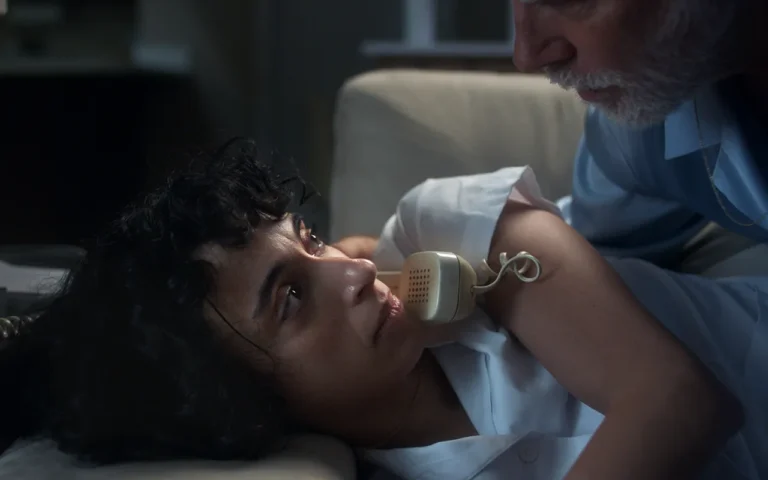


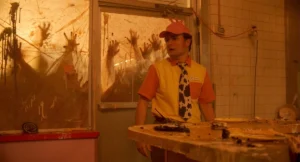
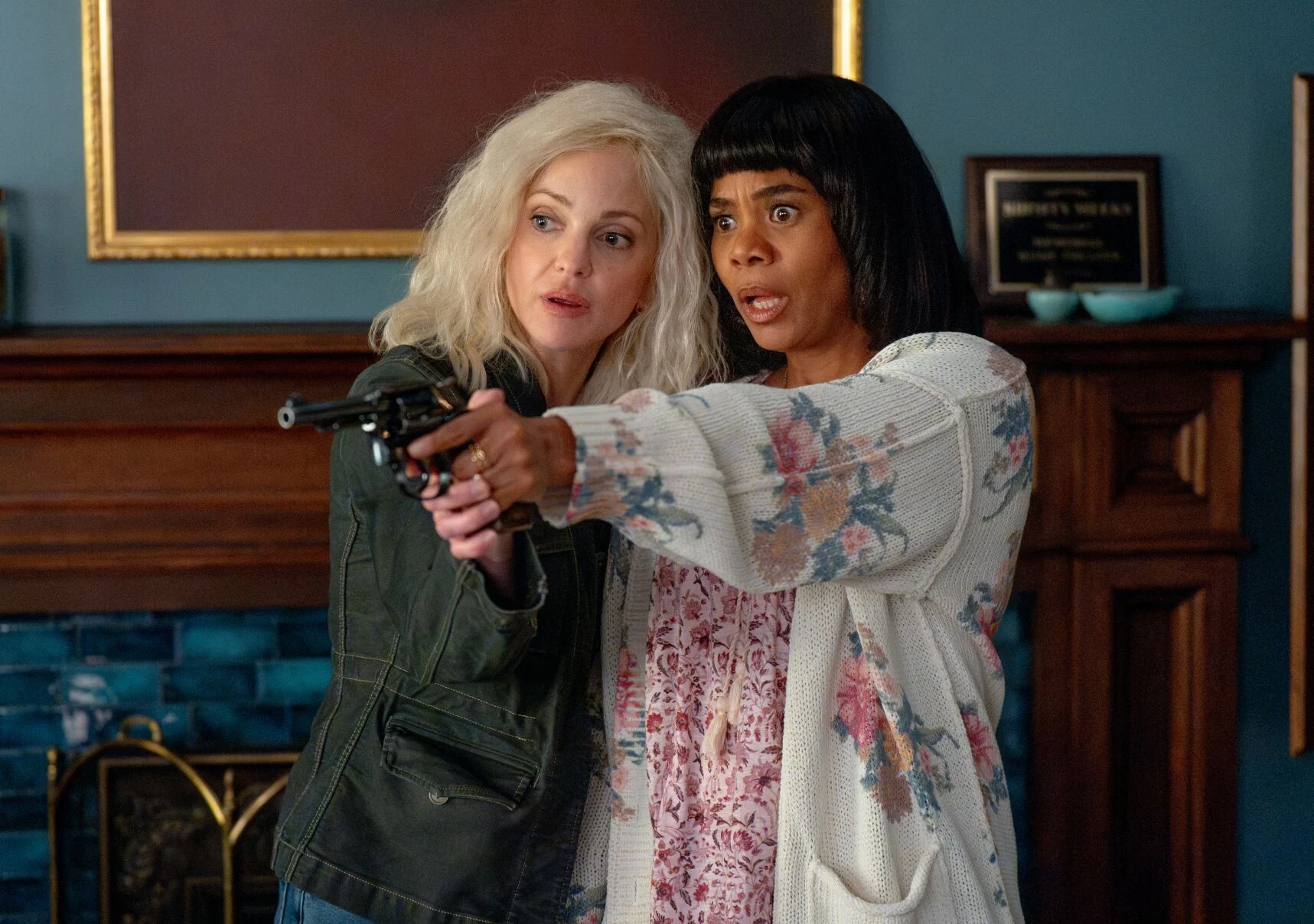
The entertainment landscape has witnessed a rare and contentious homecoming with the release of the sixth installment of the Scary Movie franchise, pointedly titled simply Scary Movie without a numerical designation. This omission is not merely a stylistic choice, but an act of corporate and creative protest by the Wayans family. The collective architects of the original 2000 cultural phenomenon completely disowned the three subsequent sequels—Scary Movie 3 through 5, released in 2003, 2006, and 2013, respectively—following a protracted compensation dispute with the Weinstein Company in 2001. That historical grievance forms the thematic backbone of the new legacy sequel, which functions simultaneously as a self-aware horror-comedy and a sharp, cynical critique of studio politics and the entertainment industry at large.
The Main Facts of the Legacy Sequel
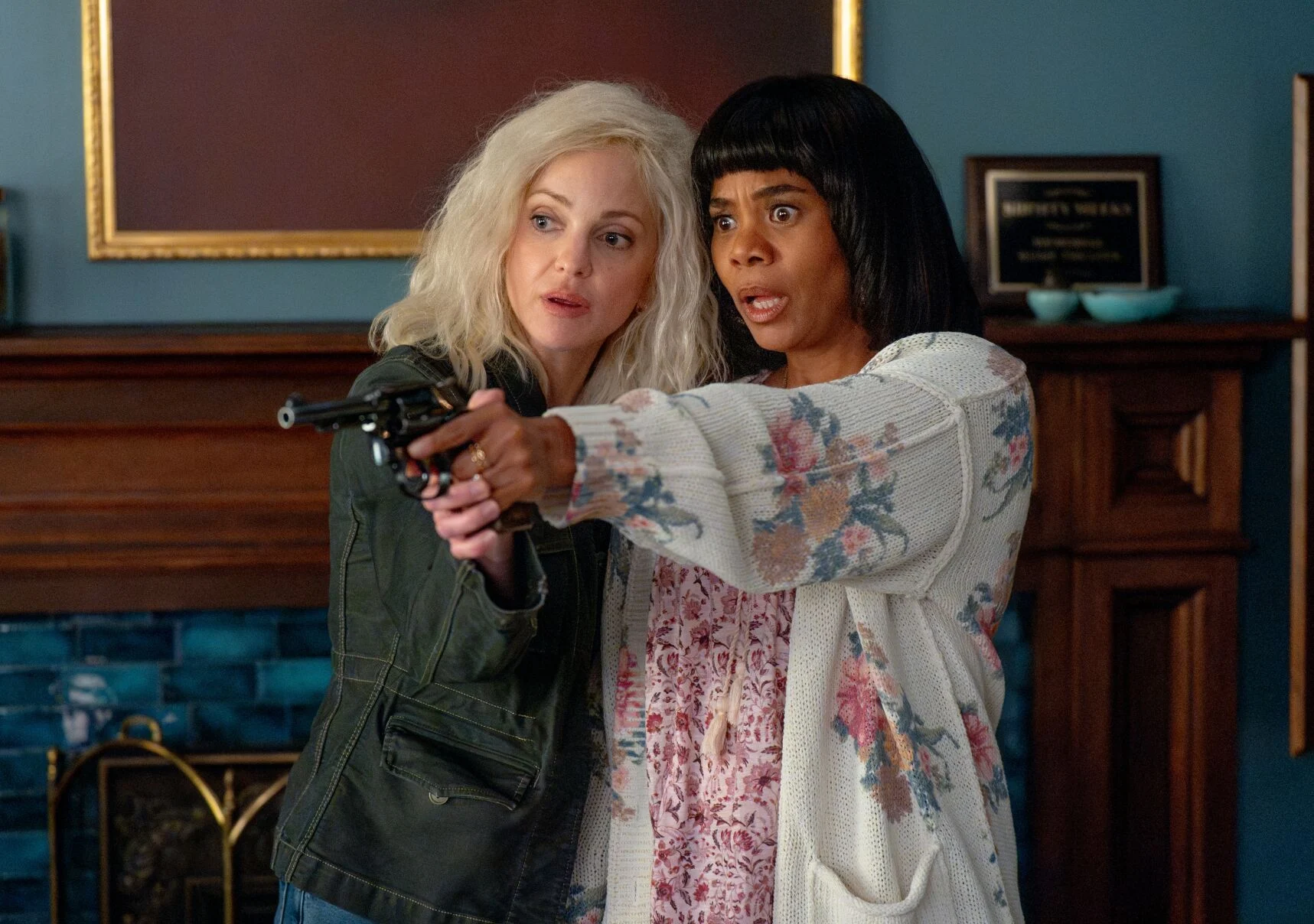
Scary Movie brings back nearly the entire principal cast of the original film after a quarter-century hiatus, blending the franchise’s signature brand of low-brow, boundary-pushing slapstick with a surprising undercurrent of emotional resonance. While the comedy relies heavily on rapid-fire visual gags, object-permanence callbacks, and contemporary horror send-ups driven primarily by Marlon Wayans, the off-screen reunion introduces a layer of sincerity. The core cast members, reunited after 25 years, have expressed genuine warmth regarding their return to the cinematic universe that initially launched several of their careers.
Financially, the film has proven that the appetite for the Wayans brand of satire remains robust. In its first two weeks of global release, the picture hauled in $172 million at the box office, nearly matching the lucrative trajectory of its predecessors and signaling a lucrative continuation for the resurrected franchise.
Historical Chronology and the Roots of the Spoof
The creative sensibilities of the Wayans family and their frequent collaborator Robert Townsend were forged in the crucible of classic, rapid-fire sketch and parody comedy. Townsend notes that their inspirations trace back to foundational works like Mel Brooks’s Blazing Saddles (1974) and The Kentucky Fried Movie (1977), directed by John Landis. These early projects established a tradition of antiauthoritarian, quip-heavy comedy modeled after the Marx Brothers and Mad magazine.
The modern spoof film—characterized by hyperactive, joke-a-minute narrative frames packed with up-to-the-minute cultural references—was formally innovated by the ZAZ team (David Zucker, Jim Abrahams, and Jerry Zucker) with Airplane! in 1980. Jim Abrahams famously noted that their comedic approach served as counterprogramming to the heavy, divisive political climate of the 1970s, consciously sidestepping Vietnam, Watergate, and the era’s social upheavals to instead elevate pure absurdity.
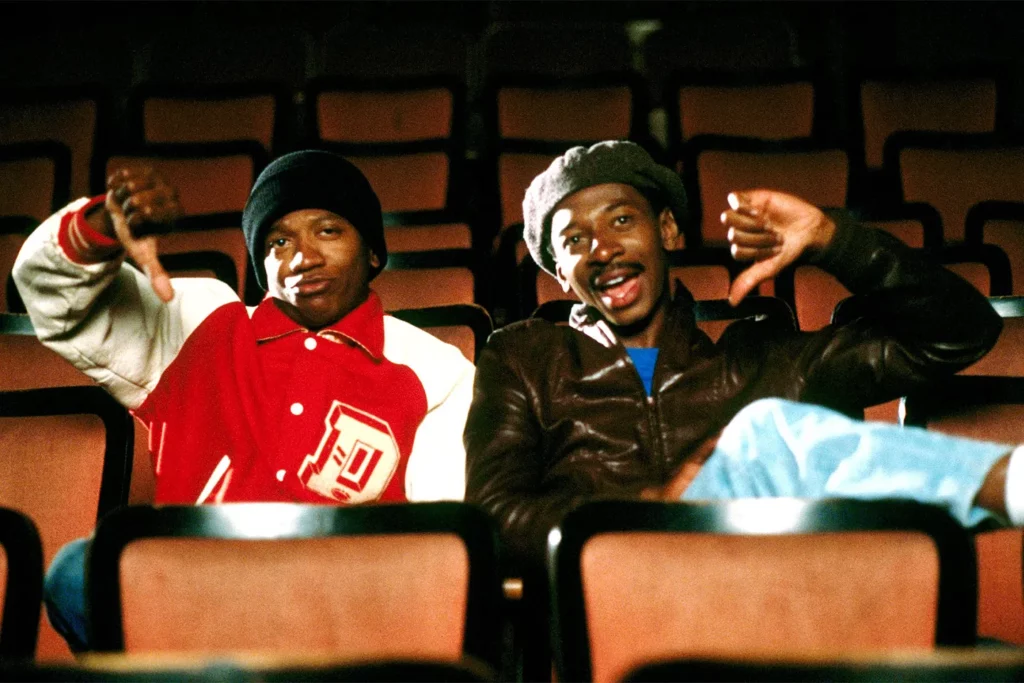
In 1987, Townsend and Keenen Ivory Wayans expanded upon the ZAZ blueprint by integrating the biting racial satire of The Richard Pryor Show (1977) in the seminal indie comedy Hollywood Shuffle. The film targeted genres historically marketed toward Black audiences—such as blaxploitation films and urban dramas—roasting them for relying on lazy, pandering tropes. This project originated from comedic bits like "Sneakin’ in the Movies," a Siskel and Ebert-style clip show that allowed the creators to critique white racist cinematic fantasies like Dirty Harry (1971) from an authentic Black perspective. Viewing their disconnected dailies, Townsend and Keenen realized they could string the sketches together into a coherent narrative exploring the Black actor’s struggle for honest representation within a restrictive studio system.
The Rise of an Independent Dynasty
The critical and commercial triumph of Hollywood Shuffle provided Keenen Ivory Wayans with the leverage to launch two major subsequent projects: the feature film I’m Gonna Git You Sucka (1988) and the groundbreaking sketch comedy series In Living Color (1990–1994). In Living Color served as a finishing school for the broader Wayans family, shifting the national comedic consciousness by delivering intelligent, sharp critiques of Black culture as mediated through the white power structure.
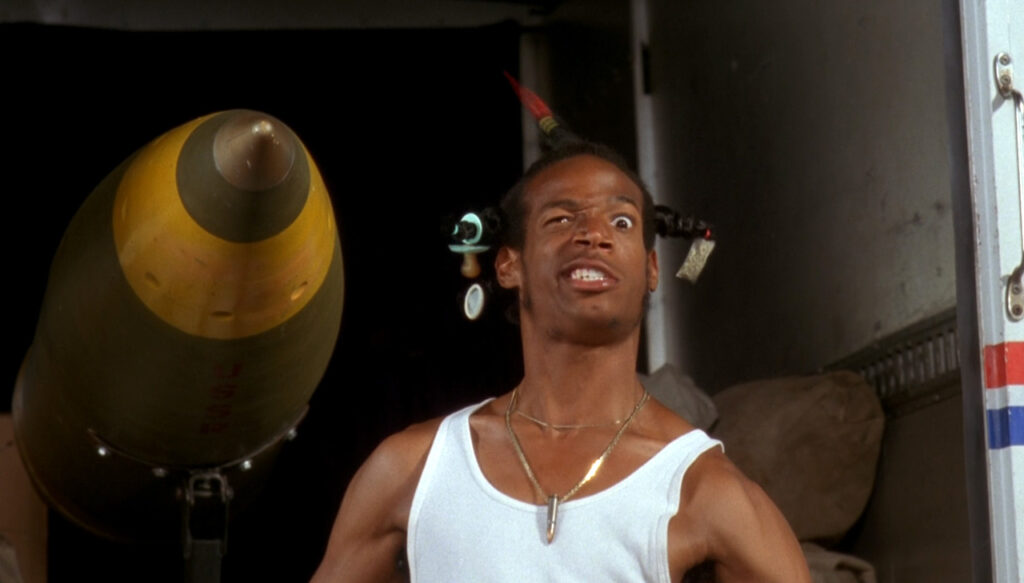
This momentum carried into the theatrical space with Don’t Be a Menace to South Central While Drinking Your Juice in the Hood (1996). The film took direct aim at the wave of inner-city coming-of-age dramas that emerged in the early 1990s—such as Boyz n the Hood (1991), Juice (1992), and Menace II Society (1993)—whose commercial success prompted studio executives to repeatedly mine Black trauma and systemic violence for mainstream popcorn entertainment. Marlon Wayans famously starred as Loc Dog, an absurdist caricature spoofing Larenz Tate’s O-Dog from Menace II Society. The character’s exaggerated traits—complete with braided armpit hair and a nuclear arsenal stored in a stolen mail truck—offered a complex piece of cultural criticism, mocking the very stereotypes that saturated cinematic landscapes of the decade.
The Formula Reaches Its Zenith
The culmination of this satirical evolution arrived with Scary Movie in 2000. Operating on a modest production budget of $19 million, the film pilloried the late-1990s teen slasher revival—exemplified by Scream and I Know What You Did Last Summer—while freely mixing highbrow and lowbrow humor, shot-for-shot parodies, and meta-commentary. Distributed by Dimension Films, the picture shattered box-office expectations, grossing $278 million worldwide.
The film’s success, however, also underscored industry tensions regarding representation. Many of the horror tropes being spoofed featured predominantly white casts, famously giving rise to Roger Ebert’s 1997 coinages like "The Brother Always Dies First." Scary Movie directly addressed the inherent dynamics of placing Black actors—specifically Regina Hall, Shawn Wayans, and Marlon Wayans—at the center of a horror narrative, blowing prevalent stereotypes up to ridiculous proportions to walk the line between pure slapstick and social commentary.
Corporate Co-Optation and the Industry Cycle
Following the massive success of the original 2000 film, Dimension Films immediately greenlit a rushed sequel released just one year later. Despite the involvement of veteran satirists like Chris Elliott and David Cross, the condensed production timeline strained the final product.
When the Wayans family departed the franchise following compensation disputes, studio executives pivoted. David Zucker stepped in to direct Scary Movie 3 and Scary Movie 4, replacing Shawn and Marlon Wayans with actors like Simon Rex and Charlie Sheen. In subsequent interviews, Marlon Wayans famously likened the studio’s continuation of the franchise without its creators to "watching your child become a crackhead"—a sentiment reflecting a familiar cycle in Hollywood where Black creators are utilized to build valuable intellectual properties only to be sidelined by corporate structures.
Broader Impact and Implications
The trajectory of the Wayans family mirrors the broader historical struggle for creative autonomy in Hollywood. Robert Townsend has often recounted advice given to him by legendary actor Sidney Poitier regarding how to retain personal and artistic dignity during an era when Hollywood rarely afforded respect to Black performers: "I said no. I made sacrifices to do it, but I had the power to say no."
Throughout their decades-long careers, Townsend, Keenen, Shawn, and Marlon repeatedly returned to the spoof genre because it provided a protected platform to deliver pointed cultural commentary masked as broad comedy. The resonance of this legacy is visible in contemporary cinema. Last year, Ryan Coogler’s Sinners—a genre film exploring artistic freedom and the historical exploitation of Black art—grossed $370 million and garnered historic Academy Award recognition. Whether these modern milestones are directly tied to the foundational critiques leveled by the Wayans family decades prior remains a subject of industry debate, but the massive global box office returns of the latest Scary Movie installment suggest that the audience for sharp, self-aware, creator-driven satire is as formidable as ever.