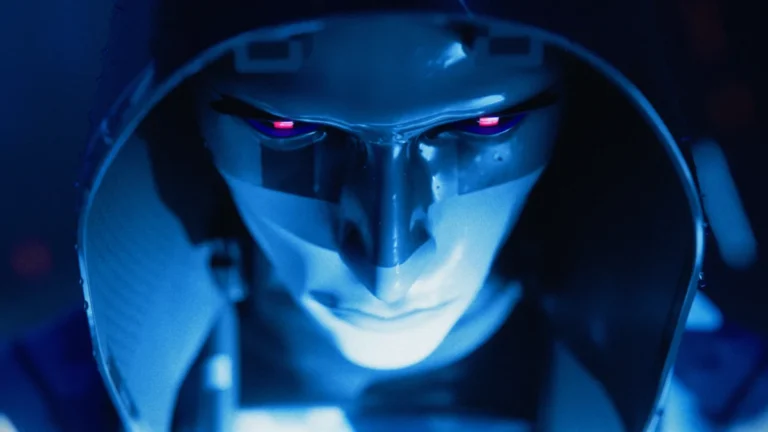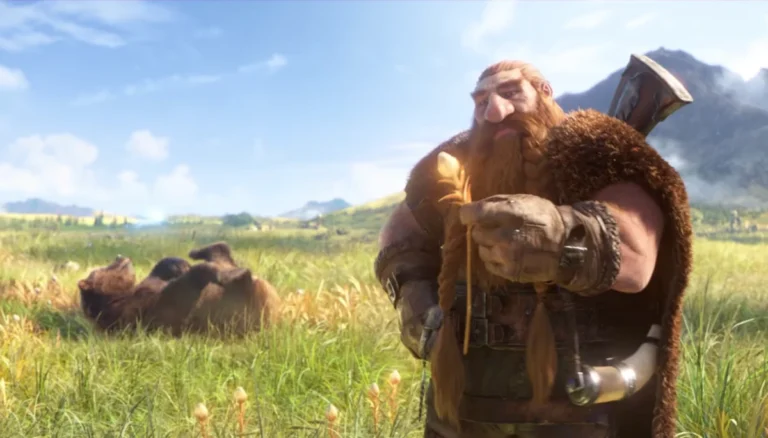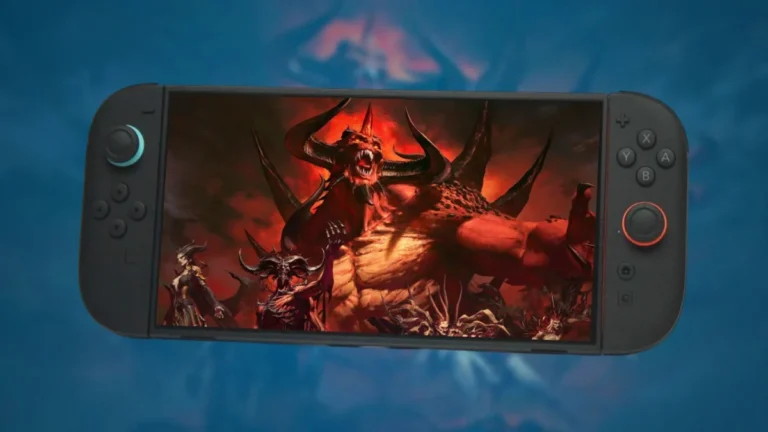

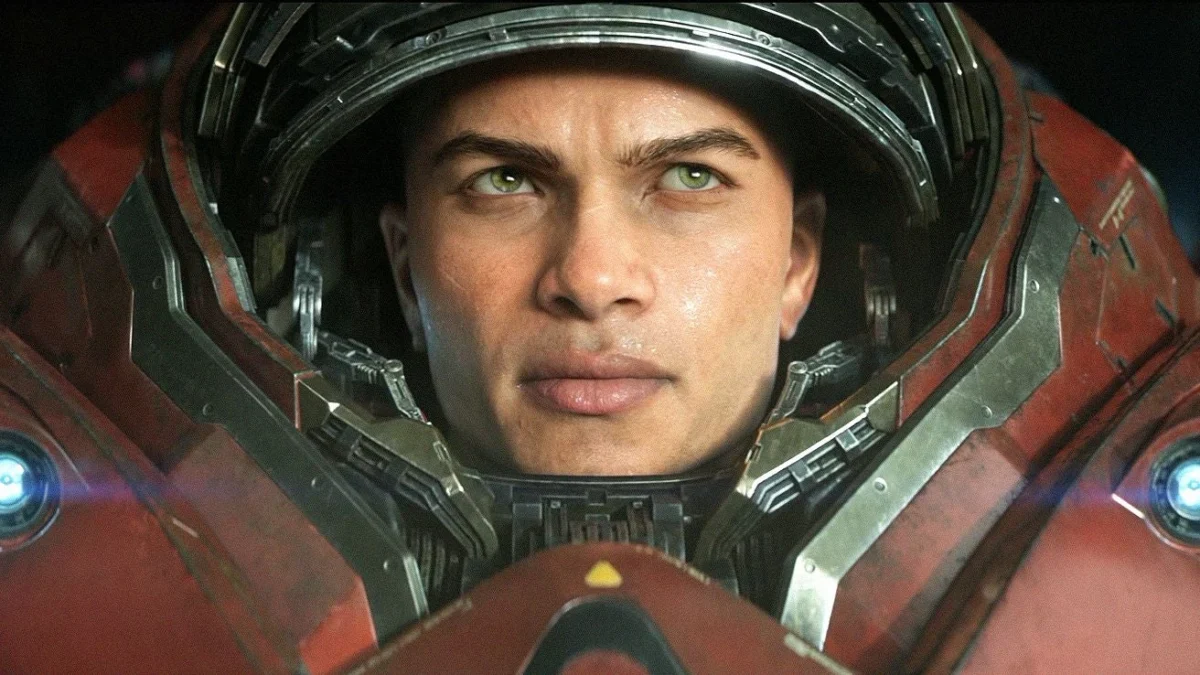
Blizzard Entertainment has officially pivoted its long-dormant StarCraft franchise, confirming that the next installment in the legendary science-fiction series will be a narrative-focused, open-world shooter rather than a traditional real-time strategy (RTS) game. During a media roundtable at BlizzCon 2026, project leader Dan Hay provided the most comprehensive look yet at the title, which is currently slated for a 2030 release. By framing the project as a "boxed product" with a definitive beginning, middle, and end, Blizzard is signaling a departure from its recent history of prioritizing live-service, multiplayer-centric ecosystems.
A Departure from Tradition
For decades, the StarCraft brand has been synonymous with the pinnacle of the RTS genre. Following the release of StarCraft II: Legacy of the Void in 2015 and the subsequent Nova Covert Ops DLC in 2016, the franchise entered a period of relative dormancy regarding major narrative releases. The announcement of a shooter signifies a radical departure in design philosophy.
Dan Hay, whose decade-long tenure at Ubisoft—specifically overseeing the Far Cry franchise—brings a pedigree of open-world development to the project, emphasized that this game is designed to be a self-contained experience. "If I were to describe the overall structure we currently envision, it’s a ‘box product’," Hay stated. "It is a narrative-driven open-world shooter where players create a character, name them, and follow that character’s story."
This approach contrasts sharply with Blizzard’s recent output, such as Overwatch 2 and Diablo IV, which rely heavily on seasonal content drops, battle passes, and persistent online engagement. By explicitly stating that the game is not a "seasonal game," Blizzard appears to be targeting a demographic of players who prefer high-fidelity, single-player experiences that respect a finite playtime.
Gameplay Mechanics and Structural Design
The game will feature a hybrid structure, balancing linear, high-intensity narrative missions with an expansive, explorable open world. Hay described the gameplay loop as an interplay between focused, emotional story beats—likening them to the iconic, gut-wrenching moments of the original StarCraft lore, such as the abandonment of Sarah Kerrigan—and a more free-form scavenging and progression system.
"The shooter we are building features a deep story, main missions, side quests, and character progression," Hay noted. "If a certain mission feels too difficult, you can return to the open world and engage in other activities at your own pace."
This design philosophy mirrors modern trends in "open-zone" shooters, where the environment serves as a sandbox for player empowerment. By scavenging for gear and upgrading armor within the world, players can mitigate difficulty spikes, allowing for a tailored experience that avoids the "overly punishing" nature common in many competitive shooters. The goal is to ground the player at "eye height," providing an intimate, visceral perspective of the StarCraft universe that the top-down RTS view could never fully capture.
Narrative Context and Setting
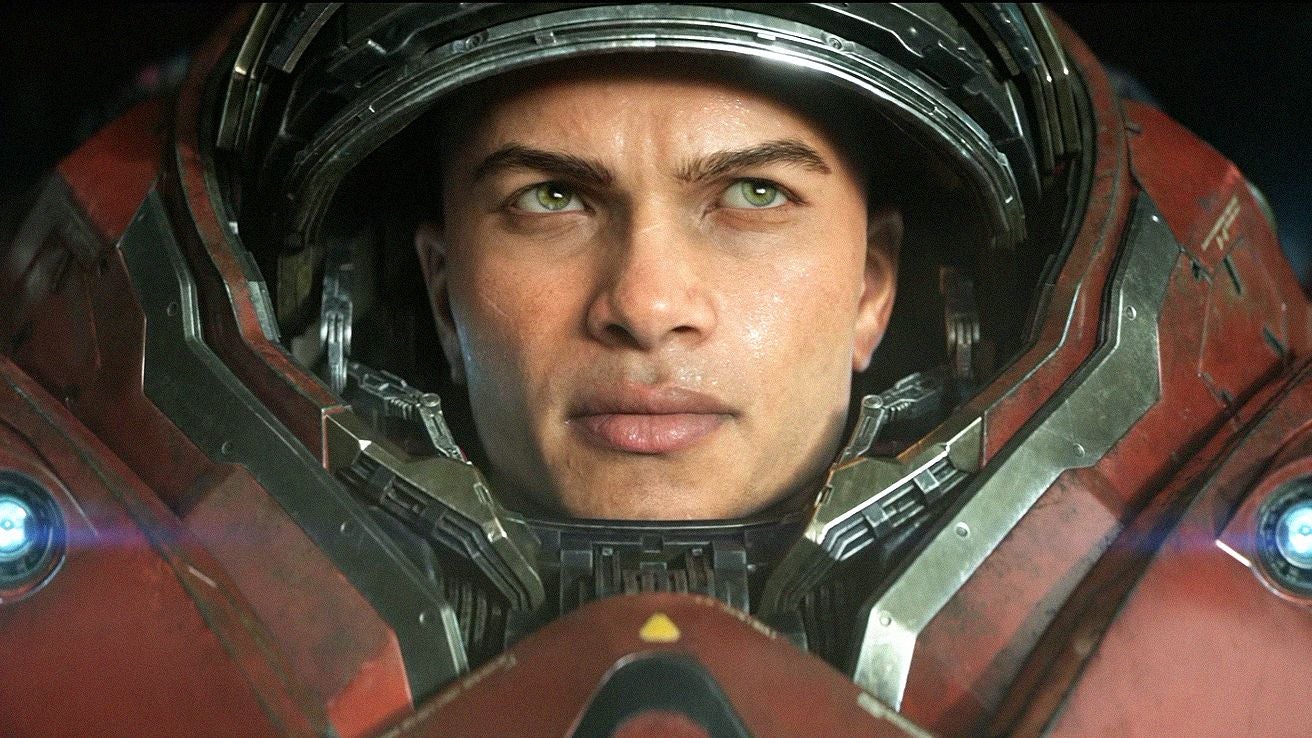
The story is set 70 years after the conclusion of the events in StarCraft II: Legacy of the Void. This significant time jump allows the development team to establish a fresh status quo, characterized by political instability and shifting alliances. Hay describes the atmosphere as a "space Western," focusing on the isolation and grit of the Koprulu Sector’s fringes.
The inclusion of the Protoss, while subtle in initial marketing materials, confirms that the classic trinity of Terran, Zerg, and Protoss will remain central to the conflict. However, the tone will be distinctly darker. The world is presented as being on the precipice of catastrophe, with factions clashing in a complex geopolitical web. This setting provides the perfect backdrop for a player-driven narrative where, as Hay suggested, characters are often morally grey, choosing to act against their own best interests in a high-stakes, isolated environment.
The Future of StarCraft as an RTS
The transition from RTS to a shooter has naturally sparked concerns among the long-standing StarCraft competitive community. Since the release of the original StarCraft in 1998, the franchise has been the foundation of modern esports. By moving toward a single-player shooter, Blizzard is effectively sidelining the competitive RTS format for the foreseeable future.
When pressed on whether this project precludes a return to the series’ roots, Dan Hay was deliberately cautious. "I have to be extremely careful when answering what we might do in the future," he said. He acknowledged that Blizzard is fully aware of the "hugely important and powerful position" StarCraft holds as an RTS, but he stopped short of confirming any other titles in development. The studio appears to be intentionally isolating this project from the broader RTS legacy to avoid setting expectations for a dual-track development pipeline.
The Broader BlizzCon 2026 Landscape
The 2030 StarCraft announcement was part of a larger strategic realignment for Blizzard, which saw a surge of major reveals at BlizzCon 2026. The event, which also included the surprise announcement of Diablo 5 and the introduction of World of Warcraft Forever (a "Classic Plus" initiative), indicates a company looking to re-establish its flagship intellectual properties after years of industry consolidation and internal restructuring.
The 2030 release date is particularly telling. It suggests an extended development cycle, likely necessitated by the technical demands of building a high-fidelity, open-world engine within the established, lore-heavy universe of StarCraft. The extended timeline also grants the studio space to iterate on the narrative without the pressure of a traditional, expedited "live-service" roadmap.
Implications for the Industry
Blizzard’s pivot to a narrative-heavy, standalone product is a notable trend in the AAA gaming space. As "games-as-a-service" (GaaS) fatigue sets in among core audiences, many major publishers are pivoting back toward prestige, single-player experiences. By leveraging the immense brand equity of StarCraft—a series with arguably the deepest lore in science-fiction gaming—Blizzard is attempting to bridge the gap between its legacy fans and a modern generation of players who prioritize narrative immersion over competitive ladders.
Ultimately, the success of this project will hinge on whether Blizzard can translate the "gritty, rough edge" of StarCraft into a compelling shooter experience. By moving the camera from the heavens to the ground, Blizzard is taking a significant risk, but one that could revitalize one of the most recognizable brands in the industry. For now, the audience must wait until 2030 to see if the "space Western" vision of a new StarCraft can live up to the standard set by its strategy-based predecessors.