
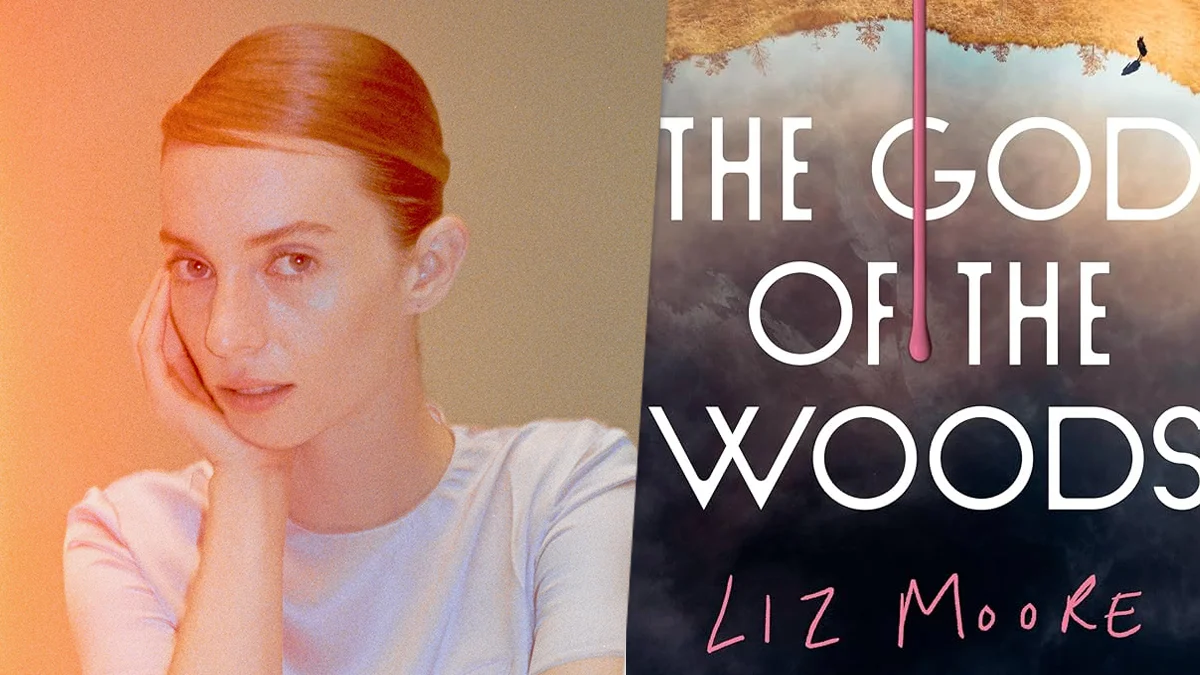
Production for the highly anticipated Netflix original series The God of the Woods is entering its final stages, with cast members confirming the wrap of principal photography this month. The eight-episode limited series, a television adaptation of Liz Moore’s 2024 New York Times bestselling novel, has spent the last several months shooting on location throughout upstate New York. As the production team transitions from active filming to the rigorous demands of post-production, anticipation among the literary and streaming communities continues to build for this atmospheric crime drama.
Project Overview and Production Scope
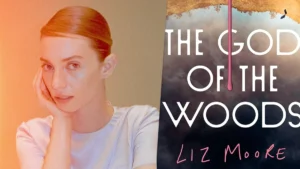
The series serves as a high-profile expansion of Sony Pictures Television’s portfolio, developed for Netflix under the guidance of co-showrunners Liz Moore and Liz Hannah. Moore, the original author of the source material, is collaborating with Hannah, a veteran of critically acclaimed dramas such as The Girl from Plainville and Mindhunter.
The production officially commenced on June 12, 2026, utilizing the rugged, natural landscapes of the Hudson River Valley and the Adirondack Mountains to recreate the 1970s setting of the novel. The choice of location was essential to the narrative’s themes of isolation and the unforgiving nature of the wilderness, elements central to the disappearance of the young protagonist. Over the course of the three-month shoot, the production managed the logistics of filming across multiple distinct time periods, requiring meticulous art direction to ensure the visual authenticity of the 1950s, 1960s, and 1975 timelines depicted in the source material.
Chronology of the Narrative
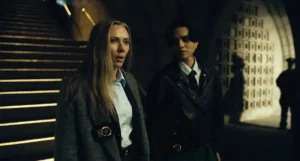
The narrative of The God of the Woods is defined by its complex, non-linear structure. The central mystery revolves around the 1975 disappearance of 13-year-old Barbara Van Laar from Camp Emerson, an elite summer facility owned and operated by the wealthy Van Laar family. The investigation is spearheaded by Detective Judy Luptack, played by Maya Hawke, who must navigate not only the physical search for the girl but also the entrenched, multi-generational secrets of a family that has long controlled the surrounding region.
The timeline is bifurcated by an earlier, equally mysterious disappearance that occurred over a decade prior to the events of 1975. By weaving these two incidents together, the story examines the corrosive nature of privilege and the long-term trauma inflicted upon a community by unresolved tragedy. The production’s commitment to this multi-generational scope is what industry analysts suggest will provide the series with its unique "prestige drama" appeal, separating it from standard procedural mysteries.
Cast and Creative Direction
The project boasts a significant ensemble cast. Maya Hawke, known for her breakout role in Stranger Things, serves as the anchor of the series in her portrayal of Judy Luptack. Opposite her, Kerry Condon—whose recent work includes the Academy Award-nominated The Banshees of Inisherin and roles in F1 and Train Dreams—portrays Alice Van Laar, the distraught mother of the missing teenager.
Behind the camera, the directorial duties have been partitioned to maintain a cohesive visual identity across the eight episodes. Liz Hannah has taken a lead role in the direction of the series, helming two episodes, with a team of directors tasked with managing the remaining segments. The involvement of the original author as a co-showrunner is a strategy increasingly employed by major streamers to ensure fidelity to the source material while allowing for the necessary creative shifts required for the medium of television.
Insights from the Set
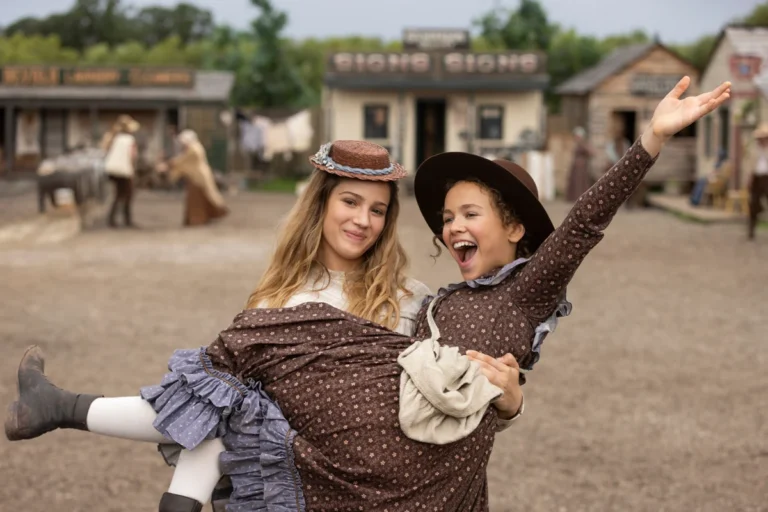
As the production nears its conclusion, cast members have begun documenting the end of the shoot on various social media platforms. Romy Fay, who portrays Michelle, a camper at Camp Emerson, shared reflections on the filming process, noting the intense emotional atmosphere required to film scenes involving the immediate aftermath of Barbara’s disappearance. Similarly, Kai James, who plays Christopher—a key witness in the survival trip team interviewed by Detective Luptack—expressed the collaborative nature of the production. These testimonials highlight the commitment of the younger cast members to grounding the mystery in a realistic portrayal of adolescent vulnerability.
Industry Context and Market Impact
The success of the original novel provides a strong foundation for the series. Published in 2024, the book was widely cited by critics as a benchmark for contemporary crime fiction, appearing on multiple bestseller lists and earning accolades for its atmospheric tension and character depth. By adapting such a high-profile title, Netflix continues its strategic investment in literary adaptations, a sector of the streaming market that has historically demonstrated high audience retention rates and strong awards potential.
The production of The God of the Woods also underscores the economic and creative importance of New York State’s tax incentive programs for film and television. The utilization of the Adirondack region serves both a narrative and an economic purpose, providing authentic backdrops that are difficult to replicate on soundstages while supporting local creative industries.
Future Outlook and Release Projections
While Netflix has yet to finalize an official release date, industry standard practices for high-budget productions of this nature suggest a multi-stage post-production timeline. Typically, an eight-episode series of this scale requires approximately six months of editing, sound design, and visual effects work to achieve the required polish for a global release.
Taking into account the September/October 2026 wrap window, stakeholders anticipate that the series will likely debut in the spring or summer of 2027. This release window would align with typical cycles for prestige dramas, potentially positioning the series for late-year award consideration.
Broader Implications
The adaptation of The God of the Woods arrives at a time when audiences are showing a sustained interest in "whodunnit" narratives that integrate deeper psychological and sociological commentary. By focusing on the dysfunctional dynamics of the Van Laar family and the class disparities inherent in the setting, the series aims to offer more than a simple crime procedural.
The successful completion of filming marks a significant milestone for Sony Pictures Television and Netflix. As the industry moves into the next phase of the project, the primary challenge for the showrunners will be the successful translation of the novel’s internal monologues and slow-burn suspense into a visual format that maintains the same sense of dread and inevitability that characterized the written work. With filming now largely concluded, the creative team has shifted its focus to the editing room, where the final tone of the series—balancing the cold, clinical nature of a police investigation with the intimate, suffocating tension of the family drama—will be established.
For the subscribers of the platform, the series represents a significant addition to the 2027 slate, reflecting Netflix’s ongoing commitment to high-concept, author-driven content. Whether the adaptation will resonate with the same fervor as the novel remains to be seen, but given the pedigree of the showrunners and the depth of the source material, the series is positioned to be a major cultural touchstone upon its eventual debut.