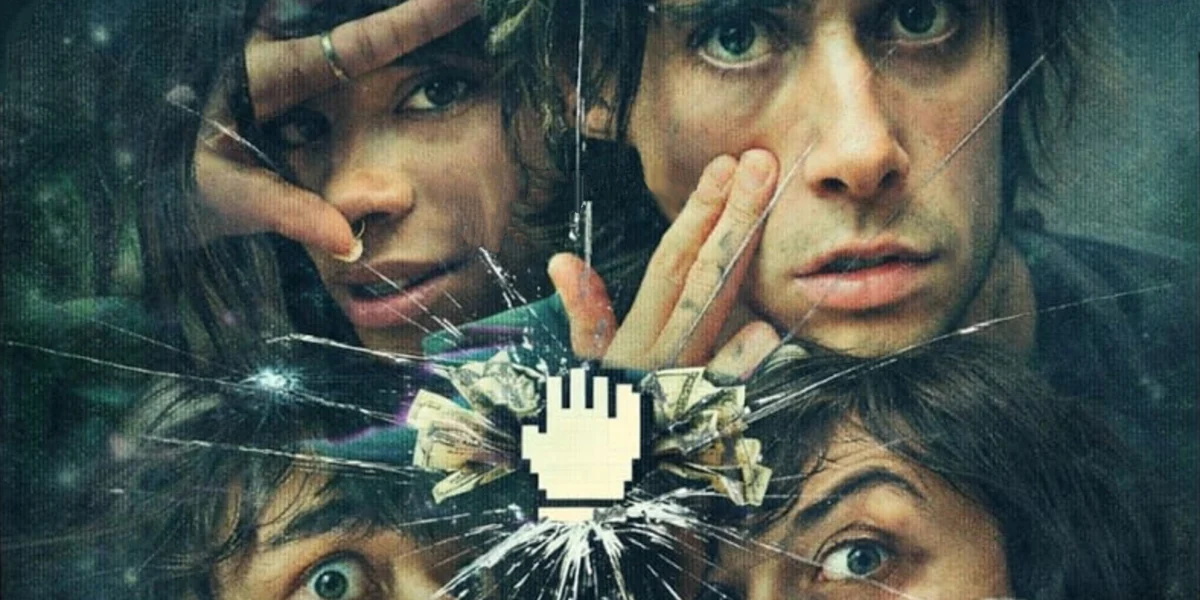
The burgeoning landscape of screenlife cinema has a compelling new contender with the arrival of "LifeHack," a British action thriller set to premiere in theaters on May 15th, 2025. Directed by Ronan Corrigan, the film has already garnered significant buzz following its positive reception at the South by Southwest (SXSW) festival in 2025, where it was lauded for its innovative direction within the screenlife genre, sharp writing, dynamic editing, and strong performances from its ensemble cast.
"LifeHack" delves into the digital underbelly, following a group of friends who find their entertainment in the art of "lifehacking"—a term often associated with clever solutions and efficiency, but here recontextualized as a more audacious form of online mischief. Their initial exploits involve harmlessly pranking online scammers, a digital cat-and-mouse game played out entirely on their screens. However, the allure of a greater challenge, and perhaps a more substantial reward, propels them to escalate their activities. Their ultimate target becomes the wealthy and influential billionaire, Don Heard.
The audacious plan involves a sophisticated infiltration of Heard’s digital life, not through direct confrontation, but by leveraging the social media presence of his daughter, Lindsey. This strategic maneuver allows the young hackers to gain access to Heard’s substantial cryptocurrency holdings, setting the stage for a high-stakes digital heist. The narrative promises a fast-paced exploration of technological prowess, moral ambiguity, and the ever-present risks associated with crossing digital boundaries.
The film’s premiere at SXSW, a renowned festival for innovation in film, technology, and music, provided a crucial platform for "LifeHack" to establish its critical footing. The festival, held annually in Austin, Texas, serves as a key barometer for emerging talent and groundbreaking cinematic approaches. Its consistent track record of launching successful independent films and identifying future industry trends lends significant weight to the positive reviews "LifeHack" has received. The critical acclaim specifically highlighted the film’s effective use of the screenlife format, a genre that presents a narrative primarily through digital interfaces like computer screens, smartphones, and webcams. This style, popularized by films like "Unfriended" and "Searching," demands a unique set of directorial and editing skills to maintain audience engagement and narrative coherence.
The ensemble cast, featuring Georgie Farmer, Yasmin Finney, Roman Hayeck-Green, James Scholz, and Jessica Reynolds, alongside veteran actor Charlie Creed-Miles, has been praised for bringing their characters to life within the confines of the screenlife format. Their ability to convey emotion and drive the plot through digital interactions is a testament to their acting prowess and Corrigan’s direction.
Following the SXSW debut, members of the cast, including Farmer, Finney, Hayeck-Green, and Reynolds, along with director Ronan Corrigan, engaged in discussions about their creative processes and experiences making "LifeHack." These interviews, made available through platforms like The Next Best Picture Podcast, offer valuable insights into the film’s production and the artistic intentions behind its creation. The podcast, a part of the Evergreen Podcasts Network, serves as a vital conduit for disseminating such behind-the-scenes perspectives to a wider audience.
The Genesis of "LifeHack": From Digital Pranks to High-Stakes Heist
The narrative arc of "LifeHack" appears to be rooted in a contemporary fascination with cybersecurity and the potential for both creative and destructive use of digital skills. The concept of individuals using hacking for purposes beyond mere personal gain, especially when targeting those perceived as wealthy or corrupt, taps into a prevalent cultural discourse surrounding wealth inequality and the power dynamics of the digital age.
The decision to focus on a group of friends who begin with "pranking online scammers" suggests a gradual descent into more serious criminal activity. This initial stage likely serves to establish the characters’ technical abilities and their shared sense of camaraderie, while also presenting a seemingly lower-risk entry point into the world of cybercrime. The transition from lighthearted pranks to targeting a billionaire’s cryptocurrency indicates a significant escalation in both the stakes and the moral implications of their actions.
The choice of cryptocurrency as the target is particularly relevant. The volatile and often opaque nature of digital currencies has made them a focal point for both legitimate investment and illicit activities. The ability to steal and launder cryptocurrency presents a unique set of challenges and opportunities for cybercriminals, making it a compelling element for a thriller narrative.
SXSW 2025: A Launchpad for Innovation
The selection of South by Southwest (SXSW) for the film’s premiere is strategically significant. SXSW has a well-established reputation for championing independent cinema and showcasing films that push creative boundaries. Its diverse programming often includes a strong focus on technology and its intersection with storytelling, making it an ideal venue for a screenlife thriller.
The festival typically sees thousands of submissions from filmmakers worldwide, and a positive reception at SXSW can translate into significant distribution deals and critical attention. For a film like "LifeHack," which relies on a specific genre convention and a contemporary theme, SXSW provides a platform to reach an audience that is actively seeking out fresh and innovative cinematic experiences. The festival’s strong ties to the tech industry also mean that films exploring digital themes often resonate particularly well with its attendees.

The critical feedback from SXSW, emphasizing direction, writing, editing, and performances, suggests that "LifeHack" not only succeeds within the screenlife genre but also delivers on fundamental filmmaking principles. This broad-based acclaim is crucial for a film aiming for wider theatrical release and sustained audience interest.
The Art of Screenlife: Challenges and Innovations
The screenlife genre, while offering unique storytelling possibilities, presents distinct directorial and technical challenges. Filmmakers must find ways to convey narrative, character development, and emotional depth solely through digital interfaces. This requires a meticulous approach to visual design, user interface simulation, and the strategic use of on-screen text, video calls, and browser windows.
Ronan Corrigan’s direction has been specifically praised for its mastery of this format. This suggests an understanding of how to manipulate these digital elements to create suspense, build tension, and reveal information in a way that feels organic to the on-screen experience. The editing plays a crucial role in pacing and maintaining audience engagement, ensuring that the rapid-fire nature of digital communication does not overwhelm the narrative.
The performances within a screenlife film are also distinctive. Actors must convey a wide range of emotions and react to events as they unfold on a screen, often in isolation. The success of Georgie Farmer, Yasmin Finney, Roman Hayeck-Green, Jessica Reynolds, and Charlie Creed-Miles in these roles underscores their ability to adapt to the genre’s demands and deliver compelling character portrayals.
Supporting Data and Industry Context
The global cybersecurity market is a rapidly expanding industry, projected to reach over $345 billion by 2026, according to some industry reports. This growth is driven by the increasing reliance on digital systems and the ever-evolving threat landscape. Films that explore themes of hacking and cybercrime tap into this broader societal awareness and concern.
The cryptocurrency market, while experiencing significant volatility, continues to be a major area of interest and investment. The total market capitalization of cryptocurrencies has fluctuated dramatically, reaching trillions of dollars at its peak. This immense financial potential makes it an attractive, albeit risky, target for illicit activities. The ease with which digital assets can be transferred globally also presents unique challenges for law enforcement and regulatory bodies.
The screenlife genre, though niche, has seen a steady rise in popularity. Films like "Unfriended" (2014) and "Searching" (2018) have demonstrated the commercial viability and critical potential of this format. "Searching," in particular, achieved significant critical and commercial success, earning over $75 million worldwide and receiving praise for its innovative storytelling. This precedent suggests a receptive audience for well-crafted screenlife narratives.
Chronology of "LifeHack’s" Journey
- Pre-2025: Development and production of "LifeHack," likely involving scriptwriting, casting, and filming, with a focus on mastering the screenlife aesthetic.
- Early 2025: Submission to major film festivals, with South by Southwest (SXSW) being a key target for its reputation in innovative and genre-bending cinema.
- March 2025 (Approximate): Premiere of "LifeHack" at SXSW. The film receives positive reviews from critics and attendees, particularly for its direction, writing, editing, and performances.
- Post-SXSW 2025: Cast and director engage in promotional interviews and discussions about the film, contributing to its growing visibility.
- May 15th, 2025: Theatrical release of "LifeHack" in cinemas, marking its wider public debut.
Statements and Reactions (Inferred)
While direct quotes from all parties involved are not fully detailed in the provided content, the presence of interviews with the cast and director implies a collective pride in their work. One can infer that:
- Ronan Corrigan (Director) likely expressed enthusiasm for the screenlife format’s potential to tell modern stories in a compelling way and for the collaborative spirit of the production. He may have spoken about the technical intricacies of capturing performances and narrative solely through digital interfaces.
- Georgie Farmer, Yasmin Finney, Roman Hayeck-Green, and Jessica Reynolds (Cast) likely shared their experiences of inhabiting characters through digital means, discussing the challenges and rewards of conveying emotion and driving the plot through on-screen interactions. They might have highlighted the unique demands of acting within the screenlife framework.
- Charlie Creed-Miles (Actor), as a more established actor, may have commented on the novel approach of the genre and his experience working with a younger, emerging cast and director.
The positive reception at SXSW itself serves as a strong indicator of industry and critical endorsement, suggesting that the filmmakers and actors successfully translated their creative vision into a compelling cinematic experience.
Broader Impact and Implications
The success of "LifeHack" could have several implications for the film industry:
- Advancement of the Screenlife Genre: Continued critical and commercial success for films like "LifeHack" can further legitimize and popularize the screenlife genre, encouraging more filmmakers to explore its narrative potential. This could lead to further innovation in how stories are told through digital mediums.
- Showcasing Emerging Talent: The film provides a significant platform for its emerging cast and director, potentially launching or accelerating their careers. Their positive reception at SXSW positions them as talents to watch in the industry.
- Exploration of Contemporary Themes: "LifeHack" delves into themes of digital identity, cybersecurity, wealth disparity, and the ethics of hacking. Its success can encourage further cinematic exploration of these timely and relevant issues, sparking dialogue and audience engagement.
- Impact on Distribution Models: The film’s release strategy, following a festival premiere and leading to a theatrical run, highlights a viable path for independent films to gain traction. The utilization of podcast interviews and online platforms for behind-the-scenes content also underscores the evolving landscape of film promotion in the digital age.
As "LifeHack" prepares for its theatrical debut, its journey from a buzz-generating festival premiere to a wider audience signifies a promising addition to the contemporary thriller landscape, one that masterfully navigates the complexities of the digital world and the human desire for thrill and consequence. The film’s ability to blend genre thrills with a commentary on modern technology and its societal impact will likely resonate with audiences seeking both entertainment and a reflection of their increasingly digitized lives.