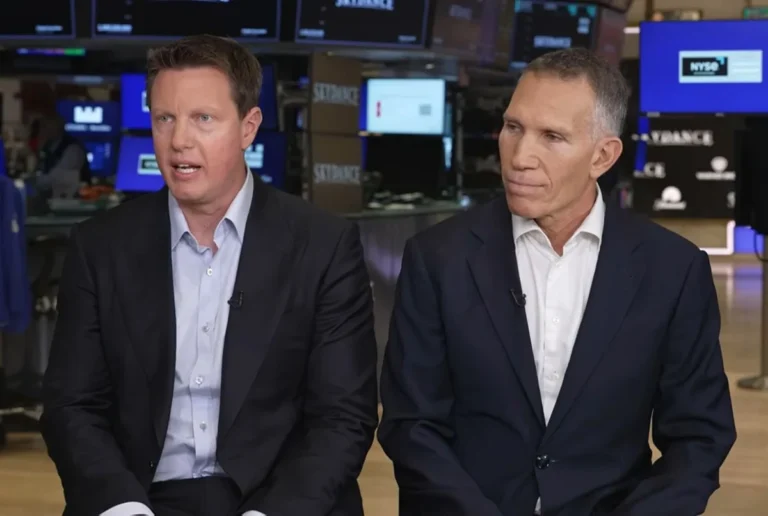


The landscape of the global streaming industry is poised for a seismic shift as Paramount Skydance prepares to integrate Paramount+ and HBO Max into a single, unified platform. This strategic consolidation follows the definitive agreement for Paramount Skydance to acquire Warner Bros. Discovery (WBD), a move that aims to create a formidable competitor capable of challenging the market dominance of Netflix and Disney+. David Ellison, CEO of the newly formed Paramount Skydance entity, confirmed the plans during a comprehensive investor call on Monday, outlining a vision for a streaming powerhouse that would boast an estimated 200 million subscribers globally.
The acquisition comes after a high-stakes, prolonged bidding war that saw several industry titans vie for control of Warner Bros. Discovery’s vast library of intellectual property. The path to the deal was cleared last week when Netflix, previously considered a frontrunner, withdrew its bid, citing a shift in focus toward organic growth and advertising-supported tiers rather than large-scale corporate M&A. Consequently, Paramount and Warner Bros. Discovery reached a formal agreement for Skydance to acquire WBD at a valuation of $31 per share. This transaction marks one of the most significant consolidations in media history, uniting two of the "Big Five" Hollywood studios under a single corporate umbrella.
Strategic Integration and the 200 Million Subscriber Milestone
The primary driver behind the merger is the pursuit of scale. In the current "streaming wars," volume of content and total subscriber count have become the primary metrics of success and long-term viability. By combining the 71 million subscribers of Paramount+ with the approximately 100 million subscribers of Max (formerly HBO Max), and factoring in international growth projections, Ellison expects the new service to launch with a baseline of 200 million users.
During the investor call, Ellison emphasized that the merger is not merely about increasing numbers but about optimizing the user experience and reducing churn. "A combined service provides a value proposition that is difficult for consumers to ignore," Ellison stated. "We are bringing together the most storied library in cinema history with the most prestigious brand in television."
While the executive team remained tight-lipped regarding the specific branding or pricing tiers of the new combined service, Ellison was adamant about the preservation of the HBO identity. Despite the platform integration, he asserted that the HBO brand would remain a distinct pillar within the ecosystem. "HBO should stay HBO," Ellison remarked, acknowledging the brand’s decades-long reputation for high-end, prestige programming. Sources familiar with the internal planning suggest that HBO will likely function as a "premium sub-brand" or a dedicated hub within the larger interface, similar to how Marvel or Star Wars operate within Disney+.
The Sports Powerhouse: A New Frontier for Antitrust Scrutiny
Beyond scripted entertainment, the merger creates a virtual monopoly on several high-value sports broadcasting rights. The integration will bring together the assets of CBS Sports and TNT Sports, creating a portfolio that is arguably the most comprehensive in the United States.
The combined entity will hold rights to a staggering array of premier athletic events, including:
- The National Football League (NFL): Combining CBS’s long-standing Sunday afternoon broadcasts with WBD’s digital auxiliary rights.
- March Madness: The NCAA Division I men’s basketball tournament, which has historically been split between CBS and Turner Sports.
- Major League Baseball (MLB): Rights held by both entities for regular season and postseason coverage.
- The National Hockey League (NHL) and National Basketball Association (NBA): Core components of the TNT Sports lineup.
- International Events: Including the French Open (tennis), The Masters (golf), and various Nascar circuits.
The sheer breadth of this sports offering has naturally raised questions regarding antitrust regulations and fair competition. However, Paramount executives reported on Monday that they have not received any preliminary signals from regulators suggesting that the sports consolidation would trigger a block of the deal. They argue that the market for sports remains fragmented among Amazon, Apple, ESPN (Disney), and NBCUniversal, and that the combined Paramount-WBD entity would simply be a more robust competitor in a crowded field.
The Turbulent Chronology of HBO’s Digital Identity
The decision to merge HBO Max into a new service marks the latest chapter in what has been a decade of identity crises for the HBO brand in the digital age. Under the ownership of Time Warner, the service first ventured into streaming in 2010 with HBO Go, which was initially designed as a "TV Everywhere" supplement for cable subscribers. In 2015, the launch of HBO Now allowed the company to offer a standalone "cord-cutting" option for the first time.
The complexity increased in 2018 after AT&T acquired Time Warner, renaming it WarnerMedia. In an effort to compete with the then-nascent Disney+, AT&T launched HBO Max in 2020, bundling HBO’s prestige content with the broader Warner Bros. film library, Turner Classic Movies, and Cartoon Network. However, the strategy shifted again in 2022 when AT&T divested WarnerMedia, leading to its merger with Discovery Inc.

Under the leadership of WBD CEO David Zaslav, the service was rebranded as "Max" in 2023. The logic at the time was that the "HBO" name was too associated with adult-oriented prestige drama, potentially alienating families looking for Discovery’s unscripted content or children’s programming. This decision proved controversial and was partially walked back a year later when Zaslav and HBO content chief Casey Bloys moved to re-emphasize the HBO name in marketing materials to leverage its "gold standard" reputation.
The upcoming merger with Paramount+ represents the fifth major structural or naming change for the service in fourteen years. Industry analysts suggest that the success of the new Paramount-Skydance service will depend heavily on whether they can finally provide consumers with a stable, permanent brand identity.
Leadership and Operational Synergies
The future of the creative leadership remains a point of intense speculation. Casey Bloys, the architect behind recent HBO hits like The Last of Us, Succession, and House of the Dragon, currently has a contract that runs through 2027. While Bloys has declined to comment on the merger, Ellison’s public praise for the HBO brand suggests an intention to retain the creative team that has defined the network’s success.
Operationally, the merger is expected to yield billions in "synergies"—a corporate term often signifying staff reductions and the consolidation of back-end technology. By moving Paramount+ and HBO Max onto a single tech stack, the company can significantly reduce overhead costs related to server maintenance, app development, and customer acquisition. Furthermore, the combined company will have massive leverage in negotiations with advertising agencies and smart-TV manufacturers like Roku and Samsung.
Market Implications and the "Great Consolidation"
The Paramount-Skydance-WBD deal is a clear signal that the era of "peak streaming" has transitioned into the era of "profitable streaming." For years, media companies prioritized subscriber growth at any cost, leading to massive debt loads and unsustainable content spending. Warner Bros. Discovery, in particular, has been grappling with a debt pile exceeding $40 billion following its previous merger.
By joining forces with Paramount and Skydance, the new entity hopes to achieve the "critical mass" necessary to turn streaming into a consistently profitable business. Analysts at major financial institutions have noted that this deal could trigger a final wave of consolidation in Hollywood. With Disney, Netflix, and now the Paramount-WBD giant occupying the top tier, smaller players like AMC Networks, Lionsgate, and even NBCUniversal’s Peacock may find themselves forced to seek partners or face irrelevance.
"The industry is moving toward an oligopoly," said one media analyst following the investor call. "We are seeing the reconstruction of the old cable bundle, just in a digital format. Consumers want all their content in one place, and the companies realize they can’t survive as standalone islands anymore."
Looking Ahead: Regulatory Hurdles and Launch Timelines
While the agreement between Paramount Skydance and Warner Bros. Discovery is a major milestone, the deal still faces a rigorous review process. The Department of Justice (DOJ) and the Federal Communications Commission (FCC) are expected to scrutinize the transaction for its impact on consumer pricing and the competitive landscape of the advertising market.
However, David Ellison expressed confidence that the deal is "cleaner" than previous media mergers because it involves a strategic injection of capital from Skydance and a clear path toward debt reduction for the WBD assets. If the regulatory timeline proceeds as expected, the combined streaming service could debut as early as the third quarter of 2026.
As the industry awaits further details on pricing and the official name of the "super-service," one thing is certain: the map of Hollywood has been redrawn. The combination of Paramount’s populist appeal—fueled by franchises like Star Trek, Mission: Impossible, and Yellowstone—with HBO’s critical acclaim and the massive reach of WBD’s sports and film assets, creates a titan that will define the next decade of entertainment. For the consumer, the promise is a more streamlined experience; for the industry, it is a desperate but necessary bid for survival in an increasingly digital world.