The Genesis of an Underground Classic
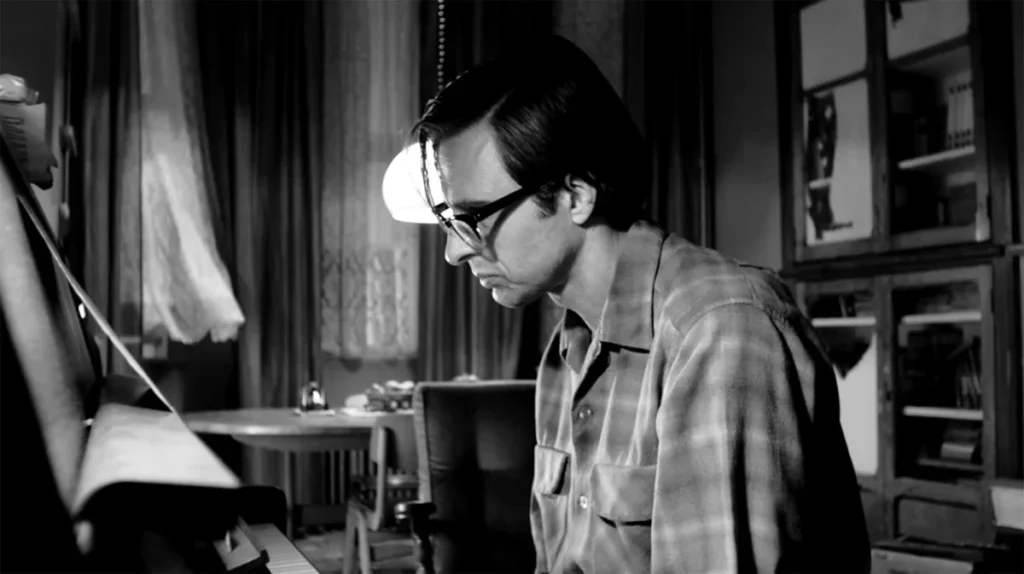
The production of No Picnic began in 1985, a period when the Lower East Side was transitioning from a site of systemic neglect to a contested frontier of gentrification. Phil Hartman, a central figure in the downtown scene and co-founder of the Great Jones Cafe, leveraged the profits from his successful Cajun-inspired establishment to fund his directorial debut. Photographed by the acclaimed experimental filmmaker Peter Hutton on lustrous black-and-white 16mm film, No Picnic was conceived as an episodic, ethnographic exploration of a neighborhood in flux.
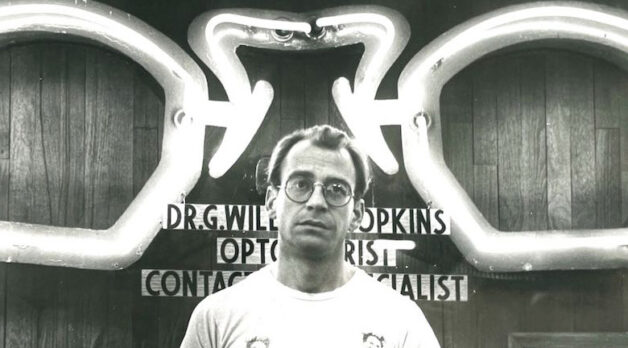
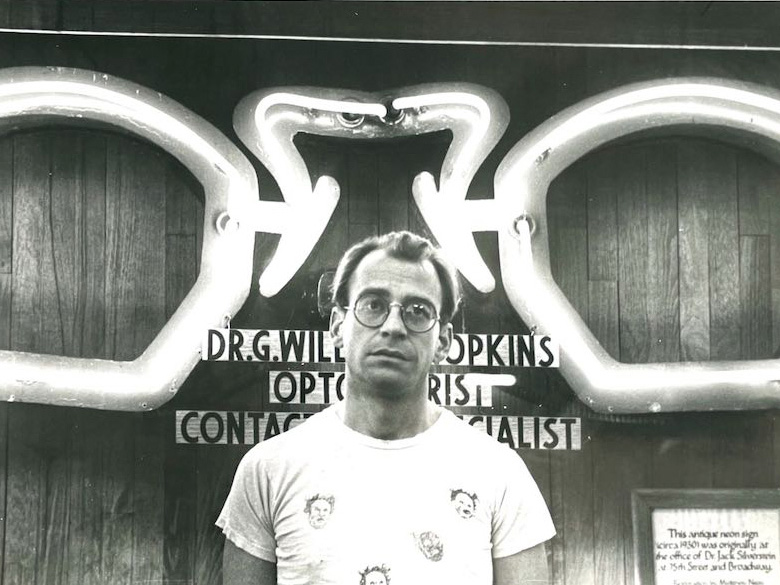
The narrative follows Mac, portrayed by David Brisbin with a blend of weary cynicism and wistful vulnerability. A musician in his thirties, Mac survives by servicing jukeboxes and cigarette machines—occupations that were already becoming obsolete at the time of filming. The plot, secondary to the film’s atmosphere, involves Mac’s romantic fixation on a passing stranger and his interactions with a Canadian neighbor seeking a green-card marriage. However, the true protagonist of the film is the neighborhood itself. Hartman and Hutton captured iconic locations that have since vanished, including Adam Purple’s "Garden of Eden," Bleecker Bob’s Records, and the Atlas Barber Shop. This "race against time" to document a crumbling landscape imbues the film with a documentary-like urgency, capturing a "terroir" of rubble, empty lots, and pre-digital social networks.
A Turbulent Path to the Screen
The film’s initial trajectory was marked by both critical acclaim and institutional instability. After winning the Cinematography Award at the 1987 Sundance Film Festival, No Picnic seemed poised for a breakthrough. It received crucial support from Gray City Films, the New York-based production company founded by Wim Wenders. Plans were in motion for Gray City to purchase and renovate the St. Mark’s Cinema to serve as a flagship venue for the film. However, the company collapsed before the acquisition could be finalized, leaving the film without a theatrical home.
In 1990, Jonas Mekas, the legendary champion of avant-garde cinema, intervened by offering the film a run at the Anthology Film Archives. Boosted by a glowing review in The Village Voice by Manohla Dargis—who described the film as a "swan song to a languishing New York tribe"—No Picnic played for six weeks. Despite this success, the film subsequently entered a period of relative obscurity. Hartman’s professional focus shifted toward the expansion of his Two Boots Pizza empire, which eventually included the Pioneer Theater, a 99-seat repertory cinema that operated from 2000 to 2008. For thirty-five years, No Picnic existed primarily as a cult curiosity, available only on VHS and DVD at Two Boots Video.
The 2025 Restoration and Theatrical Triumph
The revival of No Picnic was catalyzed by a series of fortuitous connections within the New York indie film community. Archivist Mary Engel, daughter of the pioneering filmmakers Morris Engel and Ruth Orkin, introduced Hartman to Jake Perlin, the founder of The Film Desk. Perlin, a former student of Peter Hutton at Bard College, recognized the film’s historical and aesthetic value. Under Perlin’s supervision, a comprehensive restoration was undertaken, leading to a premiere in January 2025 as part of the Museum of Modern Art’s "To Save and Project" series.
The overwhelming response at MoMA—where a packed house braved a major snowstorm—signaled a latent demand for the film. Bruce Goldstein, the repertory director at Film Forum, initially expressed hesitation about booking an "unknown" title but was persuaded by the enthusiasm of programming manager Stephanie Gross. No Picnic opened on April 17, 2025, with a modest schedule of two screenings per day. It was positioned alongside high-profile contemporary releases, yet it quickly emerged as a dominant force at the box office.
Comparative Box Office Data: Film Forum Repertory Runs (2020–2025)
The commercial success of No Picnic is statistically significant when compared to the performance of established "world cinema" classics at the same venue.
| Film Title | Director | Total Gross (USD) | Run Duration |
|---|---|---|---|
| No Picnic | Phil Hartman | $123,000 | 12 Weeks |
| 8 ½ | Federico Fellini | $120,000 | Standard Run |
| The Seven Samurai | Akira Kurosawa | $103,000 | Standard Run |
| Days and Nights in the Forest | Satyajit Ray | $127,000 | Standard Run |
In its opening week, No Picnic grossed $28,000, followed by $16,000 in its second week. By the conclusion of its twelve-week run, it had surpassed the $123,000 mark, establishing itself as one of the most successful repertory releases of the decade.
Factors Driving the Resurgence
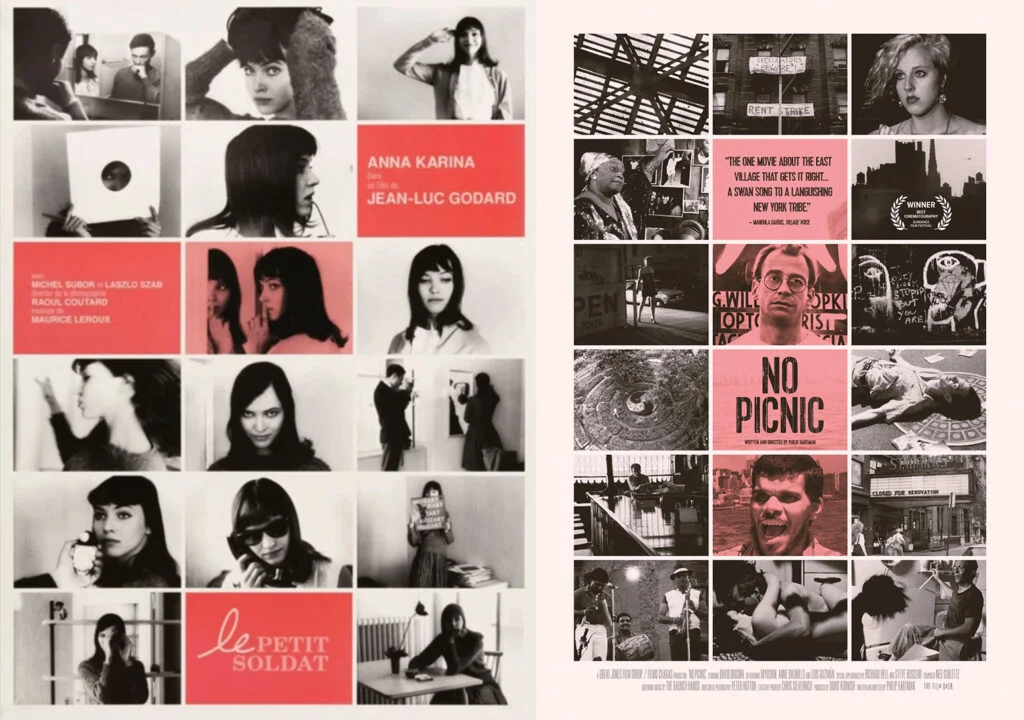
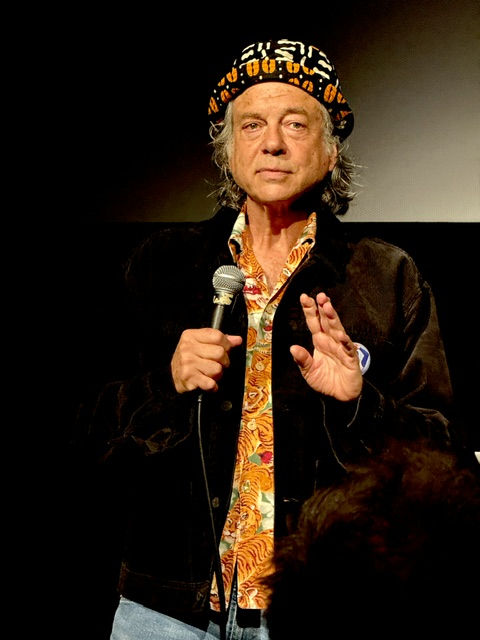
Several factors contributed to the film’s surprising commercial performance. The Film Desk’s marketing strategy included a dynamic trailer that emphasized Hutton’s 16mm cinematography and a poster design inspired by Jean-Luc Godard’s Le Petit Soldat. Additionally, Hartman’s personal engagement—conducting frequent Q&A sessions and offering free pizza to ticket holders—created a sense of community and event-based cinema that resonated with audiences.
However, the primary driver appears to be the film’s thematic relevance to contemporary New York. Manohla Dargis, reflecting on the film’s revival, noted that the "evergreen issue of affordability" remains a central concern for the city’s residents. The struggle to maintain a creative life in an increasingly expensive urban environment is a theme that transcends the 1980s setting. For younger viewers, such as filmmaker Meg Aubry, the movie serves as an "education in New York culture," providing a glimpse into a "pre-Starbucks" landscape characterized by rent strikes, fire-escape social calls, and a lack of digital intermediation.
Artistic and Institutional Implications
The success of No Picnic underscores the importance of independent film preservation and the role of repertory theaters in maintaining cultural memory. The film features early performances and cameos by figures who would later become staples of American cinema, including Steve Buscemi, Luis Guzmán, and Richard Hell. Producer Christine Vachon, who worked as an uncredited assistant sound editor on the film in exchange for meals at Great Jones Cafe, described it as a "perfect time capsule" that has "folded back onto this time."
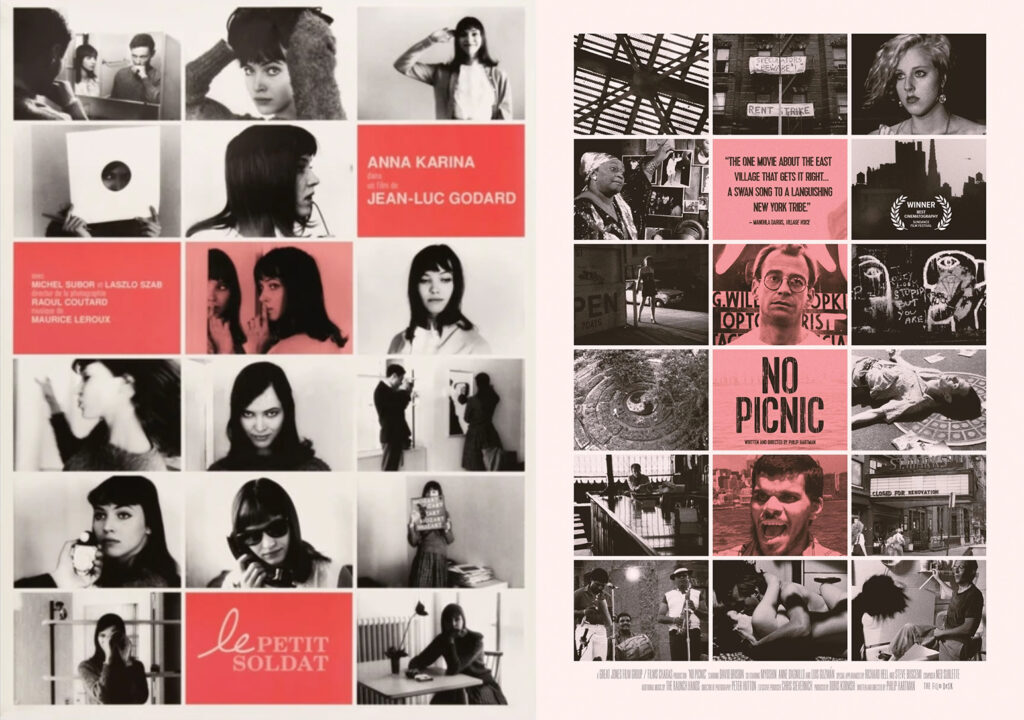
The technical brilliance of Peter Hutton’s cinematography also warrants analysis. Known primarily for his silent, landscape-oriented experimental films, Hutton applied a similar rigor to the urban environment of the East Village. His use of 16mm black-and-white film elevates the grittiness of the neighborhood into something timeless and monumental. This aesthetic choice distinguishes No Picnic from other "East Village movies" of the era, which often relied on a more frantic, neon-soaked punk aesthetic.
Conclusion: The Enduring Terroir of the East Village
As the film’s protagonist Mac observes, "The more things change, the more they change." While the physical locations captured in No Picnic have largely been replaced by high-rise developments and corporate retail, the film preserves the "terroir"—the specific character and spirit—of a pivotal era in New York history. The 2025 revival of Phil Hartman’s work demonstrates that there is a profound appetite for cinema that documents the authentic, unvarnished life of the city.
The financial and critical success of this restoration may encourage further efforts to unearth and restore "lost" independent films from the 1980s and 90s. For Hartman, the journey is not yet complete; he has announced plans to finish Eerie, a 1995 collaboration with Hutton featuring Felicity Huffman and Will Arnett. The resurrection of No Picnic suggests that the history of independent cinema is not a closed book, but a series of narratives waiting for the right cultural moment to be rediscovered. In an age of digital ubiquity, the return to the grainy, high-contrast world of 1980s New York offers audiences a sense of continuity and a reminder that the struggle for a meaningful urban existence is an eternal New York story.