


Nintendo currently occupies a position of distinct strength within the global interactive entertainment landscape. Following the market debut of the Nintendo Switch 2, the company has successfully translated brand loyalty into record-breaking hardware adoption. According to recent market analysis, the Switch 2 has officially secured the title of the fastest-selling video game hardware device in United States history, successfully outpacing the previous benchmark set by the PlayStation 4. This momentum has continued well into the current fiscal year, with hardware sales nearing the 20 million unit milestone less than twelve months post-launch. Despite broader macroeconomic pressures—including rising production costs and a notable increase in consumer hardware pricing—Nintendo has managed to maintain a trajectory that positions the Switch 2 as the second-fastest selling console of all time in the U.S. market, trailing only its own predecessor in certain metrics.
A Chronology of Recent Success
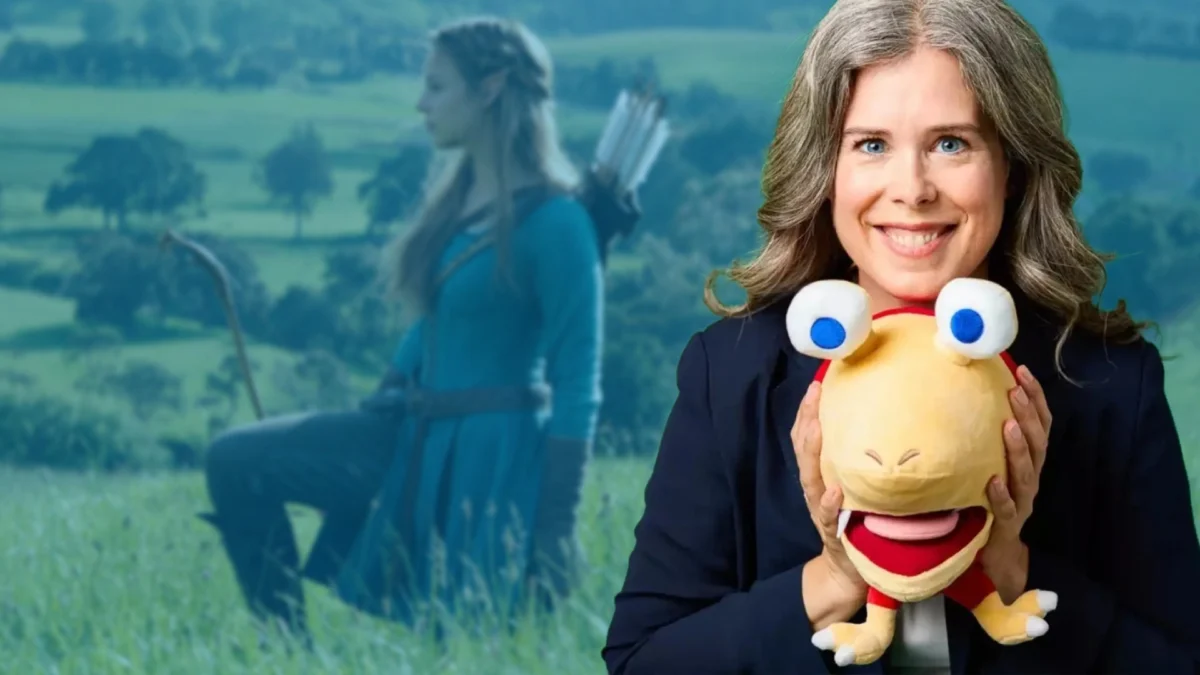
The foundation of this current growth spurt was laid through a combination of high-profile software releases and strategic hardware positioning. The runaway success of titles such as Pokopia has acted as a primary driver for hardware adoption, reinforcing Nintendo’s "software-first" philosophy.
The timeline of this success is marked by several key inflection points:
- Late 2025: The Switch 2 launches, immediately breaking domestic sales records in the U.S.
- October 2025: Production for the live-action The Legend of Zelda film commences, with filming locations in New Zealand mirroring the legendary scale of high-fantasy cinematic productions.
- Early 2026: Cumulative sales for the Switch 2 approach the 20 million mark, cementing the platform’s dominance despite a competitive hardware market featuring the PlayStation 5 and Xbox Series consoles.
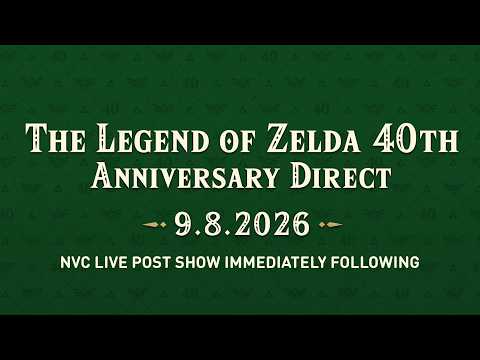
- September 2026: Nintendo hosts a dedicated Zelda Direct, providing the first major public updates on the upcoming film project and associated intellectual property initiatives.
- Current Status: Nintendo is moving into the next phase of its lifecycle, transitioning from initial launch hype to long-term content expansion.
The Perspective from Nintendo of America
Devon Pritchard, Chief Operating Officer of Nintendo of America, recently addressed the company’s current standing in an interview with Variety, framing the current fiscal period as merely the beginning of the Switch 2 era. "This is just the beginning," Pritchard stated. "We have seen wonderful experiences from both our internal teams and third-party developers, and I am eager to see how our talented creators continue to push the boundaries of what this system can deliver."
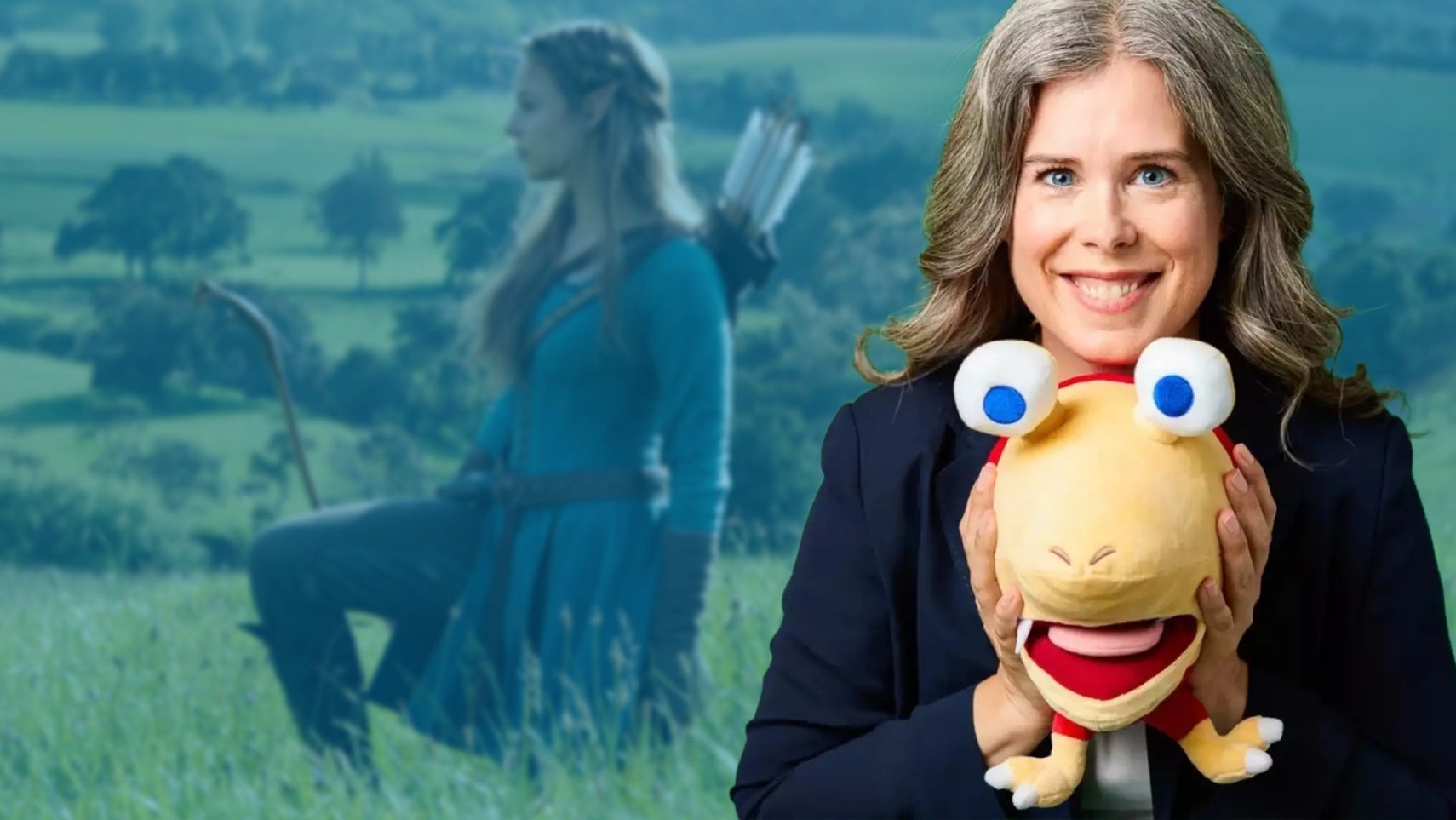
Pritchard’s commentary emphasizes a dual-track strategy: hardware innovation coupled with the expansion of Nintendo’s intellectual properties into non-gaming mediums. While gaming remains the core of the business, the company is increasingly viewing film and television as essential touchpoints to capture new demographics.
Cinematic Diversification and the Sony Partnership
Perhaps the most significant shift in Nintendo’s corporate strategy is its aggressive move into feature-length film production. Following the monumental success of The Super Mario Galaxy Movie, which grossed $1 billion globally—with $372.6 million generated during its opening weekend alone—Nintendo has validated its ability to monetize its library outside of the console ecosystem.
The upcoming The Legend of Zelda film represents the next pillar of this strategy. By partnering with Sony Pictures, Nintendo is attempting to replicate its animation success in the realm of live-action blockbusters. Industry analysts note that this is not merely a brand-extension exercise; it is a calculated effort to broaden the reach of their franchises. By introducing characters like Link and Zelda to audiences who may not own a console, Nintendo is effectively building a "top-of-funnel" marketing engine that drives long-term brand awareness across generations.
Competitive Positioning in a Saturated Market
The media landscape in 2026 and 2027 is arguably more fragmented than at any point in history. With content available 24/7 across streaming, mobile, and social platforms, consumer attention is a finite resource. When asked how Nintendo intends to maintain its edge, Pritchard highlighted a philosophy of "generational longevity" over short-term engagement metrics.
"We are not just competing for screen time," Pritchard noted. "We are focused on building experiences that create relationships that last generations. The core test for us remains simple: is it fun? While the question sounds basic, the execution is where our energy is concentrated."
This focus serves as a defensive bulwark against the "industry crunch" currently affecting other major publishers. While many competitors are grappling with mass layoffs and ballooning development budgets, Nintendo has largely avoided such volatility. By prioritizing internal IP management and maintaining a steady cadence of "fun" as the primary design KPI, the company has managed to insulate itself from the worst of the current industry downturn.
Analytical Implications: The Future of the Switch 2
The success of the Switch 2 is not just a result of the hardware’s internal specifications, but of its ecosystem stability. Nintendo has avoided the race-to-the-bottom pricing wars often seen in the console space, instead opting for a premium pricing model that has been accepted by the consumer base. This suggests that the brand equity of Nintendo is currently high enough to weather the global decline in consumer discretionary spending.
Looking forward, the challenge for Nintendo lies in sustaining this momentum through the middle of the console’s lifecycle. The anticipated release of the Zelda film in late April will likely act as a catalyst for software sales, potentially driving a second wave of hardware purchases for those who have yet to adopt the platform.
Furthermore, the integration of classic titles—such as the potential remake or re-release strategies for The Legend of Zelda: Ocarina of Time—points to a "greatest hits" approach that rewards long-time fans while acting as a gateway for new players. By leveraging both its historical catalog and its future cinematic slate, Nintendo is effectively creating a self-sustaining cycle of revenue that is less reliant on individual game performance and more dependent on the strength of the overall brand ecosystem.
Conclusion: Weathering the Industry Storm
While the global gaming industry faces significant headwinds, including increased competition and rising costs of development, Nintendo’s current trajectory suggests a degree of resilience that few competitors can claim. The company’s ability to pivot from a hardware-centric model to an integrated entertainment company has proven effective. As Nintendo moves into the next phase of the Switch 2 lifecycle, the focus will likely remain on maintaining the "fun" factor, ensuring that as the platform matures, it continues to serve as the primary hub for both their classic franchises and their burgeoning cinematic universe. The coming months, particularly the window surrounding the release of their next major motion picture, will be critical in determining if this current success is a momentary peak or the beginning of a sustained era of dominance for the Kyoto-based gaming giant.