



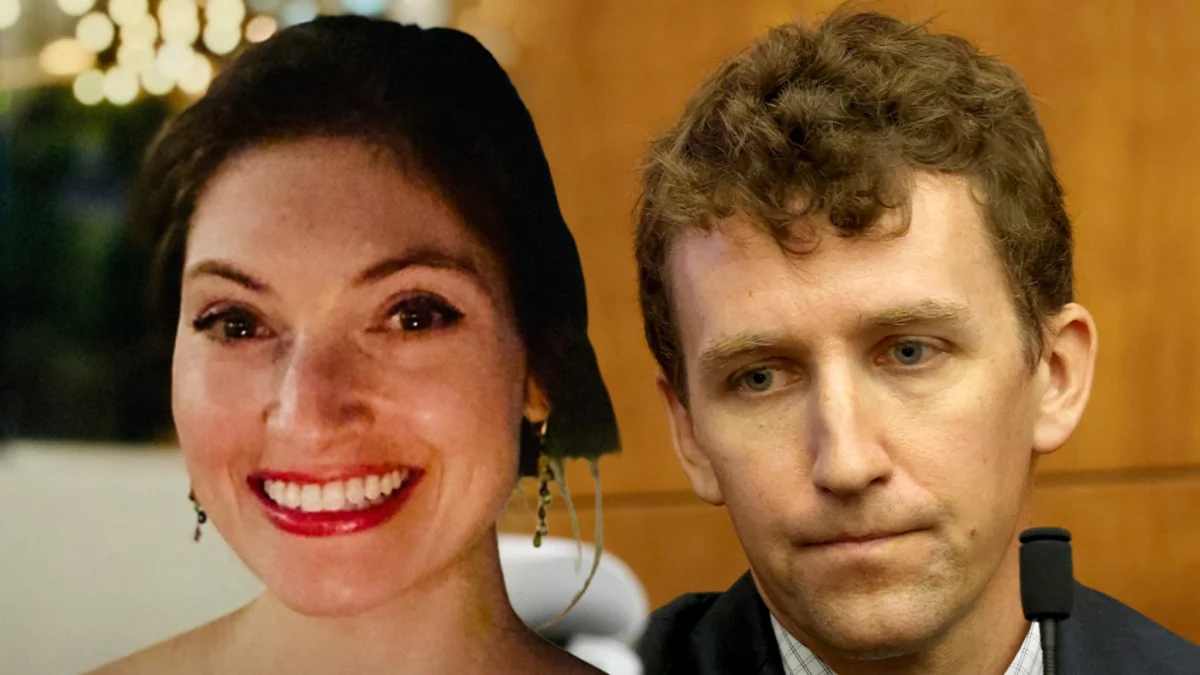
The public fascination surrounding high-profile criminal trials often extends far beyond the courtroom, bleeding into the personal lives of survivors and witnesses. In the wake of the deeply tragic and nationally scrutinized Lindsay Clancy murder case, the spotlight has increasingly shifted toward her ex-husband, Patrick Clancy, and his new wife, Dr. Rachel Danis. As Patrick prepares for a highly anticipated, exclusive interview on CBS Mornings and 60 Minutes, Dr. Danis has broken her silence to address the intense public scrutiny, online conspiracy theories, and relentless speculation that have shadowed their relationship since they met.
Speaking publicly to address the narrative surrounding her husband, Dr. Danis expressed profound bewilderment at how the public perception of their lives has evolved. "I don’t understand how the story has been so twisted," Danis stated during a preview clip aired on CBS Mornings. Emphasizing the character of her husband amidst a maelstrom of internet rumors, she added, "I would hope people know that Pat is, as I said before, the most selfless father and supportive partner. And I was just a girl that met a guy running in Central Park on a really cold Saturday. And I don’t think there’s anything wrong with that."
The couple’s relationship has faced unprecedented scrutiny, fueled largely by corners of the internet where bizarre and unfounded conspiracy theories have taken root. Amid the legal fallout of Lindsay Clancy’s criminal proceedings—where prosecutors argued the severity of the children’s deaths—certain online commentators and true-crime sleuths propagated baseless claims suggesting that Patrick Clancy was somehow involved in framing his ex-wife for the murders of their three young children, Cora, Dawson, and Callan. These baseless narratives have added an excruciating layer of psychological burden to a family already navigating unimaginable grief, prompting those close to the situation to push back against the digital noise.
Background and Context of the Tragedy
To understand the weight of the current public discourse, it is necessary to examine the tragic foundation upon which these events rest. The case of Lindsay Clancy captivated and horrified the nation, raising complex questions about postpartum mental health, medical oversight, and the limits of criminal culpability. Lindsay, a former labor and delivery nurse from Duxbury, Massachusetts, suffered from severe postpartum psychosis and depression following the birth of her youngest child.
In January 2023, the tragedy unfolded inside the family home, resulting in the deaths of five-year-old Cora, three-year-old Dawson, and seven-month-old Callan. Lindsay attempted to take her own life following the incident, leaving her paralyzed from the waist down. Throughout the subsequent legal proceedings, Patrick Clancy emerged not as an adversary seeking vengeance, but as a remarkably forgiving and complex figure. In a stunning display of compassion during the trial, Patrick actually testified in defense of his ex-wife, highlighting the profound mental health crisis that had consumed her and noting that she had been a loving, dedicated mother prior to the onset of her illness.
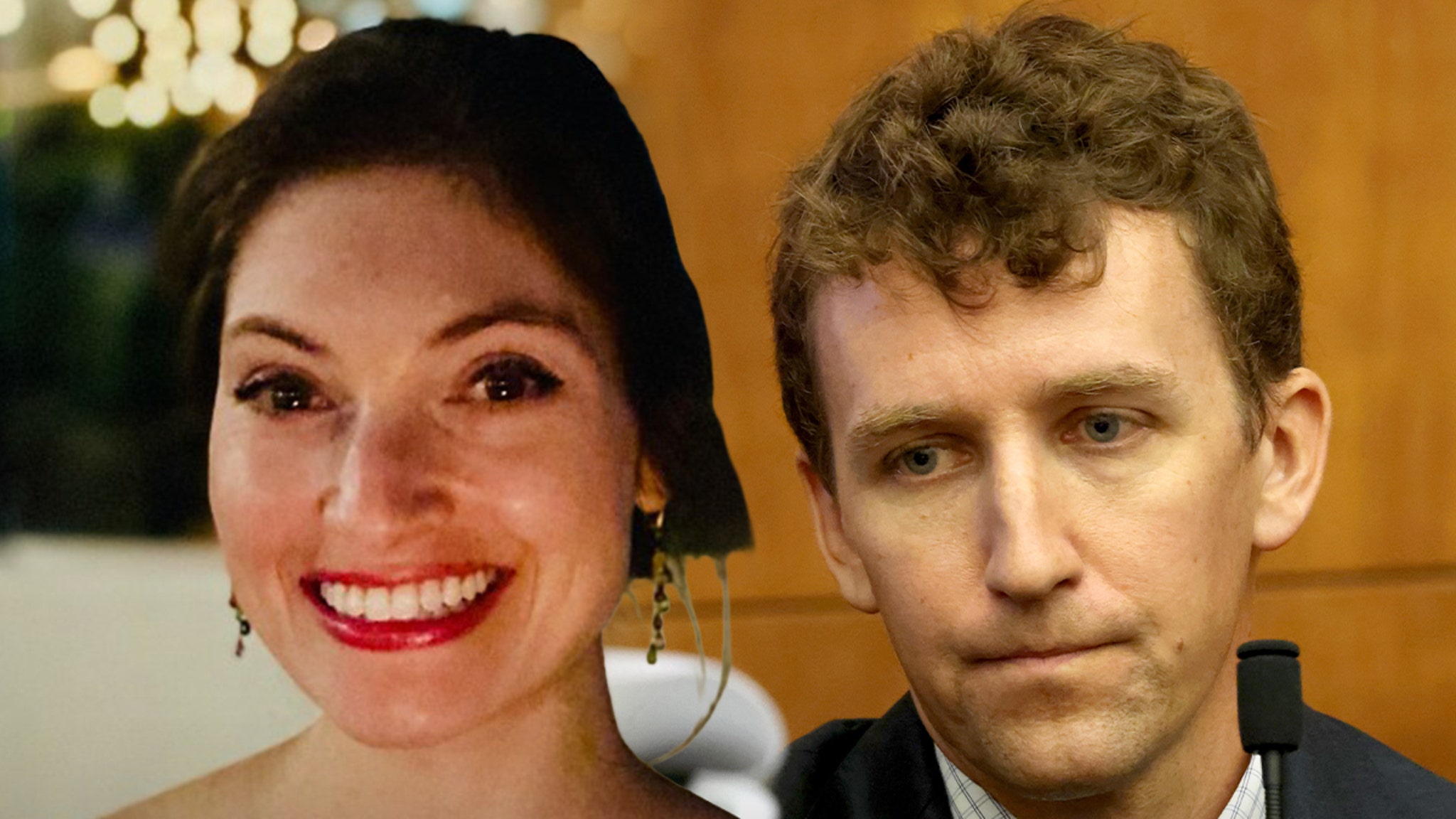
Despite Patrick’s public appeals for understanding and his explicit defense of Lindsay’s mental state at the time of the tragedy, the case became a lightning rod for polarising public debate. High-profile figures, internet forums, and commentators weighed in, transforming a personal and domestic catastrophe into a spectacle of true-crime analysis.
The Evolution of Patrick Clancy and Rachel Danis’s Relationship
As Patrick Clancy sought to rebuild his life in the wake of the tragedy, he crossed paths with Dr. Rachel Danis. According to Danis’s account, their meeting was entirely ordinary—a chance encounter between two runners in Central Park on a freezing Saturday. However, because of Patrick’s notoriety, their relationship was quickly thrust into the public eye.
Media outlets and paparazzi have closely monitored the couple, capturing moments of their lives as they navigate public spaces. Observers noted the visible stress on both Patrick and Rachel during the tense weeks of the trial, where Patrick was a constant presence. Later, the couple was spotted shopping in the Hamptons and enjoying coffee in New York City, occasionally appearing relaxed or smiling even as legal deliberations regarding Lindsay Clancy’s case reached critical junctures. These public sightings frequently drew harsh, uncharitable commentary from online critics who struggled to reconcile public grief with the natural human desire to find moments of joy and normalcy amidst ongoing trauma.
Psychologists and grief experts note that survivors of catastrophic loss frequently face impossible societal expectations regarding how they should grieve, how long they should mourn, and when—or if—they are permitted to find new love. The backlash faced by Patrick and Rachel highlights a broader cultural phenomenon where public ownership of a tragedy extends to policing the personal lives of those left behind.
Insights from the Upcoming 60 Minutes Interview
The frustration voiced by Dr. Danis serves as a precursor to Patrick Clancy’s upcoming sit-down interview on 60 Minutes, set to air on Sunday. Promotional clips released ahead of the broadcast offer a raw and deeply emotional glimpse into Patrick’s ongoing grief and his coping mechanisms.
In one particularly poignant teaser released by CBS, Patrick revealed that he still communicates with his late children on a daily basis. He shared that he frequently asks Cora, Dawson, and Callan for "help" as he navigates the immense daily challenge of living without them. This window into his private grief underscores the stark disconnect between the intimate, agonizing reality of his daily life and the sensationalized conspiracy theories circulating on social media.
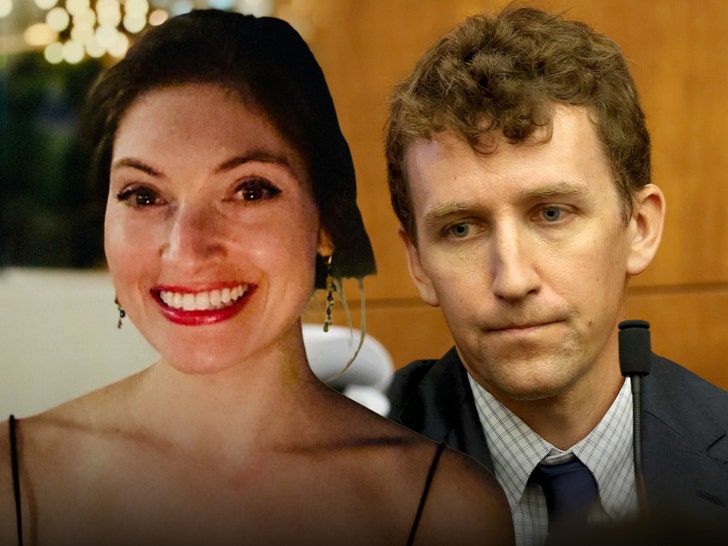
The interview is expected to delve deeply into Patrick’s perspective on the tragedy, his decision to support his former wife during the trial, the realities of his healing process, and the toll that public scrutiny has taken on his attempt to forge a future with Rachel Danis.
Broader Implications of Online True-Crime Culture
The situation surrounding Patrick Clancy and Rachel Danis sheds light on the darker, more invasive aspects of modern true-crime culture. In recent years, the consumption of real-life tragedies as entertainment has accelerated dramatically through social media platforms, podcasts, and online discussion boards. While public interest can sometimes bring awareness to systemic failures or legal injustices, it frequently crosses ethical boundaries, giving rise to amateur sleuthing, harassment, and the uninhibited spread of harmful conspiracy theories.
Experts in digital media ethics point out that the democratization of information has empowered individuals to act as self-appointed investigators, often detached from the human cost of their theories. When grieving family members become the targets of baseless accusations—such as the absurd claims that Patrick Clancy framed his ex-wife—the psychological harm inflicted on survivors can be profound.
Dr. Danis’s decision to speak out is a rare and direct pushback against this digital ecosystem. By framing herself simply as "a girl that met a guy running in Central Park," she attempts to humanize their relationship and reclaim a sense of normalcy that has been aggressively stripped away by public obsession.
Conclusion
As Patrick Clancy’s 60 Minutes interview approaches, the public is once again forced to confront the human dimensions of a tragedy that defied simple categorization. While true-crime narratives often seek clean villains and neat resolutions, the reality of the Clancy case is defined by profound mental health struggles, immeasurable loss, and the complex journey of survival and rehabilitation.
The statements from Dr. Rachel Danis serve as a stern reminder that behind every sensationalized headline and viral internet thread are real people trying to piece their lives back together. Whether the upcoming broadcast will successfully dispel the baseless conspiracy theories remains to be seen, but it undoubtedly provides Patrick Clancy with a direct platform to speak his truth, honor the memory of Cora, Dawson, and Callan, and demand a measure of peace for his new family.