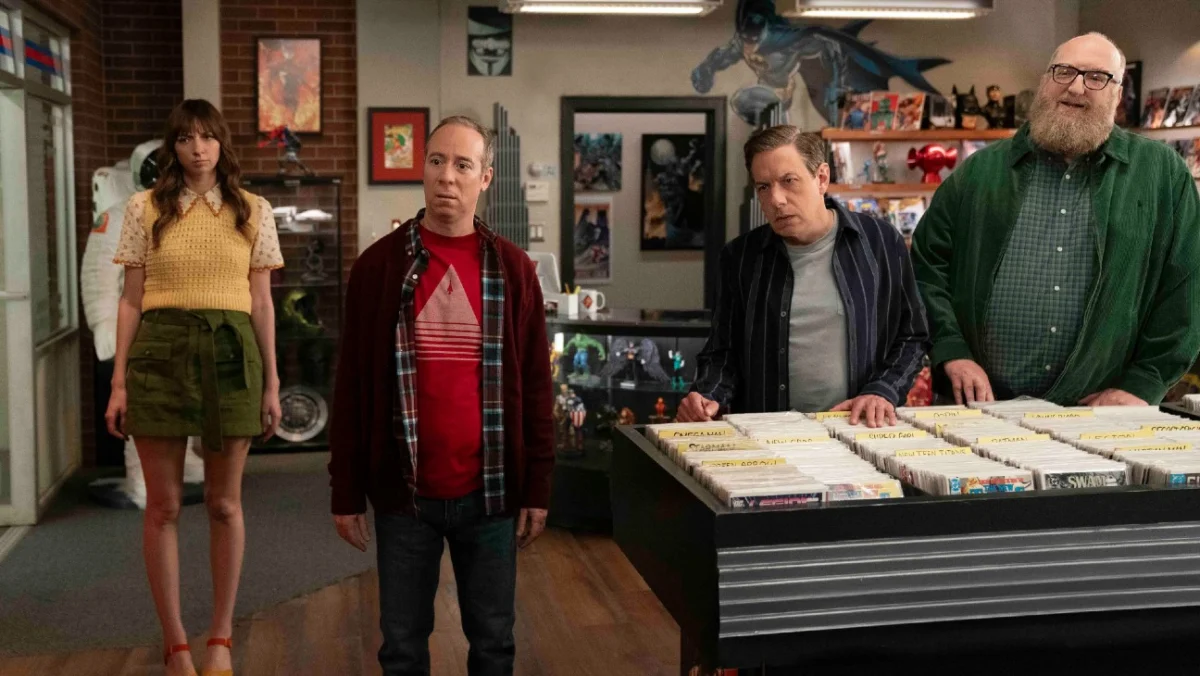
The highly anticipated spinoff series Stuart Fails to Save the Universe, stemming from the iconic CBS comedy The Big Bang Theory, offered its inaugural glimpse into a world teetering on the brink of collapse. During a dynamic panel at CCXP Mexico City, cast members Kevin Sussman, Lauren Lapkus, Brian Posehn, and John Ross Bowie provided attendees with an exclusive preview of the comedic chaos set to unfold. The presentation not only unveiled new promotional images but also announced the significant involvement of renowned composer Danny Elfman, who is slated to create the original theme song for the series, which is scheduled to begin streaming globally on HBO Max this July.
The Enduring Legacy of The Big Bang Theory Franchise
The Big Bang Theory, which concluded its remarkable 12-season run in 2019, left an indelible mark on television history, becoming one of the most-watched and highest-rated sitcoms of its era. With its blend of intellectual humor, relatable social awkwardness, and heartfelt character development, the series garnered a massive global following, consistently attracting tens of millions of viewers for its prime-time broadcasts. The series finale, for instance, drew an impressive 17.99 million viewers live, solidifying its status as a cultural phenomenon. Its success paved the way for a flourishing franchise, beginning with the prequel Young Sheldon, which explored the eccentric childhood of theoretical physicist Sheldon Cooper. Young Sheldon itself enjoyed a successful seven-season run, concluding in 2024, and demonstrated the enduring appeal of the TBBT universe by often deviating from its parent show’s laugh-track format to adopt a more serialized, single-camera narrative style, thus broadening its appeal. This continued expansion further solidified with the launch of Georgie & Mandy’s First Marriage, currently airing its second season on CBS, which delves into the lives of Sheldon’s elder brother and his new wife. The announcement of Stuart Fails to Save the Universe signals a deliberate and strategic move to explore yet another facet of this beloved comedic world, this time venturing into the burgeoning and popular realm of multiverse storytelling.
Stuart Bloom’s Evolution: From Comic Shop Owner to Unlikely Multiverse Savior
At the heart of this new narrative stands Kevin Sussman’s character, Stuart Bloom, the perpetually struggling yet endearing owner of The Comic Center of Pasadena. Introduced early in The Big Bang Theory as a recurring character, Stuart’s role steadily grew, evolving from a peripheral acquaintance of the main gang to a more integrated, albeit often downtrodden, figure within their social circle. His journey was marked by a series of unfortunate events, from his comic shop repeatedly facing financial ruin to his often-unrequited romantic endeavors and his eventual move into the Cooper household as a caretaker. This progression endeared him to audiences, who appreciated his self-deprecating humor and his unwavering, if often passive, loyalty. The decision to center a spinoff around Stuart is a testament to the character’s quiet resonance and comedic potential, offering a fresh perspective on the universe established by Leonard, Sheldon, Penny, Howard, Bernadette, Raj, and Amy.
The premise of Stuart Fails to Save the Universe thrusts this unlikely protagonist into an unprecedented leadership role. The series kicks off with Stuart inadvertently breaking a device originally constructed by the brilliant minds of Sheldon and Leonard. This catastrophic mishap doesn’t just cause a minor inconvenience; it triggers a full-blown "multiverse armageddon," fracturing reality and creating a myriad of alternate timelines. Stuart, despite his inherent lack of confidence and leadership skills, is then tasked with the monumental responsibility of restoring reality. As Brian Posehn, who plays Bert, quipped from the CCXP stage, "The fun is watching him fail every week," perfectly encapsulating the show’s comedic ethos. Sussman himself acknowledged the daunting nature of his character’s new role, stating, "He’s not very good at it. I do my best, but really, I’m way out of my comfort zone." This contrast between Stuart’s humble origins and the cosmic stakes he now faces promises a rich vein of humor and character-driven comedy.
A Star-Studded Ensemble Navigating Fractured Realities

Stuart’s perilous quest to mend the fabric of reality will not be undertaken alone. He is joined by a familiar and beloved ensemble of characters who have also become fixtures in the TBBT universe.
-
Lauren Lapkus as Denise: Stuart’s girlfriend, Denise, played by the talented Lauren Lapkus, is set to play a pivotal role. Their romance, which was "just budding" when The Big Bang Theory concluded, will now be explored in greater depth, as Sussman teased, "now you can see where it goes." Denise, a knowledgeable and enthusiastic comic book store employee, often served as a more confident and grounded counterpart to Stuart, and her presence is expected to provide both emotional anchor and comedic foil in their multiverse-spanning adventures. Lapkus, known for her improvisational skills and diverse comedic roles, brings a dynamic energy that will undoubtedly enrich their relationship.
-
Brian Posehn as Bert: The gentle giant geologist, Bert Kibbler, portrayed by Brian Posehn, returns to lend his scientific expertise and deadpan humor to the team. Bert’s quiet intelligence and endearing awkwardness made him a fan favorite on The Big Bang Theory, and his practical, albeit often overly literal, approach to problems will likely serve as a comedic counterpoint to Stuart’s more panicked leadership style. Posehn, a veteran comedian and actor, is adept at delivering understated humor that resonates deeply with audiences.
-
John Ross Bowie as Barry Kripke: Adding an extra layer of comedic friction is the return of Dr. Barry Kripke, the quantum physicist with a distinctive speech impediment and an irritatingly competitive streak, played by John Ross Bowie. Kripke’s often-unintentional insults and pompous demeanor provided many memorable moments in the original series. His inclusion in Stuart’s team of unlikely saviors suggests a dynamic that will be fraught with humorous squabbles and Kripke’s characteristic brand of scientific arrogance, especially as they navigate the complexities of alternate realities.
The core promise of the series’ multiverse premise is the opportunity for these characters to encounter alternate-universe versions of beloved figures from The Big Bang Theory. This narrative device opens a Pandora’s Box of comedic possibilities and fan service, allowing for fresh interpretations of established characters and providing a unique form of nostalgic engagement without simply rehashing old storylines. The potential for cameo appearances from TBBT alumni, portraying alternate versions of their iconic roles, is a significant draw for the show.
Creative Powerhouses and a Legendary Composer
The creative vision for Stuart Fails to Save the Universe is helmed by a formidable team, ensuring both continuity with the TBBT legacy and innovative storytelling. Legendary sitcom producer Chuck Lorre, whose Midas touch has been behind numerous successful comedies including The Big Bang Theory, Two and a Half Men, and Mom, serves as a creator, writer, and executive producer. His involvement guarantees the signature comedic timing and character-driven humor that fans have come to expect. Joining him are Zak Penn and Bill Prady. Bill Prady, as a co-creator of The Big Bang Theory, brings an intrinsic understanding of the show’s DNA and its characters. Zak Penn, known for his work on major genre films like Ready Player One and Free Guy, adds a crucial dimension to the series’ sci-fi and multiverse elements, blending his expertise in complex narrative structures with the comedic sensibilities of the TBBT universe. This blend of seasoned sitcom veterans and a renowned genre storyteller promises a unique hybrid that respects its origins while boldly exploring new comedic frontiers. The series is produced by Chuck Lorre Productions in association with Warner Bros. Television, the same powerhouse behind the entire TBBT franchise.
Perhaps one of the most exciting revelations from the CCXP panel was the announcement that iconic composer Danny Elfman will create an original theme song for the series. Elfman’s distinctive musical style, characterized by its quirky, often whimsical, yet grand orchestral arrangements, has graced countless films and television shows, from The Simpsons and Batman to The Nightmare Before Christmas and Spider-Man. His ability to craft instantly recognizable and mood-setting themes is unparalleled. His involvement suggests a deliberate effort to imbue Stuart Fails to Save the Universe with a unique sonic identity that hints at its fantastical elements while retaining a comedic undertone. This choice underscores the ambition of the series to stand on its own as a significant entry in the science-fiction comedy landscape, leveraging Elfman’s legendary talent to create a memorable auditory experience for viewers.

HBO Max’s Strategic Play in the Streaming Wars
The acquisition of Stuart Fails to Save the Universe by HBO Max (now rebranded as Max) is a strategic move in the highly competitive streaming landscape. In an era where streaming platforms are vying for subscriber retention and acquisition, leveraging established intellectual property (IP) like The Big Bang Theory is a proven method for attracting audiences. Max, which aims to offer a broad spectrum of content ranging from prestige dramas to popular genre fare, benefits immensely from extending a beloved franchise that boasts a vast, dedicated fanbase. The decision to launch the series in July positions it as a key summer offering, designed to capitalize on increased viewership during warmer months and potentially draw in new subscribers.
The announcement at CCXP Mexico City further highlights Max’s global ambitions. Fan conventions like CCXP have become vital platforms for studios to engage directly with international audiences and generate buzz. The choice of Mexico City for the reveal underscores the importance of the Latin American market for streaming services and the universal appeal of The Big Bang Theory franchise. By emphasizing the show’s blend of humor, sci-fi elements, and familiar characters, Max aims to appeal to a wide demographic, from long-time TBBT enthusiasts to newcomers drawn in by the multiverse concept or the talent involved. The platform’s promotional tagline, "If at first you don’t succeed, try in another multiverse," succinctly captures the show’s playful spirit and its core comedic premise, signaling a fun and adventurous ride for viewers.
Implications and the Future of the TBBT Universe
The launch of Stuart Fails to Save the Universe represents more than just another spin-off; it is a significant test of the The Big Bang Theory franchise’s adaptability and enduring appeal. While Young Sheldon explored a prequel narrative and Georgie & Mandy’s First Marriage focuses on a direct continuation of established characters, Stuart Fails to Save the Universe ventures into entirely new territory with its multiverse concept and an unlikely hero. This diversification demonstrates the creative team’s willingness to experiment with format and genre, pushing the boundaries of what a traditional sitcom spin-off can be.
Success for this series could pave the way for further expansions of the TBBT universe, potentially exploring other minor characters or even entirely new concepts within the established framework. It also sets a precedent for how beloved sitcoms can evolve in the streaming era, offering complex narratives and high-concept plots that might have been challenging to execute within the constraints of traditional network television. The challenge will be to balance the nostalgic elements that draw in existing fans with fresh, innovative storytelling that attracts new audiences, ensuring the show avoids simply relying on past glories. As the July premiere approaches, anticipation continues to build for Stuart Bloom’s hilarious, chaotic, and undoubtedly fumbling attempt to save not just his reality, but potentially all realities.