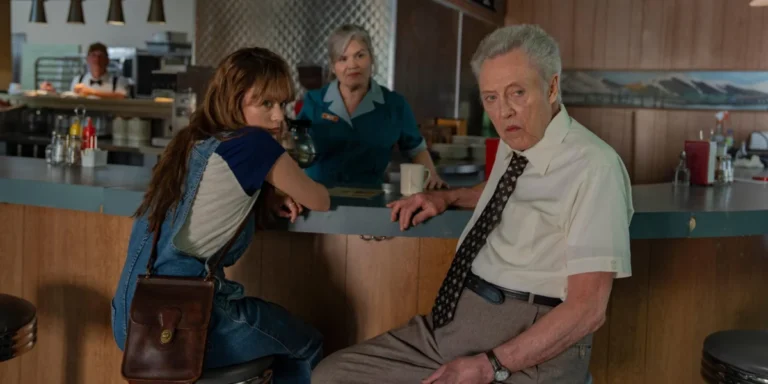



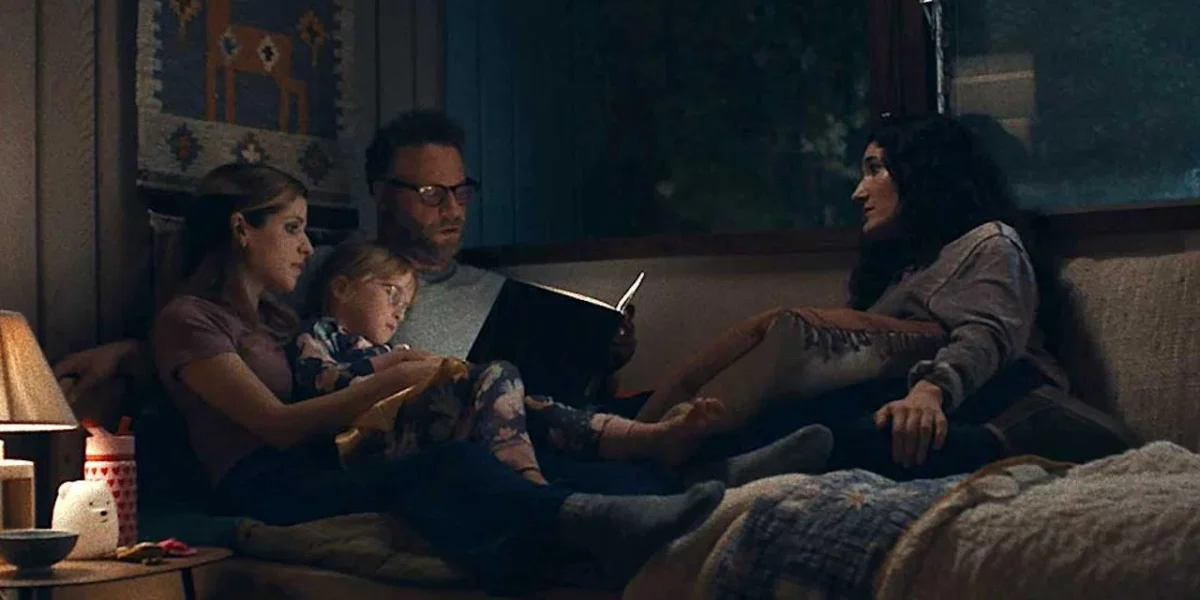
The film, directed and written by Lauren Miller Rogen, serves as a narrative case study on the pressures of reproductive decision-making. Spanning a 97-minute runtime, the production features an ensemble cast including Anna Kendrick, Seth Rogen, Issa Rae, Dan Stevens, Kate Berlant, Zach Cherry, Ed Helms, Ashley Park, Sharon Stone, and David Strathairn. At its core, the story examines the lives of Annie and Aaron, a couple married for seventeen years, as they navigate the societal expectations surrounding family planning, ultimately using an unexpected, real-time "trial run" of parenting to reconcile their personal desires with external pressures.
The Premise and Narrative Arc
Annie, an art instructor, and her husband Aaron maintain a lifestyle characterized by professional autonomy and personal leisure. Their equilibrium is challenged by a recurring societal inquiry: when, if ever, they intend to have children. This narrative device mirrors real-world trends in demographic shifts, where the median age of first-time parents in the United States has steadily climbed over the last two decades.
The catalyst for the film’s central conflict occurs when their friend, Eliza, undergoes a marital dissolution from her husband, Luke. Seeking refuge, Eliza moves into the couple’s home with her four-year-old daughter, Eve. This domestic shift forces Annie and Aaron into the role of co-parents, providing a front-row seat to the daily realities of child-rearing. Through Annie’s internal monologue, the film articulates the "millennial anxiety" associated with the potential loss of identity and lifestyle autonomy that often accompanies the transition to parenthood.
Contextualizing Modern Parenthood Trends
The film arrives during a period of significant cultural recalibration regarding the "traditional" family structure. According to data from the Pew Research Center, the number of adults in the United States who say they are unlikely to ever have children has risen, with many citing financial instability, concerns about the state of the world, and a desire to prioritize personal freedom.
Lauren Miller Rogen’s screenplay captures this sociological phenomenon by contrasting the couple’s initial skepticism with the pragmatic realities of childcare. While the film utilizes the improvisational style common in contemporary comedic productions, it maintains a structured thematic focus on the "trial" of domestic life. By presenting the audience with the daily struggles of a parent—including the logistical hurdles of schooling, health issues, and the erosion of spontaneous social habits—the film serves as a mirror to the actual challenges faced by modern households.
Character Dynamics and Professional Shifts
Beyond the domestic sphere, the film explores how the introduction of children reshapes professional and social relationships. Annie’s business partnership with her friend, Becky, highlights the friction that occurs when life priorities diverge. As Becky enters a new phase of motherhood, her capacity to engage with their shared venture—the development of an art gallery—diminishes.
This subplot reflects broader labor market observations regarding the "motherhood penalty," where professional collaboration and career trajectory are frequently interrupted or redirected by the demands of caregiving. The film approaches this shift with a pragmatic empathy, allowing the characters to maintain their friendship while acknowledging that their previous professional synergy is no longer sustainable under the current circumstances. The inclusion of an external, somewhat demanding investor, played by Ed Helms, further complicates this professional strain, underscoring the high-stakes environment in which these personal transitions occur.
Production Style and Ensemble Performance
The film’s production is marked by a blend of scripted dialogue and spontaneous improvisation. The ensemble, led by Anna Kendrick and Seth Rogen, demonstrates a high level of chemistry that elevates the material beyond a standard domestic comedy. Kendrick’s portrayal of Annie is noted for its articulation of uncomfortable truths regarding the frustrations of parenting—a perspective that is often marginalized in mainstream media.
The supporting cast, including Kate Berlant and Issa Rae, provides necessary contrast. Berlant’s depiction of the anxious, newly divorced mother serves as a foil to the more relaxed, yet deeply conflicted, protagonists. Meanwhile, Rae’s character represents the "Earth mother" archetype, whose own shift in priorities serves as a catalyst for Annie’s internal growth. The collaborative nature of these performances suggests a high level of preparation, as the actors navigate the balance between humorous ad-libs and the emotional weight of the script’s central dilemmas.
Broader Implications and Societal Discourse
Babies functions as a cultural artifact that validates the complexity of the "child-free" or "child-curious" identity. By refusing to provide a clear, moralistic conclusion regarding whether Annie and Aaron should have children, the film respects the ambiguity of the choice itself.
Public policy analysts often point to the lack of structural support—such as affordable childcare and flexible work environments—as primary factors that lead to the hesitation observed in the film’s characters. The film does not explicitly advocate for policy change, but its narrative trajectory inherently points to the systemic challenges that make the decision to have children an increasingly stressful, high-stakes endeavor. By highlighting the reality that there is no "universally right" choice, the film invites viewers to consider the personal, financial, and psychological implications of family planning without the typical pressure of traditional expectations.
Critical Assessment of Production Values
While the film succeeds in its thematic execution and performance quality, it occupies a specific niche within the "hangout comedy" genre. Critics have noted that while the screenplay is both impassioned and timely, the technical aspects—including cinematography and blocking—are functional rather than experimental. This choice keeps the focus strictly on the interpersonal dynamics, which is arguably the film’s strongest asset.
The success of the project relies heavily on the audience’s ability to relate to the characters’ anxieties. In a media landscape saturated with idealized versions of parenthood, the inclusion of "inappropriate" or raw dialogue regarding the difficulty of raising children serves as a point of differentiation. It transforms the film from a simple comedy into a form of catharsis for viewers who feel similarly ambivalent about their future paths.
Conclusion: A Reflection of the Era
Lauren Miller Rogen’s Babies is a product of its time, capturing the specific anxieties of a generation that is constantly evaluating the trade-offs between personal fulfillment and the demands of family life. Through its ensemble cast and pragmatic script, it provides a comprehensive look at the intersection of friendship, career, and the life-altering decision to become a parent.
Whether the viewer is a parent, a prospective parent, or someone who has consciously chosen to remain child-free, the film offers a non-judgmental space to explore these life-altering questions. By centering the conversation on the inherent complexity of the decision rather than the outcome, the film successfully contributes to the ongoing cultural discourse surrounding reproductive agency and the changing definition of a "full and happy life." In the final analysis, the film stands as a testament to the fact that while the decision-making process is fraught with uncertainty, the act of questioning is an essential component of navigating the modern human experience.