



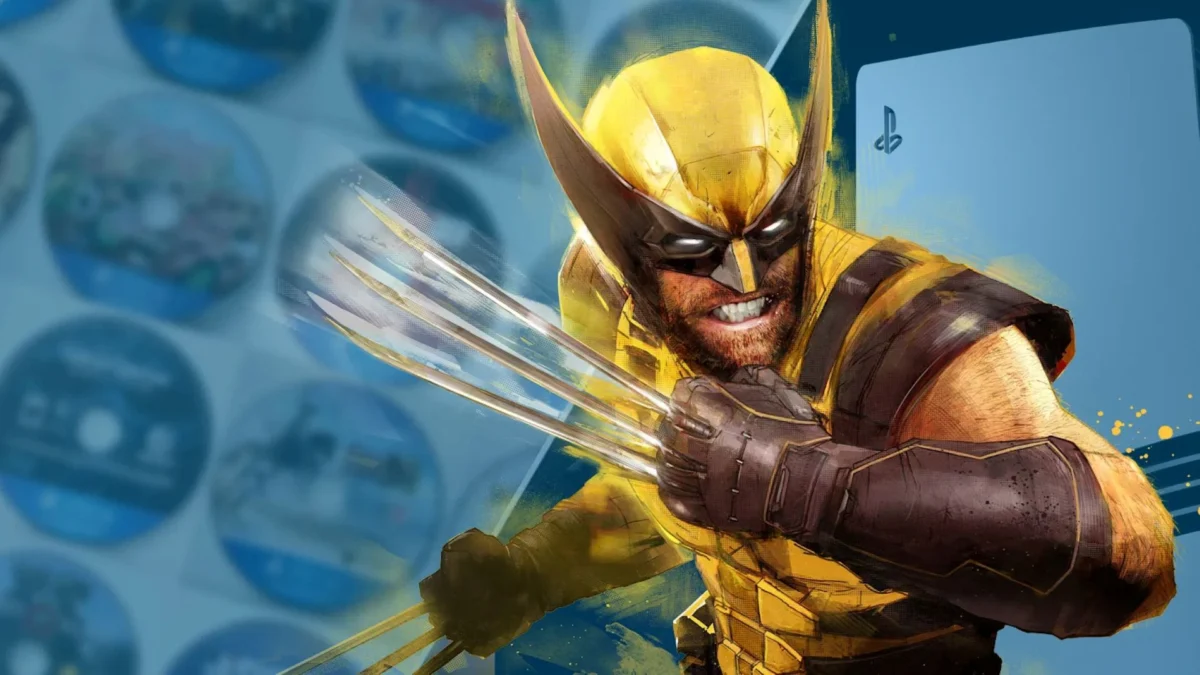
Despite a polarized reception from critics and a surge of internet discourse targeting specific gameplay mechanics, Insomniac Games’ latest superhero outing, Marvel’s Wolverine, has demonstrated immense commercial resilience. New market data provided by Alinea Analytics indicates that the title has moved approximately 1.9 million copies within its first 72 hours of availability. This initial surge has generated upward of $130 million in revenue, underscoring the enduring power of the Marvel intellectual property under the PlayStation Studios banner.
The breakdown of these sales figures offers a fascinating look at the current state of the gaming industry. Of the 1.9 million units sold, roughly one million were accounted for by digital pre-orders, signaling a strong anticipation for the title despite the "divisive" nature of the product. Perhaps more surprising is the continued reliance on physical media; physical discs accounted for 22.9% of the total revenue. This performance is particularly noteworthy given that Sony Interactive Entertainment recently confirmed plans to phase out the production of physical game discs for its consoles by January 2028.
A Chronology of the Launch and Market Reception
The trajectory of Marvel’s Wolverine was set into motion long before its release, with high expectations stemming from Insomniac Games’ previous successes with the Spider-Man franchise. However, the lead-up to the launch was marked by a series of technical critiques and community-driven memes.
Early reviews, including Eurogamer’s assessment that the game was "just fine," set a tempered tone for potential buyers. In the weeks leading up to the release, social media platforms became hubs for criticism regarding the game’s "scent trail" mechanics—which some users jokingly labeled a "fart gas" trail—and a perceived "hand-holdy" design philosophy that some veteran players found restrictive.
Despite these hurdles, the commercial reality presents a stark contrast to the online sentiment. The rapid accumulation of nearly two million units in just three days places the title at the top of the PlayStation Studios 2024 hierarchy. By comparison, other anticipated titles like Marathon and Marvel Tokon have not seen the same immediate velocity in their respective launch windows.
Comparative Sales Analysis
To understand the scale of this launch, it is essential to view it through the lens of recent PlayStation releases. While Marvel’s Wolverine has seen a digital-heavy start, its physical-to-digital ratio is narrower than other recent high-profile hits.
For instance, Marvel’s Spider-Man 2, another Insomniac-developed project, generated approximately 35% of its total revenue from physical sales. Similarly, the breakout hit Astro Bot saw a 46% physical sales share, while the highly anticipated Ghost of Yotei boasted a 37.6% physical split. The fact that Wolverine currently sits at 22.9% suggests that either the marketing campaign was more aggressively focused on digital storefronts, or the core audience for this particular character is more inclined toward the convenience of digital downloads.
However, market analysts suggest that these percentages are fluid. The holiday season, which historically drives physical sales as gifts, could significantly alter these figures in the coming weeks. If history is any indicator, the "long tail" of a blockbuster game often sees physical sales climb as retail discounts and holiday bundles become available.
Demographics and Cross-Platform Overlap
One of the most intriguing aspects of the Alinea Analytics report is the demographic overlap between Marvel’s Wolverine and other titles. The data reveals that 82% of the individuals who purchased Wolverine had previously played the original Marvel’s Spider-Man, while 70% had played the sequel. This high retention rate indicates that Insomniac Games has successfully built a "Marvel Gaming Universe" ecosystem, where the success of one title creates an immediate customer base for the next.
Beyond the single-player experience, there is also a notable crossover with the hero shooter genre. Approximately 43% of the player base for Marvel’s Wolverine has also engaged with Marvel Rivals. This suggests that the broader Marvel brand is effectively funneling players across different genres, from action-adventure to competitive multiplayer, creating a cohesive engagement loop for Sony and its partners.
The Broader Implications for PlayStation Studios
The success of Marvel’s Wolverine, in the face of what many considered a lukewarm critical reception, speaks volumes about the current state of "brand-first" gaming. In an era where review scores and social media sentiment are often seen as barometers for a game’s success, this case study proves that established franchises can transcend negative feedback loops.
The persistent "fart scent" trail controversy, while fodder for internet humor, did not deter the core audience. Similarly, criticism of the game’s design choices regarding player agency—specifically the "bike" segments and pathfinding—appears to have been outweighed by the appeal of the protagonist and the high production values associated with Insomniac’s engine.
From an industry perspective, the data provides a crucial validation for Sony’s ongoing investment in licensed intellectual property. With the planned transition away from physical media by 2028, the company is watching these sales splits closely. If the digital-to-physical ratio continues to skew toward digital, it may accelerate the timeline for the eventual abandonment of physical distribution, effectively shifting the industry toward a service-led, download-only model.
Future Outlook and Sustained Growth
While the first three days have been lucrative, the true test for Marvel’s Wolverine lies in the coming months. Industry analysts note that a game’s "legs"—its ability to sustain sales after the initial launch hype fades—are dependent on post-launch support and player satisfaction.
If players continue to find the game’s design too restrictive, word-of-mouth may eventually stifle the momentum that early sales have generated. However, given the massive overlap with the Spider-Man player base, it is highly probable that the game will continue to see steady sales as the holiday season approaches.
For Insomniac Games, the challenge remains to balance the high expectations of the audience with the creative vision of their development teams. Whether the "divisive" elements of the game will lead to a pivot in design for future sequels remains a topic of speculation. For now, the bottom line is clear: the market for Marvel-themed action games remains one of the most lucrative sectors in the video game industry, regardless of the online noise.
As the industry looks toward 2025, the performance of Marvel’s Wolverine will likely serve as a benchmark for how PlayStation Studios measures the success of its upcoming slate. With $130 million in the coffers within 72 hours, the game has effectively insulated itself against the harshest of its critics, proving that in the current market, the power of a legacy hero often outweighs the volatility of the internet zeitgeist.