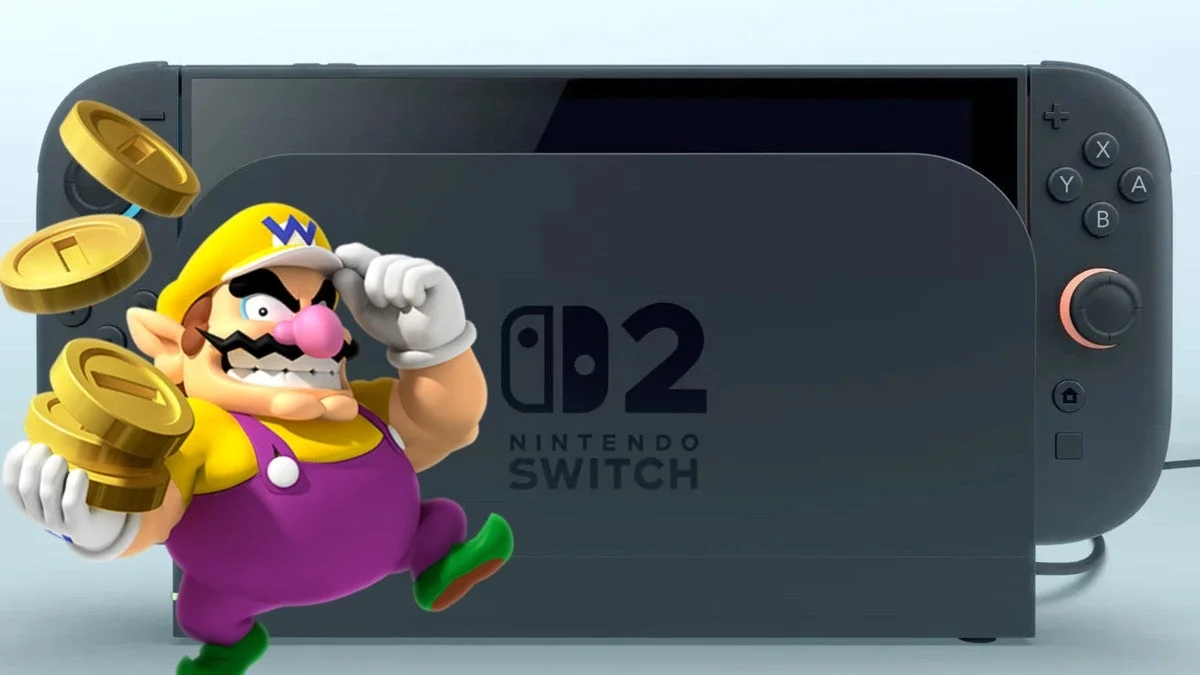
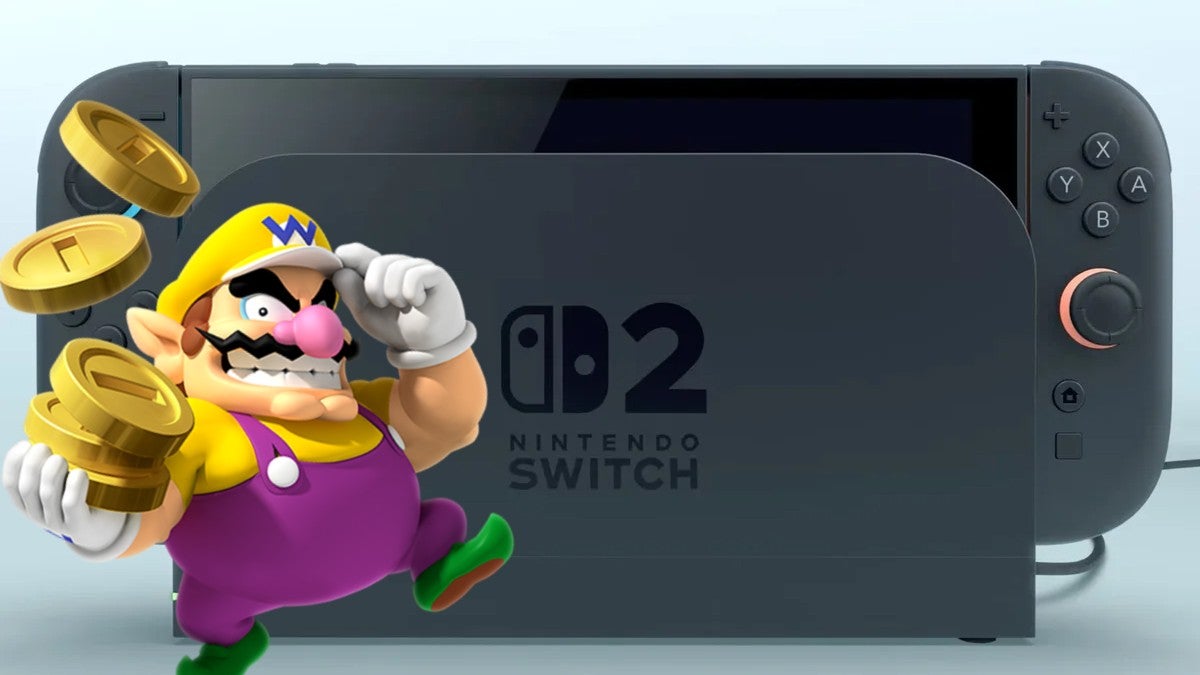
Nintendo Co., Ltd. has provided a comprehensive justification for its decision to implement a price increase for its flagship Nintendo Switch 2 console, citing a fundamental shift in the global economic landscape and the rising costs of essential hardware components. During a recent post-earnings conference call, Nintendo President Shuntaro Furukawa addressed investors and analysts, detailing the multifaceted challenges that forced the Kyoto-based company to move away from its traditional hardware pricing strategy. The decision, which marks a significant departure from historical console life-cycle trends, underscores the increasing pressure on hardware manufacturers to maintain profitability in an era of high inflation and supply chain instability.
Effective September 1, 2025, the retail price for the Nintendo Switch 2 will rise from €470 to €500 in European markets and from $450 to $500 in the United States. While UK pricing remains at the discretion of individual retailers, industry observers anticipate a proportional adjustment to reflect the manufacturer’s suggested retail price (MSRP) changes elsewhere. This move follows a successful inaugural year for the console, which launched in June 2025, but comes as the company prepares for a more challenging medium-to-long-term fiscal environment.
Strategic Shift Amidst Rising Component Costs
The primary driver behind the price revision is the surging cost of specialized computer memory and other critical electronic components. According to Furukawa, the "insatiable hunger" of the generative artificial intelligence (AI) sector has significantly tightened the global supply of high-performance memory, leading to sustained price elevations that were previously thought to be temporary.
"If the increase in costs were seen as something temporary that would subside relatively soon, then we could have pursued other options, such as working to improve productivity and expand the installed base while maintaining hardware prices," Furukawa explained in the translated transcript of the earnings call. However, the company now anticipates that these costs, alongside fluctuations in the foreign exchange market and the rising price of oil, will persist for the foreseeable future.
For decades, the video game industry followed a predictable trajectory: hardware would launch at a premium price and gradually become more affordable as manufacturing processes matured and component costs fell. The current generation of consoles, however, has upended this model. Nintendo’s decision follows similar price hikes from Sony Interactive Entertainment and Microsoft. The PlayStation 5, for instance, saw its base price rise to £570/€650/$650 in late March 2026, marking a significant increase over its launch price. This trend suggests a fundamental shift in the role of the dedicated gaming console, which is increasingly viewed as a high-end electronic device subject to the same inflationary pressures as the broader consumer tech sector.
Analyzing the Financial and Sales Trajectory
Nintendo’s financial results for the fiscal year ending March 2026 revealed a robust performance for the Switch 2, which sold nearly 20 million units in its first year on the market. Despite this strong start, the company has adopted a more conservative outlook for the second year, lowering its sales forecast to 16.5 million units. This adjustment reflects both the natural tapering of initial launch demand and the anticipated impact of the upcoming price increase.
Furukawa acknowledged that the higher price point "raises the barrier for entry to a certain extent for people deciding whether to make a purchase." However, he emphasized that maintaining a "healthy earnings structure" is vital for the sustained growth of the dedicated video game platform business. The company’s internal analysis suggested that hardware profitability would "suffer significantly" if the existing pricing were maintained, potentially jeopardizing future research and development for both hardware and software.
To mitigate the impact of the price hike, Nintendo is leaning heavily into its software ecosystem. The company’s strategy revolves around the concept of "engaging fun that is worth more than the price." By delivering unique gaming experiences that cannot be replicated on other platforms, Nintendo aims to convince consumers that the value of the Switch 2 ecosystem outweighs the increased hardware cost.
Software Pipeline: The Key to Sustaining Momentum
The success of the Switch 2 in its second and third years will depend largely on its software library. Nintendo has already seen significant success in early 2026 with titles such as the Pokémon spin-off Pokémon Pokopia and the social simulation game Tomodachi Life: Living the Dream. The latter has become a viral sensation due to its quirky mechanics and the ability for players to populate their digital islands with stylized versions of famous figures.
Looking ahead, Nintendo has a dense schedule of releases designed to maintain consumer interest. In June 2026, the company will release a highly anticipated remake of the aerial combat classic Star Fox 64. This title is expected to serve as a technical showcase for the Switch 2’s hardware capabilities, offering updated visuals and refined controls. Following closely in the summer is Splatoon Raiders, a single-player-focused spin-off of the popular ink-based shooter franchise.
The third-party and partner pipeline also remains active. FromSoftware’s The Duskbloods—described by some as a fusion of Bloodborne and Sekiro with the addition of jetpacks and prehistoric elements—is still slated for a 2026 release, though the developer has remained relatively quiet in recent months. Furthermore, rumors continue to swirl regarding a full remake of The Legend of Zelda: Ocarina of Time and a new entry in the Fire Emblem series titled Fortune’s Weave, both of which are reportedly targeted for a late 2026 window.
Perhaps the most significant long-term driver for the platform will be the next mainline Pokémon entry, Pokémon Wind and Waves. While not scheduled for release until 2027, the anticipation surrounding the title is expected to drive hardware sales well into the console’s mid-life cycle.
Global Economic Context and Industry Reactions
The broader gaming industry has reacted to Nintendo’s announcement with a mix of resignation and analytical concern. Market analysts point out that Nintendo was the last major holdout in the current console generation regarding price stability. By delaying the increase until after the first year of sales, Nintendo was able to capture a massive initial user base, but the realities of the Japanese Yen’s performance against the US Dollar and the Euro eventually made the adjustment unavoidable.
"Nintendo has historically been very protective of its hardware margins," noted one industry analyst. "Unlike Sony or Microsoft, who have at times been willing to sell hardware at a loss to gain market share and recoup costs through software sales and subscriptions, Nintendo’s business model relies on the hardware itself being a profitable venture from early in its life cycle. Given the current cost of NAND flash memory and SoC (System on a Chip) fabrication, they simply didn’t have much room to maneuver."
Furthermore, the price of oil continues to impact logistics and distribution costs. The expense of shipping millions of units from manufacturing hubs in Asia to retail centers in North America and Europe has risen sharply over the last eighteen months. When combined with the "AI tax" on components, the cumulative effect on the bottom line became too great for the company to absorb internally.
Future Outlook and Strategic Flexibility
Despite the current economic headwinds, Nintendo remains optimistic about the Switch 2’s future. Furukawa stated that the company is making the "necessary preparations to ensure that we can respond flexibly to whatever situation arises" in the coming years. This includes ongoing efforts to streamline manufacturing processes and potentially diversify component sourcing to mitigate future price shocks.
The company’s focus remains on its "dedicated video game platform business," a term Nintendo uses to distinguish its integrated hardware-software approach from the broader mobile and PC gaming markets. By controlling both the hardware and the software, Nintendo believes it can offer a level of optimization and "Nintendo-specific charm" that justifies a premium price point.
As the industry moves into the latter half of 2026, all eyes will be on the holiday sales figures to see if the $500 price tag dampens consumer enthusiasm. If Nintendo can successfully launch its upcoming slate of first-party titles to critical and commercial acclaim, the price hike may ultimately be viewed as a necessary footnote in the successful biography of the Switch 2. For now, the company is betting that its unique brand of entertainment is resilient enough to weather the most turbulent economic conditions the gaming industry has seen in decades.