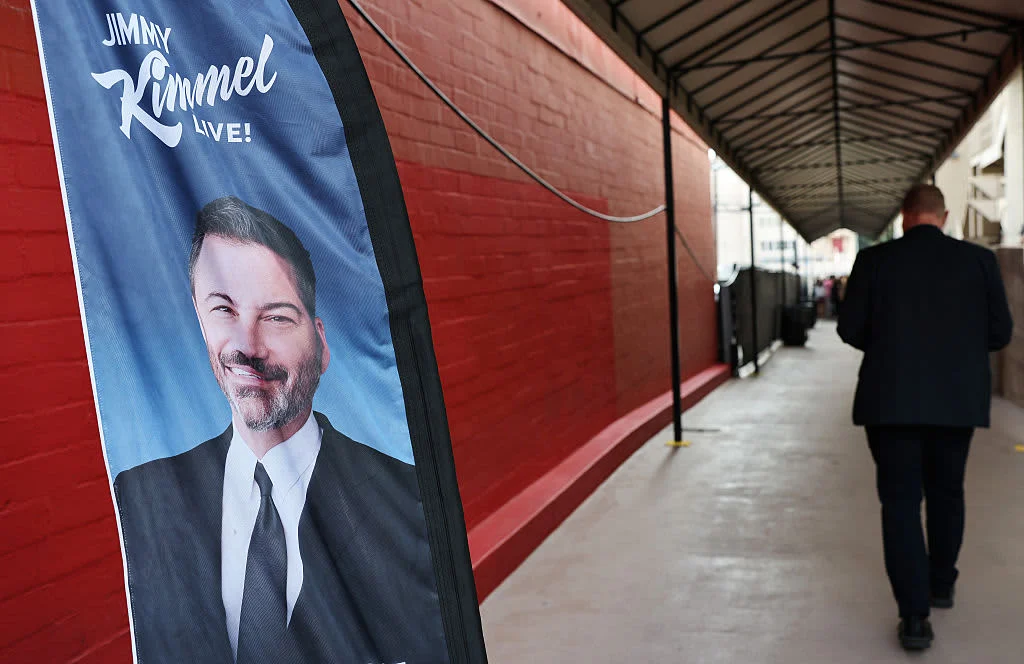
President Donald Trump has escalated his long-standing grievances against Disney-owned ABC, reviving public demands for the network to terminate late-night host Jimmy Kimmel. This latest confrontation serves as a pivotal test for the resilience of late-night television and the editorial independence of legacy broadcasters during the Republican president’s second term. The friction point involves a recent comedy sketch and subsequent monologue that the Trump administration has characterized as a direct provocation, occurring against a backdrop of heightening regulatory scrutiny and executive turnover at The Walt Disney Company.
The current firestorm erupted following a comedy sketch aired last week in which Kimmel referred to First Lady Melania Trump as an "expectant widow." The remark was made only days before an alleged assassination attempt was reported near the date of the White House Correspondents’ Dinner, a timing that the administration argued transformed a satirical jab into a "call to violence." The First Lady addressed the comments via a post on the social media platform X, describing Kimmel’s rhetoric as "hateful and violent" and accusing the host of intending to "divide our country."
President Trump echoed these sentiments on Truth Social, asserting that the monologue went "far beyond the pale" and constituted a dangerous incitement. On Monday night, Kimmel addressed the backlash during his program, "Jimmy Kimmel Live!", defending the comment as a "joke about their age difference" rather than a literal or figurative call for harm. Kimmel stated that the administration was aware of the comedic context, though White House Director of Communications Steven Cheung countered on Tuesday, suggesting that Kimmel should be "shunned" for "doubling down" rather than issuing a formal apology.
A History of Suspension and Affiliate Pressure
This is not the first instance of Kimmel finding himself at the center of a political and regulatory maelstrom. In September 2025, the host’s program was briefly suspended after a series of monologues concerning the death of conservative activist Charlie Kirk drew the ire of broadcast station owners. During that period, major affiliates including Nexstar Media Group and Sinclair Broadcast Group threatened to preempt Kimmel’s show, opting to air alternative content in his designated time slot.
The September suspension was heavily influenced by Federal Communications Commission (FCC) Chairman Brendan Carr, who raised public concerns regarding the content of Kimmel’s monologues. Carr suggested at the time that broadcast station licenses—which are granted based on the premise that stations serve the "public interest, convenience, and necessity"—could be at risk of revocation if broadcasters failed to maintain generally acceptable standards of content. While Disney eventually returned Kimmel to the air after a short hiatus and a public apology, the incident established a precedent for how the administration and regulatory bodies might leverage licensing oversight to influence programming.
The renewed calls for Kimmel’s firing coincide with a report from Semafor indicating that the FCC is currently preparing a review of Disney’s broadcast licenses. While sources cited in the report suggested the timing of the review is not explicitly tied to the "expectant widow" monologue, the convergence of regulatory activity and executive-level criticism has placed Disney in a precarious position. Representatives for both the FCC and Disney have declined to provide official comments on the specifics of the license review process.
Leadership Transition at Disney
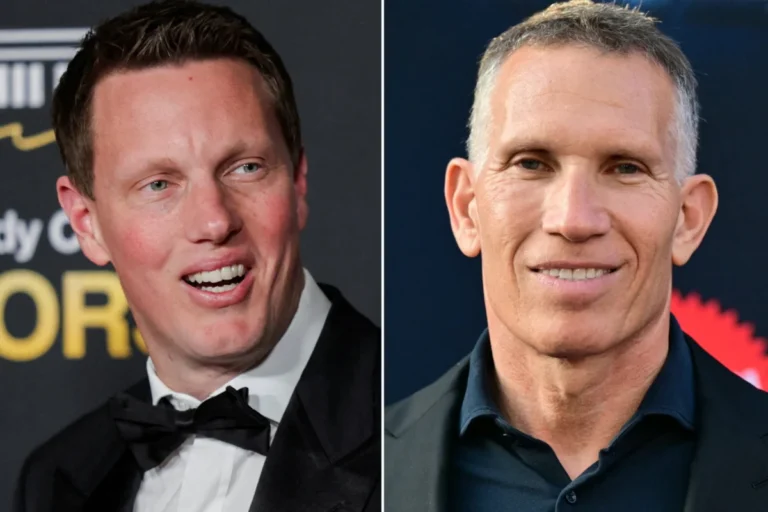
The current crisis represents one of the first major challenges for Josh D’Amaro, who was installed as the CEO of Disney last month. D’Amaro took the helm at a time when the company is attempting to navigate a polarized political landscape while managing a sprawling portfolio of media assets that includes ABC, ESPN, and the Disney+ streaming service.
The transition from the era of Bob Iger to D’Amaro has been marked by a shift in how the company handles political friction. Under previous leadership, Disney was often embroiled in public legal battles, most notably with Florida Governor Ron DeSantis. However, recent actions suggest a more cautious or perhaps conciliatory approach toward the federal executive branch. In December 2024, ABC News agreed to a $15 million settlement in a defamation lawsuit brought by Donald Trump against the network and anchor George Stephanopoulos. The settlement funds were designated for the President’s future presidential library, a move seen by industry analysts as an attempt to clear legal hurdles ahead of the new administration’s term.
Furthermore, the network’s internal personnel policies have shown a lower tolerance for political controversy. Last year, ABC News terminated its relationship with national correspondent Terry Moran after he described the President and senior advisor Stephen Miller as "world-class haters" in a social media post. These internal shifts suggest that D’Amaro is operating under a mandate to minimize corporate exposure to political retribution.

The Shrinking Landscape of Late-Night Satire
The pressure on Kimmel is part of a broader trend affecting the late-night television industry, which has seen its cultural and financial footprint diminish in recent years. Traditionally a staple of American broadcast television, late-night talk shows are facing a "perfect storm" of declining linear viewership, the rise of short-form digital content, and intense political polarization that alienates large segments of the audience.
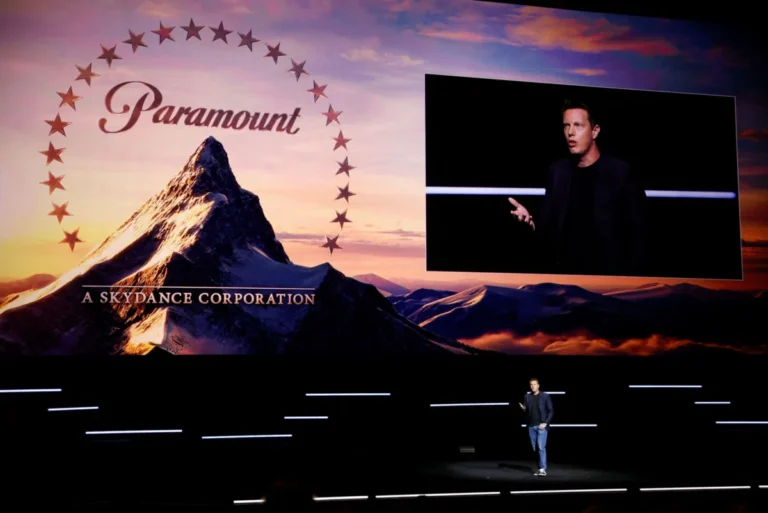
The industry was rattled last year when Paramount-owned CBS announced the end of "The Late Show with Stephen Colbert." The cancellation occurred while Paramount was awaiting FCC approval for its merger with Skydance Media. Although the merger was eventually approved, the timing of the announcement led to speculation that the removal of a high-profile critic of the Trump administration was a strategic move to smooth the regulatory path.
For Disney, the financial stakes are significant. While late-night shows are no longer the profit engines they once were, they remain vital for maintaining affiliate relationships and driving advertising revenue. However, if the FCC under Chairman Carr begins to actively use the license renewal process as a tool for content oversight, the cost of keeping a controversial host like Kimmel may eventually outweigh the benefits.
Regulatory and Constitutional Implications
The escalating tension between the White House and ABC raises fundamental questions about the First Amendment and the specific regulatory framework governing broadcast television. Unlike cable networks or streaming platforms, broadcast stations operate on public airwaves and are subject to FCC regulations that do not apply to private digital platforms.
Legal experts note that while the First Amendment provides broad protections for satire and political speech, the FCC has the authority to review whether a licensee is serving the public interest. Historically, this power has been used sparingly to avoid the appearance of government censorship. However, the rhetoric coming from the current administration suggests a more interventionist approach.
The "public interest" standard is notoriously vague, providing the FCC with significant leeway in how it evaluates a station’s performance. If the commission determines that a broadcaster is consistently airing content that incites social unrest or violates community standards—definitions that are often subjective—it can theoretically deny license renewals. This "regulatory shadow" creates a chilling effect, where corporations may choose to self-censor or terminate provocative talent to avoid the risk of losing their multi-billion-dollar broadcast infrastructure.
Timeline of Recent Friction Between Trump and ABC
To understand the gravity of the current situation, it is necessary to view it through the lens of a multi-year chronology of conflict:
- March 2024: ABC News correspondent Terry Moran is terminated following social media comments regarding the Trump administration.
- September 2025: Jimmy Kimmel is suspended for comments regarding Charlie Kirk. Affiliate owners Nexstar and Sinclair threaten preemption.
- December 2024: ABC News settles a defamation lawsuit with Donald Trump for $15 million.
- March 2026: Josh D’Amaro officially succeeds as Disney CEO.
- Last Week: Kimmel’s "expectant widow" joke airs, sparking immediate condemnation from the First Lady and the President.
- Current Week: Reports surface of an FCC review of Disney’s broadcast licenses as the administration calls for Kimmel’s termination.
Broader Industry Impact
The outcome of this standoff will likely serve as a bellwether for the future of political satire on broadcast networks. If Disney yields to the pressure and terminates Kimmel, it could signal the end of an era where late-night hosts served as prominent "opposition" voices on mainstream television. Conversely, if Disney maintains its support for Kimmel, it may face an uphill battle in the regulatory arena, potentially impacting its ability to renew licenses for its eight owned-and-operated ABC stations in major markets like New York, Los Angeles, and Chicago.
Industry analysts suggest that the "Colbert model"—where a show is phased out during a period of corporate transition—might become the standard for networks looking to avoid direct confrontation. As the media landscape continues to fracture, the influence of a single late-night host may be waning, but the symbolic value of these programs remains a potent flashpoint in the ongoing American "culture war."
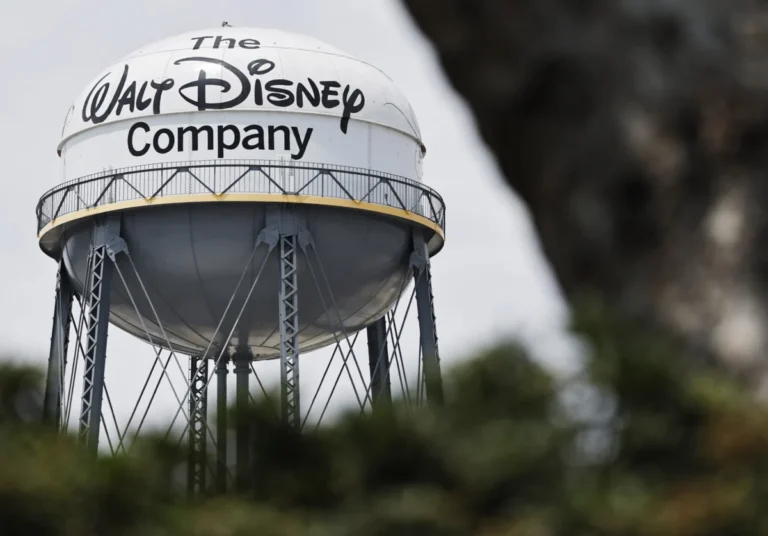
As of Tuesday afternoon, Disney has not issued a formal response to the White House’s latest demands. The silence from the Burbank headquarters suggests a careful internal deliberation as the company weighs its commitment to creative freedom against the practical realities of operating a regulated broadcast business in a highly charged political environment.