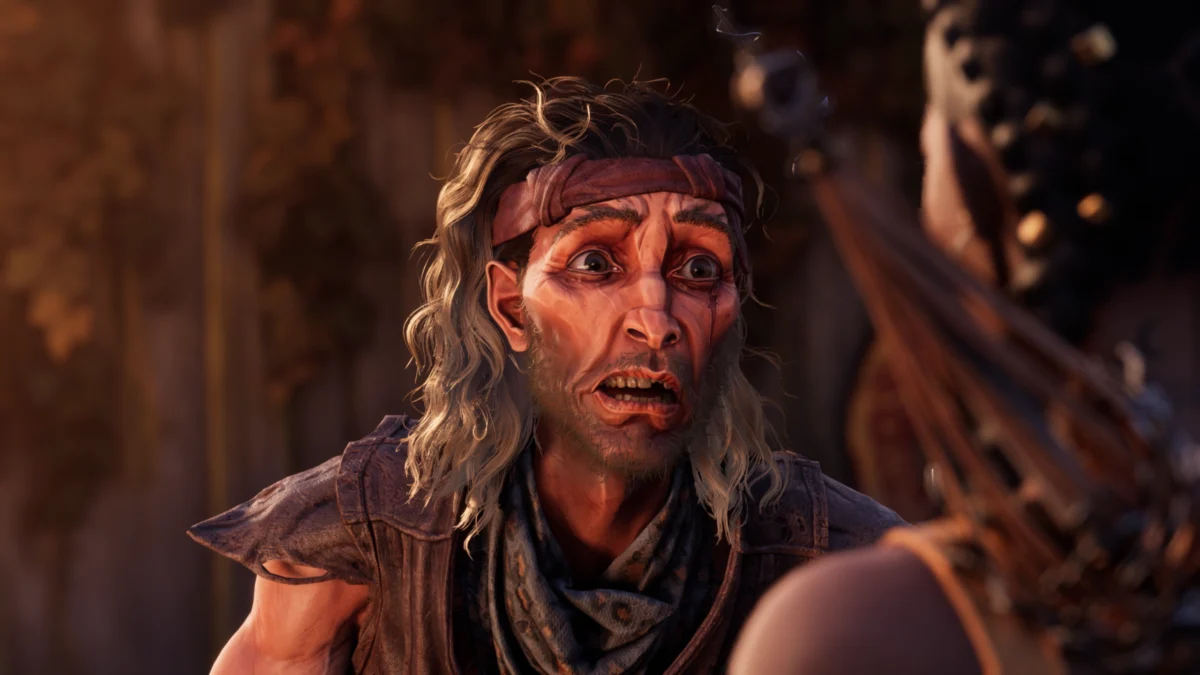
In a seismic shift for the video game industry, Microsoft has announced a massive restructuring of its Xbox gaming division, resulting in the divestment of several high-profile development studios and the elimination of approximately 3,200 positions. Among the most significant developments is the return of Double Fine Productions and Compulsion Games to independent status. Both studios, which were acquired during Microsoft’s aggressive expansion period in the late 2010s, will transition out of the Xbox Game Studios portfolio while retaining the rights to the intellectual properties (IP) they developed during their tenure under the tech giant.
The restructuring, which represents a roughly 20 percent reduction in the Xbox workforce, also affects other major players in the Microsoft ecosystem. Ninja Theory, the developer behind the Hellblade series, and Undead Labs, known for State of Decay, are reportedly moving under new, as-yet-undisclosed ownership. Meanwhile, Arkane Lyon, the celebrated team responsible for Dishonored and Deathloop, is currently in negotiations regarding its future autonomy. The move signals a dramatic pivot in Microsoft’s gaming strategy, moving away from a broad portfolio of diverse creative teams toward a more concentrated focus on established, high-revenue franchises.
The Financial Rationale and Internal Justification
The decision was communicated to staff via an internal memo from Xbox leader Asha Sharma, who cited the unsustainability of the company’s previous "aggressive" expansion. According to Sharma, the current economic climate and the specific performance metrics of certain internal studios necessitated a correction. In a candid assessment of the division’s financial health, Sharma revealed that for every dollar invested in certain types of independent-minded studios, the company was losing approximately 64 cents.
"It is neither possible nor desirable to own every great independent studio," Sharma stated in the memo. "We have also learned that we are not the best home for every type of studio." This admission marks a stark departure from the rhetoric of 2018 and 2019, when Microsoft positioned itself as a benevolent patron of creative, "mid-sized" developers, promising them financial stability without infringing on their unique cultures.
The 3,200 job losses represent one of the largest single-day workforce reductions in the history of the gaming industry. It follows a broader trend of "right-sizing" across the technology sector, as companies grapple with post-pandemic market corrections and the immense capital requirements of modern AAA game development.
A Chronology of the Xbox Expansion and Contraction
To understand the magnitude of today’s announcement, it is necessary to look at the timeline of Microsoft’s acquisition strategy over the last decade.
In 2018, during the Electronic Arts (E3) press conference, Xbox head Phil Spencer announced the acquisition of four studios: Ninja Theory, Playground Games, Compulsion Games, and Undead Labs, along with the formation of The Initiative. This was widely viewed as a move to bolster the Xbox Game Pass subscription service with a steady stream of "prestige" content.
In 2019, Double Fine Productions joined the fold. Founded by industry veteran Tim Schafer, Double Fine brought a legacy of cult classics and a reputation for unparalleled creativity. Following these acquisitions, Microsoft continued its spending spree on a much larger scale, acquiring ZeniMax Media (parent company of Bethesda) for $7.5 billion in 2021, and culminating in the record-breaking $68.7 billion acquisition of Activision Blizzard, which was finalized in late 2023.
However, the integration of these massive entities, combined with the shifting priorities of Microsoft’s corporate leadership, has led to a re-evaluation of the "prestige" studio model. The closure of Tango Gameworks and Arkane Austin earlier in 2024 served as a precursor to today’s more sweeping divestments.
Double Fine Productions: A Return to Autonomy
Double Fine Productions, which spent 18 years as an independent entity before joining Microsoft in 2019, will once again operate as a self-managed studio. During its five-year stint with Xbox, the studio released the critically acclaimed Psychonauts 2, the innovative pottery-based title Kiln, and the more recent experimental project, Keeper.
In a public statement, Double Fine expressed gratitude for the resources provided by Microsoft while emphasizing the importance of their regained independence. "Once again, Double Fine Productions will be an independent studio," the statement read. "We’re thankful to everyone at Xbox for seven great years together, and for working with us to reach an outcome which preserves our history and culture, and returns ownership of our games to us."
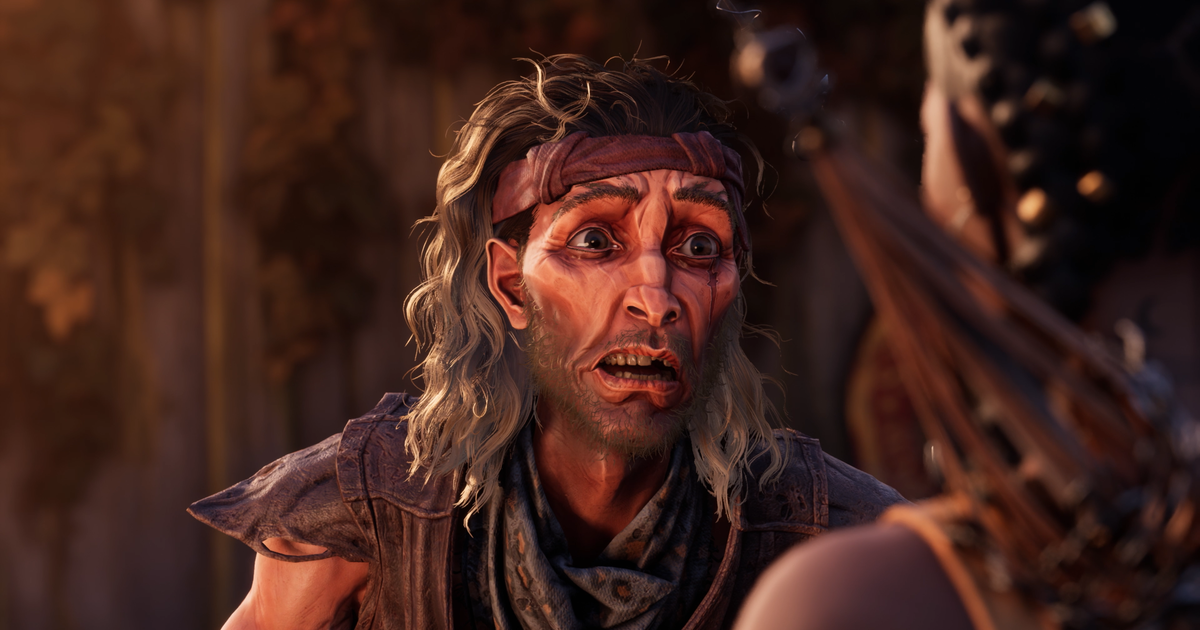
Critically, Double Fine leaves with its IP intact. While the studio did not explicitly list every title, the agreement ensures that the creative fruits of their labor under the Xbox banner remain under their control. This is a rare outcome in the corporate world, where parent companies typically retain all rights to work produced by their subsidiaries. Furthermore, Double Fine will continue to lead the "Day of the Devs" initiative, a non-profit showcase that highlights independent games from around the world, maintaining its role as a champion for the indie community.
Compulsion Games and the Legacy of South of Midnight
Compulsion Games, based in Montreal, joined Microsoft in 2018 after gaining notoriety for the visually striking We Happy Few. Their time at Xbox was marked by the development of South of Midnight, an action-adventure game rooted in the folklore of the American Deep South. While South of Midnight received praise for its art direction and musical integration, it met with a more varied critical reception regarding its combat mechanics.
Compulsion’s transition back to independence includes the retention of rights to Contrast, We Happy Few, and South of Midnight. "We’re grateful for the years we spent with Xbox, for the support they provided our team, and for the opportunity to bring these games to players around the world," the studio said. "As an independent studio, we’re excited to continue building the distinctive games that define Compulsion."
The ability to keep the South of Midnight IP is particularly significant for Compulsion, as it allows them to potentially iterate on the world they built or bring the title to other platforms, such as the PlayStation 5, without the direct oversight of a console competitor.
Strategic Realignment at ZeniMax and Bethesda
As part of the same restructuring effort, ZeniMax and Bethesda will reportedly narrow their focus. The directive from Microsoft leadership is to "double down" on proven, high-value intellectual properties. Specifically, resources will be concentrated on The Elder Scrolls and Fallout franchises.
The Fallout series has seen a massive resurgence in popularity following the success of the Amazon Prime Video television adaptation, leading to record-breaking player counts for Fallout 76 and Fallout 4. By focusing on these "tentpole" IPs, Microsoft aims to maximize the return on investment from its Bethesda acquisition, though this may come at the cost of more experimental or niche projects that the publisher was previously known for supporting.
Broader Implications for the Gaming Industry
The divestment of these studios and the massive layoffs at Xbox are indicative of a broader "identity crisis" within the gaming industry. For years, the industry operated on a growth-at-all-costs model, fueled by low interest rates and a surge in digital engagement during the COVID-19 pandemic. As those conditions have reversed, the world’s largest publishers are now prioritizing immediate profitability over long-term creative diversification.
The move also raises questions about the future of the "console war" and the exclusivity model. By allowing studios like Double Fine and Compulsion to go independent, Microsoft is effectively acknowledging that it cannot—or will not—sustain the cost of keeping these creators exclusive to the Xbox ecosystem. This aligns with recent rumors and strategic shifts suggesting that more Xbox-published titles will eventually find their way to Nintendo and PlayStation platforms.
Furthermore, the social and ethical dimensions of these corporate decisions are under increasing scrutiny. The layoffs contribute to a growing sense of instability for game developers, many of whom have faced multiple rounds of redundancies across different employers in the last 24 months. Public sentiment has also been impacted by Microsoft’s broader corporate associations, including its investments in generative AI and its controversial contracts with various government and military entities. Independent studios often find that distancing themselves from these corporate entanglements helps rebuild trust with a fanbase that is increasingly sensitive to the ethical footprint of the companies they support.
Conclusion: The Path Ahead for the Newly Independent
For Double Fine and Compulsion, the path ahead is both liberating and daunting. While they no longer face the threat of being shut down during a corporate board meeting, they also lose the "infinite" safety net of Microsoft’s balance sheet. They must now navigate the complexities of self-funding, seeking external publishers, or utilizing crowdfunding—a method Double Fine pioneered with the "Double Fine Adventure" (Broken Age) in 2012.
The industry will be watching closely to see if these studios can thrive in an increasingly consolidated market. Their success or failure will likely serve as a bellwether for the viability of the "mid-sized" independent studio in the modern era. For now, the focus remains on the 3,200 individuals affected by today’s cuts, marking a somber chapter in what has already been a turbulent year for the world of interactive entertainment.