

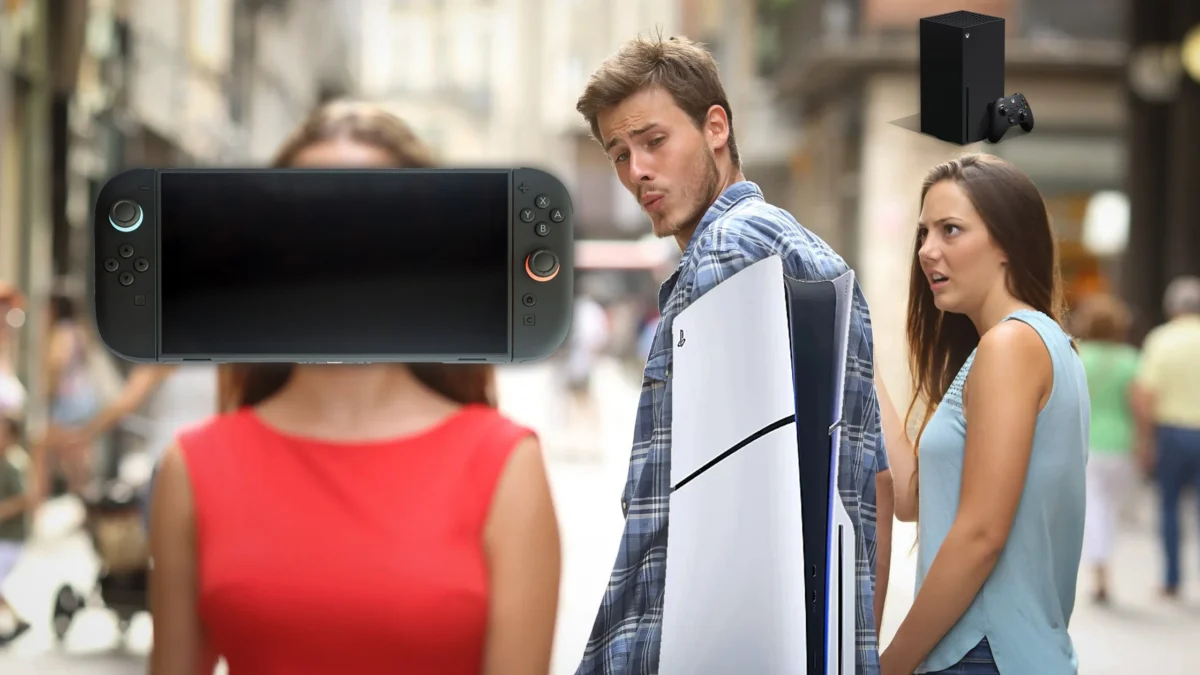
Nintendo’s latest hardware offering, the Switch 2, has officially become the second fastest-selling video game console in United States history, according to the latest market data released for May 2026. After exactly 12 months on the retail market, the hybrid successor has moved a staggering 5.9 million units. This performance places the system just behind Nintendo’s own Game Boy Advance, which retains the all-time record with 6.5 million units sold during its first year of availability a quarter-century ago. Despite the milestone, the broader gaming industry is grappling with a volatile economic landscape characterized by soaring hardware costs and a supply chain strained by the global demand for artificial intelligence infrastructure.
The May 2026 report from Circana, a leading data-tracking firm specializing in consumer behavior and retail sales, identifies the Switch 2 as the month’s top-selling console in the U.S. market. The system’s robust performance has allowed it to outpace the PlayStation 5 in monthly volume, serving as the primary catalyst for a 33% year-on-year increase in total hardware spending. However, analysts warn that these figures mask a deepening crisis for the industry’s traditional heavyweights, Sony and Microsoft, both of whom are facing significant headwinds as they navigate a high-inflation environment.
The Decline of Legacy Hardware Sales
While Nintendo celebrates its hardware momentum, the figures for Sony’s PlayStation 5 and Microsoft’s Xbox Series platforms indicate a sharp cooling of consumer interest. PlayStation 5 sales plummeted by 58% year-on-year in May, reaching their lowest total for the month of May since the year 2000—a period that predates the launch of the original Xbox and the GameCube. Industry experts attribute this decline directly to recent price adjustments; Sony implemented a series of major price hikes for the PS5, the PS5 Pro, and the PlayStation Portal in March 2026, citing increased production costs.
Microsoft’s hardware division has fared slightly better in terms of percentages but remains at a historic low. Xbox sales fell 12% year-on-year, yet the undisclosed total number of units sold represents the lowest May performance ever recorded for the brand. The downward trend is expected to persist, as Microsoft announced another substantial price increase for the Xbox Series X and Series S just yesterday. This move follows a pattern of rising costs across the sector, with Nintendo also signaling that the price of the Switch 2 will likely increase later this year to offset narrowing margins.
The Economics of the $500 Console
The Circana report highlights a significant shift in the "entry price" for modern gaming. The average price paid for a new video game console in the U.S. reached $502 in May 2026, a sharp increase from the $440 average recorded during the same period last year. The pricing for the PlayStation 5 has been particularly affected, with the average retail cost rising 33% to $672. Microsoft’s hardware has seen a similar trajectory, with the Xbox Series X/S pricing climbing 22% to an average of $524.
This inflationary trend represents a departure from historical console cycles. Traditionally, hardware manufacturers have leveraged economies of scale to lower the price of systems as a generation matures, driving mass-market adoption. In the current cycle, however, the "cost of living" crisis and supply chain disruptions have inverted this model. Consumers are now asked to pay premium prices for hardware that is several years into its lifecycle, even as their discretionary income is squeezed by rising costs for housing, energy, and groceries.
The AI Factor and the Global Component Shortage
The primary driver behind these escalating costs is a persistent global shortage of critical semiconductors and memory components. Unlike previous shortages caused by pandemic-related logistics issues, the current crisis is fueled by the insatiable demand for AI datacenters. Silicon manufacturers have pivoted their production capacities toward high-margin AI chips, leaving the consumer electronics and gaming sectors to compete for a dwindling supply of logic gates and RAM.
The impact on memory prices has been particularly devastating. Industry insiders report that RAM prices are soaring, which has forced console manufacturers to choose between absorbing losses or passing costs to the consumer. Microsoft’s executive leadership expressed a grim outlook during a recent earnings call, stating that the company anticipates "another doubling" in component pricing by autumn 2027. Such a projection suggests that the current wave of price hikes may only be the beginning, potentially leading to a future where next-generation consoles are priced as luxury items rather than accessible entertainment devices.
The Cautionary Tale of the Steam Machine
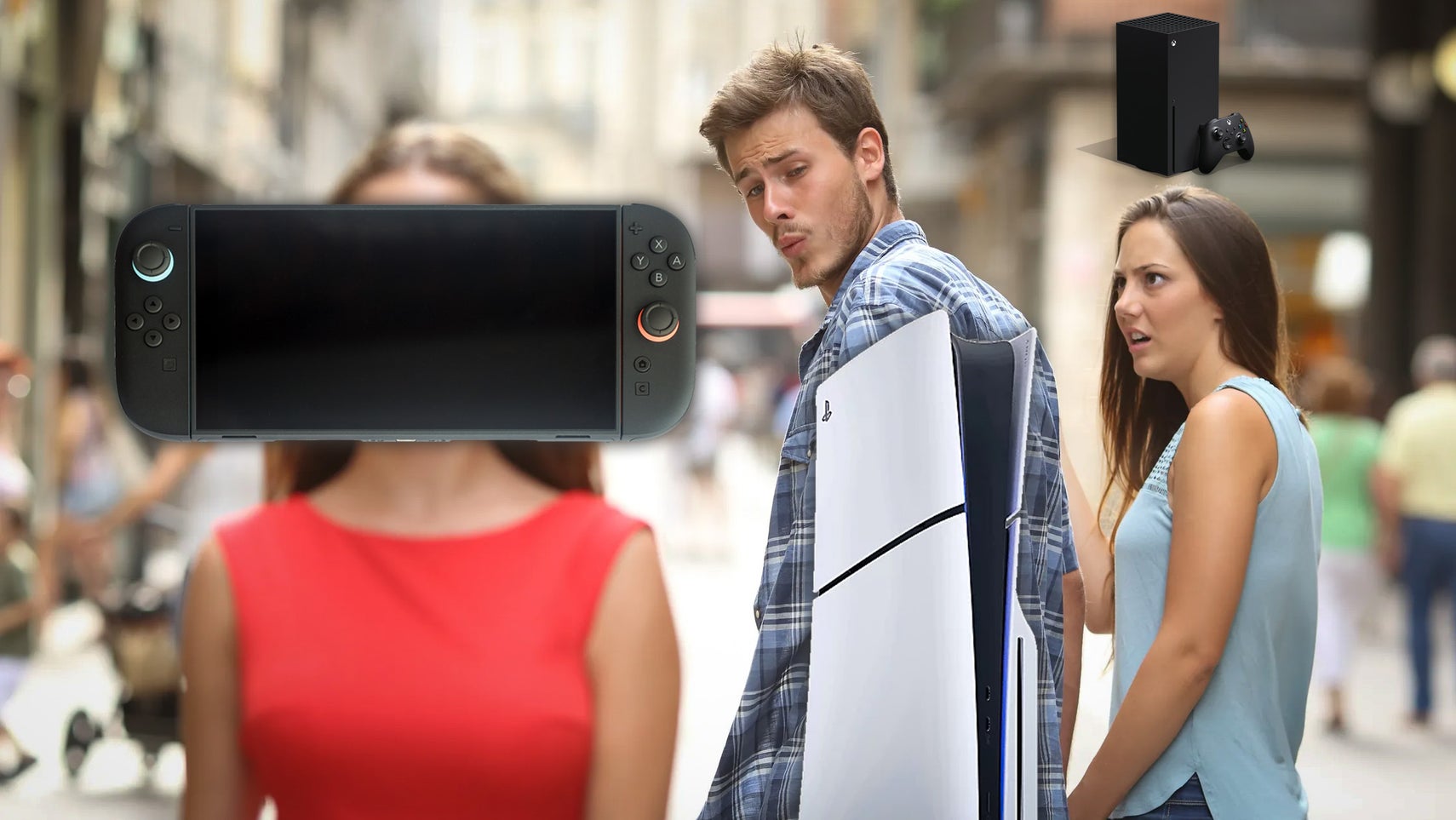
The shift toward high-priced hardware is already manifesting in the PC-handheld and "console-like" market. Valve’s recent launch of its high-end Steam Machine has served as a bellwether for the industry’s new pricing reality. Despite offering performance comparable to top-tier gaming PCs in a compact form factor, the device arrived with a base price of $1,000. Valve leadership has publicly admitted that the final retail price was "significantly higher" than the company’s internal projections during the design phase.
The Steam Machine’s reception has been tempered by its cost, raising questions about the viability of "premium" gaming hardware in a market where the average consumer is becoming increasingly price-sensitive. For the first time in the history of the medium, the industry is witnessing a console generation where the hardware becomes less affordable over time, threatening the "walled garden" ecosystem model that has sustained Sony, Microsoft, and Nintendo for decades.
The "GTA 6" Effect and Retail Anxiety
Despite the economic gloom, the industry is looking toward a singular event to revitalize the market: the release of Grand Theft Auto VI (GTA 6). Scheduled for launch on November 19, the Rockstar Games title is widely expected to be the most significant entertainment release of the decade. Historically, the Grand Theft Auto franchise has acted as a "system seller," driving millions of consumers to upgrade their hardware to play the latest entry.
However, the intersection of high demand and low supply is creating anxiety among major retailers. Several prominent electronics chains have issued warnings that there may not be enough console stock to satisfy the surge in demand expected during the Christmas and holiday season. If component shortages continue to limit production, the industry faces a scenario where millions of consumers may be willing to pay high prices for a console to play GTA 6, only to find empty shelves.
One retail analyst noted, "We are heading toward a perfect storm. You have the most anticipated game in history arriving at a time when hardware prices are at an all-time high and stock levels are at a five-year low. This could lead to a secondary market boom—and scalping—that exceeds even what we saw during the 2020 lockdowns."
Chronology of the 2025-2026 Hardware Crisis
- May 2025: Nintendo launches the Switch 2 to critical acclaim and strong initial sales.
- October 2025: Reports emerge of a massive shift in semiconductor production toward AI-focused enterprise hardware.
- March 2026: Sony announces major price hikes for the PS5 and PS5 Pro, citing a 30% increase in manufacturing costs.
- May 2026: Circana reports the lowest May sales for Xbox in history and a 58% drop for PlayStation. Switch 2 reaches 5.9 million units.
- June 2026: Microsoft raises Xbox prices and warns of further component cost doublings by 2027.
- November 2026 (Projected): Grand Theft Auto VI release date; retailers warn of severe hardware shortages.
Future Implications for the Gaming Industry
The current trajectory of the console market suggests a fundamental shift in how video games are consumed. If hardware prices continue to rise, the industry may see a more rapid transition toward cloud gaming and subscription services, where the barrier to entry is a high-speed internet connection rather than a $700 box. However, cloud infrastructure is itself reliant on the very datacenters that are currently driving up component costs, creating a circular economic challenge.
For Nintendo, the success of the Switch 2 provides a temporary buffer. By focusing on a hybrid model that utilizes slightly less cutting-edge (and therefore less expensive) components than Sony or Microsoft, Nintendo has managed to maintain a competitive price point for longer. Yet, even the Kyoto-based giant is not immune to the "AI tax" being levied on the global supply chain.
As the industry moves toward the pivotal holiday season of 2026, the focus will remain on whether the allure of next-generation software can overcome the harsh realities of a high-cost hardware market. For now, the Switch 2 stands as a lone success story in a landscape defined by economic uncertainty and the growing pains of a technological era increasingly dominated by artificial intelligence.