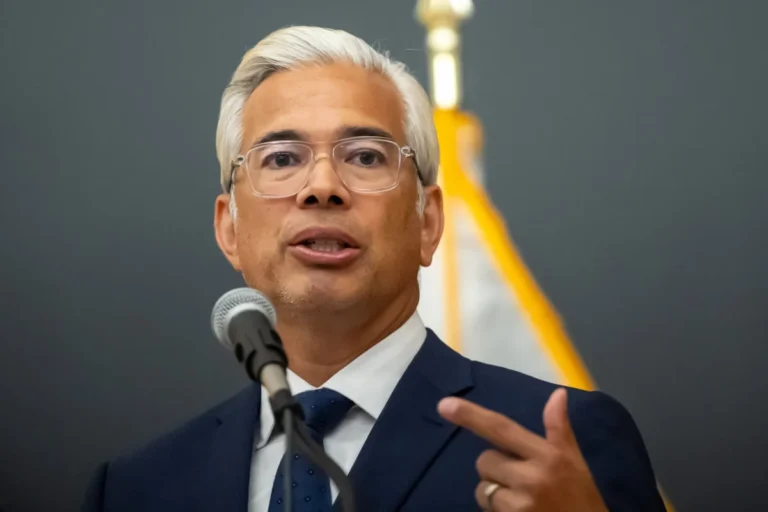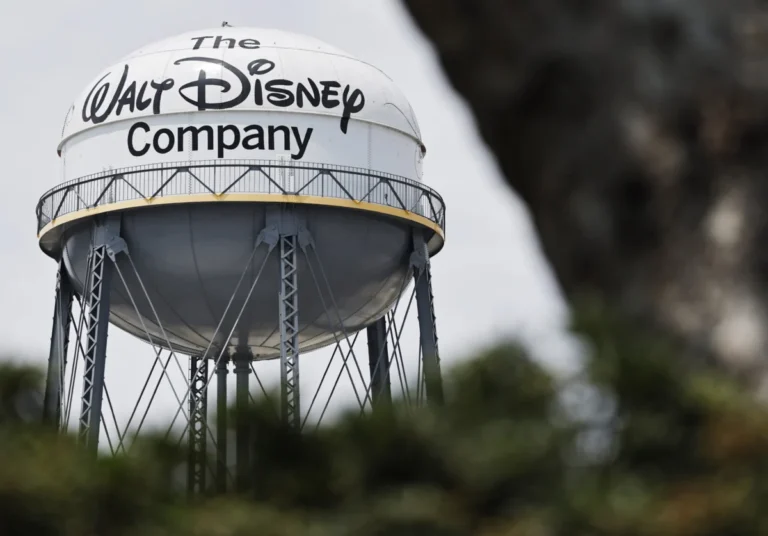


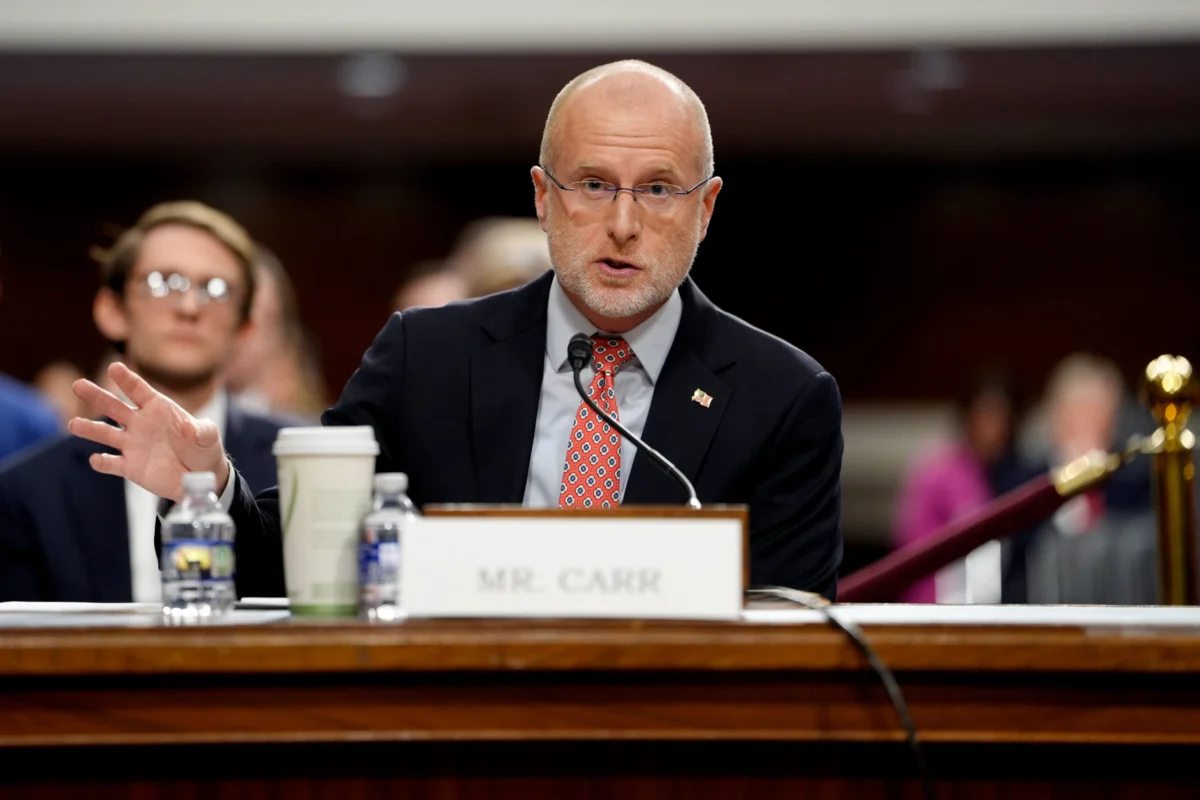
The Federal Communications Commission (FCC) has formally requested an early review of broadcast station licenses held by The Walt Disney Company, citing ongoing concerns regarding the corporation’s diversity, equity, and inclusion (DEI) initiatives. According to a letter issued Tuesday by FCC Chairman Brendan Carr, the regulatory agency has ordered Disney to file for early renewal for its ABC-owned and operated television stations, significantly advancing a timeline that was originally slated to begin in 2028. This move marks a significant escalation in the federal oversight of one of the nation’s largest media conglomerates and signals a potential shift in how the FCC interprets its mandate to ensure broadcasters operate in the public interest.
The order mandates that Disney submit its renewal applications within 30 days, establishing a deadline of May 28. Under normal circumstances, the licenses for these stations—located in major markets including New York, Los Angeles, and Chicago—were not due for re-evaluation for several years. The FCC’s decision to accelerate this process is explicitly linked to an investigation into Disney’s DEI efforts that commenced last year, exploring whether the company’s internal policies and hiring practices align with the Communications Act of 1934 and existing FCC regulations regarding non-discrimination.
Technical Scope and Affected Stations
The FCC’s order specifically targets eight television stations that are owned and operated (O&O) by Disney through its ABC subsidiary. These stations represent the backbone of the network’s local broadcast reach in some of the most populous regions of the United States. The list includes:
- WABC-TV (New York, NY)
- KABC-TV (Los Angeles, CA)
- WLS-TV (Chicago, IL)
- KGO-TV (San Francisco, CA)
- KTRK-TV (Houston, TX)
- WPVI-TV (Philadelphia, PA)
- WTVD (Raleigh-Durham, NC)
- KFSN-TV (Fresno, CA)
The FCC clarified that this accelerated review does not extend to ABC-affiliated stations owned by third-party broadcasters, such as Nexstar Media Group or Sinclair Broadcast Group. However, the O&O stations are critical assets for Disney, serving as primary hubs for news dissemination and emergency broadcasting in their respective markets.
Background of the DEI Investigation
The investigation into Disney’s DEI programs began in March of the previous year. The FCC’s inquiry focuses on whether these programs constitute "unlawful discrimination" or violate the agency’s Equal Employment Opportunity (EEO) rules. The EEO rules are designed to ensure that broadcasters do not discriminate on the basis of race, color, religion, national origin, or gender, and that they provide equal opportunities for employment.
Chairman Brendan Carr, who was appointed to lead the commission by President Donald Trump, has been a vocal critic of corporate DEI mandates, arguing that they can sometimes result in exclusionary practices that run counter to federal law. In the letter released Tuesday, the FCC noted that while Disney has "purported to respond" to previous inquiries regarding these matters, the agency determined that the responses were insufficient to resolve the investigation, necessitating the "appropriate" step of an early license review.
Disney, for its part, has maintained that its practices are both legal and essential for reflecting the diversity of its global audience. In a statement released Tuesday, the company defended its record, stating, "ABC and its stations have a long record of operating in full compliance with FCC rules and serving their local communities with trusted news, emergency information, and public-interest programming." The company added that it is prepared to defend its qualifications as a licensee through appropriate legal channels, citing protections under both the Communications Act and the First Amendment.
The Intersection of Regulation and Political Tension
The timing of the FCC’s order has drawn significant attention, as it coincides with renewed friction between the executive branch and ABC’s programming. President Donald Trump has recently intensified his criticism of the network following a monologue by late-night host Jimmy Kimmel. During a broadcast of Jimmy Kimmel Live!, the comedian referred to First Lady Melania Trump as an "expectant widow," a comment made shortly before an alleged assassination attempt at the White House Correspondents’ Dinner.
The President has publicly called for ABC to remove Kimmel from the airwaves, reviving a long-standing grievance with the host. This is not the first instance of political controversy surrounding the network; in September, Kimmel’s show was briefly suspended following comments regarding the death of conservative activist Charlie Kirk. At that time, Chairman Carr had alluded to the possibility that broadcast licenses could be scrutinized or even revoked if broadcasters failed to meet their obligations to serve the public interest or if their conduct was deemed sufficiently egregious.
While the FCC is technically an independent agency, the alignment between the Chairman’s regulatory actions and the President’s rhetoric has sparked a debate over the potential politicization of the licensing process.
A Chronology of the Dispute
The current conflict is the result of a series of events spanning the last 14 months:
- March 2024: The FCC officially opens an investigation into Disney’s ABC-owned stations regarding potential violations of the Communications Act and non-discrimination rules related to DEI policies.
- September 2024: Jimmy Kimmel Live! faces a temporary suspension following backlash over comments regarding Charlie Kirk. Chairman Carr suggests that such incidents could impact license renewals.
- November 2024: Brendan Carr is appointed as FCC Chairman, signaling a more aggressive regulatory stance toward major media companies and their internal social policies.
- February 2025: The FCC expands its DEI-related inquiries to include other major broadcasters, such as Comcast (NBCUniversal) and Paramount.
- April 2025: Jimmy Kimmel’s monologue regarding the First Lady sparks a new wave of presidential criticism and calls for ABC to face consequences.
- April 29, 2025: The FCC issues the formal order for Disney to file for early license renewal for its eight O&O stations by May 28.
Internal Dissent and Industry Reaction
The decision to accelerate Disney’s license review has not been met with universal approval within the commission. FCC Commissioner Anna Gomez issued a sharp rebuke of the move, characterizing it as a departure from established regulatory norms. In a post on the social media platform X, Gomez described the action as "unprecedented, unlawful, and going nowhere," calling it a "political stunt" that would likely be overturned if challenged in court. She encouraged the affected companies to fight the order, asserting that the First Amendment provides strong protections against government interference in media operations.
Legal experts and First Amendment advocates have echoed these concerns. Jameel Jaffer, Executive Director at the Knight First Amendment Institute at Columbia University, warned that using the licensing process as a tool for political retribution could have dire consequences for democratic discourse. "The FCC has no authority to cancel broadcasters’ licenses because of their perceived political views," Jaffer stated. He argued that the move represents an attempt to consolidate control over what Americans see and hear, potentially leading to a media landscape that is subservient to government interests.
Broader Implications for the Media Industry
The FCC’s focus on Disney is part of a broader trend of regulatory scrutiny targeting "Big Media." Under Chairman Carr’s leadership, the agency has also launched similar investigations into Comcast and Paramount. This suggests that the early renewal order for Disney may be a precursor to similar actions against other networks.
For the media industry, the implications of these investigations are twofold. First, there is the immediate legal and administrative burden of defending corporate policies and undergoing rigorous license reviews years ahead of schedule. Second, there is the broader concern regarding the "public interest" standard. Historically, this standard has been interpreted broadly, giving broadcasters significant editorial freedom. However, if the FCC begins to tie license renewals more closely to internal corporate governance and the political content of programming, it could lead to a "chilling effect" where networks become more cautious in their hiring and their editorial output to avoid regulatory friction.
Fact-Based Analysis of the Legal Framework
The FCC derives its authority from the Communications Act of 1934, which grants the agency the power to issue and renew broadcast licenses based on whether the "public interest, convenience, and necessity" will be served. Unlike cable or satellite networks, broadcast stations use public airwaves, which are considered a finite national resource. In exchange for the use of these airwaves, broadcasters must adhere to certain regulations, including EEO requirements and rules regarding indecency and localism.
However, the Supreme Court has historically set a high bar for government interference in broadcasting, particularly regarding content. The First Amendment generally prohibits the government from punishing a broadcaster based on the viewpoints expressed on its airwaves. The current investigation into DEI efforts represents a novel application of the FCC’s regulatory power, attempting to bridge the gap between corporate employment practices and the statutory requirement to operate in the public interest.
As the May 28 deadline approaches, the legal community will be watching closely to see how Disney responds to the order. Should Disney choose to challenge the FCC in federal court, the resulting case could redefine the boundaries of regulatory oversight for the modern media era, determining the extent to which the government can use its licensing power to influence the internal policies and cultural directions of private corporations.
For now, the eight ABC-owned stations remain in a state of regulatory limbo, forced to prove their "continued qualifications" to the very agency that has placed them under the microscope. The outcome of this accelerated review will likely serve as a landmark moment for both the FCC and the American broadcasting industry.