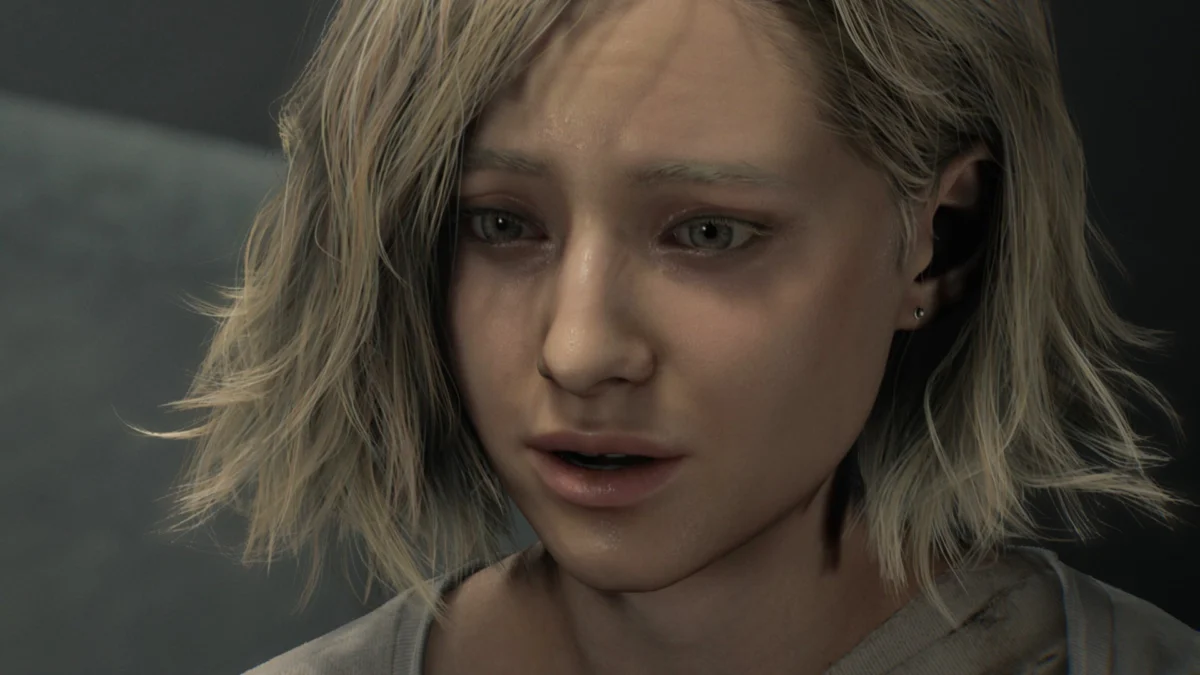
The launch of Resident Evil Requiem in February marked a significant milestone for Capcom’s long-standing survival horror franchise, introducing a new protagonist, Grace Ashcroft, who quickly resonated with the global gaming community. However, the initial acclaim was met with a complex technological controversy just weeks later when Nvidia utilized the character to showcase its upcoming DLSS 5 technology. The resulting AI-driven "makeover" of Ashcroft sparked an immediate and intense backlash from fans, who argued that the technology fundamentally altered the character’s intended aesthetic and emotional weight. Speaking in a recent comprehensive interview, Resident Evil Requiem game director Koshi Nakanishi addressed the situation, interpreting the fervent defense of Grace’s original design as a validation of the development team’s creative vision.
The Debut of Grace Ashcroft and the Success of Resident Evil Requiem
Resident Evil Requiem arrived on the heels of several successful remakes and mainline entries, returning players to a reimagined Raccoon City. While the inclusion of series veteran Leon S. Kennedy provided a bridge to the franchise’s legacy, it was the introduction of Grace Ashcroft that defined the game’s narrative identity. Ashcroft was designed as a relatable, emotionally transparent lead, whose vulnerability served as a stark contrast to the more seasoned protagonists of previous titles.
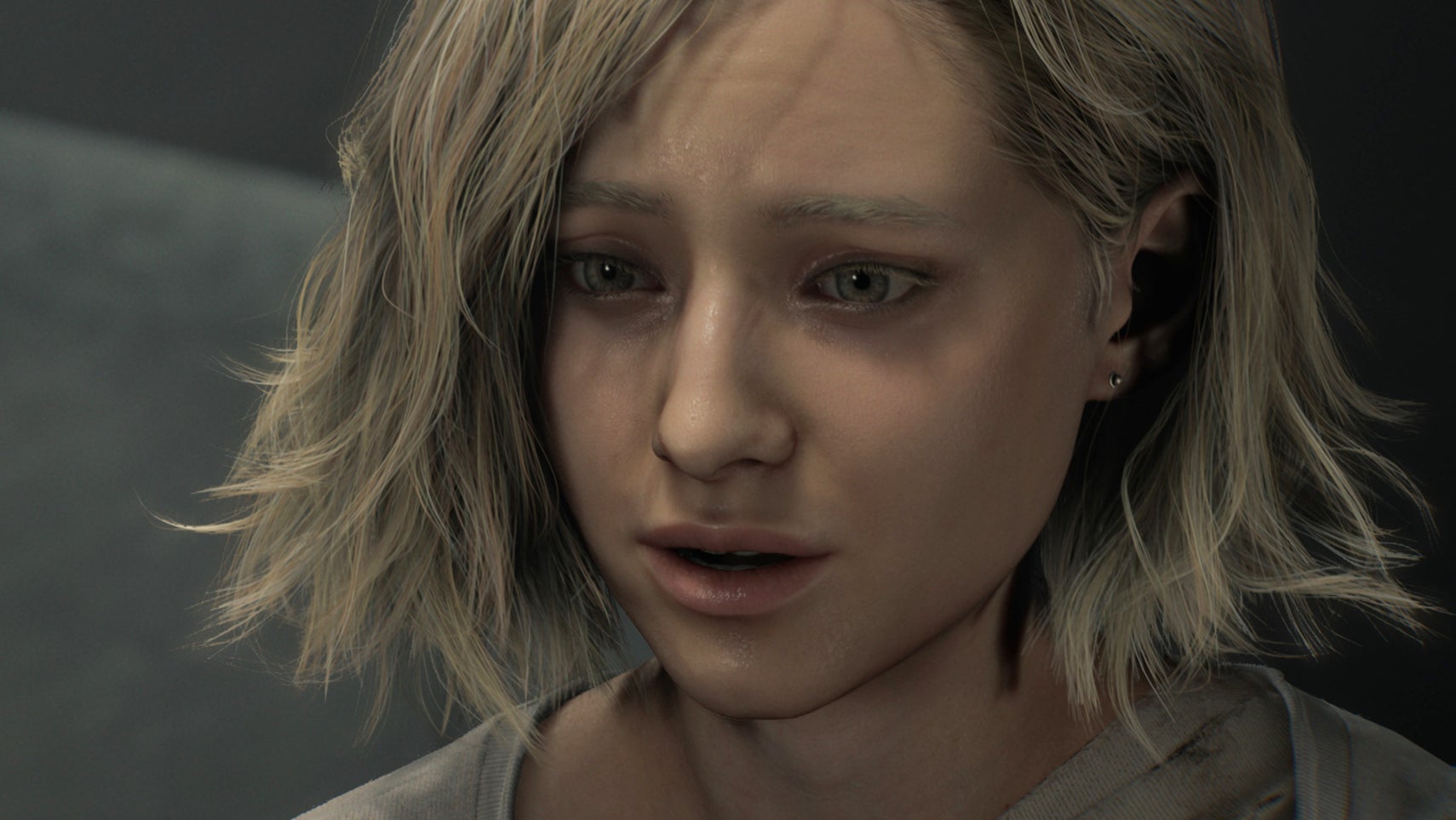
According to Nakanishi, the positive response to Grace was "really glad to see," particularly because the team focused on making her "very emotionally expressive about the fear she goes through." This design philosophy aimed to ground the horror experience by forcing players to empathize with a character who felt genuinely thrust into an overwhelming and terrifying environment. The director noted that the relatability of her character was a cornerstone of the project, ensuring that players would "root for her" as she navigated the bio-organic threats of the game.
Technological Advancement and the DLSS 5 Reveal
In March, Nvidia unveiled DLSS 5 (Deep Learning Super Sampling), the latest iteration of its AI-powered upscaling and frame generation technology. The company claimed that DLSS 5 would allow developers to bridge the gap between real-time rendering and Hollywood-grade visual effects. To demonstrate these capabilities, Nvidia released a technical showcase featuring several high-profile video game characters, including Grace Ashcroft and Leon S. Kennedy from Resident Evil Requiem.
The demonstration utilized generative AI to enhance skin textures, lighting, and facial features. While Nvidia’s objective was to showcase a new level of photorealism, the implementation on Grace Ashcroft was met with immediate criticism. The AI-driven process had significantly altered her facial structure, adding what many described as digital makeup and "plumping" her lips—a phenomenon social media users quickly labeled as "yassification." Fans argued that these changes stripped the character of her "everyman" quality and replaced her realistic, stress-worn appearance with a generic, sanitized aesthetic.
Chronology of the Controversy
The timeline of events highlights the speed at which the gaming community can mobilize in defense of artistic integrity:
- February: Resident Evil Requiem launches globally to positive reviews, with Grace Ashcroft highlighted as a standout new character.
- Early March: Nvidia reveals DLSS 5 during a major tech keynote, using Grace Ashcroft and Leon S. Kennedy in the presentation video.
- Mid-March: Social media platforms, including X (formerly Twitter) and Reddit, become flooded with side-by-side comparisons of Grace’s original design versus the DLSS 5 version. The backlash trends under gaming and technology tags.
- Late March: Nvidia CEO Jensen Huang issues a public statement defending the technology, claiming that certain accusations of AI overreach were "completely wrong" and that the tech was intended to empower creators, not replace their vision.
- Recent: Game Director Koshi Nakanishi and Producer Masato Kumazawa address the controversy during a retrospective interview on the game’s development and its cultural impact.
Director Koshi Nakanishi on Fan Reaction and Design Integrity
During his conversation with Eurogamer, Nakanishi took a diplomatic yet firm stance on the redesign. While he refrained from criticizing Nvidia’s technical partnership or the specific involvement of the development team in the tech demo, he focused on what the outcry meant for the character’s legacy.
"It was a positive that a lot of players commented they really liked the original design of Grace and didn’t want to see it changed," Nakanishi remarked. He explained that the "furore" served as a real-world test of the character’s design success. "It meant we got the design right," he added, suggesting that if the fans had not cared about the character, the AI-driven changes would have gone unnoticed. The director viewed the strong opinions as evidence that Grace had "quickly established herself as a fan favorite."
Producer Masato Kumazawa echoed these sentiments, noting that in the survival horror genre, the "imperfections" of a character—the sweat, the fear-stricken expressions, and the lack of traditional "glamour"—are what make the experience immersive. The "yassified" version of Grace, by contrast, appeared to clash with the gritty reality of the Resident Evil universe.
Supporting Data: The Impact of AI on Artistic Consistency
The controversy surrounding Grace Ashcroft is part of a broader industry debate regarding the role of generative AI in game development. According to a 2023 industry survey, approximately 62% of game developers expressed concerns that AI-driven assets could lead to a loss of "artistic soul" or consistency in character design.
In the case of Resident Evil Requiem, the original character models were created using sophisticated photogrammetry—scanning real-life actors to ensure anatomical accuracy and nuanced expressions. When DLSS 5’s generative algorithms were applied, they prioritized "perceived beauty" and "pixel-perfect smoothness" over the specific creative intent of the Capcom artists. This disconnect is what led to the "Uncanny Valley" effect that many fans cited as their primary reason for the pushback.

Broader Implications for the Gaming Industry
The Grace Ashcroft incident serves as a cautionary tale for tech companies and game publishers alike. It demonstrates that as graphics move closer to photorealism, the preservation of a character’s "identity" becomes more vital than the raw power of the rendering technology.
- Artistic Control vs. Technical Enhancement: The backlash suggests that players value the specific vision of human artists over the automated "improvements" of AI. This may lead to more stringent guidelines on how third-party hardware manufacturers use character IP in tech demonstrations.
- The Evolution of the Uncanny Valley: While previous iterations of the Uncanny Valley involved characters looking "almost human" but slightly off, the DLSS 5 controversy represents a new stage: characters looking "too perfect" to be believable within their narrative context.
- Fan Engagement as a Design Metric: Capcom’s positive outlook on the controversy indicates that studios are increasingly using social media sentiment analysis to gauge the success of new IP. For Capcom, the defense of Grace Ashcroft confirms her viability for future sequels or DLC.
The Future of Resident Evil and Grace Ashcroft
Despite the tech-centered drama, Resident Evil Requiem remains a critical success for Capcom. The interview with Nakanishi and Kumazawa also touched upon the future of the series, including the possibility of Leon S. Kennedy appearing in titles well into his fictional 70s, and the continued exploration of Raccoon City’s dark history.
For Grace Ashcroft, the controversy has inadvertently solidified her position in the Resident Evil pantheon. By becoming a flashpoint for a debate on AI and artistic integrity, she has moved beyond being a simple protagonist to a symbol of the importance of human-centric character design. As Capcom continues to refine its RE Engine and explore new technological partnerships, the lessons learned from the DLSS 5 backlash will likely influence how the studio balances cutting-edge performance with the gritty, grounded realism that fans expect from the Resident Evil name.
The director’s conclusion remains clear: the passion of the fans is the ultimate metric of a character’s success. If the community is willing to fight for the original look of a character against the "beautification" of AI, it is a sign that the character has a soul worth protecting.