Seoul, South Korea – The critically acclaimed Parasyte universe, a terrifying yet philosophical exploration of humanity and coexistence, is set to expand its tendrils further with Netflix’s announcement of Parasyte: Tamiya. Unveiled from Seoul on Thursday morning, this upcoming Japanese season marks a significant new chapter in the hit sci-fi horror franchise, building upon the global success of Yeon Sang-ho’s K-drama reimagining, Parasyte: The Grey. The new series is slated for a 2027 premiere and is currently in post-production, promising to delve even deeper into the rich lore established by Hitoshi Iwaaki’s best-selling manga.
A Visionary Returns: Yeon Sang-ho at the Helm
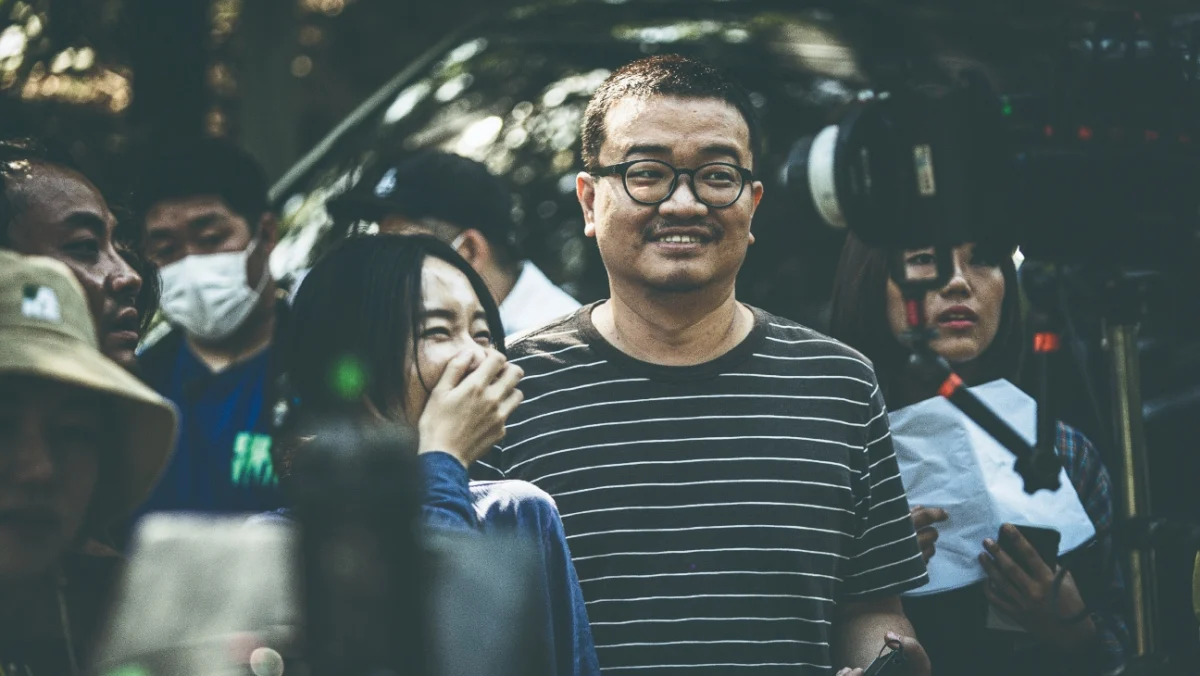
Korean hitmaker Yeon Sang-ho, fresh from a string of high-profile projects, will once again serve as the lead creative force behind Parasyte: Tamiya. Known for his distinctive directorial style and knack for blending genre thrills with profound social commentary, Yeon developed the story for the new season and co-wrote all episodes with his frequent collaborator, Ryu Yong-jae. This continuity in creative leadership underscores Netflix’s confidence in Yeon’s vision for the Parasyte world, following the impressive performance of Parasyte: The Grey. The original Korean series captivated audiences worldwide, spending four weeks on Netflix’s Global Top 10 Non-English TV list in 2024 and topping the rankings in 34 countries upon its release, demonstrating the immense global appetite for the franchise.
Yeon’s recent output highlights his prolific and versatile career. He recently oversaw the release of the Netflix thriller series Human Vapor, a significant Japanese collaboration with Toho, and the zombie blockbuster Colony, which premiered at Cannes and garnered critical and commercial success, grossing $42.4 million in South Korea since late May. His continuous engagement across diverse projects, from high-budget genre films to experimental low-budget thrillers like The Ugly and the AI-themed Paradise Lost, set to premiere at the Toronto Film Festival, firmly establishes him as one of East Asia’s most dynamic and sought-after filmmakers. His consistent partnership with Netflix, encompassing multiple seasons of Hellbound, the sci-fi feature Jung_E, and the occult chiller The Bequeathed, positions him as a cornerstone of the streamer’s East Asian content strategy.
The Enduring Legacy of Hitoshi Iwaaki’s Parasyte
To fully appreciate the significance of Parasyte: Tamiya, it is crucial to revisit the foundational work: Hitoshi Iwaaki’s manga series, Parasyte (Kiseiju). Published by Kodansha from 1988 to 1995, the manga quickly became a seminal work in the sci-fi horror genre. Its narrative centers on parasitic aliens that take over human hosts, transforming their bodies into grotesque, weaponized forms. Unlike typical horror narratives, Parasyte delves deeply into philosophical questions about identity, humanity, environmentalism, and the nature of coexistence between different species. The series earned widespread critical acclaim for its intricate plot, compelling characters, and profound themes, cementing its status as a classic.
The manga’s influence extended beyond print, inspiring several adaptations. In 2014, Madhouse produced a highly regarded anime series, Parasyte: The Maxim, which faithfully brought Iwaaki’s vision to the screen and introduced the story to a new generation of fans globally. Concurrently, a two-part Japanese live-action film franchise, directed by Takashi Yamazaki – who would later achieve international renown with Godzilla Minus One – offered another interpretation of the source material. These prior adaptations underscore the enduring appeal and adaptability of Iwaaki’s narrative, setting a high bar for any subsequent versions. Parasyte: The Grey marked the first major departure, transplanting the core premise to a contemporary South Korean setting with an entirely new cast of characters and an original storyline, proving the flexibility of the Parasyte concept. Its success demonstrated that the core themes resonate across cultures and can be effectively recontextualized.
Introducing Parasyte: Tamiya: A Deeper Dive into the Manga’s Core
While Parasyte: The Grey carved out its own original narrative within the Parasyte universe, Parasyte: Tamiya is poised to burrow more deeply into the original source material. The new chapter will center on Ryoko Tamiya, a character from Iwaaki’s manga who is widely regarded as one of its most complex and compelling figures. Japanese actress Shioli Kutsuna, known to global audiences for her recurring role in the Deadpool franchise and her work on Netflix’s sumo drama Sanctuary, will star as Ryoko Tamiya. Kutsuna is also slated to appear in Netflix’s upcoming live-action Gundam film, further solidifying her partnership with the streamer.

Ryoko Tamiya is no ordinary parasite. Initially, she embodies the ruthless, predatory nature of her kind, having seized the body of a high school teacher. However, her character undergoes a profound evolution, gradually coming to suspect that coexistence with humans, rather than outright predation, might offer her species its best chance of survival. This intellectual curiosity and capacity for change make Tamiya a fascinating lens through which to explore the core philosophical dilemmas of Parasyte. The series will tell its story from her unique perspective, offering an intimate look into her internal struggles. Kutsuna is tasked with the challenging role of portraying Tamiya in three distinct registers: the original human host, the violent parasitic creature that takes her over, and the evolving being caught intellectually and emotionally between the two.
Yeon Sang-ho himself expressed his profound connection to the character: "Ryoko Tamiya is a truly captivating villain in the original manga. Her struggles over the nature of her own existence are what elevate the original Parasyte from a simple hero-based manga aimed at kids to something deeper." He further elaborated on his creative intent, stating, "I wanted to convey her perpetual struggle over the need for parasites to coexist with humans and the issue of their survival, and how she suffers setbacks and learns over time. I think the anguish she experiences is the essence of Parasyte." These statements highlight the series’ ambition to explore the nuanced moral and existential quandaries that define the Parasyte narrative.
For Shioli Kutsuna, taking on the role of Tamiya has been a transformative experience. She described it as "the most challenging role I have ever played in my acting career," adding, "During the six months I spent living as Tamiya, I experienced many emotions I had never encountered before." Yeon Sang-ho lauded her performance, noting, "She did a wonderful job of portraying the process of a non-human creature coming to understand both humanity and its own existence." This synergy between the director’s vision and the actress’s commitment promises a portrayal that is both nuanced and powerful.
Creative Team and Production Excellence
For Parasyte: Tamiya, Yeon Sang-ho reunites with Parasyte: The Grey co-writer Ryu Yong-jae, ensuring a consistent narrative voice within this expanding universe. Directing the episodes are Japanese filmmakers Kensaku Kakimoto, known for his work on Glass Heart, and Kazuhiro Nakagawa, whose credits include Double and Bullet Train Explosion. This collaboration between Korean creative leads and Japanese directors signifies a strategic cross-cultural exchange, leveraging diverse talent to enrich the Parasyte universe. The production house WOWPOINT, which was also behind The Grey, The Human Vapor, and Colony, will produce Parasyte: Tamiya, ensuring a high standard of visual effects and storytelling that fans have come to expect. The established relationship between Yeon Sang-ho, Ryu Yong-jae, and WOWPOINT forms a robust creative backbone for this ambitious project.
Netflix’s Strategic Investment in Global Genre Content
The greenlighting of Parasyte: Tamiya underscores several key aspects of Netflix’s global content strategy. Firstly, it highlights the streamer’s deep commitment to investing in non-English language content, particularly from East Asia. South Korean and Japanese productions have consistently proven to be global hits, driving subscriber growth and critical acclaim. By expanding the Parasyte universe with a Japanese-led series after a successful Korean one, Netflix demonstrates its intent to foster interconnected franchises that transcend national borders. This approach allows them to tap into the vast appeal of established intellectual properties while offering fresh perspectives and localized storytelling.
Secondly, the series speaks to Netflix’s ongoing effort to build expansive narrative universes. The Parasyte franchise, with its rich mythology and philosophical depth, is ripe for such an endeavor. Creating distinct but related series, each with its unique cultural flavor, maximizes the potential of the IP and offers diverse entry points for viewers. This strategy mirrors the success of other global franchises on the platform and within the broader entertainment industry.
Finally, the philosophical underpinnings of Parasyte resonate strongly with contemporary audiences. Yoshihiro Sato, manager of live-action creative at Netflix Japan, eloquently articulated this relevance: "’What makes a human?’ ‘Can we coexist with beings that are different from us?’ – These questions posed by Parasyte more than 30 years ago feel much more pressing for our modern society that has placed non-sentient AI at all of our fingertips." He added, "Our purpose in making this series was to take the universal questions posed by the original manga 30 years ago and bring them into the modern spotlight." This intentional focus on the manga’s core themes, presented through a contemporary lens, positions Parasyte: Tamiya as more than just a horror series but as a thought-provoking exploration of humanity’s evolving challenges in a rapidly changing world. The parallel drawn between the parasitic invasion and the pervasive influence of AI highlights the enduring foresight of Iwaaki’s original work and its continued capacity to stimulate profound discussions.
As Parasyte: Tamiya moves through post-production towards its anticipated 2027 release, it represents not only an exciting new chapter for fans of the Parasyte universe but also a testament to Netflix’s ambitious strategy of global franchise building and its continued collaboration with visionary talents like Yeon Sang-ho. By diving into the intricate psychology of one of the manga’s most iconic characters, the series promises to enrich the lore and expand the philosophical horizons of this beloved sci-fi horror saga. The fusion of Korean creative leadership with Japanese talent and a narrative rooted deeply in the original manga’s most profound questions sets the stage for a compelling and potentially groundbreaking addition to Netflix’s growing library of international hits.