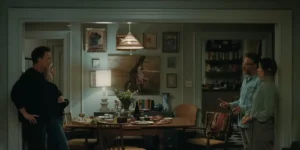



The filmmaking duo Marina and Randal Kamradt, having previously garnered attention with their superhero parody "The Monsters Without," are once again making waves on the festival circuit with their latest feature, "No Room For Love." This film, which had its world premiere last month at the esteemed Cinequest Film & Creativity Festival in Mountain View, California, represents a unique transition from its origins as a four-episode television series in 2024. While the condensed 90-minute feature format, boasting a main cast of at least eight characters, presents a narrative challenge in terms of pacing and character development, the film ultimately offers a surprisingly enjoyable experience, particularly for those attuned to its specific cultural and comedic nuances. The review of "No Room For Love" is presented as part of the "Submit Your Film" initiative, a program designed to highlight emerging talent and diverse cinematic voices.
From Episodic Series to Feature Film: A Creative Evolution
"No Room For Love" initially debuted as a television series, a format that allows for more expansive storytelling and deeper dives into individual character arcs. The decision to compile these episodes into a single feature film for festival distribution signifies a strategic move to broaden its audience and gain broader industry recognition. This transition, however, often necessitates significant narrative adjustments. The challenge lies in condensing potentially richer, episodic content into a tighter, more focused cinematic narrative without sacrificing the core emotional beats or thematic coherence. The Kamradts appear to have embraced this challenge, aiming to distill the essence of their original series into a format suitable for a single viewing experience, a common practice for independent filmmakers seeking wider exposure.
The Cinequest Film & Creativity Festival, where "No Room For Love" made its debut, is a well-respected event known for championing independent cinema and fostering innovation in filmmaking. Its selection of the Kamradts’ work suggests a recognition of the film’s unique voice and potential appeal. The festival, which typically spans several days and includes a diverse array of films, panels, and workshops, provides a crucial platform for emerging directors and producers to connect with distributors, critics, and fellow filmmakers. The world premiere status at such a venue underscores the film’s readiness for public and professional evaluation.
Narrative Threads: The Santiago Cousins’ Pursuit of the American Dream
The narrative of "No Room For Love" centers on the ambitious Santiago family, immigrants from the Philippines striving to carve out their own niche in the glitz and glamour of Los Angeles’s entertainment industry. The story kicks off with Rina Santiago (portrayed by Rey Aclao) arriving in Los Angeles, a move that seems to galvanize her showbiz-aspiring cousins to follow suit. As they navigate the complexities of their careers and personal lives, their initially tight-knit household of struggling artists begins to experience the inevitable strains and transformations that come with ambition and the pursuit of success in a foreign land.
The film introduces a sprawling ensemble of cousins, each with their own distinct aspirations and challenges:
- Matt (Garth Garcia), a musician, and his affluent girlfriend, Natalie (Georgina Tolentino), decide to move to the suburbs after Natalie’s pregnancy, signaling a shift in their priorities and lifestyle.
- Marco (Rommel Rojas) finds an avenue for his creative endeavors through an independent film project initiated by friends, suggesting a more underground or artistic path within the industry.
- Fred (Bong Cabrera) lands a role as an extra on a film set, with a specific nod to a "Back To The Future" production, offering a glimpse into the more mundane yet aspirational aspects of working in Hollywood.
- Leah (Iya Baclagan), initially a junior writers’ assistant, experiences a significant career boost after a serendipitous encounter with an executive, highlighting the role of chance and connections in Hollywood.
- Rina herself eventually decides to return to the Philippines, indicating that the allure of Los Angeles may not be for everyone, or that the journey has taken a different turn for her.
- Sandra (Cynthia San Luis), a persistent dreamer and amateur actress, struggles to achieve a breakthrough. Facing eviction, she is compelled to seek help to extend her stay in Hollywood, serving as a central figure in the film’s exploration of perseverance against adversity.
This intricate web of characters and their interwoven storylines contributes to the film’s expansive feel, though it also presents a significant hurdle for narrative clarity within the limited runtime. The sheer number of protagonists necessitates a swift, often episodic, progression through their individual arcs.

A Meta-Commentary on Hollywood: Homage and Satire
"No Room For Love" employs a unique stylistic approach that blends affectionate homages to classic Hollywood cinema with a self-aware, almost satirical, deconstruction of the industry itself. The film features vague references to iconic mid-century works such as "Citizen Kane" and "Blue Velvet," and even incorporates Disney-esque narration, suggesting an initial intent to evoke a sense of nostalgia and cinematic grandeur. However, this perceived seriousness is deliberately undermined by what appears to be intentionally "shoddy" production values.
The deliberate use of a black-and-white filter in post-production, coupled with shaky camerawork and the jarring insertion of contemporary music, serves to subvert the mystique typically associated with period pieces. Instead of revering cinematic history, the film seems to poke fun at these "greats" through its technical imperfections. This approach suggests a narrative commentary: the legacy of classical Hollywood, it implies, has been irrevocably altered, perhaps even disrupted, by the influx of new voices and cultures, represented by the Santiago family’s aspirations.
The film’s commitment to its contemporary sensibilities is further underscored by its stylistic choices. Over-the-top transitions, characteristic of digital filmmaking, are employed, and smartphone text messages frequently appear on screen, anchoring the narrative firmly in the present day. Flashbacks and intense hallucinations are punctuated by sudden bursts of color, breaking the monochrome aesthetic and signaling shifts in emotional states or memories. These "breaks" from the Hollywood facade also serve to reintroduce the nostalgic warmth of the Philippines, subtly reminding the audience of the characters’ roots and their ongoing struggle to establish a place for themselves in a new environment.
Humor, Abjection, and the Filipino American Experience
The film’s comedic tone is distinctively Gen X/Millennial, laced with a residual sense of self-deprecation often found in critiques of the superhero genre, a genre also satirized by the Kamradts in their previous work. In this "chaotic roulette" of cousins, the limited screen time dedicated to each character appears to be a deliberate choice. The film suggests that in the overwhelming milieu of Santiago’s showbiz aspirations, deep emotional investment in any single character’s plight, including Sandra’s, is intentionally discouraged, perhaps mirroring the ephemeral nature of fame and the constant churn of talent in Hollywood.
However, for members of the SoCal Filipino American community, "No Room For Love" offers a wealth of inside jokes and culturally specific references that resonate deeply. The self-reflexive industry gags elicit smiles, and the presence of Jollibee, a beloved fast-food chain, acts as a consistent cultural touchstone, potentially even serving as a product placement given its prominence. This PG-13 offering is, in essence, a parody of "La La Land," but it is also a heartfelt love letter to the contemporary Filipino American filmmaking community in Los Angeles.
Conclusion: A Heartwarming, If Imperfect, Ode to Community
"No Room For Love" may initially disarm viewers with its unconventional production quality. However, its perceived amateurism ultimately gives way to a sappy yet potent exploration of community. The film tackles themes of class disparity and immigrant distrust, but these complications are resolved through a collective "kumbaya" moment. The characters learn to support rather than compete with each other, finding strength in their shared journey within the hyper-competitive landscape of Los Angeles.
The Kamradt couple’s latest endeavor is unlikely to be hailed as groundbreaking or particularly novel in its storytelling. Nevertheless, for audiences seeking a lighthearted and heartwarming conclusion to their evening, "No Room For Love" delivers a comforting and engaging experience, celebrating resilience, familial bonds, and the enduring spirit of immigrant communities striving for their place in the American narrative. The film’s success lies not in its technical polish, but in its authentic portrayal of cultural identity and the power of collective support.