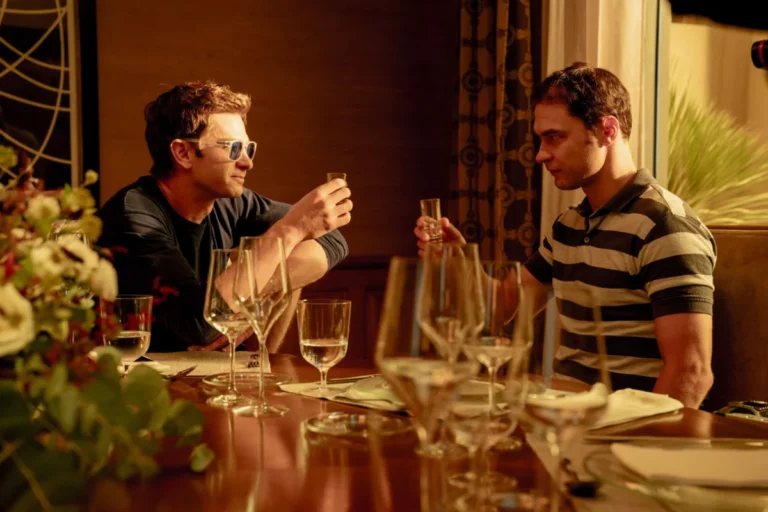

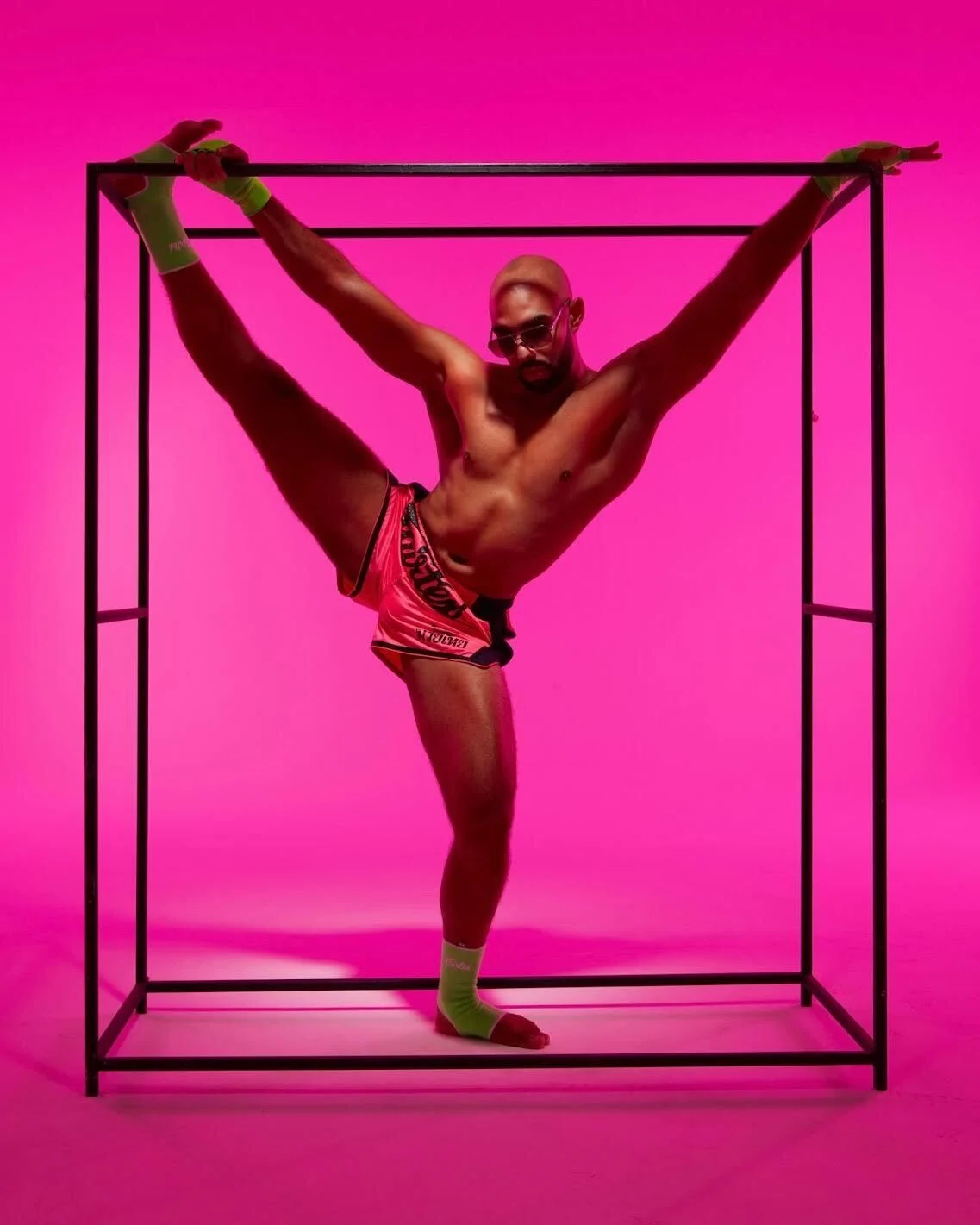
The cryptocurrency-based online casino Duel recently became the center of a digital firestorm following a blackjack livestream that was marketed as featuring the world-renowned and highly controversial masculinity influencer Andrew Tate. For viewers expecting the "Top G"—a figure synonymous with hyper-masculinity, cigars, and a stoic, aggressive persona—the broadcast provided a jarring alternative. The man at the table, while bearing a striking physical resemblance to Tate with his shaved head, dark stubble, and suit-and-sunglasses aesthetic, engaged in a performance that was the diametric opposite of the expected brand. Instead of lecturing on "escaping the matrix," the dealer spent the session performing vigorous twerking, breaking into sudden bouts of song, and executing a full split on the blackjack table. At one point, the performer spontaneously pulled a male assistant toward him by his necktie for a theatrical kiss.
The event quickly transitioned from a niche gambling stream to a viral sensation, sparking a public dispute regarding the authenticity of the appearance and the intentions of the casino. Ossi Ketola, the founder and owner of Duel, took to the company’s Discord server to claim the platform had been "rugged"—a cryptocurrency slang term for being scammed or defrauded. Ketola alleged that an influencer management agency had promised the real Andrew Tate, only to deliver an "imposter" at the last minute. However, the man behind the sunglasses, Brian Michael Hinds—better known to his millions of followers as "Bottom G"—offered a conflicting narrative, asserting that the casino was fully aware of who they were hiring and used the "bait and switch" narrative to amplify the stream’s viral potential.
The Genesis of Bottom G: From German Idol to Viral Parody
Brian Michael Hinds, 29, is a half-German, half-Barbadian artist whose career trajectory reflects the unpredictable nature of the modern creator economy. Before becoming the internet’s most famous Tate look-alike, Hinds was a classically trained performer. His resume includes a stint as a contestant on Germany’s iteration of American Idol and a period as a professional dancer at the historic Moulin Rouge in Paris.
The transition into the "Bottom G" persona was not a calculated business move but an organic response to digital feedback. In 2022, Hinds began posting videos of himself street-dancing in various European cities to promote his original pop music. Almost immediately, his comment sections were overwhelmed by users pointing out his uncanny resemblance to Andrew Tate. At the time, Hinds claims he was largely unaware of Tate’s identity or the "manosphere" culture he spearheaded.
Rather than distancing himself from the comparison, Hinds leaned into the irony. He adopted the moniker "Bottom G"—a queer-coded play on Tate’s self-styled "Top G" title—and began subverting the influencer’s brand. Where Tate preaches a rigid, often misogynistic form of traditional masculinity, Hinds offers flamboyance, joy, and queer visibility. This juxtaposition has created a unique niche in the digital landscape, where Hinds effectively "hijacks" the search traffic and visual cues associated with Tate to promote a message of radical self-expression.
Conflicting Narratives and the Economics of the Crypto-Casino Industry
The controversy surrounding the Duel livestream highlights the increasingly blurred lines between marketing and authenticity in the influencer space. According to Ketola’s statements to the Duel community, the casino incurred significant costs and was forced to proceed with the Hinds livestream to "save face" after realizing the real Andrew Tate would not be appearing. Duel has since denied deliberately hiring a look-alike in official statements to the press.
Hinds, however, maintains that the arrangement was transparent from the outset. Speaking from Istanbul during a recent interview, Hinds stated that the request for "Bottom G" was explicit. The financial stakes involved in such appearances are substantial. While Hinds’ manager notes that live performances for the Bottom G character typically command between $10,000 and $15,000, high-tier brand deals—particularly those involving crypto-casinos—can reach six-figure sums.
The crypto-gambling industry, led by giants like Stake.com, has a long history of utilizing high-profile, often controversial influencers to drive traffic. Andrew Tate himself has a known history of promoting gambling platforms, though the specific terms of his partnerships are rarely public. By involving a figure like Bottom G, platforms can tap into the "Tate-adjacent" algorithm without the same level of brand risk associated with the real influencer’s ongoing legal battles.
The Tate Connection: Mutual Recognition and Legal Shadows
The relationship between Brian Michael Hinds and the Tate brothers is one of the more surreal aspects of this digital phenomenon. Despite the parody nature of his content, Hinds has received direct acknowledgement from both Andrew and Tristan Tate. In 2022, Tristan Tate reportedly sent a direct message to Hinds expressing support for his "Bottom G" content. Furthermore, Andrew Tate reportedly called Hinds from Dubai to inquire about his music, specifically the track "Can We Talk About Us."
The brothers eventually posted a video of themselves in a sports car listening and grooving to Hinds’ music. This endorsement served as a massive catalyst for Hinds’ music career; "Can We Talk About Us" remains his most successful track, boasting nearly 4 million streams on Spotify. This mutual recognition suggests a complex dynamic where the Tates, known for their mastery of digital attention, recognized the value of the parody as a form of "meta-marketing."

However, the association remains fraught with risk. Andrew and Tristan Tate are currently facing severe legal challenges. Both have been charged with rape in multiple jurisdictions and are facing human trafficking charges in the United Kingdom. The brothers have consistently denied all allegations. For Hinds, being the face of a parody version of a man accused of such crimes creates a constant tension. While he profits from the visual association, he is careful to distance himself from the ideology, often choosing "maximalist" or "ugly" clothing that Tate would never wear to emphasize the distinction between the character and the man.
Platform Governance and the Challenges of Digital Identity
The "Bottom G" phenomenon also serves as a case study in the challenges of social media moderation. Over the past four years, Hinds has seen numerous accounts—particularly on TikTok—deleted without explicit explanation. He speculates that these deletions are a result of "shadow" association; because his face is so similar to Tate’s, automated moderation systems may flag his content as belonging to the banned influencer or as violating policies regarding the promotion of controversial figures.
TikTok, like many major platforms, has struggled to manage the proliferation of Tate-related content following his various bans for violating terms of service regarding hate speech and misogyny. While Hinds has successfully had some accounts reinstated, the constant threat of digital erasure has taken a toll. In late 2023, Hinds admitted to "hating" the Bottom G persona, citing the stress of account deletions and the realization that the fame had not yet translated into the level of wealth he had anticipated.
The viral success of the Duel stream, however, appears to have reinvigorated his interest in the character. The event demonstrated that there is still a massive appetite for the "Bottom G" subversion, providing Hinds with a platform to reach audiences who are either fans of the Tates looking for entertainment or critics of the Tates looking for a way to mock the "Top G" brand.
Cultural Implications: Subverting the Manosphere through Parody
From a cultural perspective, Bottom G represents a unique form of digital resistance. The "manosphere" is built on a foundation of rigid hierarchies and the policing of masculine behavior. By adopting the aesthetic of the manosphere’s most prominent leader and infusing it with queer performance art, Hinds effectively deconstructs the power of the image.
The "Bottom G" name itself is a linguistic subversion. In queer culture, the terms "top" and "bottom" carry specific connotations regarding sexual roles and power dynamics. By rebranding himself as the "Bottom G," Hinds introduces a level of sexual fluidity and vulnerability that is antithetical to the "alpha male" archetype Tate promotes. This subversion is what fascinates many of Hinds’ followers; he is not just an impersonator, but a satirical mirror reflecting the absurdity of the hyper-masculine posturing prevalent in digital spaces.
Hinds’ performances—the twerking, the splits, the flamboyant dancing—serve as a "joyful rebellion." He notes that his true fans are less interested in the Tate connection and more in his joie de vivre. This suggests that while the look-alike status provided the initial hook, the longevity of the brand relies on Hinds’ own talent as a performer and his ability to offer an alternative to the cynicism often found in influencer culture.
The Exit Strategy: Music, Fashion, and Male Wigs
Despite the lucrative nature of the Bottom G persona, Brian Michael Hinds does not see it as his permanent identity. He continues to prioritize his music career, recently releasing the single "Another Time," which explores themes of alienation and the transience of his nomadic, globe-trotting lifestyle. Hinds describes himself as a "night person" with no fixed address, traveling wherever the next performance or brand deal takes him.
He also harbors more traditional entrepreneurial ambitions. Years before his internet fame, Hinds dreamed of launching a "male wig" business. He envisions a world where men can change their appearance as easily and dramatically as women do, using hairpieces as fashion accessories rather than just tools for concealing hair loss. Recently, he purchased a high-quality wig to experiment with new looks, a move that serves both as a potential business venture and a practical way to further distance his physical appearance from that of Andrew Tate.
As he moves forward, Hinds remains a singular figure in the influencer economy—a man who found fame by looking like a villain but chose to act like a hero of his own making. Whether he is dealing blackjack for a crypto-casino or performing on a stage in Bangkok, Hinds continues to navigate the complex intersection of identity, parody, and profit. The "Bottom G" may have started as a meme, but for Brian Michael Hinds, it has become a platform for a much larger, and far more personal, artistic journey.