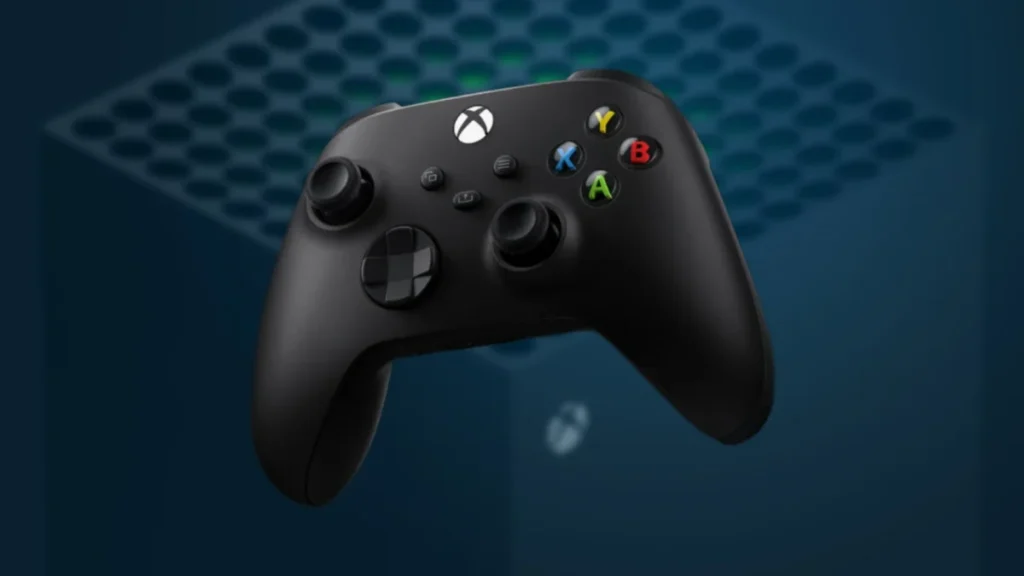


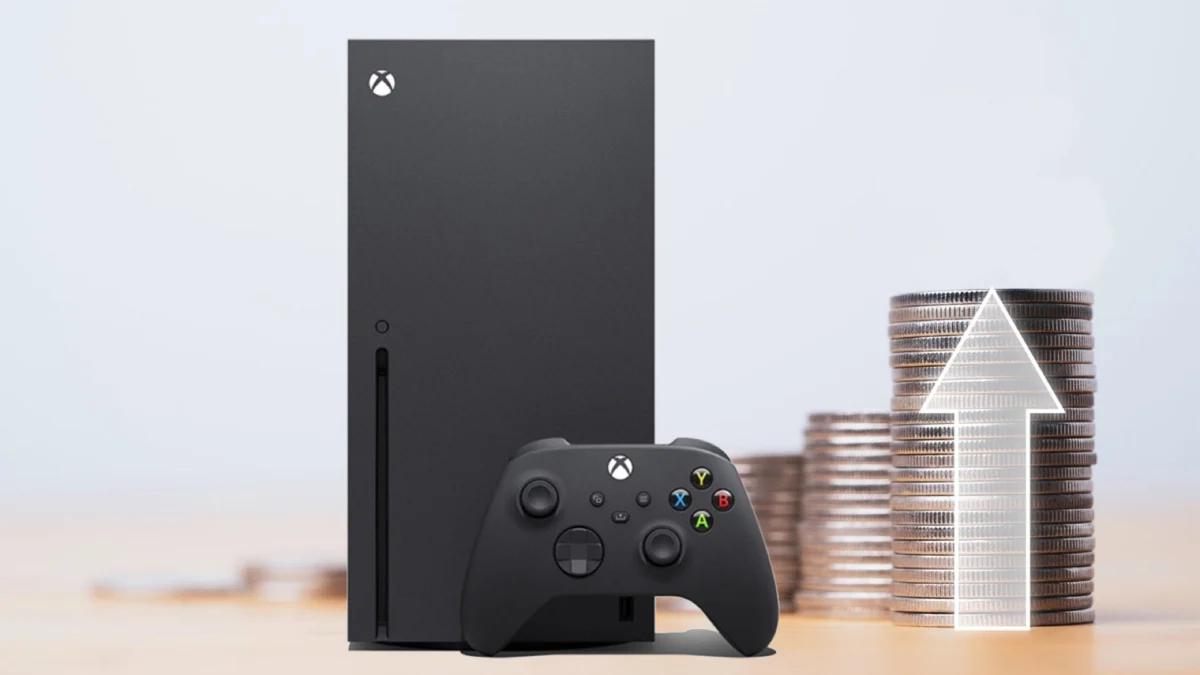
Microsoft has officially confirmed a significant upward adjustment to the retail pricing of its Xbox Series X and Series S consoles, marking a pivotal shift in the company’s hardware strategy as it grapples with a volatile global supply chain. Starting August 1, 2024, consumers in the United States will see the price of 512GB Xbox models increase by $100 USD, while the 1TB variants will experience an even steeper hike of $150 USD. In a simultaneous move to streamline its hardware portfolio, Microsoft also announced the "sunsetting" of the 2TB Xbox Series X model, effectively removing the highest-capacity tier from its primary manufacturing lineup.
The decision, communicated via an official update on the Xbox Wire platform, serves as a stark acknowledgment of the economic pressures currently facing the consumer electronics sector. According to Microsoft’s internal data and supplier reports, the cost of the specialized storage and memory components required for high-performance gaming has surged by more than 2.5 times over the past year. Furthermore, the company’s projections suggest that these costs could double again by the autumn of 2027, creating a long-term financial hurdle that the company claims it can no longer absorb internally.
The Economic Drivers Behind the Price Adjustment
The primary catalyst for this price hike is a global shortage and subsequent price inflation of NAND flash memory and DRAM. While the tech industry frequently experiences cyclical fluctuations in component pricing, the current climate is uniquely aggressive. Microsoft noted that while it had previously attempted to mitigate these costs—following a smaller price increase of $20 to $70 in October 2023—the sustained upward trajectory of supplier quotes made further adjustments unavoidable.
Industry analysts point to the burgeoning "AI arms race" as a secondary but significant factor. As tech giants, including Microsoft itself, pivot heavily toward artificial intelligence, the demand for high-bandwidth memory (HBM) and high-capacity storage for data centers has skyrocketed. This massive industrial demand has diverted manufacturing capacity away from consumer-grade components, such as the NVMe SSDs and GDDR6 RAM utilized in modern gaming consoles.
Unlike the smartphone or personal computer markets, where profit margins are often baked into the hardware retail price, the video game console industry traditionally operates on a "loss leader" model. In this ecosystem, hardware is sold at or below the cost of production to build a large user base, with profits eventually realized through digital software sales, subscription services like Xbox Game Pass, and peripheral licensing. Microsoft’s recent statement emphasized this distinction, noting that consoles are "typically not sold at a profit," and that the current 2.5x increase in component costs has made the previous pricing model unsustainable.
A Chronology of Xbox Series X/S Pricing and Market Shifts
To understand the magnitude of the August 1st price hike, it is necessary to look at the timeline of the Xbox Series X/S lifecycle since its launch in November 2020.
- November 2020: The Xbox Series X and Series S launched at $499 and $299, respectively. At the time, Microsoft and Sony both faced significant supply chain disruptions due to the global pandemic, but prices remained stable for the first two years.
- August 2022: Sony announced the first major price increase for the PlayStation 5 in select international markets, citing global inflation. Microsoft initially stated it had no plans to follow suit.
- October 2023: Microsoft implemented its first targeted price increase in the United States, raising console prices by a margin of $20 to $70 depending on the SKU and retailer bundle.
- March 2024: Sony implemented another round of price increases for the PlayStation ecosystem, signaling a broader industry trend toward higher hardware costs.
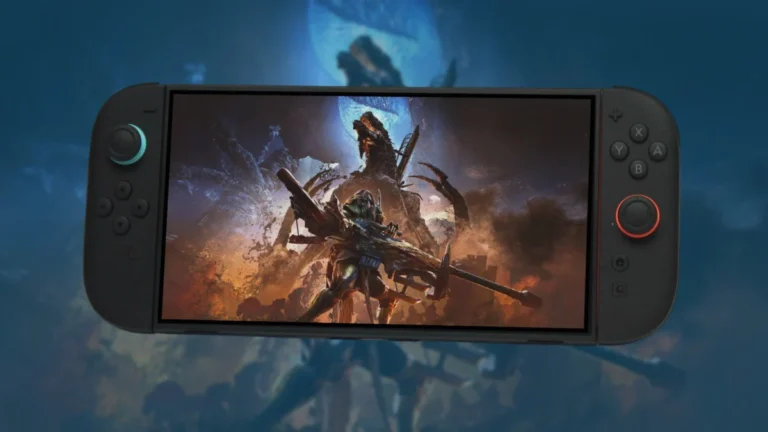
- June 2024: Nintendo confirmed that its forthcoming successor to the Switch would launch at a higher price point than its predecessor, with existing models seeing adjustments in European markets.
- August 2024 (Projected): Microsoft’s most aggressive price hike to date takes effect, bringing the entry-level 512GB Series S closer to the original launch price of the flagship Series X.
The "sunsetting" of the 2TB model is also a strategic pivot. By removing the most expensive consumer SKU, Microsoft may be looking to simplify its manufacturing pipeline and focus on the 512GB and 1TB units, which represent the bulk of its sales volume.
Accessibility Initiatives Amidst Rising Costs
Recognizing that a $100 to $150 increase represents a significant barrier to entry for many families, Microsoft has detailed several initiatives aimed at maintaining "accessibility" within the Xbox ecosystem. The company is leaning heavily into financial technology solutions and the secondary market to offset the primary retail price hikes.
A key component of this strategy is the expansion of "Buy Now, Pay Later" (BNPL) options directly through the Microsoft Store. Additionally, Microsoft has secured an agreement with Amazon to offer interest-free financing for up to 12 months for qualified buyers. This move mirrors the "Xbox All Access" program, which bundles hardware with Game Pass Ultimate for a monthly fee, though the new initiatives are designed to offer more flexibility for hardware-only purchases.
Furthermore, Microsoft is placing renewed emphasis on its Certified Refurbished program. By refurbishing and re-selling returned units with a standard manufacturer’s warranty, the company hopes to provide a "budget-friendly" alternative to brand-new hardware. The company also confirmed it is working more closely with retail partners like GameStop and Best Buy to bolster the availability of "previously played" (used) consoles at lower price points.
Comparative Market Analysis: Sony and Nintendo
Microsoft is not alone in its upward pricing trajectory. The entire console gaming landscape is shifting toward a higher-cost reality. In March, Sony Interactive Entertainment raised the price of the PlayStation 5 in several regions, citing "challenging economic conditions." Similarly, Nintendo recently announced that the price of the Switch 2 in Europe would be set higher than previously anticipated, moving from approximately €470 to €500.
This synchronized movement among the "Big Three" console manufacturers suggests that the era of the $299 entry-level "next-gen" console may be coming to an end. As games become more asset-heavy, requiring faster SSDs and more efficient RAM, the cost of the hardware required to run them is outpacing the traditional $300–$500 price bracket that has defined the industry for nearly two decades.
Broader Implications for the Gaming Industry
The implications of these price increases extend beyond the immediate cost to the consumer. For developers, a higher barrier to entry for hardware could lead to a slower adoption rate for the current generation of consoles. If consumers hold onto older hardware (such as the Xbox One or PlayStation 4) for longer due to the high cost of upgrading, developers may feel pressured to continue supporting older systems, which can often stifle technical innovation in game design.
Additionally, the timing of this announcement has raised concerns regarding Microsoft’s internal stability. The news follows a series of reports suggesting that Microsoft’s gaming division is preparing for a significant round of layoffs across its various studios, including those recently acquired under the Activision Blizzard King umbrella. This creates a complex narrative for the brand: while the company is reporting record-breaking revenue from services and software, it is simultaneously cutting costs through staff reductions and raising prices for consumers.
From a technical standpoint, the projected doubling of memory prices by 2027 suggests that the mid-generation refreshes (often referred to as "Pro" models) may be significantly more expensive than their predecessors. If a standard Series X now carries a premium price tag, a potential "Series X Pro" could push into the $600 or $700 range, a territory rarely explored by console manufacturers outside of niche or high-end enthusiast products.
Conclusion and Future Outlook
As the August 1 deadline approaches, the gaming community is left to reconcile with a market that is increasingly dictated by global macroeconomic factors and the voracious appetite of the AI industry. Microsoft’s decision to raise prices by such a substantial margin—up to $150—is a gamble that relies on the continued strength of the Xbox brand and the value proposition of the Game Pass service.
While the "loss leader" model has served the industry well for decades, the current component crisis has forced a re-evaluation of how hardware is valued. For now, Microsoft’s focus appears to be on maintaining a sustainable business model in the face of unprecedented supply chain costs, even if it means testing the limits of consumer price elasticity. The success of its accessibility programs and the refurbished market will likely determine whether Xbox can maintain its momentum or if this price hike will lead to a contraction in its hardware user base as the industry moves toward 2027.